

Food Digestion Time Chart: What You Need to Know
- 10 min read
- Published November 27, 2026
Key Takeaways
- Digestion does not happen at the same speed for everyone; the chart is only a guide.
- Liquids, fruits, and simple carbohydrates usually leave the stomach faster than high-fat or high-fiber meals.
- Persistent bloating, pain, nausea, constipation, or early fullness may point to an underlying digestive problem.
- Hydration, regular movement, balanced meals, and stress management can support normal digestion.
- A doctor should evaluate ongoing changes in bowel habits or symptoms that interfere with eating, travel, or daily life.
A food digestion time chart gives a general idea of how long different foods may stay in the stomach and move through the digestive tract. It can be a helpful guide, but digestion varies widely from person to person and depends on meal size, food type, health conditions, and daily habits.
Overview
A food digestion time chart is a practical way to understand the general pace of digestion after a meal. It answers a common question clearly: some foods move through the stomach in a few hours, while others take longer because of their fat, fiber, protein, or portion size. The chart is not a stopwatch for the body, but it can help people make sense of fullness, bloating, and meal timing.
Digestion begins as soon as food is chewed and mixed with saliva. From there, it travels to the stomach, then the small intestine, and finally the large intestine before waste is eliminated. Each step is influenced by what was eaten, how much was eaten, and how well the digestive system is functioning at that moment.
For international patients planning travel for care, this topic can be especially useful. Long flights, unfamiliar foods, stress, and changes in routine may alter digestion temporarily, so understanding what is normal can help distinguish an expected adjustment from a symptom that deserves medical attention.
Typical digestion times by food type
There is no single digestion time for every food, but broad patterns are well known. Liquids generally move through the stomach faster than solids. Simple carbohydrates often digest more quickly than meals rich in fat or protein, and foods with more fiber may slow the process a little while still supporting healthy bowel function.
A general food digestion time chart may look like this:
- Water, tea, clear broths: usually leave the stomach quickly, often within minutes.
- Fruit and fruit juice: commonly digest relatively fast, especially when low in fat and fiber.
- Starchy foods such as rice, bread, pasta: usually take longer than liquids or fruit, but less time than heavy mixed meals.
- Lean proteins such as fish, poultry, eggs: generally digest more slowly than carbohydrates.
- High-fat foods, fried foods, cream sauces, large mixed meals: tend to remain in the stomach longer.
- High-fiber foods such as beans, vegetables, whole grains: can take longer to break down, but they are often helpful for long-term digestive regularity.
In everyday life, a meal is rarely one food alone. A sandwich, salad, soup, or buffet plate combines ingredients that digest at different speeds, so the overall timing reflects the whole meal rather than one item. That is why two people can eat the same restaurant lunch and feel differently several hours later.
What affects digestion speed
Digestion is shaped by more than the food on the plate. Portion size matters because a large meal usually takes longer to process than a modest one. Eating quickly can also make digestion feel heavier, since air swallowing and poor chewing may add to bloating and discomfort.
Several body-related factors influence how fast food moves through the digestive tract:
- Age: digestive motility can change over time.
- Physical activity: regular movement supports bowel function.
- Hydration: adequate fluids help the digestive system work efficiently.
- Stress: the gut and nervous system communicate closely, so stress may alter appetite, cramping, or bowel habits.
- Medications: some medicines may slow digestion or cause constipation, while others can loosen stools.
- Medical conditions: diabetes, thyroid disorders, reflux, celiac disease, IBS, gastroparesis, and gallbladder problems can all affect digestion in different ways.
Travel can also disrupt digestion. Jet lag, changed meal times, reduced movement, and unfamiliar ingredients may temporarily delay bowel movements or create a feeling of fullness. For patients who are arranging treatment abroad, a doctor may recommend simple dietary planning before travel so that digestive symptoms do not complicate the journey.
How the digestive tract processes food
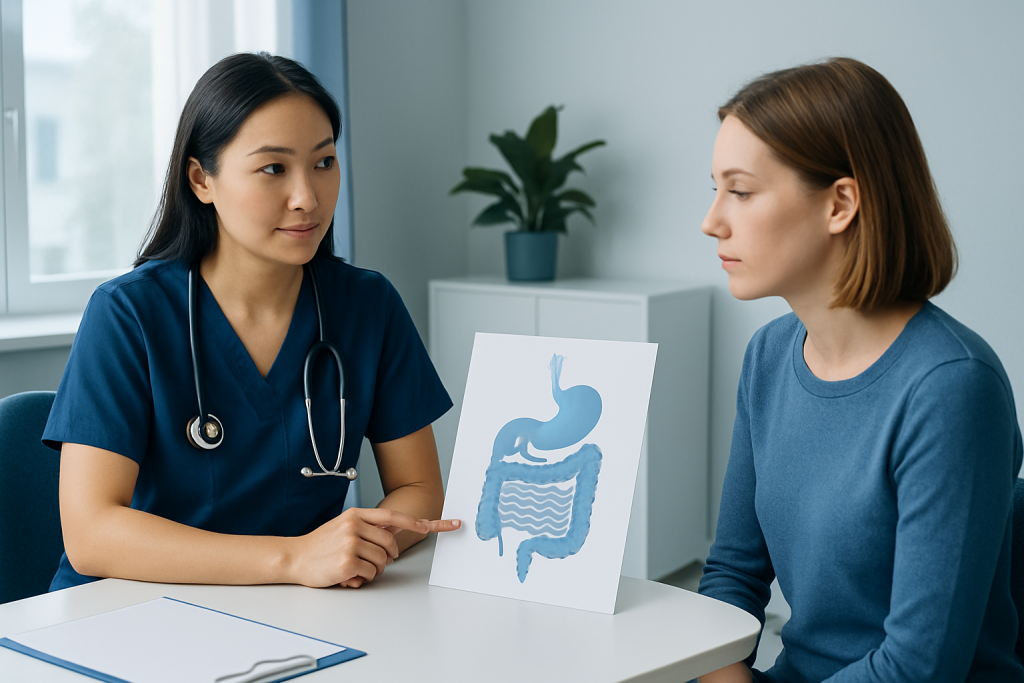
Digestion is best understood as a sequence, not a single event. The mouth starts mechanical breakdown through chewing and begins chemical digestion with saliva. The stomach then mixes food with acid and enzymes, turning it into a semi-liquid mixture that can pass onward.
Most nutrient absorption happens in the small intestine, where enzymes from the pancreas and bile from the liver help break down fats, proteins, and carbohydrates. The remaining material then moves into the large intestine, where water is absorbed and stool becomes more formed. The full journey can take from hours to more than a day depending on the person and the meal.
Because each stage serves a different purpose, the phrase “digestion time” can mean different things. Some people mean how long food stays in the stomach. Others mean how long it takes to pass through the entire digestive tract. A useful chart should be read with that distinction in mind.
When digestion feels too slow or too fast
Most people notice occasional changes in digestion after a rich meal, a stressful day, or a change in routine. These fluctuations are often temporary. Still, repeated symptoms can suggest that the digestive system is not working as expected.
Possible signs of slower digestion include:
- feeling full for a long time after eating
- bloating or upper abdominal discomfort
- nausea after meals
- constipation
- vomiting or reflux that occurs often
Possible signs of faster-than-usual transit include frequent loose stools, urgent bowel movements, cramps after meals, or difficulty maintaining weight. These symptoms can have many causes, from infections and food intolerances to chronic digestive disorders, so they should not be self-diagnosed from a chart alone.
A food digestion time chart is most useful when it helps a person notice patterns. For example, if heavy meals always lead to discomfort or if certain foods regularly trigger symptoms, that information can be valuable during a medical consultation.
Diagnosis: how doctors evaluate digestion concerns
If digestion problems are ongoing, a doctor usually starts with a detailed history rather than a single test. They may ask what foods trigger symptoms, how long the symptoms have been present, whether bowel habits have changed, and whether travel, stress, or medications play a role. This conversation often reveals important clues.
Depending on the symptoms, the evaluation may include a physical examination and targeted tests such as blood work, stool testing, breath tests, imaging, endoscopy, or motility studies. The goal is to find the cause, not just label the symptom. For example, bloating might come from constipation in one person, while early satiety in another could suggest delayed stomach emptying.
For patients traveling internationally for care, doctors may help prioritize what can be done before departure and what should be arranged after arrival. That planning can reduce delays and make follow-up more straightforward once treatment begins.
Treatment options and practical support
Treatment depends on the cause of the digestive issue. A person with mild meal-related discomfort may only need changes in eating habits, while someone with an underlying condition may need a fuller medical plan. The best approach is individualized rather than based on a universal digestion chart.
Common supportive strategies may include:
- eating smaller, more regular meals
- chewing food thoroughly and eating slowly
- limiting very fatty or heavily processed meals if they trigger symptoms
- adding fiber gradually rather than all at once
- drinking enough water across the day
- walking or moving gently after meals when appropriate
- following prescribed treatment for reflux, constipation, IBS, gastroparesis, or another diagnosed condition
Some people benefit from dietitian guidance, especially if they are trying to manage symptoms while traveling, recovering from a procedure, or adjusting to a new eating schedule. A professional plan is especially important if weight loss, anemia, vomiting, or swallowing issues are part of the picture.
Prevention and self-care
Supporting digestion often comes down to rhythm and consistency. Regular mealtimes, enough hydration, and a balanced diet can help the digestive tract work more predictably. Gentle daily activity may also support bowel regularity and reduce the sense of heaviness after meals.
Simple habits can make a meaningful difference:
- choose a mix of protein, healthy fat, and fiber in reasonable portions
- avoid rushing through meals
- limit large late-night meals if they worsen reflux or fullness
- keep a symptom diary to spot patterns
- manage stress with rest, breathing, or other healthy routines
People who travel for care or spend long hours in transit may find it helpful to plan lighter meals before flights or long journeys, stay hydrated, and walk when possible. If a doctor has given specific dietary instructions, those recommendations should take priority over general advice.
When to see a doctor
It is sensible to seek medical advice if digestive symptoms last more than a short period, happen repeatedly, or begin to interfere with everyday activities. A changing pattern is often more important than the exact food digestion time chart itself.
Medical evaluation is especially important if there is persistent vomiting, severe abdominal pain, blood in the stool, black stools, unexplained weight loss, difficulty swallowing, fever, dehydration, or a sudden major change in bowel habits. These symptoms may need prompt assessment.
For patients considering care abroad, it is reasonable to ask for a clear diagnostic pathway, a travel-friendly follow-up plan, and written guidance on diet and medications. Acibadem Health Point’s multidisciplinary specialists and JCI-accredited hospitals diagnose and treat digestive conditions for international patients, with coordinated care that supports both treatment and recovery. In all cases, a qualified doctor should guide decisions about testing and treatment.
Frequently asked questions
If questions remain after looking at a food digestion time chart, that is normal. Digestion is influenced by many moving parts, so people often need context rather than a single number.
The answers below address common concerns in a clear, practical way, but they do not replace an individual medical assessment.
Frequently asked questions
01How long does food take to digest overall?
It depends on the food and the person. Some items leave the stomach in a few hours, while the full journey through the digestive tract can take much longer. A food digestion time chart gives only a general estimate, not an exact clock for every meal.
02Which foods digest the fastest?
Liquids, clear soups, and many simple carbohydrates tend to digest more quickly than heavy mixed meals. Foods high in fat usually stay in the stomach longer. Even so, the full meal and the person’s digestive health matter more than one ingredient alone.
03Does fiber slow digestion in a bad way?
Fiber can make digestion slower in the sense that it adds bulk and moves differently through the gut, but that is usually a healthy effect. It helps support regular bowel movements and stable digestive function. If fiber suddenly causes major bloating or pain, the amount may need to be adjusted gradually.
04Why do I feel full for so long after eating?
Lingering fullness may happen after a large or fatty meal, but it can also be linked to reflux, constipation, slow stomach emptying, or another digestive issue. If it happens often, it is worth discussing with a doctor. The cause is often identifiable with a careful history and targeted tests.
05Can stress change digestion time?
Yes, stress can affect appetite, stomach comfort, and bowel habits because the gut and nervous system are closely connected. Some people notice nausea or bloating, while others experience constipation or diarrhea. Gentle routines, sleep, and stress management can support digestion, but ongoing symptoms should still be evaluated.
06Should I change my diet based on a digestion chart?
A digestion chart is best used as a guide, not a strict rule. It may help with meal planning, travel, or symptom tracking, but it should not replace medical advice if symptoms are persistent. A doctor or dietitian can help tailor food choices to the person’s needs.
This article is for general information only and is not a substitute for professional medical advice. Please consult a qualified doctor about your individual situation.
Persistent digestive symptoms? Get evaluated in Turkey
JCI-accredited · board-certified surgeons · reply within 24h
Add us as a Preferred Source to see more of our trusted health content across Google Search, AI Overviews and Discover.



How can we help you today?
Meet an Acibadem specialist by secure video, before you travel.
Book a video visit