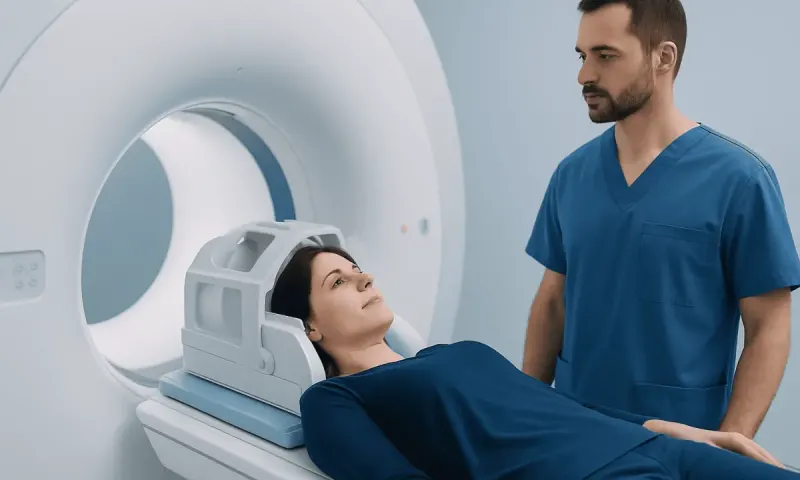
Focal Dystonia Affects One Body Part, From Neck to Voice
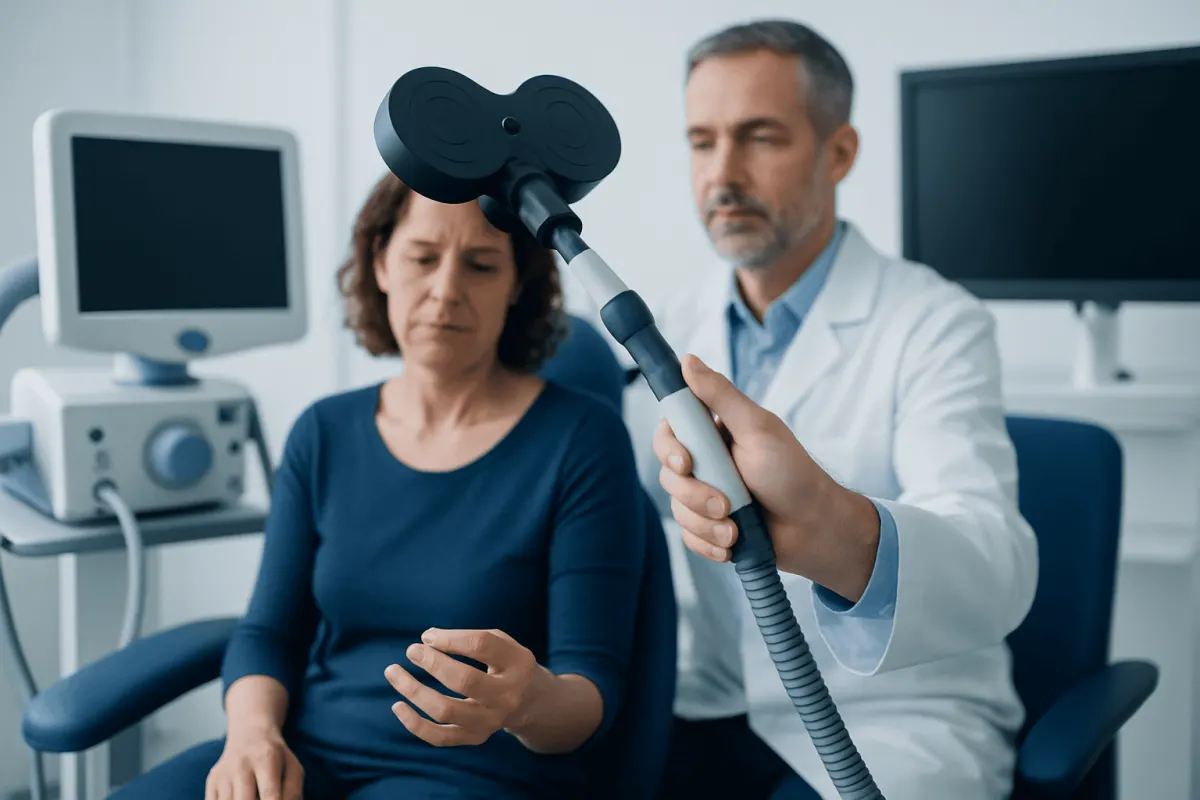
Your head keeps pulling to one side. Your eyelids close when you need them open. Your hand cramps the moment you pick up a pen, or your voice tightens and breaks in the middle of a sentence. When one part of the body stops cooperating like this, the cause may be focal dystonia — a neurological movement disorder that causes involuntary muscle contractions in one specific area, such as the neck, eyelids, hand, or voice box.
It is not usually dangerous. But it can affect your comfort, your daily activities, and your quality of life, and careful diagnosis helps guide treatment and support.
Overview: what focal dystonia means
Focal dystonia is a type of movement disorder in which involuntary muscle contractions affect a single body area. These contractions can lead to abnormal postures, repetitive movements, cramping, tremor-like shaking, or a feeling that a body part is no longer responding normally. The problem begins in the nervous system’s control of movement, not in the muscles themselves.
Unlike generalized dystonia, which involves several body regions, focal dystonia stays limited to one site. Common examples include the neck turning or pulling in cervical dystonia, repeated blinking or forced eyelid closure, hand cramping during writing or instrument playing, and voice changes caused by laryngeal muscle spasms.
Symptoms often develop gradually. A person may first notice loss of coordination during a specific activity, discomfort after repeated use, or unusual postures that come and go. Over time, the contractions may become more frequent or more noticeable, especially during certain tasks.
Although focal dystonia can be frustrating and sometimes painful, it is often manageable. Treatment focuses on reducing involuntary movements, easing pain, improving function, and supporting daily life.
How focal dystonia can feel and look
The symptoms of focal dystonia depend on which body part is affected. The core feature is sustained or intermittent muscle contraction that the person does not intend to make. This can cause twisting, pulling, cramping, trembling, or repeated movements in the involved area.
Some patterns are task-specific, meaning they appear mainly during a learned activity. For example, writer’s cramp may happen only when writing, and musician’s dystonia may appear only while playing an instrument. In other cases, symptoms become less task-specific over time and start to affect broader daily use of the body part.
- Neck: turning, tilting, or pulling of the head; neck pain; shoulder elevation
- Eyelids: excessive blinking, eye irritation, or episodes of forced eye closure
- Hand or arm: cramping, loss of fine motor control, abnormal finger postures
- Voice box: strained, shaky, breathy, or broken speech
- Jaw or face: jaw opening, clenching, grimacing, or facial pulling
Symptoms may fluctuate. Stress, fatigue, repetitive activity, anxiety, or poor sleep can make them more noticeable in some people. Others discover that a light touch to a nearby area briefly reduces the spasm; this is sometimes called a sensory trick and can provide a clue during assessment.
Why it happens: causes and risk factors

Focal dystonia is linked to altered signaling in brain networks that plan and control movement, especially circuits involving the basal ganglia and related pathways. In many adults, no single structural cause is found. This is often called primary or idiopathic focal dystonia, meaning the condition exists without another identified neurological disease causing it.
In some cases, focal dystonia is secondary to another problem. Possible contributors include head injury, stroke, certain medications, neurodegenerative disorders, or other neurological conditions. Doctors also consider whether symptoms might be related to overuse patterns, especially in task-specific dystonias affecting the hand or voice, although overuse alone does not fully explain the condition.
Risk factors vary by subtype. Adult-onset focal dystonia is more common than widespread childhood dystonia and may be seen more often in midlife. Family history can matter, as some people have an inherited tendency even if symptoms differ among relatives. Repetitive skilled motor activity, such as frequent handwriting, typing, or instrument playing, may increase risk in susceptible individuals.
Let us be clear about one thing: focal dystonia is not a sign of stress, weak muscles, or not trying hard enough. Emotional stress can make symptoms worse, but it is not the root cause. Knowing this spares you the self-blame and, we hope, gets you to a neurologist sooner.
Different forms of focal dystonia
Focal dystonia is an umbrella term, and the exact diagnosis depends on the body part involved. Recognizing the pattern matters because treatment, supportive therapies, and expected day-to-day challenges can differ from one form to another.
One of the most common forms is cervical dystonia, which affects the neck muscles and can cause the head to turn, tilt, or pull forward or backward. Blepharospasm affects muscles around the eyes and can interfere with reading, driving, or other visual tasks because of uncontrollable blinking or eyelid closure.
Task-specific hand dystonias include writer’s cramp and musician’s dystonia. These may begin subtly, with loss of speed, awkward finger positions, or a sense that the hand “freezes” during a practiced movement. Spasmodic dysphonia affects the voice and can make speech sound strained, interrupted, or breathy because of involuntary contractions in the larynx.
Some people also develop focal dystonia in the jaw, tongue, lower face, or one foot. A Neurology Evaluation" class="ahp-ilk">movement disorders specialist can help distinguish focal dystonia from tremor, nerve compression, muscle disease, or orthopedic problems when symptoms overlap.
How doctors diagnose focal dystonia
Diagnosis usually begins with a careful history and neurological examination. There is no single blood test that confirms focal dystonia. Instead, doctors look at when symptoms started, which activities trigger them, whether pain is present, how posture changes over time, and whether any medicines or neurological events could be contributing.
The physical exam focuses on movement patterns, muscle tone, posture, tremor, coordination, and whether symptoms are task-specific. Video recordings of writing, speaking, blinking, or instrument playing can sometimes help, especially when symptoms are intermittent or tied to a particular task. In many cases, the pattern seen on examination is the most important diagnostic clue.
Tests may be ordered to rule out other conditions rather than to prove dystonia directly. Depending on the person’s age, symptoms, and medical history, this may include blood tests, brain imaging, electromyography, or evaluation by speech, eye, or rehabilitation specialists. When symptoms involve the voice, a specialist may use laryngeal assessment.
Diagnosis has its subtleties, so seeing a neurologist experienced in movement disorders is often worth it. Where needed, further assessment with neurology evaluation or electromyography testing can sharpen both the diagnosis and the treatment plan.
Treatment options and long-term management
Treatment is individualized based on the body area involved, symptom severity, pain, work needs, and how much daily function is affected. For many focal dystonias, botulinum toxin injections are a main treatment because they can weaken overactive muscles in a targeted way. This often improves abnormal postures, spasms, and pain for a limited period, so repeat treatments may be needed at intervals determined by the treating doctor.
Oral medications may also help some people, although benefit varies and side effects need to be balanced carefully. Drugs used in dystonia management can include muscle-relaxing or nerve-signal-modulating medicines, but the choice depends on the symptom pattern and the person’s general health. Treatment should always be supervised by a qualified clinician.
Rehabilitation can play an important role. Physical therapy, occupational therapy, voice therapy, and sensory-motor retraining may help improve posture, reduce strain, and support function during daily tasks. In task-specific dystonia, therapy may focus on movement retraining, ergonomic changes, and modifying activities rather than simply strengthening muscles.
When symptoms are severe and do not respond well to conservative treatment, some people may be evaluated for advanced options such as deep brain stimulation. If focal dystonia is related to another neurological condition, treatment also addresses that underlying problem. Multidisciplinary assessment can be valuable, especially when pain, speech changes, or work-related disability are present.
Living with focal dystonia: self-care and practical support
Self-care will not replace your medical treatment, but it can make day-to-day symptoms easier to live with. Many people benefit from identifying triggers such as prolonged repetitive use, poor posture, stress, and fatigue. Planned rest breaks, workspace adjustments, and pacing of hand- or voice-intensive tasks may reduce strain.
Stress management is also relevant because symptoms often become more noticeable during periods of tension, even though stress is not the underlying cause. Gentle exercise, sleep hygiene, relaxation techniques, and structured routines may support overall symptom control and coping. People with neck dystonia may find that heat, careful stretching, or therapist-guided exercises improve comfort.
For task-specific dystonia, early referral to rehabilitation specialists can be especially helpful. Occupational or physical therapists can suggest adaptive techniques, positioning changes, or movement retraining strategies that protect function. For voice symptoms, speech-language therapy may help reduce compensatory strain and improve communication.
Some patients look for neurological and rehabilitative care brought together under one roof. At Acıbadem Health Point, multidisciplinary specialists in JCI-accredited hospitals diagnose and treat movement disorders for international patients, with assessment pathways that may involve physical therapy and rehabilitation when appropriate.
When to seek medical care
Medical review is appropriate when muscle spasms, abnormal postures, blinking, voice changes, or hand cramping keep happening or begin to interfere with normal activities. A person should also seek care if symptoms are painful, are worsening, or are affecting work, reading, driving, speaking, or sleep.
Prompt assessment is especially important if symptoms start suddenly, follow a head injury, or occur together with weakness, numbness, severe headache, balance problems, confusion, or other new neurological symptoms. These features may point to a different condition that needs urgent attention.
Even when symptoms are not urgent, an early diagnosis can be useful. It may prevent unnecessary worry, reduce delays in treatment, and help distinguish focal dystonia from tremor, repetitive strain injury, medication side effects, or other movement disorders.
Treatment works best when it is matched to the exact pattern of muscle involvement, so let a doctor or movement disorders specialist examine you rather than piecing together a diagnosis from your symptoms alone.
Frequently asked questions
01Is focal dystonia a serious condition?
Focal dystonia is usually not life-threatening, but it can significantly affect comfort, work, and daily activities. Its impact depends on which body part is involved and how severe the involuntary contractions are. Proper diagnosis can help guide treatments that often improve symptoms.
02Can focal dystonia go away on its own?
Some people notice periods when symptoms are milder, but focal dystonia often persists without treatment. In task-specific cases, early changes in activity or therapy may help limit progression. A medical assessment is important to understand the pattern and discuss treatment options.
03What is the difference between focal dystonia and tremor?
Tremor mainly causes rhythmic shaking, while focal dystonia causes involuntary muscle contractions that can twist, pull, or hold a body part in an abnormal position. The two can overlap, and some people with dystonia also have tremor-like movements. A neurological exam helps distinguish them.
04Does focal dystonia affect the brain or the muscles?
The main problem is in the brain’s movement-control networks rather than in the muscles themselves. The muscles contract because the signals that regulate movement are not being processed normally. This is why treatment often focuses on neurological care and targeted muscle management.
05What treatments are commonly used for focal dystonia?
Common treatments include botulinum toxin injections, selected oral medicines, and rehabilitation such as physical, occupational, or speech therapy, depending on the affected body part. Some people with severe symptoms may be evaluated for advanced therapies. The best plan is individualized after specialist assessment.
06Can stress cause focal dystonia?
Stress is not considered the main cause of focal dystonia. However, stress, fatigue, and anxiety can make symptoms more noticeable or harder to control. Reducing stress may improve day-to-day symptom management, but it does not replace medical treatment.
This article is for general information only and is not a substitute for professional medical advice. Please consult a qualified doctor about your individual situation.
Joint and spine care in Turkey — expert assessment & treatment
JCI-accredited · board-certified surgeons · reply within 24h
Add us as a Preferred Source to see more of our trusted health content across Google Search, AI Overviews and Discover.