Flexible Partial Dentures vs Metal: Which Fits Better?

Flexible partial dentures and metal partial dentures can both replace missing teeth, but they differ in strength, appearance, adjustability and the way they distribute chewing forces. The best choice depends on the number and location of missing teeth, the health of remaining teeth and gums, bite forces, allergies, and personal preferences.
Flexible Partial Dentures vs Metal: Side-by-Side Comparison
Flexible partial dentures are removable appliances usually made from a flexible, gum-colored thermoplastic material. Metal partial dentures generally have a lightweight cobalt-chromium framework, with acrylic gum-colored sections and replacement teeth attached. Both can restore gaps caused by missing teeth and may improve chewing, speech and smile appearance.
The main difference is how each appliance gains support and stability. A metal framework is designed to rest on selected teeth and oral tissues, spreading chewing forces more predictably. Flexible materials rely more heavily on close adaptation around the gums and teeth, often using flexible clasps that blend with the surrounding tissues.
- Strength: Metal frameworks are typically more rigid and durable; flexible dentures can bend and may be less suited to heavy bite forces.
- Appearance: Flexible clasps may be less noticeable, especially near front teeth; metal clasps can sometimes be visible when smiling.
- Thickness: Metal frameworks can often be made thinner than all-plastic or flexible designs.
- Adjustment and repair: Metal and acrylic designs are usually easier to adjust, reline or repair. Flexible materials can be more difficult to modify.
- Best use: Metal partials are often considered for larger spaces, multiple missing teeth or a long-term solution; flexible options may suit selected cosmetic or short-term situations.
How a Clinician Tells the Options Apart
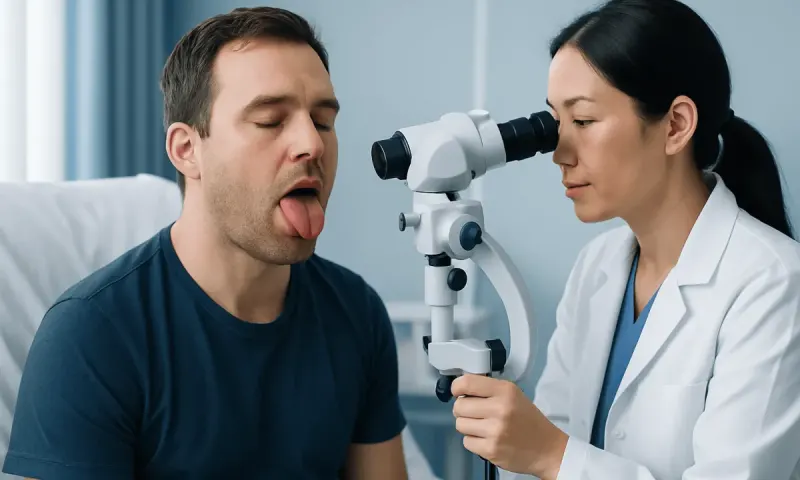
A dentist does not choose a denture material based on appearance alone. The assessment starts with the location and number of missing teeth, the condition of the remaining teeth, gum health, bone support, bite pattern and how strongly a person chews. Dental X-rays and a clinical examination may help identify decay, gum disease, loose teeth, infections or other concerns that should be addressed before making a denture.
Metal-framework partial dentures have rigid connectors, rests that sit on prepared areas of selected teeth, and clasps or precision attachments for retention. These features allow the denture to be supported by teeth as well as gums. Flexible partials usually have a continuous, flexible base with tissue-colored clasps that wrap around nearby teeth. They can look unobtrusive, but their flexibility may make it harder to control movement during chewing.
A clinician also considers whether the denture will need future changes. If additional teeth may need to be replaced later, or if gum and bone contours are likely to change, a conventional metal-and-acrylic design may be more practical to alter. No removable partial denture should be fitted over untreated decay, active gum inflammation or painful teeth without a clear treatment plan.
Which Is Better, Metal Partials or Plastic Partials?
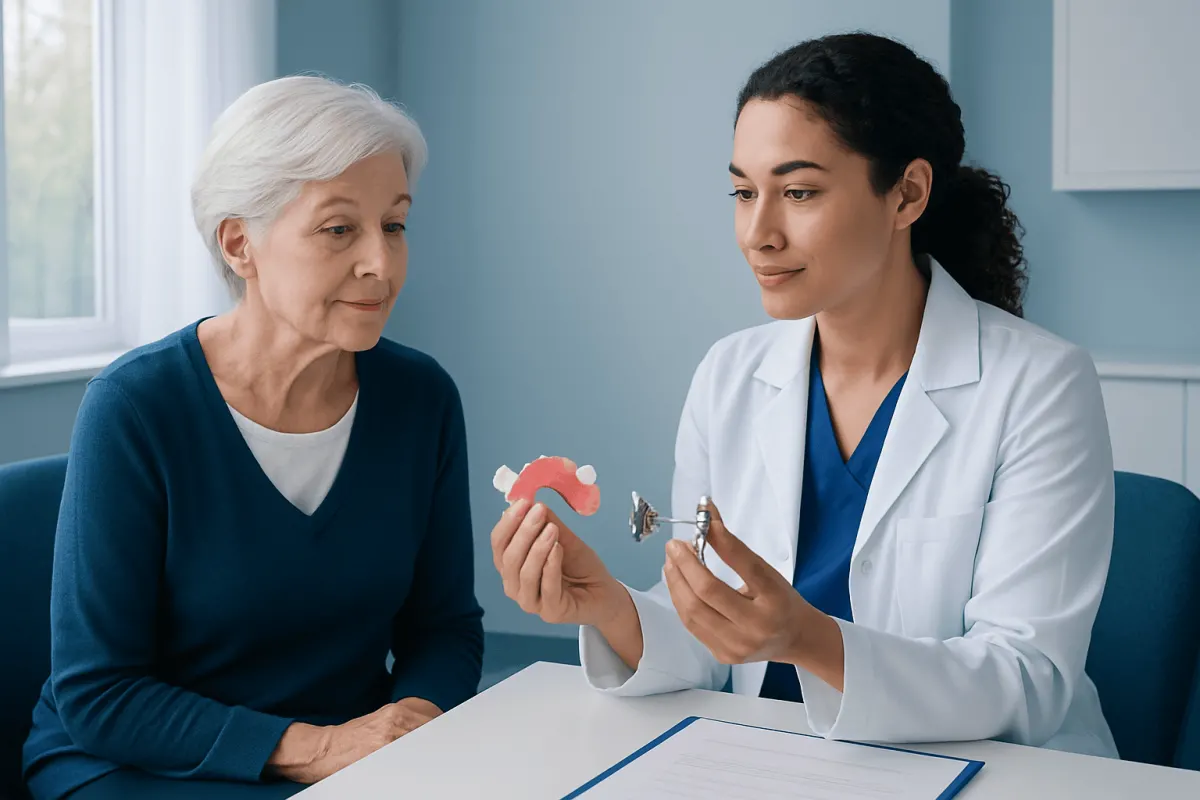
Neither is universally better. Metal partial dentures are often preferred when reliable support, strength and long-term stability are priorities. Their rigid framework can reduce bulk, help distribute biting pressure and limit movement that might irritate gums or place strain on supporting teeth. They are commonly considered when several teeth are missing or when the denture needs to withstand regular chewing forces.
Plastic partial dentures can refer to flexible thermoplastic appliances or conventional acrylic partial dentures. They may be useful when a person wants gum-colored clasps, has a temporary replacement need, or cannot use certain metal components. However, some plastic appliances are bulkier, may move more under chewing pressure, and can be harder to repair or adapt over time.
The more suitable option is the one that protects the remaining teeth and gums while meeting functional and cosmetic needs. A dentist may discuss alternatives such as fixed bridges or dental implants when appropriate, especially if a person wants a non-removable replacement. Suitability depends on overall oral health, bone availability, medical history and the specific pattern of tooth loss.
What Is the Most Comfortable Type of Partial Denture?
The most comfortable partial denture is usually the one that fits accurately, has a stable bite and is designed around healthy teeth and gums. Material alone does not guarantee comfort. A well-made metal partial may feel very comfortable because it can be slim and stable, while a poorly fitting flexible denture can rub, trap food or move during eating. The reverse can also be true for an individual with a well-fitting flexible design.
New dentures often require an adaptation period. Mild changes in speech, increased saliva, or awareness of the appliance can occur at first. Persistent pain, sores, looseness, clicking, difficulty chewing, or a change in how the teeth meet should be reviewed by a dentist rather than managed by attempting to bend or trim the denture at home.
Comfort can improve with careful impressions, a balanced bite, smooth edges and follow-up adjustments. People should avoid using household adhesives or repair products on a damaged appliance. Over-the-counter denture adhesive may be helpful for selected dentures when a clinician recommends it, but it should not substitute for correcting a poor fit.
Are Metal Partial Dentures Noticeable?
Metal partial dentures can be noticeable if their clasps sit near the front of the mouth or show when a person smiles or speaks. The visibility depends on the tooth being used for support, the shape of the smile, lip position and the denture design. In many cases, a dentist can place clasps in less visible positions or use other design features to reduce their appearance.
Flexible partial dentures often use gum-colored or tooth-colored flexible clasps, so they may be less visible at the front of the mouth. This cosmetic advantage should be weighed against fit, strength and the need to protect the teeth that support the appliance. A discreet appearance is valuable, but it should not compromise bite stability or oral health.
For some people, alternatives such as precision attachments, fixed bridges or implants may provide a different balance of appearance and function. These options are not suitable for everyone, and they usually require additional assessment and treatment. A dentist can explain which choices are realistic for the specific missing-tooth pattern.
What Material Is the Healthiest for a Partial Denture?
There is no single healthiest material for every person. The healthiest partial denture is one that is biocompatible for the individual, fits precisely, allows thorough cleaning and does not overload the remaining teeth or irritate the gums. Both metal frameworks and dental-grade flexible materials can be appropriate when selected and made properly.
People with a history of metal sensitivity should tell their dentist, although a reported allergy does not always mean that a dental framework will cause a reaction. The clinician may review the type of previous reaction, consider relevant medical history and discuss suitable material options. Acrylic components and flexible polymers can also cause problems if they are rough, poorly fitting or difficult to keep clean.
Good oral hygiene is essential regardless of material. Plaque around supporting teeth raises the risk of decay and gum disease, which can undermine a partial denture. The denture should be removed and cleaned daily using products appropriate for its material, while natural teeth and the tongue should be brushed carefully. A dentist or hygienist can provide specific cleaning guidance.
What to Do for Each Situation
A metal-framework partial denture may be worth discussing when several teeth are missing, chewing strength is important, the appliance needs to be thin and stable, or a longer-term removable option is needed. It may also be useful where a design can use healthy remaining teeth for support. Regular check-ups remain important because the mouth changes over time.
A flexible partial denture may be considered when a person has a small gap, wants less visible clasps, or needs an option that is comfortable around certain tooth shapes. It can also be used in selected interim situations while definitive treatment is being planned. The dentist should explain the limitations, including whether the appliance can be adjusted, relined or repaired if the fit changes.
Before accepting any partial denture, people can ask how it will be supported, whether clasps will be visible, how it should be cleaned, what changes may be possible later, and what symptoms should prompt a review. Acıbadem Health Point’s multidisciplinary dental specialists at JCI-accredited hospitals assess tooth loss and provide individualized restorative treatment options for international patients.
When to Seek Medical Care
A dentist should review persistent denture discomfort, sore spots lasting more than a few days, bleeding gums, swelling, bad taste, loose supporting teeth, a cracked denture, or a sudden change in fit. These symptoms can result from pressure points, changes in gum or bone shape, decay, gum disease or damage to the appliance. Early review can often prevent more significant problems.
Urgent dental assessment is advisable for facial swelling, fever, severe tooth or jaw pain, pus, difficulty opening the mouth, swallowing difficulty, or trouble breathing. These symptoms may indicate an infection or another condition needing prompt care. People should not continue wearing a denture that causes significant pain or injury unless a dental professional advises otherwise.
Routine dental visits help ensure that the denture remains safe and functional and that remaining teeth are protected. Professional cleaning, periodontal care and timely repair of chips or loose components can support comfort and oral health over the long term.
Frequently asked questions
01Can flexible partial dentures damage teeth?
A flexible partial denture should not damage teeth when it is accurately designed, cleaned regularly and checked by a dentist. However, plaque can collect around clasps and supporting teeth if cleaning is inadequate. A poorly fitting appliance can also rub gums or place unwanted pressure on teeth.
02Do metal partial dentures last longer than flexible dentures?
Metal frameworks are generally more rigid and may be more durable than flexible materials when properly cared for. However, longevity also depends on changes in the gums and jawbone, the health of supporting teeth, bite forces and regular dental follow-up. Any partial denture may eventually need adjustment, repair or replacement.
03Can a flexible partial denture be repaired?
Repairing or adjusting flexible materials can be more difficult than repairing conventional acrylic and metal partial dentures. Whether repair is possible depends on the specific material and type of damage. A dentist or dental laboratory should assess the appliance rather than attempting a home repair.
04Should a partial denture be worn at night?
Many dentists recommend removing a partial denture at night to allow the gums and supporting tissues to rest and to make cleaning easier. Individual advice can differ, particularly after a new fitting or procedure. A dentist should provide guidance based on the person's oral health and denture design.
05How should a partial denture be cleaned?
The denture should be removed and cleaned daily with a soft denture brush and a cleaner appropriate for its material. Abrasive toothpaste, hot water and household cleaning products can damage some appliances. Natural teeth, gums and tongue also need daily cleaning, especially around clasps and supporting teeth.
06Can I eat normally with a partial denture?
Most people can return to a varied diet after adapting to a well-fitting partial denture, but it may take time to regain confidence. Starting with softer foods and chewing slowly on both sides can help. Very hard, sticky or chewy foods may dislodge or damage some dentures and should be approached cautiously.
This article is for general information only and is not a substitute for professional medical advice. Please consult a qualified doctor about your individual situation.
Explore treatments in Turkey — costs, top hospitals & a free quote
JCI-accredited · board-certified surgeons · reply within 24h
Add us as a Preferred Source to see more of our trusted health content across Google Search, AI Overviews and Discover.