Flail Chest: Symptoms, Causes and Treatment

Key Takeaways
- Flail chest usually follows significant chest trauma and often involves multiple rib fractures.
- The chest wall may move inward when breathing in and outward when breathing out.
- Shortness of breath, chest pain, and low oxygen levels are common warning signs.
- Diagnosis often includes a physical exam and imaging tests such as chest X-rays or CT scans.
- Treatment may require oxygen, pain relief, breathing support, and sometimes surgery.
- Anyone with chest trauma and breathing trouble should seek urgent medical care.
Flail chest is a severe chest wall injury that happens when multiple ribs are broken in more than one place, causing a segment of the chest to move abnormally during breathing. Prompt medical evaluation is important because treatment focuses on breathing support, pain control, and careful monitoring for lung injury.
Overview
Flail chest is a pattern of chest injury that can change the way a person breathes in a very direct, mechanical way. It occurs when several ribs are fractured in more than one place, creating a loose segment of chest wall that no longer moves in sync with the rest of the rib cage.
During normal breathing, the chest expands outward with each inhalation and returns as air is exhaled. In flail chest, that injured section may move in the opposite direction, which can make breathing less efficient and place extra strain on the lungs. Because the injury is often caused by major trauma, it is frequently accompanied by bruised lungs, internal bleeding, or other injuries that need close attention.
For international patients, this is not a condition to watch at home and hope it settles. A clear diagnosis, respiratory monitoring, and a coordinated treatment plan are often needed quickly, especially if travel, transfer, or later rehabilitation will be part of the care journey.
Symptoms
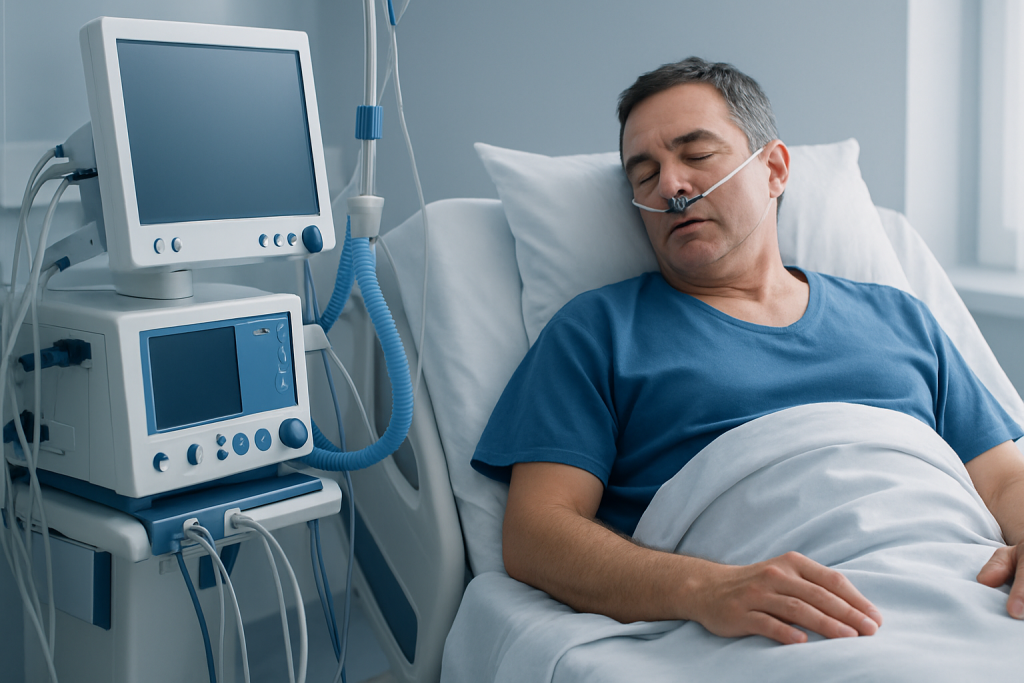
The signs of flail chest can appear immediately after a traumatic event, but they may also become more obvious as pain and swelling increase. The most distinctive feature is paradoxical movement of a section of the chest wall: it sinks inward when the person breathes in and may bulge outward when breathing out.
Other symptoms often reflect both pain and reduced lung function. A person may breathe rapidly, take shallow breaths, or struggle to speak in full sentences. Chest pain usually becomes worse with coughing, movement, or deep breathing, which can make it difficult to clear the lungs properly.
- Severe chest pain after trauma
- Shortness of breath or rapid breathing
- Visible abnormal movement of part of the chest
- Bruising or tenderness over the ribs
- Coughing, sometimes with blood
- Fatigue, anxiety, or signs of low oxygen such as bluish lips or fingers
Symptoms may be more subtle in older adults or in people who are receiving pain medicine after injury. Even when the chest wall movement is not easy to see, breathing difficulty after a major impact should still be treated as urgent.
Causes & Risk Factors

Flail chest usually results from a strong blunt force to the chest. Common causes include road traffic accidents, falls from height, sports injuries, and crush injuries. The force needed is often substantial, which is why other organs may be affected at the same time.
The condition develops when adjacent ribs break in multiple places, separating a segment of the chest wall from the rest of the rib cage. That segment then loses the support needed to move normally with respiration. In many cases, the same impact also bruises the lung underneath, making breathing even more difficult.
Certain factors can increase the likelihood of more severe injury or a slower recovery. Older age, osteoporosis, smoking, chronic lung disease, and reduced physical reserve may all complicate the healing process. People who are taking blood thinners may also have a higher risk of bleeding after chest trauma.
Diagnosis
Diagnosis starts with a careful physical examination and an assessment of breathing, oxygen levels, and circulation. Clinicians look for chest wall instability, tenderness, bruising, and signs that the lungs are not expanding well. Because flail chest is often part of a broader trauma picture, the evaluation typically goes beyond the ribs alone.
Imaging tests help confirm the pattern of injury and check for related problems. A chest X-ray may show rib fractures or lung complications, while a CT scan can give a more detailed view of the ribs, lungs, and surrounding structures. In some situations, additional tests are used to assess oxygenation and detect internal injuries.
For patients arriving from another country or transferring care between hospitals, prior imaging and written reports can be very helpful. Bringing those records allows the treating team to compare findings over time and avoid repeating tests that have already been completed.
Treatment Options
Treatment is aimed at supporting breathing, relieving pain, and preventing complications. Many people with flail chest need hospital care, and some require intensive monitoring depending on how well they are oxygenating and whether other injuries are present. The exact plan depends on the extent of the chest trauma and the person’s overall condition.
Pain control is central because painful breathing leads to shallow breaths and a greater risk of lung collapse or infection. Doctors may use a combination of medicines and regional pain relief techniques to help the person breathe more deeply and cough more effectively. Oxygen therapy is often provided if oxygen levels are low.
When breathing is significantly compromised, ventilatory support may be necessary. This can range from noninvasive support in selected cases to mechanical ventilation for more severe injury. In certain patients, surgical fixation of fractured ribs may be considered to stabilize the chest wall and improve recovery, especially when the flail segment is large or breathing remains difficult despite other measures.
Additional care may include treatment for associated injuries such as lung contusion, pneumothorax, or bleeding. Because chest trauma can evolve over time, observation is often just as important as the initial procedure or medication plan.
Prevention & Self-care
Flail chest is best prevented by reducing the risk of major chest trauma. Seat belts, airbags, safe driving habits, fall prevention measures, and protective gear in sports or high-risk work environments all play a role. For people with osteoporosis or frailty, managing bone health and home safety can also reduce the chance of serious rib injury after a fall.
Once the injury has occurred, self-care is mainly about following the medical team’s breathing and pain-control plan. Gentle coughing, deep-breathing exercises, and early guided movement may be recommended to reduce the chance of complications. These steps should always be tailored to the person’s condition and recovery stage.
It is important not to self-treat significant chest trauma at home or rely on rest alone. Even when the pain seems manageable, hidden lung injury can worsen over time, so follow-up visits and repeat assessments may be part of a safe recovery plan.
When to See a Doctor
Any suspected flail chest requires urgent medical attention, especially after a car crash, fall, or other high-impact injury. Breathing trouble, chest wall movement that looks unusual, severe pain, or signs of low oxygen should prompt immediate evaluation in an emergency setting.
Medical help is also needed if chest pain becomes worse, the person feels faint, coughs up blood, or develops fever or increasing shortness of breath during recovery. These can be signs of a complication rather than normal healing.
Patients recovering after treatment should keep all follow-up appointments, even if they are traveling home or continuing care abroad. In some cases, the team may recommend reassessment with imaging or respiratory testing to confirm that the lungs are recovering as expected. Acibadem Health Point’s multidisciplinary specialists and JCI-accredited hospitals can diagnose and treat flail chest for international patients within a coordinated care pathway.
Frequently asked questions
01What makes flail chest different from a simple rib fracture?
A simple rib fracture involves one or more broken ribs, but the chest wall remains structurally stable. Flail chest happens when multiple ribs are broken in more than one place, creating a loose segment that moves abnormally with breathing. That instability can interfere with lung expansion and makes the injury more serious.
02Is flail chest always a medical emergency?
Yes, it should be treated as an emergency because breathing can worsen quickly and there may be hidden injuries to the lungs or other organs. Even if the person seems alert, the combination of trauma and breathing difficulty needs urgent assessment. Prompt care can reduce complications and guide the right level of support.
03Can flail chest heal without surgery?
Some patients recover without surgery if breathing can be supported and the chest wall remains stable enough during healing. Treatment often focuses on pain control, oxygen, and close monitoring rather than an operation. Surgery may be considered when instability is significant or recovery is not progressing well.
04Why is pain control so important in chest injuries?
Pain makes people take shallow breaths, which can leave parts of the lungs underused and increase the risk of infection or collapse. Good pain control helps the person breathe more deeply, cough effectively, and move more comfortably. It is usually a key part of the overall treatment plan.
05How long does recovery take after flail chest?
Recovery time varies depending on the severity of the injury, age, and whether there are associated lung or organ injuries. Some people improve over weeks, while others need longer rehabilitation and follow-up. The treating doctor can give a more realistic timeline based on imaging, breathing status, and overall progress.
06What should an international patient bring to a follow-up appointment?
It helps to bring discharge summaries, imaging reports, medication lists, and any respiratory therapy instructions. If care started in another country, previous scans and notes can make follow-up more efficient and safer. A clear record also helps the next team understand exactly how the injury has evolved.
This article is for general information only and is not a substitute for professional medical advice. Please consult a qualified doctor about your individual situation.
Joint and spine care in Turkey — expert assessment & treatment
JCI-accredited · board-certified surgeons · reply within 24h
Add us as a Preferred Source to see more of our trusted health content across Google Search, AI Overviews and Discover.