Fifths Disease in Adults: Symptoms and When to Seek Care
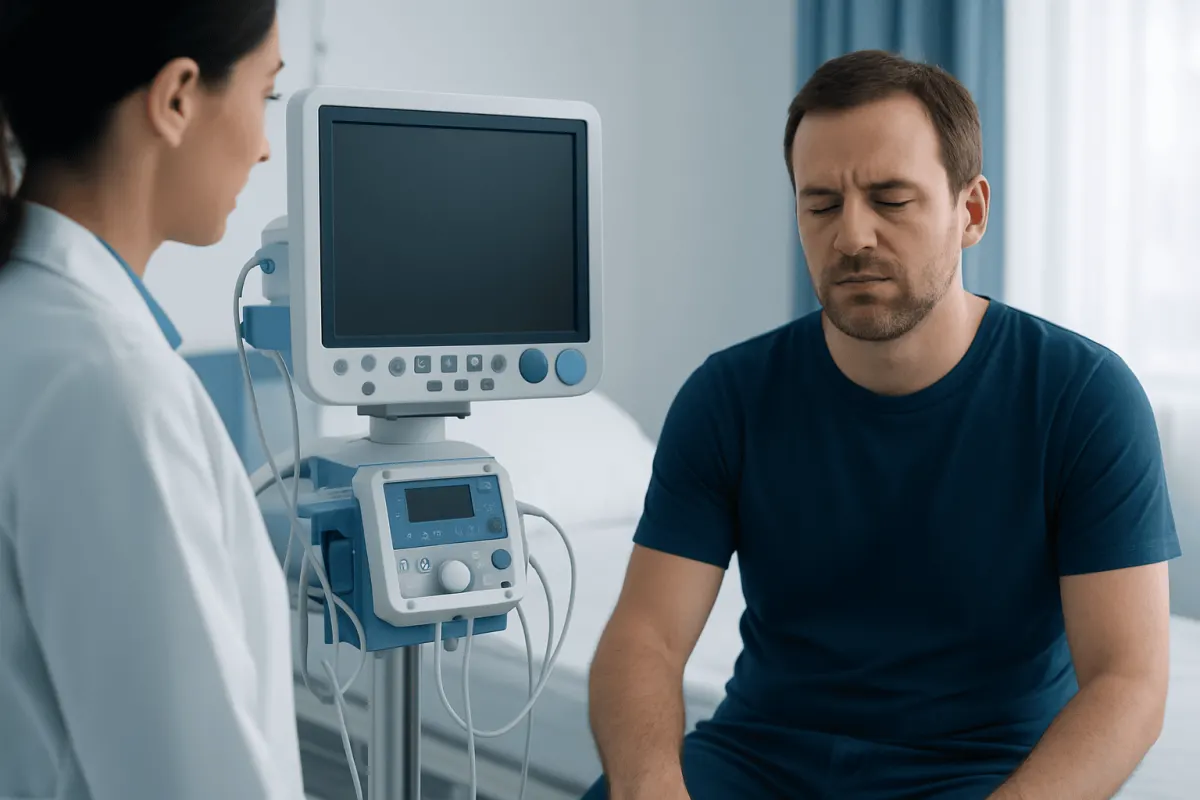
Fifths disease in adults is an infection caused by parvovirus B19. It often resolves without specific treatment, although adults may have more prominent joint pain than children and some people, including pregnant individuals and those with certain blood disorders, need prompt medical guidance.
Overview: What Is Fifth Disease in Adults?
Fifths disease in adults is a viral illness caused by human parvovirus B19. The infection is also called erythema infectiosum. It is best known as a childhood illness because children may develop a bright red facial rash, sometimes described as a “slapped-cheek” appearance. However, adults can also become infected, particularly after close contact with children in households, schools, or childcare settings.
In adults, fifth disease may look different from the typical childhood description. Some people have no symptoms at all, while others develop fatigue, low-grade fever, headache, rash, or painful and stiff joints. The illness is usually self-limited, meaning the immune system clears it without an antiviral medicine. Still, parvovirus B19 can cause more significant complications in pregnancy, in people with certain red blood cell disorders, and in people whose immune systems are substantially weakened.
Having had parvovirus B19 infection generally leads to lasting immunity. A clinician can help distinguish fifth disease from other causes of rash, joint symptoms, or flu-like illness, especially when symptoms are prolonged or a person has medical conditions that increase the risk of complications.
How Fifth Disease May Feel in Adults
Symptoms can begin gradually after an incubation period that is commonly around one to two weeks, although timing varies. Early symptoms may resemble a mild respiratory virus: tiredness, sore throat, headache, runny nose, low fever, or general aches. Some adults do not recall an early illness and only notice joint discomfort or a rash later.
Joint pain is one of the more characteristic features of parvovirus B19 infection in adults, especially in women. It often affects both sides of the body and may involve the hands, wrists, knees, ankles, or feet. Stiffness can be noticeable in the morning. These symptoms usually improve over days to weeks, though a smaller number of people experience discomfort for longer. Parvovirus-related joint pain does not usually cause the progressive joint damage associated with inflammatory arthritis, but persistent symptoms should be assessed.
A rash may be absent, subtle, or appear as a lacy, pink-red pattern on the trunk and limbs. It can come and go temporarily with heat, exercise, sunlight, stress, or bathing. A facial rash is less common in adults than in children. Because many illnesses can cause rash and joint pain, a new rash accompanied by fever, swelling, or severe illness should not automatically be assumed to be fifth disease.
Spread, Contagiousness, and Who Is at Higher Risk

Parvovirus B19 most often spreads through droplets and secretions from the nose and mouth, such as when an infected person coughs or sneezes. It can also spread through blood products, although this is uncommon with current screening and safety practices. During pregnancy, an infected person can pass the virus to the fetus through the placenta.
A key practical point is that people are generally most contagious before the rash develops, during the early cold-like stage. Once the characteristic rash or joint symptoms appear, they are usually no longer contagious in routine circumstances. This differs from some other rash illnesses. If there is uncertainty about a workplace, school, or household exposure, advice from a clinician or local public health authority can be helpful.
Most healthy adults have an uncomplicated recovery. However, parvovirus B19 can temporarily stop the bone marrow from making red blood cells. This can be serious for people with conditions in which red blood cells already break down faster than normal, including sickle cell disease and some inherited hemolytic anemias. People receiving intensive immune-suppressing treatment, people with certain cancers, and transplant recipients may also be less able to clear the virus and may develop persistent anemia.
- Pregnant people who are exposed to or develop symptoms of parvovirus B19 should contact their obstetric clinician.
- People with sickle cell disease, thalassemia, hereditary spherocytosis, or another hemolytic anemia should seek timely medical advice after exposure or illness.
- People with substantial immune suppression should discuss new fever, fatigue, rash, or anemia symptoms with their healthcare team.
How Doctors Diagnose Parvovirus B19 Infection
In a person with typical symptoms and a known exposure, a clinician may diagnose fifth disease based on the medical history and examination. Testing is often unnecessary for a healthy adult with mild illness that is improving. However, laboratory testing can be useful when symptoms are unusual, severe, prolonged, or clinically important to confirm.
Blood tests may look for parvovirus B19 antibodies. Immunoglobulin M, often called IgM, can suggest a recent infection, while immunoglobulin G, or IgG, usually indicates past infection and immunity. The timing of symptoms and testing matters, so results need to be interpreted by a clinician. A polymerase chain reaction, or PCR, test can detect viral genetic material and may be particularly useful in people with weakened immunity or unexplained anemia.
A complete blood count may be ordered to check hemoglobin and other blood cell levels if fatigue, shortness of breath, pallor, rapid heartbeat, or other signs of anemia are present. Depending on the symptoms, clinicians may also consider conditions such as rheumatoid arthritis, lupus, medication reactions, rubella, measles, COVID-19, or other viral infections. Careful diagnosis is important because treatment and follow-up depend on the underlying cause.
Modern Treatment Approaches and Recovery
There is no routine antiviral treatment that cures uncomplicated fifth disease. For most healthy adults, care focuses on comfort while the body clears the infection. Rest, adequate fluids, and temporary adjustment of strenuous activities can help during fever, fatigue, or joint discomfort. Most people begin to feel better within a few weeks, although fatigue or joint symptoms can sometimes last longer.
A clinician or pharmacist may recommend an appropriate pain reliever or anti-inflammatory medicine for fever and joint pain, taking into account a person’s age, pregnancy status, stomach, kidney, liver, heart, and bleeding risks, as well as other medicines. It is important not to exceed label instructions and not to start anti-inflammatory medicines during pregnancy without advice from the obstetric team. Gentle movement and gradual return to normal activity may be more comfortable than prolonged inactivity when joints are stiff.
Treatment changes when complications occur. A severe temporary drop in red blood cells, sometimes called an aplastic crisis, may require hospital assessment, monitoring, and supportive care such as a blood transfusion. In selected people with persistent parvovirus infection due to significant immune suppression, specialists may consider intravenous immunoglobulin. This is not a standard treatment for routine infection in healthy adults and is tailored to the individual clinical situation.
Acıbadem Health Point’s multidisciplinary specialists and JCI-accredited hospitals can assess parvovirus B19-related symptoms and coordinate care for international patients when pregnancy, anemia, immune suppression, or complex diagnostic questions are involved.
Pregnancy, Anemia, and Other Special Considerations
Parvovirus B19 infection during pregnancy deserves prompt medical attention, but exposure does not mean that infection has occurred, and infection does not mean that fetal complications will develop. Many adults are already immune from a previous infection. An obstetric clinician may arrange blood testing to determine whether there is evidence of immunity, recent infection, or susceptibility.
If a recent infection is confirmed during pregnancy, the obstetric team may recommend follow-up ultrasound examinations over a period of time. The purpose is to monitor fetal well-being and look for uncommon complications, including fetal anemia. Maternal-fetal medicine specialists can advise on the appropriate monitoring plan. There is no evidence that routine treatment with antibiotics helps, because fifth disease is caused by a virus.
People with chronic hemolytic anemia should be particularly attentive to symptoms such as sudden severe tiredness, dizziness, shortness of breath, paleness, chest discomfort, or a fast heartbeat. These may indicate a significant fall in red blood cells and require urgent assessment. Similarly, those with weakened immunity may need blood tests and specialist input because the infection can persist rather than resolving in the usual way.
Prevention, Self-Care, and When to Seek Medical Care
There is currently no widely available vaccine for parvovirus B19. Everyday infection-control measures can lower the chance of respiratory virus spread: washing hands thoroughly, covering coughs and sneezes, avoiding sharing cups or utensils, cleaning frequently touched surfaces, and staying home when feeling unwell with fever or respiratory symptoms. Because contagiousness often occurs before the rash, prevention cannot eliminate every exposure.
At home, adults can support recovery with fluids, nourishing meals as tolerated, sleep, and pacing of daily activities. A rash that returns briefly with warmth or exertion is often part of the normal course, but worsening symptoms should be discussed with a clinician. Adults should avoid giving aspirin to children or teenagers with viral illnesses because of the risk of Reye syndrome; treatment advice for children should come from a pediatric professional.
Medical care should be sought promptly for trouble breathing, chest pain, fainting, confusion, severe weakness, marked paleness, a very rapid heartbeat, dehydration, or symptoms of significant anemia. A person should also contact a clinician soon after exposure or symptoms if they are pregnant, have a blood disorder, have a weakened immune system, or take medicines that suppress immunity. Medical review is also appropriate when joint pain is severe, joints are visibly swollen, fever persists, or symptoms do not gradually improve.
Frequently asked questions
01Can adults get fifth disease?
Yes. Adults can develop fifth disease if they have not previously had parvovirus B19 infection and are not immune. Many adults have mild symptoms or none, but joint pain and stiffness can be more noticeable in adults than in children.
02How long does fifth disease last in adults?
Cold-like symptoms and rash often improve within one to three weeks. Joint symptoms may last longer, sometimes several weeks or occasionally months. Persistent, worsening, or disabling joint symptoms should be evaluated by a healthcare professional.
03Is fifth disease contagious after a rash appears?
In most uncomplicated cases, people are most contagious before the rash appears, during the early respiratory-symptom phase. Once the typical rash develops, they are usually no longer considered contagious. Individual guidance may differ for people with immune suppression or persistent infection.
04What is the treatment for fifth disease in adults?
Most healthy adults need supportive care, including rest, fluids, and appropriate medicine for fever or pain if advised by a clinician or pharmacist. Antibiotics do not treat fifth disease because it is viral. Serious anemia or persistent infection in an immunocompromised person may require specialist treatment.
05Should a pregnant person worry after exposure to fifth disease?
A pregnant person should contact their obstetric clinician after a meaningful exposure or if symptoms develop. Many people are already immune, and testing can clarify whether recent infection is likely. If infection is confirmed, the care team can recommend appropriate monitoring.
06Can fifth disease cause anemia in adults?
Parvovirus B19 can temporarily reduce red blood cell production. This is usually not a problem for healthy adults, but it can cause severe anemia in people with sickle cell disease, thalassemia, hereditary spherocytosis, or other hemolytic disorders. Symptoms such as severe fatigue, shortness of breath, paleness, or rapid heartbeat need urgent medical assessment.
This article is for general information only and is not a substitute for professional medical advice. Please consult a qualified doctor about your individual situation.
Joint and spine care in Turkey — expert assessment & treatment
JCI-accredited · board-certified surgeons · reply within 24h
Add us as a Preferred Source to see more of our trusted health content across Google Search, AI Overviews and Discover.