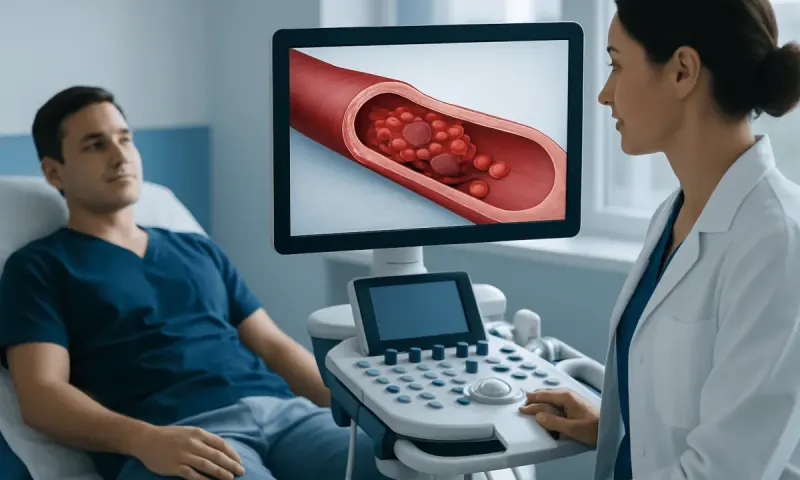
Hereditary Spherocytosis: When Splenectomy Is Considered

If you or your child has been told that red blood cells are breaking down too quickly, the first question is usually: does this mean surgery? Often, it doesn’t. Hereditary spherocytosis treatment is individualized according to anemia severity, symptoms, complications and age. Many people need only regular monitoring. Those with substantial hemolysis or spleen-related complications may benefit from splenectomy, after careful specialist assessment.
Hereditary Spherocytosis Treatment: How It Works
Hereditary spherocytosis treatment aims to reduce the effects of ongoing red blood cell breakdown, known as hemolysis, and to prevent or manage complications. The condition occurs when inherited changes affect proteins in the red blood cell membrane. Instead of being flexible, disc-shaped cells, the red cells become more spherical and are removed earlier than usual by the spleen.
Not everyone needs an intervention. If your anemia is mild and you have few symptoms, periodic blood tests and clinical review may be all that is needed. When anemia, jaundice, fatigue, gallstones, growth concerns in children, or an enlarged spleen significantly affect health or daily life, treatment may be considered.
The main definitive treatment for clinically significant hemolysis is removal of all or part of the spleen, called splenectomy. Because the spleen is the main site where these fragile cells are removed, surgery can substantially improve anemia and lower bilirubin levels. It does not correct the inherited red blood cell membrane change, so long-term medical follow-up remains important.
Assessment, Candidacy and Treatment Planning
A hematologist usually confirms hereditary spherocytosis using a combination of medical history, family history, examination and blood testing. Common tests include a complete blood count, reticulocyte count, bilirubin level, blood smear and specialized red cell membrane testing. Genetic testing may be useful in uncertain or complex cases.
Treatment decisions come down to you as a person, not to one number on a lab report. Factors include the degree of anemia, frequency of hemolytic episodes, need for transfusion, jaundice, symptoms from spleen enlargement, gallstones and the effect on school, work or everyday activities. In children, clinicians also consider growth and development.
Splenectomy is generally reserved for moderate to severe disease or meaningful complications. It is not routinely recommended for mild hereditary spherocytosis. Doctors often try to delay full splenectomy in young children when possible, because the risk of severe infection after surgery is highest in early childhood. Partial splenectomy may be considered for selected children, although residual spleen tissue can continue to remove red cells and symptoms may return over time.
- Supportive care: monitoring, managing symptoms and folate supplementation when advised.
- Transfusion: occasionally needed for severe anemia, acute illness or an aplastic crisis.
- Gallbladder surgery: may be recommended for symptomatic pigment gallstones.
- Splenectomy: may be considered when benefits are likely to outweigh lifelong infection and clotting risks.
What Happens During Splenectomy?

Before a planned splenectomy, the care team reviews blood results, imaging when needed, current medicines and infection-prevention measures. Vaccinations against organisms that can cause serious infection after spleen removal are an essential part of preparation. The timing of vaccines and any preventive antibiotics should be discussed with the surgical and hematology teams.
Most splenectomies are performed under general anesthesia using minimally invasive, laparoscopic techniques. The surgeon makes several small abdominal incisions, inserts a camera and instruments, carefully separates the spleen from surrounding tissues and removes it. Open surgery may be necessary in some circumstances, such as a very large spleen or certain surgical considerations.
The procedure itself commonly takes a few hours, although timing varies. If symptomatic gallstones are present, the surgeon may discuss removing the gallbladder during the same operation. This decision depends on imaging, symptoms and the individual’s overall surgical plan.
After surgery, the blood count usually rises as fewer red cells are removed from circulation. Your team will also keep an eye on your platelet count, since platelets can rise after splenectomy and add to clotting risk in some people.
Recovery, Benefits and Risks of Treatment
Recovery after laparoscopic splenectomy often involves a hospital stay of several days, followed by gradual recovery at home over the following weeks. The exact timeline depends on age, surgical approach, whether other procedures were performed and the person’s health before surgery. Follow-up appointments include wound checks, blood tests and review of vaccination and infection-prevention plans.
The potential benefits of splenectomy include improved hemoglobin levels, less jaundice, reduced fatigue related to anemia and fewer hemolytic episodes. For people whose symptoms are driven by substantial splenic destruction of red cells, these improvements can be long-lasting. Surgery may also reduce the need for transfusions in those who had required them.
As with any operation, there are risks: bleeding, injury to nearby organs, pain, anesthesia-related complications and wound infection. The most important longer-term concern is an increased susceptibility to severe infections caused by certain bacteria. A small number of people may also have an increased risk of blood clots, particularly shortly after surgery.
After spleen removal, prompt evaluation for fever is essential. Patients should carry or wear medical information indicating that they do not have a functioning spleen, keep recommended immunizations up to date and follow their clinician’s instructions about preventive antibiotics, travel precautions and emergency care. These measures are central to safe long-term results.
Monitoring, Prevention and Everyday Self-Care
Regular follow-up helps identify changes in anemia and complications early. Depending on severity, clinicians may monitor hemoglobin, reticulocytes, bilirubin and markers of iron status. People who receive repeated transfusions need assessment for iron overload, because excess iron can gradually affect organs if it is not recognized and managed.
Folate is needed for red blood cell production. A clinician may recommend folic acid supplementation, especially for people with moderate or severe ongoing hemolysis, pregnancy or periods of increased red blood cell production. Iron supplements should not be taken unless blood testing confirms iron deficiency, as anemia in hereditary spherocytosis is not automatically caused by low iron.
Staying well hydrated during illness, maintaining routine vaccinations and seeking medical advice promptly for infection symptoms can support overall health. Families should ask their clinician how to respond if a child develops marked tiredness, paleness or worsening jaundice during a viral illness, as these may sometimes signal a hemolytic or aplastic crisis.
At Acıbadem Health Point, hematology, pediatric and surgical specialists work together in JCI-accredited hospitals to assess hereditary spherocytosis and talk through the treatment options that suit you, wherever you are travelling from.
When to Seek Medical Care
Medical review should be arranged for persistent fatigue, shortness of breath with usual activity, worsening pallor, yellowing of the eyes or skin, abdominal fullness, or recurrent abdominal pain that could suggest gallstones. A doctor should also evaluate suspected hereditary spherocytosis in a person with a family history of the condition or unexplained hemolytic anemia.
Urgent medical care is appropriate for fever after splenectomy, particularly if it occurs suddenly or is accompanied by chills, feeling very unwell, confusion, breathing difficulty or a rapidly spreading rash. People without a spleen can become seriously unwell from infection more quickly than others, so they should not wait to see whether fever settles on its own.
Rapid assessment is also important for severe weakness, fainting, chest pain, dark urine, severe abdominal pain, repeated vomiting or a sudden major increase in jaundice. These symptoms do not always mean something serious is happening, but they should be checked without delay.
How Serious Is Hereditary Spherocytosis?
Hereditary spherocytosis ranges from very mild to severe. Some people have few symptoms and learn they have the condition only after routine blood testing or family screening. Others have chronic anemia, jaundice, enlarged spleen, gallstones or intermittent episodes of more pronounced red blood cell breakdown.
Severity depends partly on the underlying genetic change and the degree of red cell membrane instability. Severe illness is less common, but significant anemia, infection-related crises and complications after splenectomy require careful medical management. Regular hematology follow-up allows treatment to be tailored as needs change over time.
What Is the Life Expectancy of Someone With Hereditary Spherocytosis?
Most people with mild or moderate hereditary spherocytosis who receive appropriate care have a normal or near-normal life expectancy. Individual outlook depends on disease severity, access to monitoring, complications such as gallstones or iron overload, and whether splenectomy is needed.
For people who have splenectomy, long-term outcomes can be very good when infection prevention is followed carefully. Lifelong vaccination planning, prompt treatment of fever and personalized advice about antibiotics and clot prevention are important parts of maintaining health after surgery.
Can I Donate Blood If I Have Spherocytosis?
In many settings, people with hereditary spherocytosis are not eligible to donate blood because the condition can cause chronic hemolytic anemia and the red cells may have reduced survival. Blood donation services use their own eligibility standards, and rules can vary by country and by the person’s hemoglobin level and treatment history.
Anyone considering donation should contact the local blood donation organization and discuss their diagnosis with their hematologist. A person should never donate blood if doing so could worsen anemia, fatigue or other symptoms.
What Four Main Complications Can Occur in Patients With Hereditary Spherocytosis?
Four important complications are pigment gallstones, hemolytic crises, aplastic crises and iron overload. Gallstones can develop because chronic red blood cell breakdown increases bilirubin in bile. They may cause abdominal pain, nausea or inflammation of the gallbladder or bile ducts.
A hemolytic crisis is a period of increased red blood cell destruction, often triggered by infection, that can worsen anemia and jaundice. An aplastic crisis is less common but can be more urgent: bone marrow temporarily slows red cell production, sometimes after parvovirus B19 infection, causing a rapid fall in hemoglobin. Iron overload may occur in people who have needed repeated transfusions, and it requires monitoring because it can harm organs over time.
Other possible concerns include spleen enlargement, reduced folate stores and infection or blood-clot risk after splenectomy. Not every person develops these complications, and preventive care plus regular follow-up can reduce their impact.
Frequently asked questions
01Is hereditary spherocytosis curable?
The inherited red blood cell membrane change cannot currently be reversed. Splenectomy can greatly reduce hemolysis and improve anemia, but it does not remove the underlying genetic cause. Many people manage the condition successfully with monitoring and individualized care.
02Does everyone with hereditary spherocytosis need spleen removal?
No. People with mild disease often do not need splenectomy. Surgery is considered when anemia, symptoms or complications are significant enough that the expected benefits outweigh the risks.
03Can hereditary spherocytosis get worse with an infection?
Yes. Some infections can increase red blood cell breakdown and lead to more jaundice or anemia. Certain viral infections can temporarily reduce red blood cell production, so sudden pallor, unusual tiredness or shortness of breath should be assessed promptly.
04Why are vaccines important after splenectomy?
The spleen helps the immune system clear certain bacteria from the bloodstream. After splenectomy, vaccines and, in some cases, preventive antibiotics reduce the risk of severe infection. The treating team provides an individualized vaccination schedule.
05Can hereditary spherocytosis cause gallstones?
Yes. Chronic breakdown of red blood cells can raise bilirubin in bile and lead to pigment gallstones. Symptoms such as repeated upper abdominal pain, particularly after meals, should be discussed with a doctor.
06Is hereditary spherocytosis inherited by children?
Hereditary spherocytosis is often inherited, but the pattern varies according to the gene involved. A parent with the condition may have a chance of passing it on, and genetic counseling can help families understand their individual situation.
This article is for general information only and is not a substitute for professional medical advice. Please consult a qualified doctor about your individual situation.
Explore treatments in Turkey — costs, top hospitals & a free quote
JCI-accredited · board-certified surgeons · reply within 24h
Add us as a Preferred Source to see more of our trusted health content across Google Search, AI Overviews and Discover.