The Fibula Stabilizes the Ankle and Is Prone to Fractures
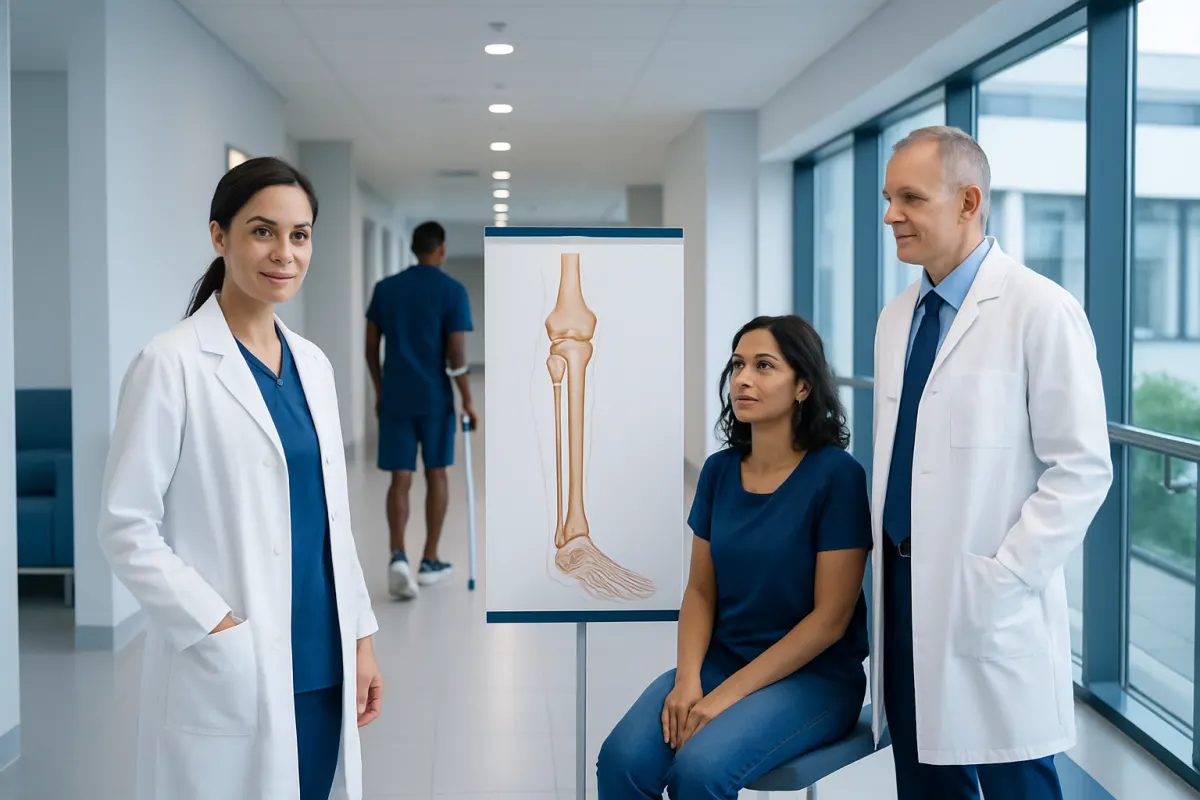
Have you ever felt pain on the outer side of your lower leg after a twist or a hard run and wondered what’s going on in there? Often, the answer involves the fibula — the smaller of the two bones in your lower leg. It helps stabilize your ankle, gives muscles a place to attach, and can be affected by fractures, stress injuries, and nearby ligament damage that may need medical evaluation.
Overview: what the fibula is and why it matters
The fibula is the slender bone on the outer side of your lower leg, sitting next to the tibia — the larger shin bone. What does it actually do? In short: it helps stabilize your ankle and lower leg, gives muscles and ligaments places to attach, and supports normal walking and balance.
Yes, the fibula carries less body weight than the tibia — but don’t let that fool you. Its lower end forms part of the ankle joint, so an injury here can affect both how your leg works and how stable your ankle feels. And a problem in this area may involve not just the bone itself, but the surrounding ligaments, tendons, and soft tissues too.
Most people first hear about the fibula after an ankle injury, a sports accident, or a fracture. But fibula pain can also come from overuse, stress fractures, tendon strain, or conditions affecting the nearby joints. Knowing what this bone does can help you spot symptoms early and get the right care.
Where the fibula is located and how it works
The fibula extends from just below the knee to the ankle along the outside of the leg. Its upper end is called the fibular head, and its lower end is known as the lateral malleolus, the bony prominence on the outer side of the ankle. This lower part is especially important because it helps keep the ankle joint stable.
The fibula works together with the tibia through strong connective tissues, including the interosseous membrane and the ligaments near the ankle. Several muscles that move the foot and toes attach to the fibula. Because of these connections, an injury to the fibula may also affect walking, balance, and the ability to turn the foot inward or outward.
In some injuries, the fibula is damaged together with the ankle ligaments or the tibia. For example, a high ankle sprain may involve the tissues between the tibia and fibula, and a more complex lower-leg injury can affect alignment. This is why a clinician may evaluate the whole lower leg and ankle rather than focusing on one painful spot alone.
Common fibula problems and symptoms

The most common fibula problems are fractures, stress fractures, bruising after trauma, and pain related to ankle injuries. A fibula fracture may happen after a fall, a twist, a direct blow, or a sports collision. Stress fractures usually develop gradually from repeated impact, often in runners or people who suddenly increase training intensity.
Symptoms depend on the cause, but many patients notice pain on the outer side of the lower leg or ankle, swelling, tenderness, and difficulty putting weight on the leg. There may also be bruising, a feeling of instability, or pain that worsens with activity. In stress injuries, the discomfort often starts as mild pain during exercise and becomes more persistent over time.
Some warning signs suggest a more significant injury. These include a visible deformity, a snapping sensation at the time of injury, inability to walk, numbness, or severe swelling. Because ankle injuries and fibula injuries can overlap, what seems like a simple sprain may sometimes involve a fracture or associated ligament damage such as an ankle sprain with instability.
- Outer leg or ankle pain
- Swelling or bruising
- Tenderness when touched
- Pain with walking or standing
- Reduced ankle motion or instability
- Pain that worsens with exercise and improves with rest in stress injuries
Causes and risk factors
Fibula injuries can happen suddenly or develop slowly. Acute causes include falls, twisting injuries, road traffic accidents, sports trauma, and direct blows to the leg. In many cases, the fibula is injured during an ankle twist because the forces that affect the ankle can also stress the lower end of the bone.
Overuse is another common cause. Repeated running, jumping, dancing, or military-style training can place stress on the lower leg over time. If the bone is not given enough time to recover, a stress reaction may progress to a stress fracture. Training errors, a rapid increase in activity, poor footwear, and hard surfaces can add to this risk.
Some patients are more likely to develop fibula problems than others. Risk factors include low bone density, older age, previous fractures, vitamin D deficiency, nutritional issues, certain hormonal conditions, and poor muscle conditioning. Biomechanical issues such as flat feet, ankle instability, or an altered gait can also increase strain on the lower leg. In athletes or active adults, associated injuries may involve the knee or ankle and require evaluation by orthopedic specialists.
How doctors diagnose fibula injuries
Diagnosis begins with a detailed medical history and physical examination. A doctor will ask how the pain started, whether there was a twist or fall, and whether the patient can walk or bear weight. The exam usually checks for swelling, bruising, tenderness, deformity, ankle stability, nerve function, circulation, and range of motion in the knee and ankle.
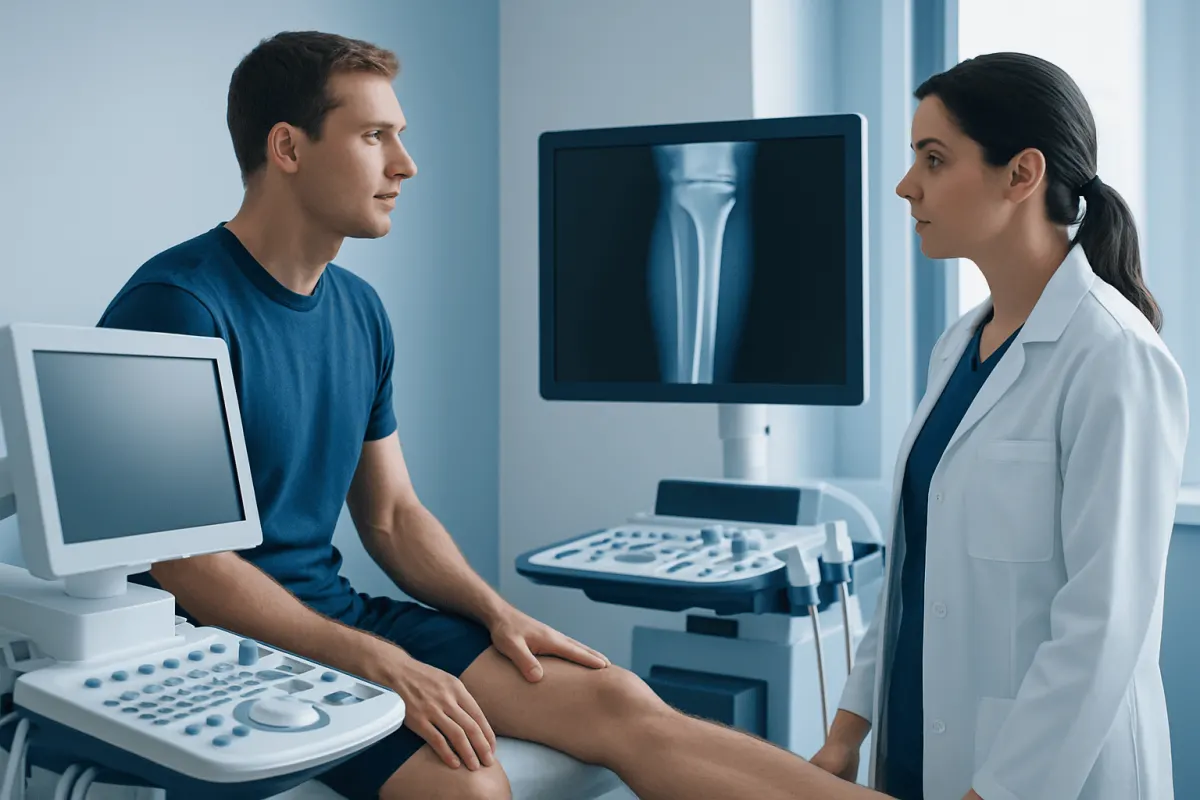
X-rays are often the first imaging test used when a fracture is suspected. They can show many breaks, displacement, and joint involvement. If the injury is complex, if a stress fracture is suspected but not visible on X-ray, or if soft tissues also need assessment, MRI or CT may be recommended. Ultrasound can sometimes help evaluate nearby tendons and ligaments.
Because lower-leg pain can have different causes, doctors may also consider related conditions. These can include tendon injuries, ligament tears, shin splints, compartment syndrome, or referred pain from the knee or ankle. In selected cases, advanced assessment with MRI helps clarify whether symptoms come from bone, cartilage, ligaments, or other soft tissues.
Treatment options and recovery
Treatment depends on the type of fibula injury, its location, whether the bones are aligned, and whether the ankle joint is stable. Mild injuries may improve with rest, ice, elevation, activity modification, and temporary support such as a brace or walking boot. Doctors may also recommend pain relief measures and a gradual return to activity once healing has started.
Stable, nondisplaced fractures are often treated without surgery. This may include immobilization, protected weight-bearing, and repeat imaging to confirm healing. Stress fractures are usually managed by reducing impact activity, correcting training errors, and addressing contributing factors such as footwear, nutrition, or bone health. Physical therapy is often helpful to restore strength, flexibility, and balance.
Surgery may be advised when a fracture is displaced, involves joint instability, occurs together with major ligament injury, or fails to heal properly. Operative care can involve fixation with plates, screws, or other techniques to restore alignment. Some patients also need structured physical therapy and rehabilitation after immobilization or surgery to regain safe movement and prevent stiffness.
How long does recovery take? It varies a lot. A minor injury may improve over weeks, while more complex fractures can take longer and require a staged rehabilitation plan. Stick to your doctor’s advice, don’t rush back to sports too soon, and keep your follow-up appointments — these things genuinely matter for proper healing.
Prevention and self-care
You can’t prevent every fibula injury, but good habits go a long way with overuse and sports-related problems. Build up your exercise intensity gradually so bone and soft tissue have time to adapt. Supportive footwear, training on appropriate surfaces, and paying attention to technique may lower your risk of stress injuries and ankle twists.
Strength and balance training are also important. Exercises that support the calf, ankle, hip, and core can improve stability and reduce uneven loading on the lower leg. For people who have had previous ankle injuries, guided rehabilitation may help lower the chance of repeat problems. Bone health matters too, especially in older adults and people at risk of osteoporosis.
At home, self-care after minor strains or while waiting for evaluation may include rest, ice, compression if advised, and elevation. However, self-care should not replace proper assessment when pain is significant or persistent. If symptoms continue, if walking remains difficult, or if there is concern about a fracture, professional evaluation is the safer choice. In more complex cases, doctors may coordinate imaging, rehabilitation, and, if needed, trauma and orthopedic care.
When to seek medical care
See a doctor if you have significant pain after a fall, twist, or direct blow to your leg or ankle. The same goes if you can’t put weight on the leg, if swelling and bruising keep getting worse, or if the pain has lasted more than a few days without improvement. Getting checked early helps tell a simple soft-tissue injury apart from a fracture or an unstable ankle problem.
Urgent attention is especially important if the leg looks deformed, the skin is broken, the foot feels numb or cold, or the pain is severe and out of proportion to the injury. These signs may suggest a more serious problem that needs prompt treatment. Persistent exercise-related pain should also be checked, since stress injuries can worsen if activity continues.
For international patients who need specialist evaluation, Acıbadem Health Point’s multidisciplinary teams in JCI-accredited hospitals diagnose and treat bone, joint, and sports-related injuries with imaging, orthopedic care, and rehabilitation planning tailored to the individual.
Frequently asked questions
01What is the fibula?
The fibula is the smaller bone of the lower leg. It runs along the outer side of the leg next to the tibia and helps support ankle stability, muscle attachment, and normal movement.
02Can a person walk with a fibula fracture?
Some people can still walk with certain stable fibula fractures, especially if the break is not displaced. However, walking on an injured leg can worsen pain or instability, so a medical assessment is important after a suspected fracture.
03Is fibula pain always a fracture?
No. Fibula pain can also come from overuse, tendon strain, ankle sprain, stress injury, bruising, or nearby joint problems. Imaging and examination help identify the actual cause.
04How long does a fibula injury take to heal?
Healing time depends on the type of injury, its severity, and the patient’s overall health. Minor injuries may improve within weeks, while more serious fractures or surgical cases can take longer and may need rehabilitation.
05Do all fibula fractures need surgery?
No. Many fibula fractures can be treated without surgery if the bone is well aligned and the ankle remains stable. Surgery is more likely when there is displacement, joint instability, or associated injuries.
06What is the difference between the tibia and fibula?
The tibia is the larger weight-bearing shin bone, while the fibula is the thinner outer bone of the lower leg. The fibula carries less weight but plays an important role in ankle stability and muscle attachment.
This article is for general information only and is not a substitute for professional medical advice. Please consult a qualified doctor about your individual situation.
Joint and spine care in Turkey — expert assessment & treatment
JCI-accredited · board-certified surgeons · reply within 24h
Add us as a Preferred Source to see more of our trusted health content across Google Search, AI Overviews and Discover.