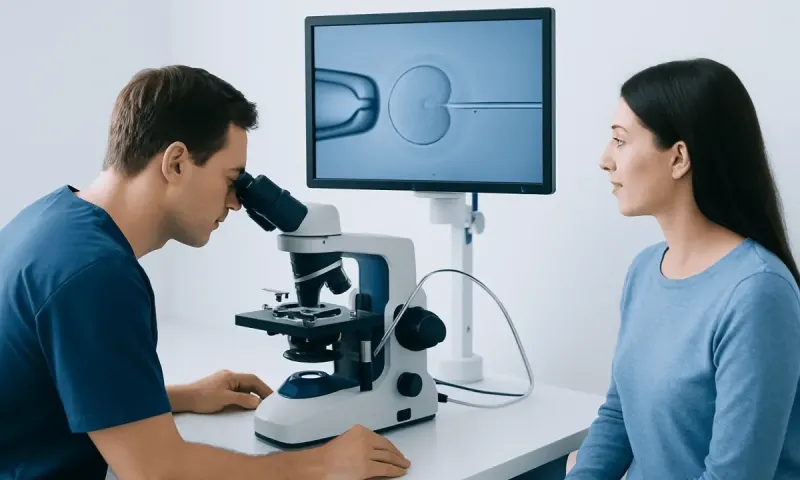
Fertility Test for Women: Tests, Timing and Results
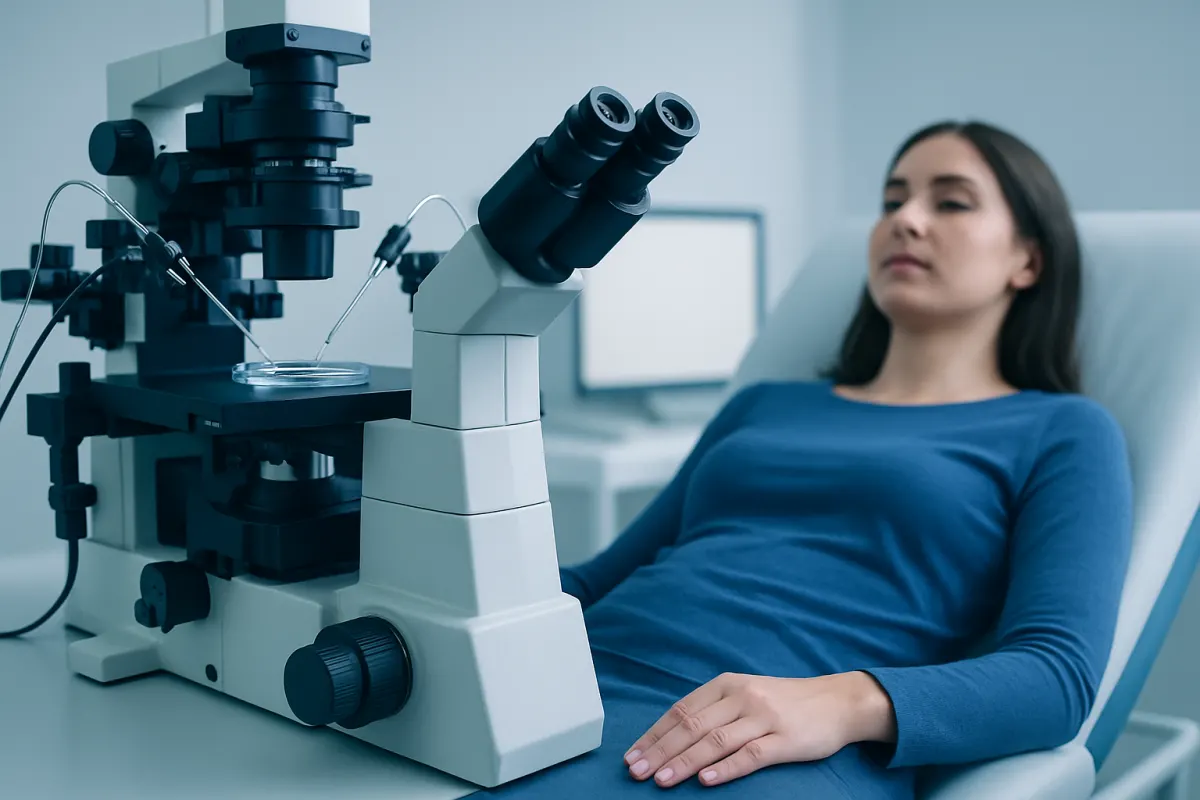
A fertility test for women is an individualized assessment that looks at ovulation, ovarian reserve, the uterus, fallopian tubes and health factors that may affect conception. Results can help a clinician identify possible causes of difficulty becoming pregnant, although no single test can predict pregnancy with complete certainty.
Fertility Test for Women: An Overview
A fertility test for women is a group of assessments used to understand factors that may affect the ability to become pregnant. It commonly includes a discussion of menstrual cycles and medical history, blood tests, a pelvic ultrasound, and, when appropriate, tests of the uterus and fallopian tubes. The exact plan depends on age, symptoms, previous pregnancies, medical conditions and how long the person has been trying to conceive.
Fertility is not determined by one laboratory result. A normal test result does not guarantee pregnancy, and an abnormal result does not always mean pregnancy is impossible. Instead, clinicians combine results with the person’s age, cycle pattern and reproductive history to decide whether treatment, monitoring or further evaluation may be helpful.
When a couple is trying to conceive, evaluation is most useful when both partners are assessed in parallel. A semen analysis may identify factors affecting the male partner, while female testing examines the reproductive and hormonal factors that can contribute to delayed conception.
What does a fertility test consist of for women?
A female fertility assessment begins with a detailed consultation. The clinician asks about menstrual timing and flow, pain, prior pregnancies, contraception, pelvic infections, surgery, sexually transmitted infections, medicines and family history. Conditions such as thyroid disease, diabetes, endometriosis and polycystic ovary syndrome can also influence reproductive health.
A physical and pelvic examination may be performed when indicated. Blood tests can check hormones related to ovulation and ovarian function, including thyroid and prolactin testing when symptoms or history suggest a need. Tests may be timed to a particular part of the menstrual cycle, because hormone levels naturally change throughout the month.
Pelvic ultrasound is commonly used to view the ovaries and uterus. It may identify fibroids, ovarian cysts, features of polycystic ovaries, or structural changes that deserve further assessment. The scan can also include an antral follicle count, which contributes to an estimate of ovarian reserve.
- Ovulation assessment: cycle history, progesterone testing at an appropriate time, ovulation predictor methods or ultrasound monitoring.
- Ovarian reserve assessment: anti-Müllerian hormone (AMH), antral follicle count and sometimes early-cycle follicle-stimulating hormone testing.
- Uterus and tube assessment: hysterosalpingography, saline infusion sonography, hysteroscopy or selected ultrasound-based procedures.
- Additional investigations: testing directed by symptoms, history or imaging findings.
How do females do a fertility test?
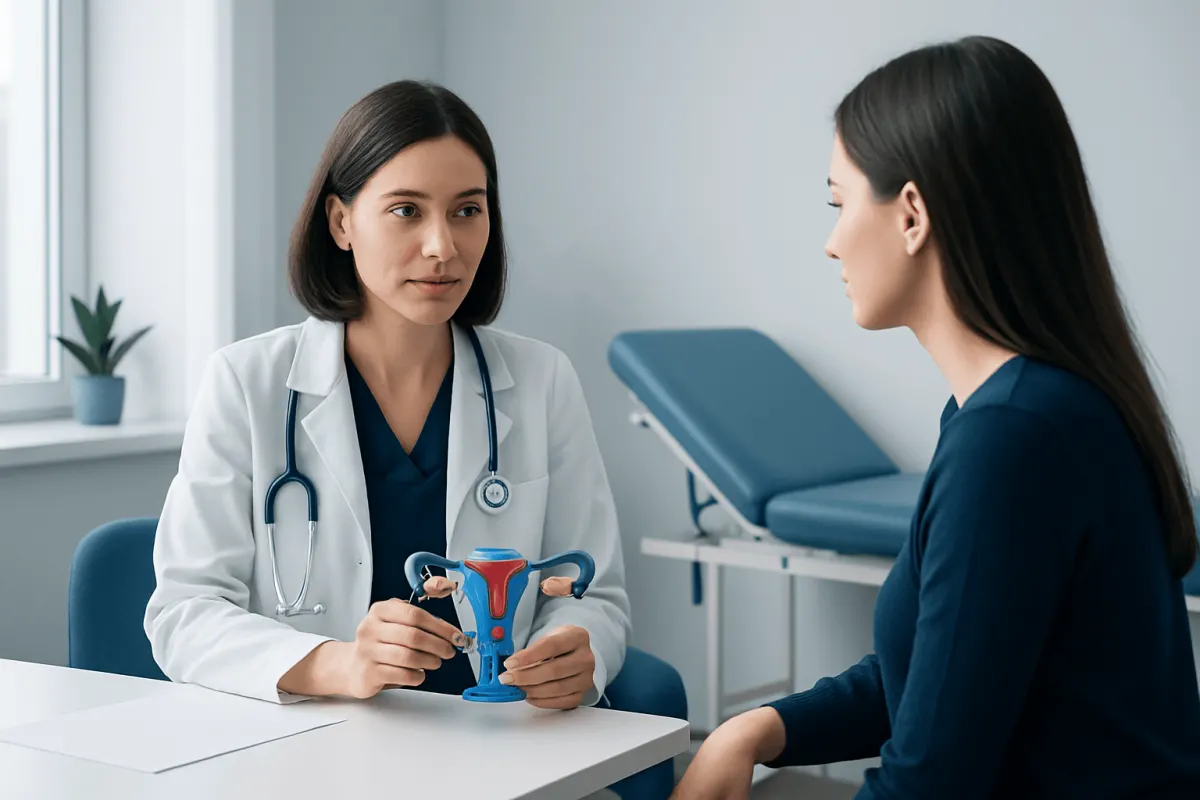
Women usually complete fertility testing through a gynecologist, reproductive endocrinologist or fertility clinic rather than with a single home test. The first visit often includes history-taking and a plan for tests that fit the menstrual cycle. Some blood samples are taken early in the cycle, while others are scheduled after suspected ovulation.
For a blood test, a healthcare professional draws a small sample from a vein. A transvaginal ultrasound uses a slim, covered probe placed gently in the vagina to obtain detailed images of the uterus and ovaries; it is generally brief and may cause mild discomfort but should not be painful. An abdominal ultrasound may also be used in some situations.
A common test of the fallopian tubes is hysterosalpingography (HSG), an X-ray procedure in which contrast material is placed through the cervix and images are taken to see whether it passes through the tubes. It is usually scheduled after menstrual bleeding has ended and before ovulation. Some people experience temporary cramping, and the care team will explain preparation, pain-relief options and any reasons the test should be postponed.
Home ovulation kits can detect a hormone surge associated with ovulation, but they are not complete fertility tests. They cannot confirm that the tubes are open, evaluate the uterine cavity, or reliably explain irregular ovulation in every situation.
Are fertility tests 100% accurate?
No fertility test is 100% accurate at predicting whether an individual will become pregnant. Tests provide useful information about specific parts of reproduction, but conception depends on many interacting factors, including age, ovulation, egg and sperm factors, fertilization, embryo development, tubal function and the uterine environment.
For example, AMH and antral follicle count are helpful measures of ovarian reserve. They are most useful for estimating how the ovaries may respond to stimulation during fertility treatment. They do not directly measure egg quality, determine the exact number of eggs remaining, or reliably predict the chance of natural conception in an individual woman.
Likewise, a test showing open fallopian tubes does not rule out every possible fertility factor, and a regular menstrual cycle does not prove that ovulation occurs in every cycle. Results should therefore be interpreted together, rather than in isolation. Sometimes no specific cause is found despite a thorough evaluation; this may be described as unexplained infertility.
Repeat testing or a different test may be recommended if results are unclear, a cycle was unusual, or symptoms change. A qualified clinician can explain what a result means for the individual situation and discuss sensible next steps.
How to prepare for fertility testing?
Preparation starts with collecting relevant health information. It can be helpful to bring records of menstrual dates, previous pregnancy or fertility treatment, operations, imaging, laboratory results and current medicines or supplements. Tracking cycles for several months, including bleeding, pain and ovulation-kit results if used, may provide useful context.
Before testing, patients should tell the clinician about possible pregnancy, allergies, bleeding disorders, pelvic infection symptoms and all medicines. Hormonal contraception, fertility medications and some supplements can affect the timing or interpretation of certain tests. Patients should not stop prescribed medicines without advice from the clinician managing their care.
Some procedures require specific scheduling. HSG is generally arranged after a period but before ovulation, and the clinic may ask for a pregnancy test or infection screening beforehand. The team will provide instructions about eating, drinking, pain relief, sexual activity and whether someone should accompany the patient, as these details vary by test and medical history.
Emotional preparation matters as well. Fertility testing can feel personal and uncertain, so it may help to prepare questions in advance and bring a partner or trusted person to the appointment. Asking when results will be available and how they will be reviewed can make the process more manageable.
Understanding Results and Possible Next Steps
Results may point to an ovulation concern, reduced ovarian reserve, tubal blockage, uterine changes, endometriosis-related findings or another health condition. In other cases, results may be reassuring and the clinician may recommend continued timed intercourse, lifestyle support or a review after a defined period. The appropriate next step depends on the complete picture, not one result alone.
Some underlying conditions can be treated before or alongside fertility care. For example, irregular ovulation related to polycystic ovary syndrome may be managed with lifestyle measures and medicines selected by a clinician. Fibroids, polyps, endometriosis or tubal problems may require additional imaging, medication, surgery or assisted reproductive techniques depending on their location and effect.
Fertility treatment may include medication to support ovulation, intrauterine insemination or in vitro fertilization (IVF) when clinically appropriate. Decisions should account for age, diagnosis, duration of infertility, partner testing, personal preferences and the benefits and limitations of each option.
Acıbadem Health Point’s multidisciplinary specialists and JCI-accredited hospitals assess and treat fertility concerns for international patients, with investigations tailored to the person’s history and clinical findings.
Supporting Reproductive Health
Healthy daily habits support general reproductive health, though they cannot correct every cause of infertility. A balanced eating pattern, regular physical activity, sufficient sleep and management of long-term conditions can be beneficial before and during attempts to conceive. People planning pregnancy are commonly advised to discuss folic acid supplementation and medication safety with a healthcare professional.
Avoiding smoking and recreational drugs is important, and alcohol intake should be discussed with a clinician when trying to conceive or pregnant. Maintaining a weight that is healthy for the individual may help ovulation in some people, but weight should be addressed sensitively and without delay to appropriate fertility evaluation when it is indicated.
Sexually transmitted infections can affect the reproductive tract, sometimes without obvious symptoms. Safer-sex practices, screening when recommended and prompt treatment can reduce the risk of complications. Severe menstrual pain, pain during sex or ongoing pelvic pain also deserve medical assessment rather than being managed alone.
When to Seek Medical Care
People younger than 35 are generally advised to seek fertility evaluation after 12 months of regular, unprotected sex without pregnancy. Those aged 35 or older should consider an evaluation after 6 months, while people over 40 may benefit from seeking advice sooner because fertility changes more rapidly with age.
Medical care should also be sought earlier for absent or very irregular periods, known ovulation problems, previous pelvic inflammatory disease, ectopic pregnancy, endometriosis, pelvic or abdominal surgery, recurrent pregnancy loss, cancer treatment history or a known male-factor concern. These situations do not mean pregnancy cannot occur, but earlier assessment may avoid unnecessary delay.
Urgent medical assessment is appropriate for severe pelvic or abdominal pain, fainting, heavy bleeding, fever with pelvic symptoms, or a positive pregnancy test accompanied by pain or bleeding. These symptoms may have causes unrelated to fertility, but they should be assessed promptly.
Frequently asked questions
01When should a woman have a fertility test?
A woman may consider testing after 12 months of trying to conceive without pregnancy if she is younger than 35. If she is 35 or older, assessment is commonly advised after 6 months; people over 40 or those with known reproductive concerns may benefit from earlier consultation.
02Can a blood test tell if a woman is fertile?
Blood tests can provide information about hormones, ovulation and ovarian reserve, but they cannot determine fertility on their own. A clinician interprets them with age, cycle history, ultrasound findings, tubal assessment and partner factors.
03Does AMH show egg quality?
No. AMH is mainly used as a marker of ovarian reserve and can help estimate response to ovarian stimulation in fertility treatment. It does not directly measure egg quality or guarantee the likelihood of natural pregnancy.
04Is a fertility test painful for women?
Many parts of the evaluation, including a consultation and blood tests, cause little or only brief discomfort. Transvaginal ultrasound is usually well tolerated, while tubal tests such as HSG may cause temporary cramping; the care team can discuss comfort measures in advance.
05Can a woman test fertility at home?
Home ovulation kits may help identify a hormone surge before ovulation, and some direct-to-consumer tests measure selected hormones. They do not replace a clinical fertility evaluation because they cannot assess the fallopian tubes, uterine cavity, many causes of ovulatory dysfunction or partner-related factors.
06Do regular periods mean a woman is fertile?
Regular periods often suggest that ovulation may be occurring, but they do not confirm fertility. Tubal, uterine, egg-related and partner-related factors can still affect the chance of pregnancy.
This article is for general information only and is not a substitute for professional medical advice. Please consult a qualified doctor about your individual situation.
IVF & fertility treatment in Turkey — success rates and costs
JCI-accredited · board-certified surgeons · reply within 24h
Add us as a Preferred Source to see more of our trusted health content across Google Search, AI Overviews and Discover.