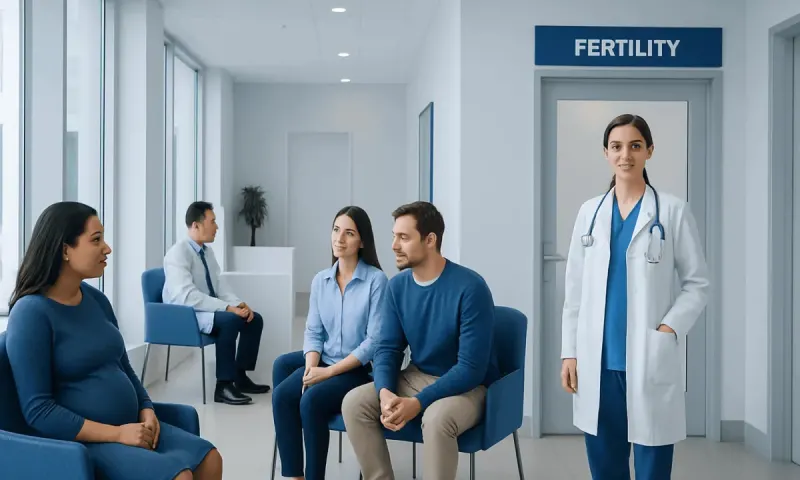
Fertility Cycle: Timing, Phases and Conception
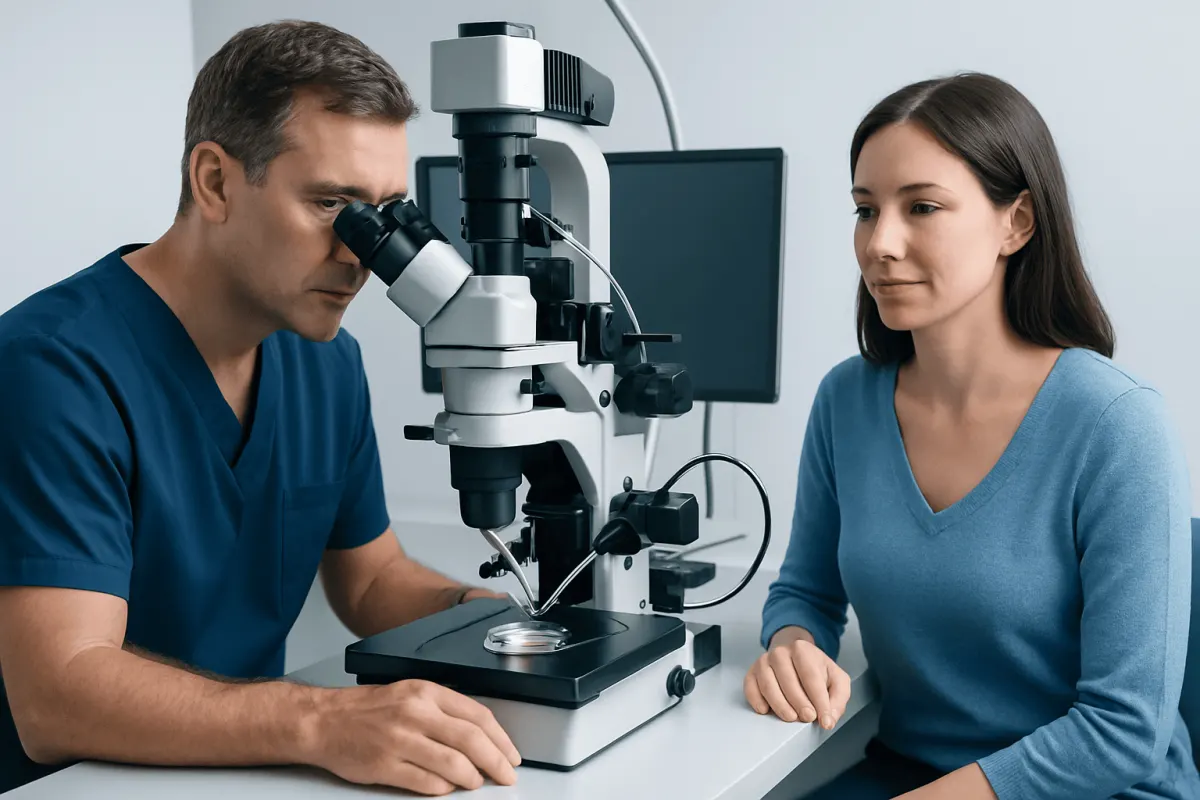
The fertility cycle is the repeating hormonal process in which an egg develops, ovulation may occur, and the uterus prepares for a possible pregnancy. Its timing differs between individuals and can vary from one month to another, so understanding patterns is more useful than relying on a single calendar date.
Fertility cycle explained: how the monthly process works
A fertility cycle is the monthly sequence of hormone changes that prepares the ovaries to release an egg and prepares the lining of the uterus for a possible pregnancy. The first day of menstrual bleeding is counted as day 1 of the cycle. If pregnancy does not occur, the uterine lining is shed during the next period and the cycle starts again.
Although a 28-day cycle is often used as an example, healthy cycles may be shorter or longer. The most important timing marker is not necessarily the middle of the cycle: ovulation commonly occurs around 12 to 16 days before the next menstrual period. This means that someone with a shorter or longer cycle may ovulate earlier or later than day 14.
The fertility cycle includes four connected stages: menstruation, the follicular phase, ovulation and the luteal phase. Hormones released by the brain and ovaries coordinate these stages. Variations can occur with stress, illness, travel, major weight changes, breastfeeding, some medications and life stages such as adolescence or perimenopause.
What is a fertility cycle?
The term fertility cycle refers to the part of the menstrual cycle that relates to egg development, egg release and the possibility of conception. In each cycle, several ovarian follicles begin developing. Usually, one becomes dominant and releases an egg at ovulation. The egg can be fertilized for a relatively short time after release.
For fertility cycle conception to occur, sperm must be present in the reproductive tract close to ovulation, an egg must be fertilized, and the resulting embryo must implant in the uterine lining. These steps depend on many factors, including ovulation, fallopian tube function, sperm health and the condition of the uterus.
A person can have periods without ovulating, and ovulation may sometimes occur without obvious symptoms. Therefore, menstrual bleeding alone does not prove that ovulation has occurred. Healthcare professionals may use a medical history, hormone testing, ultrasound or other assessments when there is a concern about ovulation or fertility.
Fertility cycle timeline: the four main phases

Menstruation begins when hormone levels fall and the uterine lining is shed. Bleeding commonly lasts a few days, though its duration and flow vary. Menstruation marks the beginning of a new cycle, not the end of the previous fertile window.
The follicular phase starts on the first day of the period and continues until ovulation. Follicle-stimulating hormone supports follicle development in the ovaries, while rising estrogen helps rebuild the uterine lining. The length of this phase is a major reason that total cycle length differs from person to person.
Ovulation occurs when a rise in luteinizing hormone triggers release of an egg from the ovary. This may be accompanied by clearer, slippery cervical mucus, mild one-sided pelvic discomfort or increased sexual desire, but many people notice no reliable sign. The luteal phase follows ovulation, when progesterone supports the uterine lining. If implantation does not occur, hormone levels fall and a period begins.
- Egg survival after ovulation is generally about 12 to 24 hours.
- Sperm may remain capable of fertilization for up to about five days when cervical mucus is favorable.
- The fertile window is therefore usually the five days before ovulation, the day of ovulation and, less commonly, the day after.
How many days after your period are you fertile?
There is no single number of days after a period when everyone becomes fertile. Fertile days depend mainly on when ovulation occurs, which is related to the expected next period rather than the date bleeding ends. In a regular 28-day cycle, ovulation may occur near day 14, so the fertile window may begin around day 9. However, this pattern should not be assumed for every person.
For example, a person with a 24-day cycle may ovulate earlier, while someone with a 35-day cycle may ovulate later. Cycle timing can also shift from month to month. People trying to conceive may have intercourse every one to two days during the estimated fertile window, rather than aiming for one exact day.
Calendar methods, cervical mucus observations, ovulation predictor kits and basal body temperature tracking can provide useful information. Ovulation tests detect the hormone surge that commonly happens before ovulation, while basal body temperature usually rises after ovulation has occurred. These methods are estimates and may be less dependable with irregular cycles or certain hormonal conditions.
Am I fertile 2–3 days before my period?
In a typical cycle, fertility is usually low two to three days before an expected period because ovulation has generally happened about two weeks earlier and the egg is no longer available for fertilization. However, it is not possible to rule out pregnancy based on timing alone, especially if periods are irregular or the date of the next period is uncertain.
Unexpected bleeding may not always be a true menstrual period. Spotting can occur for different reasons, including hormonal changes, ovulation, early pregnancy or conditions affecting the cervix or uterus. A person who has had unprotected sex and is concerned about pregnancy should consider a home pregnancy test at the appropriate time or seek advice from a healthcare professional.
Tracking the cycle can be helpful for those planning pregnancy, but it should not be relied on as the only method of contraception. Ovulation can occur earlier or later than expected, and sperm can survive for several days. Effective contraceptive options can be discussed with a clinician.
How do I feel in the luteal phase?
The luteal phase begins after ovulation and lasts until the next period. Progesterone is the predominant hormone during this time. Some people feel no noticeable change, while others experience premenstrual symptoms such as breast tenderness, bloating, fatigue, changes in appetite, mild acne, headaches, irritability or lower mood.
These symptoms can overlap with early pregnancy symptoms and are not a dependable way to tell whether conception has occurred. A missed period and a correctly timed pregnancy test are more informative. Symptoms that are severe, consistently interfere with daily life or are accompanied by marked mood changes deserve medical assessment.
Gentle exercise, regular meals, adequate sleep, hydration and stress-management practices may ease mild premenstrual symptoms for some people. A clinician can recommend further options when symptoms are persistent or suggest premenstrual dysphoric disorder, endometriosis, thyroid disease or another condition.
Supporting reproductive health and planning conception
People who are planning pregnancy can support general reproductive health by avoiding smoking and recreational drugs, limiting alcohol, maintaining a balanced diet, staying physically active and managing long-term health conditions with medical guidance. A preconception appointment is useful for reviewing medications, vaccinations, personal and family history, and the use of folic acid before pregnancy.
Tracking cycles can identify broad patterns, including changes in bleeding, pain and probable ovulation. It is useful to record the first day of each period and any relevant symptoms over several months. This information can help a clinician assess concerns such as irregular cycles, very heavy bleeding or suspected ovulatory difficulties.
Questions about fertility cycle cost are best addressed after an individual evaluation, because costs vary according to the tests, monitoring and treatments that may be appropriate. Initial fertility assessments may involve both partners when applicable, as conception depends on factors affecting eggs, sperm, reproductive anatomy and overall health.
Acıbadem Health Point’s multidisciplinary specialists at JCI-accredited hospitals assess reproductive health concerns and discuss appropriate diagnostic and treatment options for international patients.
When to seek medical care
A healthcare professional can help when periods are absent, very irregular, unusually heavy, very painful or associated with bleeding between periods. Prompt assessment is also appropriate for sudden severe pelvic pain, fainting, fever, a positive pregnancy test with pain or bleeding, or symptoms that feel urgent or unusual.
People under 35 may wish to seek a fertility evaluation after 12 months of regular unprotected intercourse without pregnancy. Those aged 35 or older are often advised to speak with a clinician after 6 months, and earlier assessment may be appropriate with known reproductive health conditions, previous pelvic surgery, prior cancer treatment, recurrent pregnancy loss or concerns about sperm health.
A clinician may review cycle history, perform an examination when needed, and arrange blood tests, ultrasound or semen analysis. The goal is to identify treatable factors and provide clear, individualized guidance rather than to make assumptions from cycle timing alone.
Frequently asked questions
01Can you get pregnant right after your period?
Pregnancy is possible soon after a period, particularly in people with short cycles or early ovulation. Because sperm can survive for several days, intercourse shortly after bleeding ends may overlap with the fertile window. Calendar timing alone cannot reliably exclude pregnancy.
02Is ovulation always on day 14?
No. Day 14 is an estimate based on a 28-day cycle and is not a universal ovulation date. Ovulation more often occurs about 12 to 16 days before the next period, so it may happen earlier or later depending on cycle length.
03Can regular periods mean that fertility is normal?
Regular periods often suggest that ovulation may be occurring, but they do not confirm that every aspect of fertility is normal. Fertility also depends on egg quality, sperm factors, the fallopian tubes, the uterus and other health considerations. A clinician can assess concerns when pregnancy does not occur as expected.
04What are common signs of ovulation?
Some people notice clear, stretchy cervical mucus, mild pelvic discomfort, increased libido or a positive ovulation predictor test. Others have no noticeable symptoms. These signs can help estimate timing but do not confirm ovulation with certainty.
05How long does the fertile window last?
The fertile window is generally about six days: the five days before ovulation and the day of ovulation. This is because sperm may survive for several days, while an egg is usually viable for only about 12 to 24 hours after release. Timing can vary between cycles.
06When should someone take a pregnancy test after ovulation?
A home pregnancy test is generally most reliable from the first day of a missed period, although some tests may detect pregnancy earlier. Testing too soon can produce a negative result even if pregnancy has occurred. If a test is negative but the period does not begin, repeating the test or speaking with a clinician is reasonable.
This article is for general information only and is not a substitute for professional medical advice. Please consult a qualified doctor about your individual situation.
Hair transplant in Turkey — costs, graft counts & a free assessment
JCI-accredited · board-certified surgeons · reply within 24h
Add us as a Preferred Source to see more of our trusted health content across Google Search, AI Overviews and Discover.