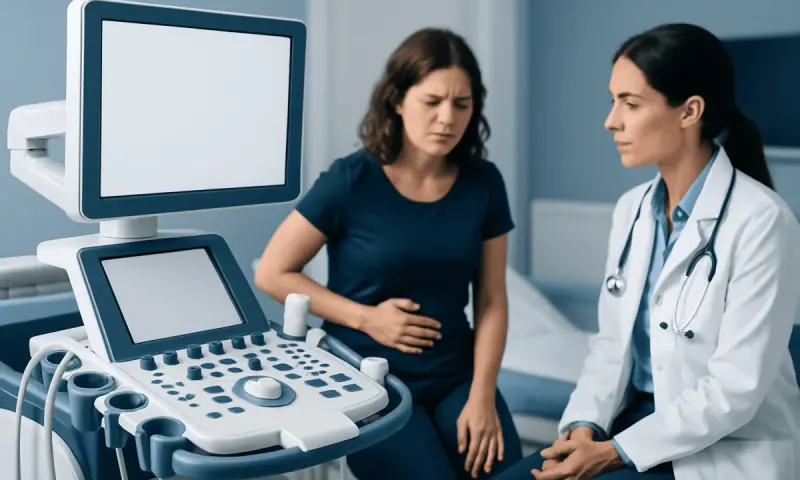
Female Infertility Testing Before IVF: Key Assessment Areas
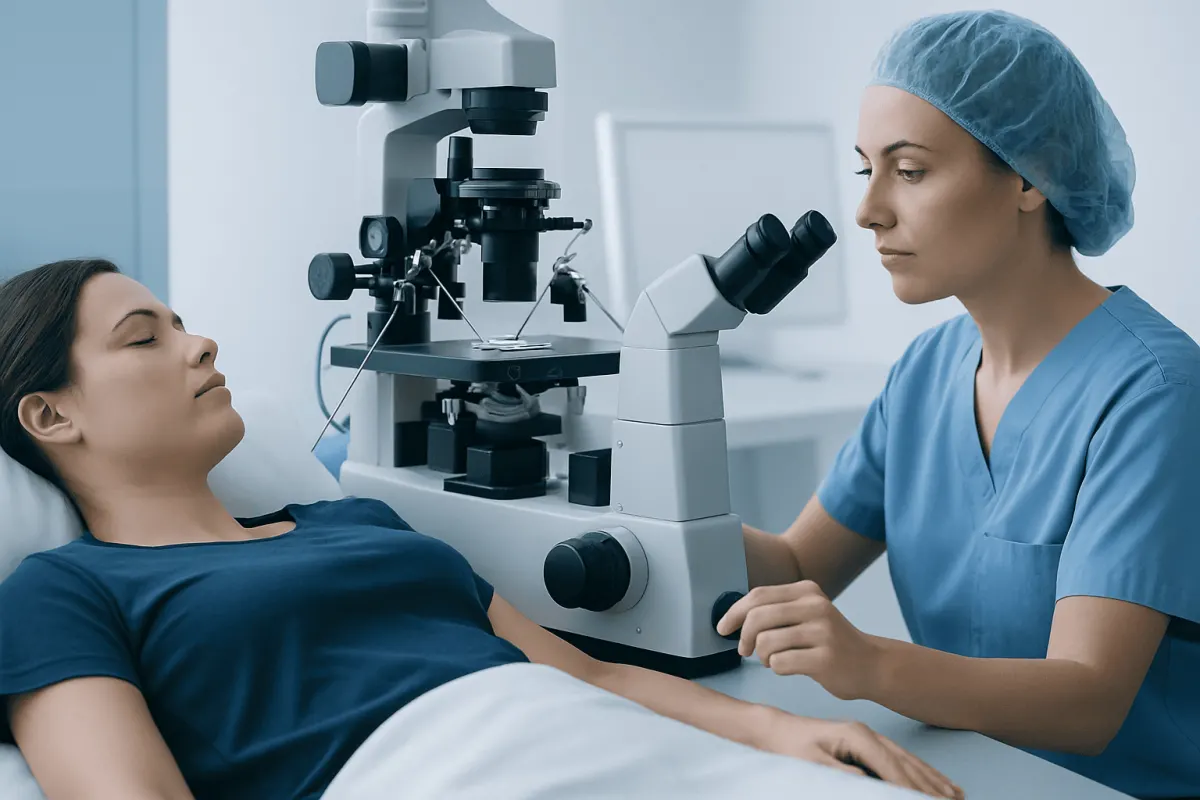
Female infertility testing before IVF helps a fertility team understand egg supply, ovulation, the uterus, fallopian tubes and health factors that may affect treatment. No single result determines the chance of pregnancy; clinicians interpret findings together with age, medical history and semen testing when relevant.
Overview: Why Testing Is Done Before IVF
In vitro fertilization (IVF) is a treatment in which eggs are collected from the ovaries, fertilized with sperm in a laboratory and an embryo may later be transferred to the uterus. Before starting treatment, clinicians perform a fertility assessment to identify factors that could influence the IVF plan, response to fertility medicines and preparation for pregnancy.
Female infertility testing before IVF does not usually provide one simple pass-or-fail answer. Results are most useful when considered together. Age, menstrual pattern, prior pregnancies, medical and surgical history, ultrasound findings, laboratory tests and sperm assessment can each add important information.
Testing can also reveal concerns that may be better addressed before an IVF cycle, such as an untreated thyroid disorder, a uterine polyp, hydrosalpinx, significant fibroids or uncontrolled chronic illness. In some situations, IVF is not the first or only option, and the evaluation helps ensure that recommendations fit the individual circumstances.
The Results That Usually Matter Most
The most influential pre-IVF findings generally relate to ovarian reserve, ovulation, uterine health and the presence of tubal disease. However, their meaning differs from person to person. For example, a low ovarian reserve result may suggest fewer eggs are likely to be retrieved with stimulation, but it does not by itself mean pregnancy is impossible.
Age remains one of the strongest predictors of egg quality and chromosome-related embryo changes. Ovarian reserve tests mostly estimate the likely number of eggs or follicles that may respond to medication; they do not directly measure egg quality, natural fertility or the chance of live birth in an individual cycle.
Equally important is whether the uterus is suitable for embryo implantation and pregnancy. The team also considers conditions that affect ovulation, including polycystic ovary syndrome, thyroid disease and elevated prolactin. Where there is a partner providing sperm, semen analysis is essential because fertility concerns may be male-related, female-related, combined or unexplained.
- Ovarian reserve: helps plan medication and estimate expected ovarian response.
- Uterine cavity: identifies findings that may need treatment before embryo transfer.
- Tubal findings: can be especially relevant if fluid-filled tubes are present.
- Ovulatory and general health factors: support safe, effective treatment planning.
Ovarian Reserve and Ovulation Tests
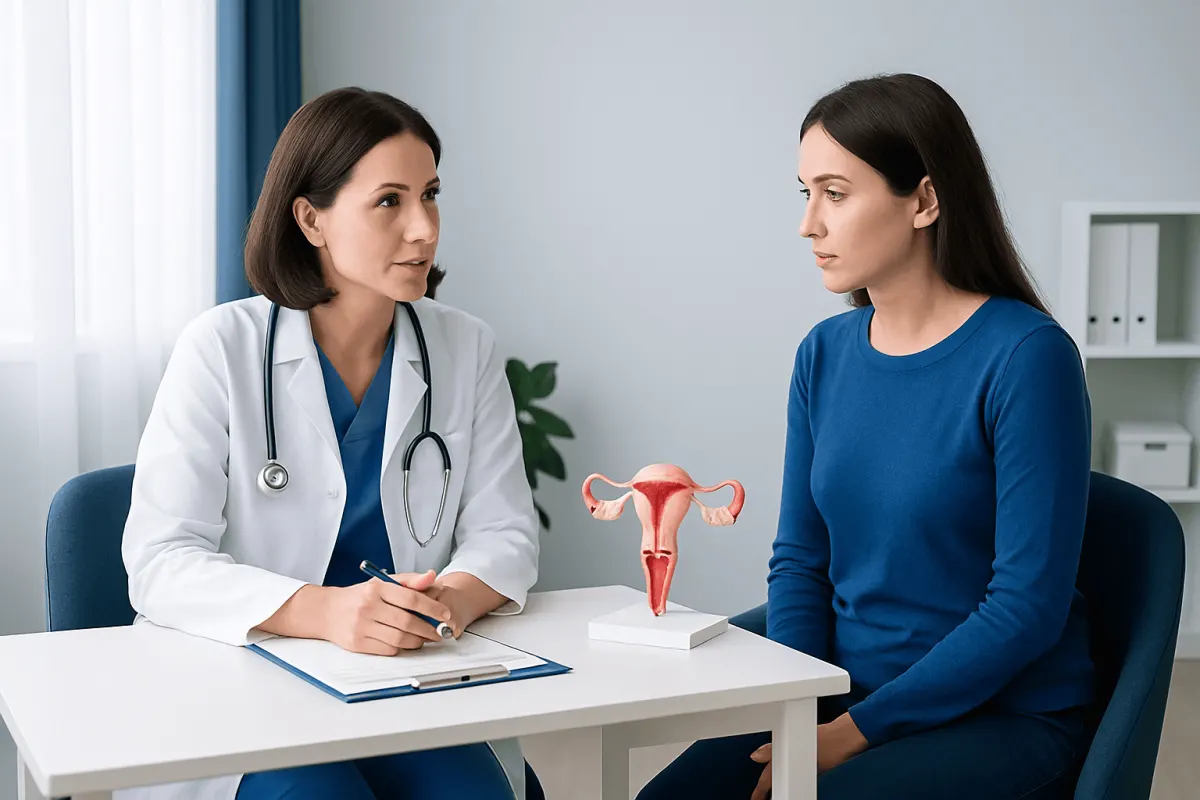
Anti-Müllerian hormone (AMH) is a blood test commonly used to estimate ovarian reserve. AMH is produced by small follicles in the ovaries, and its level helps clinicians anticipate how the ovaries may respond to IVF stimulation. AMH can usually be measured at different points in the menstrual cycle, although laboratories use their own reference ranges and results should not be compared casually across different tests or clinics.
An antral follicle count (AFC) is measured with a transvaginal ultrasound, often early in the cycle. The clinician counts small, resting follicles visible in the ovaries. AFC and AMH often provide complementary information and can help guide the selection and monitoring of fertility medication. They are not tests of the quality of eggs or embryos.
Early-cycle blood tests may include follicle-stimulating hormone (FSH) and estradiol. These can offer additional context, particularly when interpreted together and in relation to cycle timing. If periods are irregular or absent, testing may also include luteinizing hormone, progesterone at an appropriately timed point in the cycle, and further assessment for ovulatory disorders.
A higher or lower value is not automatically good or bad. Very high ovarian reserve markers may occur in people with polycystic ovary syndrome, who may need carefully tailored medication because of a higher likelihood of an excessive ovarian response. Low markers may lead to discussion of expected egg yield, treatment timing and available options, while still recognizing that outcomes vary.
Ultrasound, Uterine Cavity and Tubal Evaluation
Transvaginal pelvic ultrasound is a routine and highly informative part of pre-IVF testing. It assesses ovarian appearance and follicle count while also examining the uterus. It may identify fibroids, ovarian cysts, adenomyosis, possible endometriosis-related findings, uterine shape differences or signs that fluid is collecting in a fallopian tube.
Not every ultrasound finding affects IVF in the same way. Small fibroids located away from the uterine cavity may not require treatment, whereas a fibroid or polyp that changes the shape of the cavity may need further evaluation. A saline infusion sonogram, hysteroscopy or other imaging may be recommended when the cavity needs a closer look. Hysteroscopy allows a clinician to view the inside of the uterus directly and, in selected cases, treat a polyp or other abnormality.
Tests of tubal patency, such as hysterosalpingography, may be performed before IVF when clinically appropriate. Since IVF bypasses the fallopian tubes, blocked tubes alone do not always alter the treatment approach. However, a hydrosalpinx, meaning a fluid-filled damaged tube, can reduce the chance of implantation and may require management before embryo transfer.
People with pelvic pain, prior pelvic infection, endometriosis, ectopic pregnancy or pelvic surgery may need more individualized evaluation. Imaging and history help the fertility specialist decide whether any treatment should occur before IVF rather than routinely performing invasive procedures for everyone.
Hormone, Health and Infection Screening
Thyroid-stimulating hormone (TSH) and prolactin are commonly checked when symptoms, menstrual history or clinical guidelines indicate they may be relevant. Thyroid dysfunction and high prolactin can interfere with ovulation and should be addressed before conception when present. Depending on the individual situation, clinicians may also assess glucose regulation, vitamin status, blood count or other health measures.
Preconception assessment includes reviewing chronic conditions such as diabetes, high blood pressure, autoimmune disease, kidney disease or epilepsy. Some medicines may need adjustment before pregnancy, but patients should not stop prescribed treatment without advice from the clinician who manages their condition. Vaccination history, cervical screening status and genetic or family history may also be reviewed.
Infectious disease screening is routinely required by many fertility programs for patient safety and laboratory procedures. The exact panel differs by country and clinic, but may include testing for infections such as HIV, hepatitis B, hepatitis C and syphilis. Results are handled confidentially and can help the team plan appropriate care.
Genetic carrier screening may be offered based on ancestry, family history, previous pregnancy history or personal preference. If both genetic contributors carry changes associated with the same inherited condition, genetic counseling can help explain reproductive options. Testing is a choice in many circumstances and should be discussed in a non-directive, supportive way.
How Results Shape an IVF Plan
Pre-IVF results allow the fertility team to individualize treatment. Ovarian reserve markers, body weight, medical history and prior response to stimulation can influence the choice of medicines, monitoring schedule and approach to reducing avoidable risks. During a cycle, ultrasound scans and hormone measurements show how the ovaries are responding in real time, which is more informative than any pre-treatment marker alone.
If a uterine cavity concern is found, the team may recommend treating it before embryo transfer. When hydrosalpinx is identified, management may be discussed before transfer because the fluid can affect the uterine environment. If testing suggests an ovulatory disorder, treatment for the underlying cause may be helpful whether IVF proceeds or not.
Embryo-related decisions depend on several factors, including age, number of embryos available, embryo development and personal priorities. Preimplantation genetic testing is not routinely necessary for every patient. It has potential benefits and limitations, and a fertility specialist or genetic counselor can explain whether it is relevant to a particular situation.
Testing can clarify options but cannot promise a specific outcome. It is appropriate to ask the fertility team what each finding means, whether it changes the recommended plan, and what uncertainties remain. Patients may also discuss the emotional, physical and financial practicalities of treatment before making a decision.
Preparing for Testing and Supporting Fertility Health
Many fertility tests need to be timed with the menstrual cycle, so it is helpful to share accurate information about recent periods, pregnancy tests, medications and hormonal contraception. Patients should ask the clinic whether they need to schedule blood tests or ultrasound on specific cycle days and whether any medication may affect results.
General preconception health supports pregnancy readiness. This includes avoiding smoking and recreational drugs, limiting alcohol, aiming for regular movement and balanced eating, and seeking help for significant stress, anxiety or low mood. A prenatal vitamin containing folic acid is often recommended before conception, but the right product and timing should be confirmed with a clinician, especially when there are medical conditions or prescribed medicines.
Maintaining a weight that supports overall health can improve ovulation and pregnancy safety for some people, but care should remain compassionate and individualized. Restrictive dieting or rapid weight loss is not appropriate for everyone. Sleep, nutrition and physical activity are useful foundations, yet they cannot replace medical care for tubal disease, severe male-factor infertility or other identified causes.
Acıbadem Health Point’s multidisciplinary fertility specialists and JCI-accredited hospitals diagnose and treat fertility concerns for international patients, with care plans based on individual test results and medical needs.
When to See a Fertility Specialist
It is sensible to seek advice after 12 months of regular unprotected intercourse without pregnancy for people under 35, or after 6 months for those aged 35 and older. Earlier evaluation may be appropriate at any age when periods are very irregular or absent, there is known endometriosis or tubal disease, a history of pelvic infection or ectopic pregnancy, previous cancer treatment, recurrent pregnancy loss, or a known concern about sperm.
Anyone planning IVF may benefit from a consultation even if previous testing has been completed elsewhere. The clinician can review whether earlier results are still current, which tests are necessary and whether any findings need attention before treatment begins. Bringing prior laboratory reports, imaging, operative notes and medication lists can make the consultation more efficient.
Urgent medical assessment is needed for severe pelvic pain, fainting, heavy bleeding, fever or a positive pregnancy test with pain or bleeding, as these symptoms can have causes that need prompt care. For non-urgent fertility concerns, a reproductive endocrinologist or fertility specialist can provide a structured, evidence-based evaluation and explain next steps.
Frequently asked questions
01Which test is most important before IVF?
There is no single most important test for every person. AMH and antral follicle count are important for estimating ovarian response, while ultrasound assessment of the uterus and evaluation for conditions such as hydrosalpinx can be important for embryo transfer. Age, medical history and semen analysis also strongly influence planning.
02Does a low AMH level mean IVF will not work?
No. A low AMH level mainly suggests that fewer eggs may be collected after ovarian stimulation. It does not directly measure egg quality and cannot predict an individual’s chance of pregnancy with certainty. A fertility specialist can interpret AMH alongside age, ultrasound findings and previous treatment response.
03Are fallopian tube tests needed if IVF bypasses the tubes?
They are not required in every IVF assessment. However, tubal testing may be useful when symptoms or medical history suggest tubal disease, and it can identify hydrosalpinx. Treating a hydrosalpinx before embryo transfer may be recommended because its fluid can affect implantation.
04Can IVF start without testing the uterus?
A pelvic ultrasound is generally part of IVF planning, as it evaluates the uterus and ovaries. If the ultrasound or history suggests a cavity problem, further tests such as saline sonography or hysteroscopy may be advised. The appropriate evaluation depends on the individual findings and previous reproductive history.
05Why is semen analysis included in a female infertility assessment?
Infertility can involve sperm factors, egg and ovulation factors, tubal or uterine factors, or more than one cause. Semen analysis provides important information for selecting the most suitable treatment approach. Assessing both partners, when applicable, can prevent delays and unnecessary testing.
06How long is pre-IVF testing valid?
Validity depends on the specific test, the clinic’s policies and whether health circumstances have changed. Ovarian reserve and ultrasound findings can change over time, while infectious disease screening often has required time limits for laboratory safety. The fertility clinic can confirm which earlier results can be used and which need repeating.
This article is for general information only and is not a substitute for professional medical advice. Please consult a qualified doctor about your individual situation.
Hair transplant in Turkey — costs, graft counts & a free assessment
JCI-accredited · board-certified surgeons · reply within 24h
Add us as a Preferred Source to see more of our trusted health content across Google Search, AI Overviews and Discover.