Fat Transfer to the Butt: Safety and Recovery
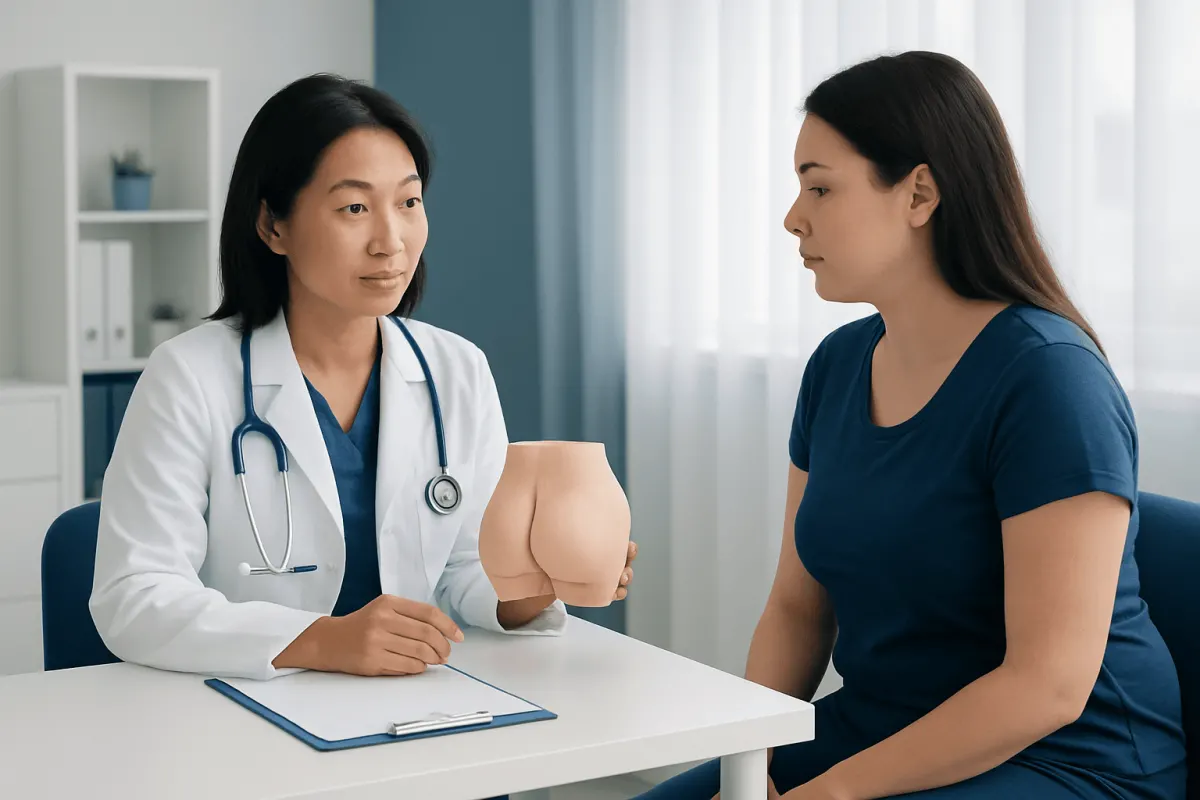
Fat transfer to butt, often called buttock fat grafting or a Brazilian butt lift (BBL), uses fat removed by liposuction to add volume and contour to the buttocks. It can provide a natural-feeling result, but safety depends on appropriate patient selection, experienced surgical care, and following recovery instructions closely.
Overview: What Is Fat Transfer to Butt?
Fat transfer to butt is a body-contouring procedure that uses a person’s own fat to enhance the size, shape, or symmetry of the buttocks. A surgeon first removes fat from areas such as the abdomen, waist, back, thighs, or flanks through liposuction. The removed fat is processed and then carefully injected into selected areas of the buttocks.
The procedure is also widely known as buttock fat grafting or a Brazilian butt lift (BBL). Unlike buttock implants, it does not place a manufactured implant in the body. It can improve the contour of both the donor areas and the buttocks, although the outcome depends on the person’s anatomy, skin quality, available fat, healing, and the surgical plan.
It is an elective surgical procedure rather than a treatment for a medical condition. A detailed consultation with a board-certified plastic surgeon is important to discuss realistic goals, alternatives, likely scarring, recovery needs, and individual safety considerations.
How the Procedure Is Performed
Buttock fat grafting is usually performed under anesthesia in an accredited surgical setting. The surgeon marks the areas where fat will be removed and where contour enhancement is planned. Small incisions are used for liposuction, and the fat is collected using a cannula, a thin surgical tube.
After collection, the fat is separated from fluid, blood, and damaged cells. The usable fat is then injected in small amounts through tiny access points to shape the buttocks. Safe technique is central to the procedure: current safety guidance emphasizes placing fat only in the layer above the muscle, rather than injecting into or below the buttock muscles.
The operation time varies according to the number of liposuction areas and the complexity of contouring. It may be performed as a standalone procedure or combined with other body-contouring surgery when clinically appropriate. Combining procedures can increase operative time and recovery demands, so the surgeon should assess this carefully.
Before surgery, the care team may review medical history, medications, allergies, smoking or nicotine use, previous surgeries, and blood-clot risks. People should disclose all supplements and medicines, including herbal products, because some can affect bleeding or anesthesia safety.
How Much Fat Do You Need for a Fat Transfer to Buttocks?
There is no single amount of fat required for a fat transfer to buttocks. The amount available depends on a person’s body composition and the areas suitable for liposuction. The amount that can be safely transferred also depends on buttock tissue capacity, skin elasticity, body proportions, and the surgeon’s assessment of what can be placed safely above the muscle.
Not all harvested fat is suitable for reinjection, and not all transferred fat survives long term. Some of the grafted fat is naturally reabsorbed by the body during healing. For this reason, surgeons plan for a gradual and proportionate result rather than promising a particular volume or cup-size change.
People with very low body fat may not have enough donor fat to achieve their preferred degree of enhancement. In some situations, the surgeon may discuss alternatives, including waiting until body weight is stable, accepting a more modest change, or considering another approach. Attempting to remove excessive amounts of fat or inject excessive volume can increase risks and should not be pursued.
Is It Safe to Have Fat Transfer to Buttocks?
Fat transfer to buttocks can be performed more safely when it is carefully planned, performed by an appropriately qualified plastic surgeon, and carried out in a properly equipped and accredited facility. However, it is not risk-free. Buttock fat grafting has been associated with rare but severe complications, including fat embolism, in which fat enters the bloodstream and can block blood vessels in the lungs or heart.
Safety standards focus on avoiding injection into or beneath the buttock muscles, using controlled cannula techniques, and following professional guidance for real-time ultrasound monitoring during fat injection where available and required. Patients can ask the surgeon how fat placement is monitored, whether the procedure is performed in an accredited operating facility, and what emergency arrangements are in place.
Other possible complications include bleeding, infection, fluid collection, poor wound healing, numbness, uneven contour, asymmetry, skin irregularities, fat necrosis, scarring, and the need for revision surgery. Risks related to anesthesia and blood clots are also considered. Individual risk may be higher with smoking, nicotine exposure, uncontrolled medical conditions, obesity, certain medications, or a history of clotting problems.
Choosing a surgeon based on credentials, experience, transparent discussion of risks, and safety practices is more important than choosing based on convenience or promotional claims. A reputable surgeon will be willing to advise against surgery if it is not suitable for the individual.
How Long Does It Take to Recover From Fat Grafting on the Buttocks?
Initial recovery from fat grafting on the buttocks commonly takes several weeks, while final contour changes develop over months. During the early healing period, patients are usually advised to avoid sitting or lying directly on the buttocks for the timeframe specified by their surgeon. This helps protect the newly transferred fat while it establishes a blood supply.
Many people need time away from work and normal activities, depending on the physical demands of their job and the extent of liposuction. Light walking is commonly encouraged soon after surgery to support circulation, but strenuous exercise, heavy lifting, and activities that place pressure on the buttocks are restricted until the surgical team confirms that they are safe to resume.
Swelling, bruising, soreness, temporary numbness, and drainage from liposuction incisions can occur in the first days and weeks. Compression garments are often recommended for the areas treated with liposuction, but the exact garment and wear schedule should follow the surgeon’s instructions. A special cushion may be suggested if limited sitting is unavoidable.
Results may look different as swelling improves and some transferred fat is absorbed. The shape generally becomes more stable over several months. Maintaining a steady weight can help preserve the result, because significant weight loss or gain can affect fat cells in both the buttocks and donor areas.
What Are the Downsides of Fat Transfer?
The main downside of fat transfer is that results are less predictable than a fixed-volume implant because some grafted fat is reabsorbed. This may lead to a smaller-than-expected change, asymmetry, contour irregularities, or a desire for a later touch-up procedure. Results also depend on having enough donor fat available for safe harvesting.
Recovery can be inconvenient because the procedure affects both the buttocks and the areas where liposuction is performed. Patients may need to modify sleeping, sitting, work, travel, exercise, and childcare routines. Bruising and swelling can last longer than expected, and liposuction may leave changes in skin texture or contour.
There are also important surgical risks, including infection, bleeding, seroma, blood clots, anesthetic complications, and rare fat embolism. Nicotine use can impair blood flow and healing, so surgeons commonly require patients to stop smoking and avoid nicotine products before and after surgery for a defined period.
Fat transfer does not treat loose skin to the same extent as a surgical lift, and it may not achieve a dramatic volume increase in people with limited donor fat. A consultation should include a discussion of whether the desired outcome is realistic and whether non-surgical options, implants, or other contouring procedures may be more appropriate.
Preparation, Aftercare and Healthy Recovery
Preparation starts with an honest health assessment and a clear plan for recovery support. Patients should tell the surgical team about all health conditions, past operations, pregnancy plans, medications, supplements, alcohol use, smoking, and nicotine products. The surgeon may request laboratory tests or medical clearance when indicated.
After surgery, the most important steps are following instructions on movement, positioning, wound care, medications, compression, bathing, and follow-up visits. Patients should arrange for an adult to assist them immediately after anesthesia and should avoid driving until cleared by the surgical team. They should not make changes to prescribed medicines without professional guidance.
Good nutrition, hydration, gentle walking as advised, and avoiding nicotine can support healing. A stable weight is helpful because transferred fat responds to weight changes. Dietary restriction or rapid weight loss during recovery should be discussed with the surgeon or a qualified clinician.
Acıbadem Health Point’s multidisciplinary specialists and JCI-accredited hospitals provide assessment and surgical care for international patients considering body-contouring procedures, with individualized planning and follow-up guidance.
When to Seek Medical Care
Patients should contact their surgical team promptly if they develop increasing pain, worsening redness or swelling, fever, foul-smelling drainage, persistent vomiting, or concerns about an incision. New asymmetry, firm painful areas, or a sudden change in skin color should also be assessed rather than managed at home.
Emergency medical care is needed for chest pain, shortness of breath, fainting, confusion, coughing blood, a racing heartbeat, or sudden severe weakness. These symptoms can indicate a serious complication and require urgent evaluation, particularly in the days or weeks after surgery.
Anyone considering fat transfer to butt should schedule a consultation with a qualified plastic surgeon rather than relying on online images or social media. A safe consultation should include discussion of alternatives, expected recovery, the facility, the surgeon’s credentials, and the plan for recognizing and managing complications.
Frequently asked questions
01What is fat transfer to butt?
Fat transfer to butt is a surgical procedure that removes fat from one or more body areas with liposuction and injects processed fat into the buttocks. It is used to improve volume, shape, and body contour using the person’s own tissue.
02How long does it take to recover from fat grafting on the buttocks?
Most people need several weeks for early recovery, but swelling resolves gradually and results continue to settle for several months. The surgeon will provide specific instructions about sitting, sleeping positions, activity, compression garments, and returning to work or exercise.
03How much fat do you need for a fat transfer to buttocks?
The required amount differs from person to person and cannot be determined without an examination. It depends on available donor fat, the desired contour, tissue capacity, and what can be transferred safely. People with limited donor fat may be better suited to a modest enhancement or a different option.
04What are the downsides of fat transfer?
Downsides include a recovery period with restrictions on sitting and exercise, swelling and bruising in multiple body areas, and the possibility that some transferred fat will be reabsorbed. Unevenness, asymmetry, infection, blood clots, and the need for revision are also possible complications.
05Is it safe to have fat transfer to buttocks?
It can be performed more safely with appropriate patient selection, an experienced qualified plastic surgeon, an accredited facility, and safety-focused injection technique. It still carries significant risks, including rare life-threatening fat embolism, so a detailed discussion of safety practices is essential before deciding.
06How long do fat transfer to butt results last?
Fat cells that survive the healing phase can remain long term, but results are affected by aging, skin changes, and body-weight fluctuations. The initial months are important because some of the transferred fat is naturally absorbed. Keeping weight relatively stable can help maintain the contour.
This article is for general information only and is not a substitute for professional medical advice. Please consult a qualified doctor about your individual situation.
Explore treatments in Turkey — costs, top hospitals & a free quote
JCI-accredited · board-certified surgeons · reply within 24h
Add us as a Preferred Source to see more of our trusted health content across Google Search, AI Overviews and Discover.