Nuss Surgery Pectus Excavatum: How It Works, Recovery, and What to Expect
Nuss surgery pectus excavatum is a minimally invasive operation that corrects a sunken chest by placing a curved metal bar behind the breastbone to lift it into a more typical position. For the right candidate, it can improve chest shape and may also help symptoms such as shortness of breath, exercise limitation, or chest discomfort.
Overview: what Nuss surgery for pectus excavatum does
Nuss surgery pectus excavatum refers to a minimally invasive operation used to treat pectus excavatum, a condition in which the breastbone is sunken inward. During the procedure, the surgeon places a curved metal bar under the sternum to gently push the chest forward. The bar stays in place for a period of time so the chest wall can remodel around the corrected shape.
This operation is different from older open repairs because it usually uses small incisions on each side of the chest and camera guidance inside the chest. For many patients, that means less visible scarring and a more direct way to reshape the chest wall. Even so, it is still major surgery and needs careful planning, anesthesia, and follow-up.
The main goals are to improve the chest contour and, in some patients, to reduce symptoms related to compression of the heart or lungs. Not everyone with pectus excavatum needs surgery. Doctors decide by looking at the person’s symptoms, physical exam, imaging, and overall health. When evaluation suggests a meaningful impact, a Procedure Steps, and Recovery Timeline" class="ahp-ilk">thoracic surgery team may discuss thoracic surgery options, including the Nuss procedure, as part of individualized care.
Who may be a candidate for the Nuss procedure
The best candidate is usually someone with pectus excavatum that causes symptoms, has a clearly significant chest wall depression, or affects quality of life. Common reasons for evaluation include shortness of breath with exercise, early fatigue, chest pain, palpitations, posture changes, or distress about body image. Some children and teenagers are diagnosed during growth spurts, but adults may also be considered for surgery.
Age matters because the chest wall becomes less flexible over time. Many surgeons consider repair in later childhood, adolescence, or young adulthood, when the chest can still respond well to reshaping. Adults can still have successful repair, but recovery and pain management may be more demanding because the chest wall is typically stiffer.
Doctors also assess whether the condition is isolated or linked with other issues. They may look for connective tissue features, scoliosis, or related chest wall findings such as pectus carinatum in family members or mixed deformities. If symptoms involve breathing or exercise limitation, tests may help determine whether the deformity is likely contributing and whether surgery is appropriate.
Some people with mild pectus excavatum do not need an operation. In those cases, monitoring, posture work, breathing exercises, and reassurance may be enough. A specialist can explain whether surgery is expected to improve function, appearance, or both, and help balance the potential benefits against Neck Surgery Recovery Time?" class="ahp-ilk">recovery time and risks.
How the Nuss procedure works, step by step
Before surgery, the team completes a detailed evaluation. This may include chest imaging, heart tests such as an electrocardiogram or echocardiogram, and sometimes lung function testing. These assessments help the surgeon understand the shape and severity of the chest depression and plan the safest angle and size of the corrective bar.
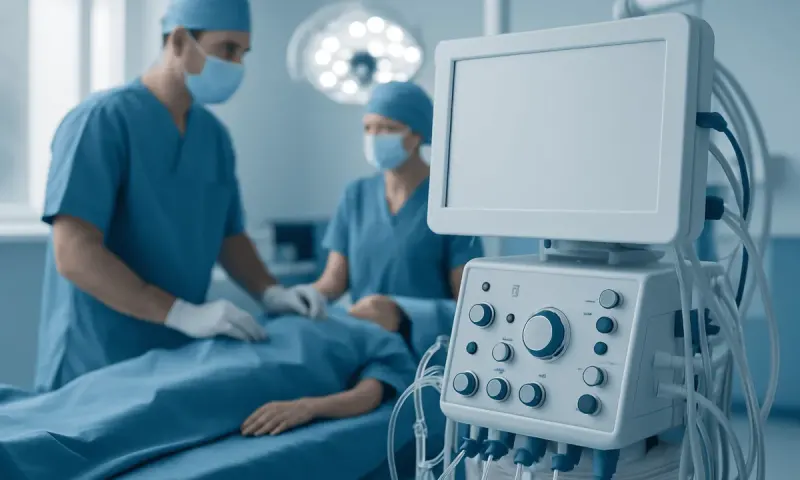
During the operation, the patient receives general anesthesia. The surgeon makes small incisions on the sides of the chest and uses a camera to see inside the chest cavity. A guide is passed behind the breastbone, and a curved metal bar is moved into position beneath the sternum. Once the bar is rotated, it lifts the sunken chest outward. In many cases, stabilizers or additional fixation are used to reduce the chance of the bar shifting.
Some patients need more than one bar, especially if the depression is broad, deep, or occurs in an older chest wall. The exact approach depends on body size, age, chest shape, and surgeon experience. After the bar is secured, the incisions are closed and the patient is monitored closely as anesthesia wears off.
The bar is not permanent. It usually remains in place for several years so the chest wall can hold its new shape before removal. Bar removal is a separate planned procedure and is generally less extensive than the original repair, though it still requires medical evaluation and follow-up.
Benefits, limits, and possible risks
The most visible benefit of Nuss surgery is correction of the chest wall indentation. Many patients also report greater confidence in clothing, sports, or social situations after recovery. For those who had pressure-related symptoms before surgery, benefits may include easier breathing with activity, less chest discomfort, and improved exercise tolerance.
It is important to keep expectations realistic. Surgery changes the chest shape, but the amount of functional improvement varies from person to person. Some patients notice a clear physical difference in stamina or breathing, while others are most satisfied with the cosmetic result. A surgeon should explain what can reasonably be expected in that individual case.
As with any operation, there are risks. These can include pain, bleeding, infection, fluid or air around the lungs, bar displacement, allergic reaction, wound problems, and rarely injury to structures inside the chest. Because the procedure works near the heart and lungs, careful imaging, thoracoscopic guidance, and experienced surgical technique are especially important.
There can also be longer-term considerations, such as discomfort with certain movements, the need to avoid some contact activities while the bar is in place, and a later operation for bar removal. In people with severe symptoms or a marked chest wall deformity, the benefits may outweigh these drawbacks, but the decision should be made after a full discussion with a qualified specialist.
Recovery timeline and what to expect after surgery
Recovery after Nuss surgery is gradual rather than immediate. The first days focus on pain control, breathing exercises, walking, and safe movement. Many patients stay in the hospital for monitoring while the team manages discomfort and checks breathing, lung expansion, and wound healing. Pain is expected early on because the bar is holding the chest in a new position.
During the first few weeks at home, activity is limited. Patients are usually advised to avoid heavy lifting, twisting, sudden bending, sleeping face-down, and contact sports. Gentle walking is commonly encouraged because it supports circulation, lung expansion, and overall recovery. The surgeon provides specific instructions based on age, body size, and the details of the repair.
Over the next several weeks to months, many people steadily return to school, office work, and light daily routines. More vigorous exercise typically resumes later, once healing is well established and the surgical team confirms that the bar position is stable. Follow-up visits help monitor posture, pain, incision healing, and chest shape.
Each recovery is individual. Younger patients often recover faster than adults, but comfort, mobility, and confidence improve over time in both groups. Some patients also benefit from supportive rehabilitation, stretching, or breathing guidance after surgery. If needed, a doctor may discuss broader physical therapy and rehabilitation strategies to help restore movement and body mechanics safely.
Diagnosis and planning before surgery
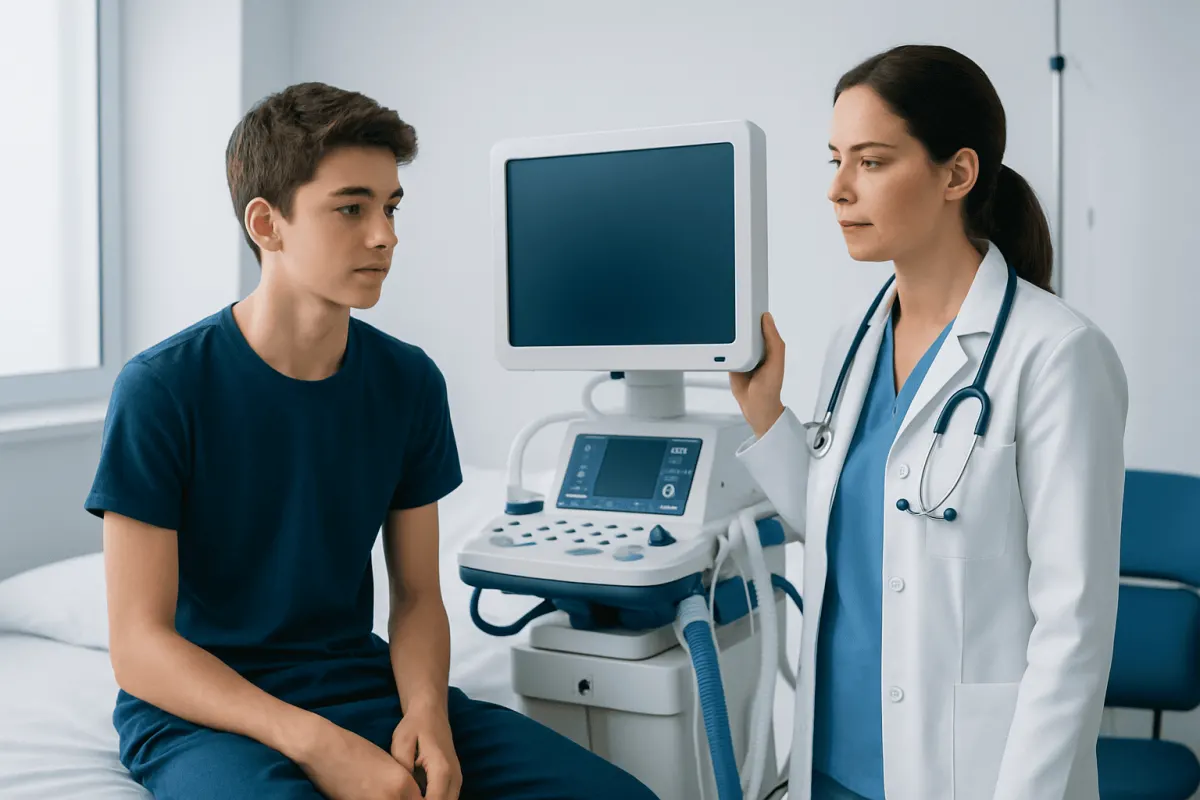
Diagnosis begins with a physical examination and medical history. The doctor asks about symptoms such as exercise intolerance, chest pain, shortness of breath, or self-consciousness related to chest shape. The depth and symmetry of the chest indentation are assessed, and the clinician looks for posture changes or associated spine findings.
Imaging helps define severity and surgical planning. A chest CT scan or other imaging study can show how much the sternum is pressing inward and whether the heart is displaced or compressed. Some centers use measurements such as the Haller index as one part of the overall assessment, but treatment decisions are not based on a single number alone.
Additional testing may include heart and lung evaluation, especially when symptoms suggest functional impact. Pulmonary function tests can assess breathing capacity, and echocardiography can show whether the heart is affected by the chest wall shape. These tests help determine whether surgery is likely to improve symptoms and whether the patient is fit for an operation.
If the diagnosis is confirmed and symptoms are significant, the team may review options for pectus excavatum treatment. This planning stage is also the time to discuss pain management, expected recovery, sports restrictions, school or work leave, and the future procedure needed to remove the bar.
When to seek medical care
Medical advice is appropriate whenever a sunken chest is becoming more noticeable, causing symptoms, or affecting confidence and daily life. An evaluation is especially helpful if there is shortness of breath during activity, chest pain, reduced stamina, palpitations, or a family history of chest wall disorders or connective tissue conditions. Early assessment can clarify whether simple monitoring is enough or whether specialist care is needed.
After Nuss surgery, patients should contact their medical team promptly if they develop fever, worsening redness or drainage at the incision, increasing chest pain, shortness of breath, severe cough, fainting, or a sudden change in chest shape. These symptoms do not always mean a serious problem, but they need timely medical review. Any emergency symptoms, such as marked breathing difficulty or severe chest pain, require urgent care.
For ongoing management, care is often coordinated by pediatric or adult thoracic surgeons, anesthesiologists, cardiology or pulmonology specialists when needed, and rehabilitation professionals. Near the end of the care pathway, patients may also discuss the timing of chest surgery follow-up procedures such as bar removal. Acıbadem Health Point’s multidisciplinary specialists and JCI-accredited hospitals diagnose and treat this condition for international patients.
Frequently asked questions
01Is Nuss surgery a major operation?
Yes. Although it is considered minimally invasive because it uses small incisions, it is still a major operation performed under general anesthesia. It requires careful planning, hospital recovery, and follow-up while the bar remains in place.
02How long does the bar stay in after Nuss surgery?
The bar usually stays in place for several years so the chest wall can keep its corrected shape. The exact timing depends on age, healing, chest flexibility, and the surgeon’s plan. Bar removal is usually a separate scheduled procedure.
03Can adults have Nuss surgery for pectus excavatum?
Yes, adults can have the procedure if they are appropriate candidates. However, the adult chest wall is often less flexible than in younger patients, so pain control and recovery may be more challenging. A specialist can explain whether the likely benefits outweigh the risks in an adult case.
04Will surgery improve breathing and exercise tolerance?
It may, especially when the chest deformity is contributing to heart or lung compression. Some patients notice easier breathing and better stamina after recovery, while others mainly appreciate the improved chest shape. The degree of improvement varies from person to person.
05How painful is recovery after the Nuss procedure?
Pain is common in the early recovery period because the chest is adjusting to the new position of the bar. Hospitals use structured pain-management plans, and discomfort usually improves gradually over the following weeks. Patients should follow movement restrictions and recovery instructions carefully.
06Can pectus excavatum come back after surgery?
Recurrence is possible but not common when the repair is well planned and the bar remains in place for the recommended time. Factors such as age, chest wall flexibility, growth, and the original severity of the deformity can influence the risk. Regular follow-up helps the team monitor the result.
This article is for general information only and is not a substitute for professional medical advice. Please consult a qualified doctor about your individual situation.
Joint and spine care in Turkey — expert assessment & treatment
JCI-accredited · board-certified surgeons · reply within 24h
Add us as a Preferred Source to see more of our trusted health content across Google Search, AI Overviews and Discover.