Facelift in Turkey Cost 2026: Prices, Packages and What’s Included

Key Takeaways
- Facelift prices in Turkey are quoted in ranges, not fixed figures, because the technique, anaesthesia, hospital grade and length of stay all differ from patient to patient.
- Most packages bundle the surgeon's fee, hospital and theatre costs, anaesthesia, standard post-operative garments and airport transfers; flights and extended hotel stays are often separate.
- Accreditation (such as JCI), the surgeon's specialist credentials and the hospital's ability to manage complications matter more than headline price.
- A realistic trip usually means staying in Turkey for several days to around a fortnight, with the surgeon deciding individually when it is safe to fly.
- Aftercare planning before departure — written notes, medication lists, follow-up video reviews and a UK GP or clinic contact — is an essential part of the package.
- A patient coordinator can arrange a second opinion, visa guidance, interpreters and indicative cost planning before any commitment is made.
For UK patients planning treatment abroad in 2026, the facelift turkey cost is usually quoted as a single package figure rather than an itemised bill, and it sits in broad bands rather than at one fixed price. This guide explains what those bands depend on, what packages typically include and exclude, and how the journey is coordinated from first video consultation to aftercare back home.
Understanding the Facelift Turkey Cost in 2026
The facelift turkey cost in 2026 is best understood as a set of price bands rather than a single number. Hospitals and coordination platforms usually respond to an enquiry with an indicative range, then confirm a personalised figure only after a surgeon has reviewed photographs or completed a video consultation. This is because a facelift is not one standardised operation: a limited procedure addressing the lower face and jawline is a different undertaking, in both theatre time and anaesthetic requirement, from a deep-plane technique combined with neck lifting or eyelid surgery.
Several variables move a quotation up or down the range. The main ones are the extent of surgery, whether sedation or general anaesthesia is used, how long the patient stays in hospital afterwards, the seniority and specialist training of the operating surgeon, and the grade of the facility — an internationally accredited hospital with intensive-care back-up carries different overheads from a small day-surgery unit. Additional procedures performed at the same sitting, such as fat grafting or brow surgery, are normally priced as add-ons.
Prices in Turkey are frequently compared with those in the United Kingdom, and the difference is generally explained by local operating costs, staffing and currency factors rather than by any difference in the surgery itself. Patients are advised to treat a very low quotation with caution and to ask what has been left out of it. A responsible programme will always state clearly what is included, what is excluded and what would happen — clinically and financially — if recovery did not follow the expected course.
What a Facelift Package Usually Includes
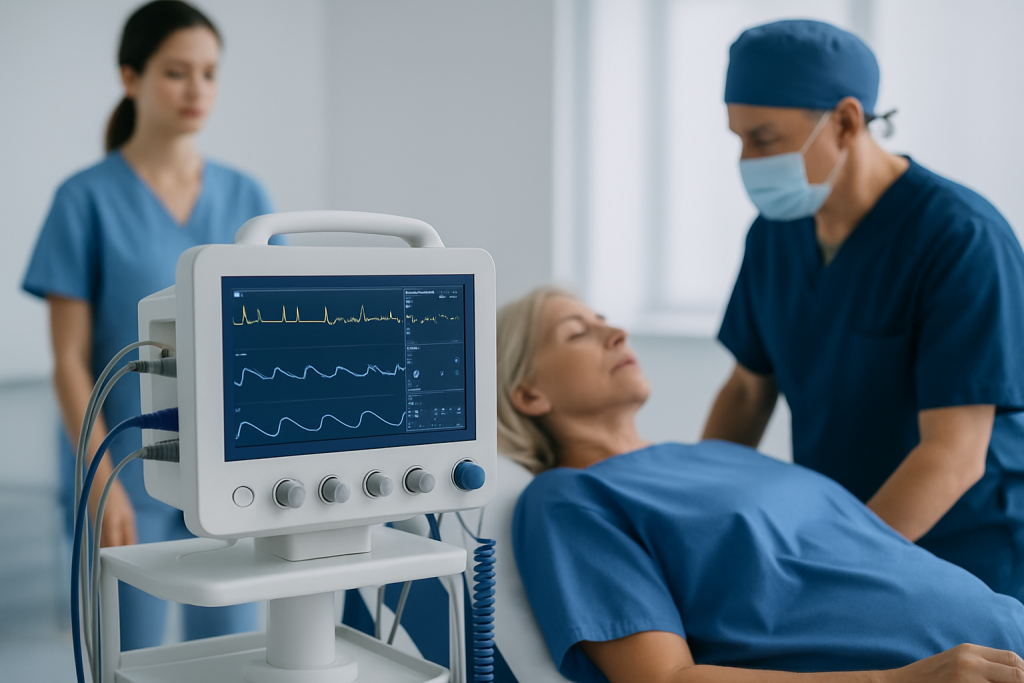
Turkish hospitals commonly present cosmetic surgery as an all-in package, which suits international patients because it reduces the number of separate bills to manage from abroad. While the exact contents differ between providers, most facelift packages are built around the same core elements.
- Pre-operative consultation with the operating surgeon, plus routine blood tests, ECG and anaesthetic assessment where indicated
- The surgeon’s and anaesthetist’s fees, theatre time and consumables
- Anaesthesia (sedation or general, as planned) and recovery-room monitoring
- One or more nights of inpatient care, where the surgical plan calls for it
- Dressings, compression garments and standard post-operative medication supplied at discharge
- Post-operative reviews, dressing changes and suture removal before departure
- Airport, hotel and hospital transfers by private vehicle
- Interpreter support and a named patient coordinator throughout the stay
- A discharge summary and written aftercare instructions to take home
Many packages also bundle a set number of hotel nights near the hospital, sometimes with a companion included. Where accommodation is not bundled, coordinators can usually reserve rooms at partner hotels so that the patient is not searching for somewhere suitable while recovering. It is worth confirming in writing how many nights are covered, whether breakfast and a companion bed are included, and whether the hotel is within a short transfer of the hospital.
What Is Often Excluded — and Worth Budgeting For

Exclusions are where budgets most often drift, so they deserve as much attention as the headline figure. International flights are almost never part of a surgical package, and prices vary widely by season and departure airport. Patients are generally advised to book flexible or changeable tickets, because the return date may need to shift if the surgeon prefers a slightly longer period of observation.
Other items commonly outside the package include travel and medical repatriation insurance, extra hotel nights beyond the bundled allowance, meals other than those provided in hospital, and any additional procedure agreed after arrival. Long-term prescriptions, specialist scar-management products, lymphatic drainage massage or camouflage make-up may also be charged separately. If a revision or secondary procedure were ever considered appropriate in the future, that would normally be a separate discussion and a separate cost.
Patients should also plan for time away from work. A facelift is a recovery-heavy operation in its early phase, and swelling and bruising can remain visible for some weeks. Building in unpaid leave or reduced working hours is part of an honest budget. Asking the coordinator for a written breakdown of inclusions and exclusions — before any deposit is paid — is the simplest way to avoid surprises.
Accreditation, Surgeon Credentials and Safety Checks
Cost should never be assessed in isolation from safety. Joint Commission International (JCI) accreditation is one widely recognised marker: it indicates that a hospital has been assessed against international standards for patient safety, infection control, medication management and emergency response. It is not the only quality indicator, but for patients travelling from abroad it provides an independent reference point that is difficult to obtain otherwise.
The surgeon’s credentials matter equally. Patients are encouraged to confirm that the operating surgeon is a qualified specialist in plastic, reconstructive and aesthetic surgery, is licensed to practise in Turkey, and performs facial rejuvenation regularly. It is entirely reasonable to ask which technique is proposed and why, how many similar operations the surgeon carries out, who provides the anaesthesia, and who will review the patient if a problem arises at night or at the weekend.
Equally important is what sits behind the operating theatre. Full-service hospitals with intensive care, on-site laboratory and imaging, and 24-hour medical cover are better placed to manage the uncommon complications of any surgery — bleeding, haematoma, infection or an anaesthetic reaction. Before-and-after photographs can be useful, but they are marketing material, not evidence of outcome. Realistic discussion of limitations, and a surgeon willing to advise against surgery when it is not appropriate, is a more reliable sign of good practice than any gallery.
Planning the Trip: Consultations, Visas and Timing
The journey usually begins remotely. Patients send recent photographs and a brief medical history, including current medication, previous operations, smoking status and any conditions such as high blood pressure or diabetes. A video consultation with the surgeon then allows the goals of surgery to be discussed and a provisional plan and indicative cost range to be issued. Many patients also use this stage to obtain a second opinion before committing to travel.
British passport holders should check the current entry requirements for Turkey well in advance, as rules can change; coordinators can provide guidance and, where needed, a letter of invitation from the hospital confirming the planned treatment dates. Patients travelling for surgery are advised to arrange travel insurance that explicitly covers planned medical treatment abroad, since standard holiday policies frequently exclude it.
On arrival, the pattern is typically a face-to-face consultation and pre-operative tests one day, surgery the next, then a period of monitoring and review before discharge from the programme. A companion is strongly encouraged — for practical help in the first days, and because vision can be temporarily affected by swelling after facial surgery. Interpreters, transfers and hotel arrangements are normally handled by the coordination team so that the patient’s attention stays on recovery.
Recovery, Flying Home and Aftercare in the UK
Early recovery after a facelift involves swelling, bruising, tightness and some numbness of the skin, all of which settle gradually. Drains, if used, are removed within the first days, and sutures are generally taken out in stages. Most surgeons prefer to see the patient at least once or twice before departure so that healing can be checked and the dressing regimen adjusted. In practice this means many patients plan to remain in Turkey for roughly one to two weeks, although the surgeon decides individually and may advise a longer stay.
Flying is not usually recommended immediately after surgery. Cabin conditions, dehydration and long periods of immobility can aggravate swelling and increase the risk of clots, so the treating team will confirm when travel is appropriate rather than working to a fixed rule. Sensible precautions on the flight home include drinking water, walking in the aisle when it is safe to do so, wearing any prescribed compression stockings, and avoiding alcohol and sedatives unless the surgeon has advised otherwise.
Aftercare should be organised before leaving Turkey. Patients are advised to travel home with a written operative note, a list of medicines given, wound-care instructions and direct contact details for the hospital’s international patient team. Scheduled video follow-ups over the following weeks and months allow healing to be reviewed remotely. It is also wise to inform the NHS GP that surgery has taken place abroad, so that local records are accurate and any dressing changes, wound concerns or medication questions can be addressed promptly at home. Final results settle over months rather than days, and patience with the process is part of the treatment.
When to Speak to a Patient Coordinator
A patient coordinator is useful earlier than most people expect — ideally before flights are booked or deposits paid. Coordinators translate a general enquiry into a workable plan: they collect the information the surgeon needs, arrange the video consultation, issue an indicative cost range with clearly stated inclusions, and set out realistic dates for surgery, review appointments and departure.
Good questions to bring to that conversation include what the quoted band covers, what would be charged separately, how many nights of hospital and hotel accommodation are included, who performs the surgery, what the hospital’s policy is if an unplanned overnight stay or additional treatment becomes necessary, and how follow-up is delivered after returning to the United Kingdom. Coordinators can also organise interpreters, companion arrangements, wheelchair assistance and documentation for visa purposes.
Patients who prefer to weigh their options first can request a written second opinion before making any decision, and no reputable programme will apply pressure to book. Acıbadem Health Point coordinates this process for international patients, with multidisciplinary specialists and JCI-accredited hospitals within the Acıbadem Healthcare Group handling assessment, surgery and structured follow-up. Whichever provider is chosen, the final decision about whether a facelift is suitable, and which technique is appropriate, rests with a qualified surgeon after a proper assessment.
Frequently asked questions
01Why can no one give me an exact facelift price before I travel?
A facelift is planned around the individual face, so theatre time, anaesthetic requirements and hospital stay differ from patient to patient. Hospitals therefore issue an indicative range first and confirm a personalised figure only after the surgeon has reviewed photographs or completed a video consultation. Any firm quotation given without an assessment should be treated with caution.
02Is a facelift in Turkey cheaper than in the UK?
Package prices in Turkey are often lower than comparable private prices in the United Kingdom, largely because of local operating, staffing and currency costs rather than any difference in the operation itself. However, the total outlay must include flights, insurance, extra hotel nights and time off work. Comparing a Turkish package with a UK quotation is only meaningful when both lists of inclusions are seen in writing.
03How long should I plan to stay in Turkey?
Many patients plan for roughly one to two weeks, allowing time for pre-operative tests, surgery, monitoring, dressing changes and at least one review before departure. The surgeon decides individually and may recommend staying longer if healing needs closer observation. Booking a flexible return ticket makes this much easier to manage.
04When is it safe to fly home after a facelift?
There is no universal rule; the treating surgeon confirms when air travel is appropriate based on how the individual is healing. Flying too soon can worsen swelling and, with prolonged immobility, may increase the risk of blood clots. Patients are usually advised to stay hydrated, move about the cabin when safe, and follow any instructions about compression stockings.
05What happens if I have a problem once I am back in the UK?
Patients should return home with a written operative note, medication list, wound-care instructions and direct contact details for the hospital's international patient team, who can advise remotely and arrange video follow-up. Informing an NHS GP that surgery took place abroad helps ensure local records are accurate. Any sudden pain, spreading redness, fever, bleeding or breathing difficulty should be assessed urgently in person.
06Does JCI accreditation really matter when choosing a hospital?
It is a helpful independent marker that a hospital has been assessed against international standards for patient safety, infection control and emergency response. It does not replace checking the individual surgeon's specialist qualifications and experience in facial surgery. Access to intensive care, on-site imaging and 24-hour medical cover is also important, because these resources matter most in the rare event of a complication.
07Will travel insurance or the NHS cover cosmetic surgery abroad?
Cosmetic surgery chosen for aesthetic reasons is not funded by the NHS, and standard holiday insurance commonly excludes planned treatment overseas. Patients are advised to arrange a specific medical travel policy that covers planned surgery and, ideally, repatriation. It is sensible to read the exclusions carefully and to ask the insurer directly about cover for complications.
This article is for general information only and is not a substitute for professional medical advice. Please consult a qualified doctor about your individual situation.
Explore treatments in Turkey — costs, top hospitals & a free quote
JCI-accredited · board-certified surgeons · reply within 24h
Add us as a Preferred Source to see more of our trusted health content across Google Search, AI Overviews and Discover.