Eyelid Surgery Turkey: Procedure, Benefits, Risks and Recovery

Key Takeaways
- Eyelid surgery, or blepharoplasty, can be performed for functional reasons, cosmetic reasons, or both.
- The procedure may address upper lids, lower lids, or all four lids, depending on the individual’s needs.
- Recovery is usually straightforward, but swelling, bruising, dryness, and temporary blurring can occur.
- Choosing an experienced eye or plastic surgeon and sharing full medical history helps reduce risk.
- Patients traveling for surgery should plan time for follow-up, rest, and gradual return to activity.
Eyelid surgery in Turkey usually refers to blepharoplasty, a procedure that removes or repositions excess eyelid skin and fat to improve vision, comfort, or appearance. For international patients, understanding the steps, recovery, and possible risks helps them plan care with realistic expectations and safer decisions.
Overview
Eyelid surgery in Turkey generally refers to blepharoplasty, a procedure designed to remove, tighten, or reposition tissue around the upper or lower eyelids. For some people, the aim is functional: heavy upper lids may interfere with vision or cause a tired, strained feeling. For others, the main goal is to reduce puffiness, under-eye bags, or skin looseness that makes the eyes look older or more fatigued.
Because the eyelids are delicate and central to both appearance and eye protection, the decision to have surgery should be individualized. A qualified surgeon will consider eyelid structure, eyebrow position, skin quality, dry-eye symptoms, and overall eye health before recommending a plan. In international care settings, that assessment is especially important, since the patient may be returning home soon after the procedure and needs a recovery plan that is easy to follow from abroad.
Turkey has become a well-known destination for this type of surgery because patients can access experienced specialists and hospital-based care in one journey. Still, the location matters less than the quality of evaluation, the surgeon’s experience, and the patient’s understanding of what surgery can and cannot change. Blepharoplasty can refresh the eyelid area, but it does not stop aging and it is not a substitute for treating medical eye conditions.
What eyelid surgery can address
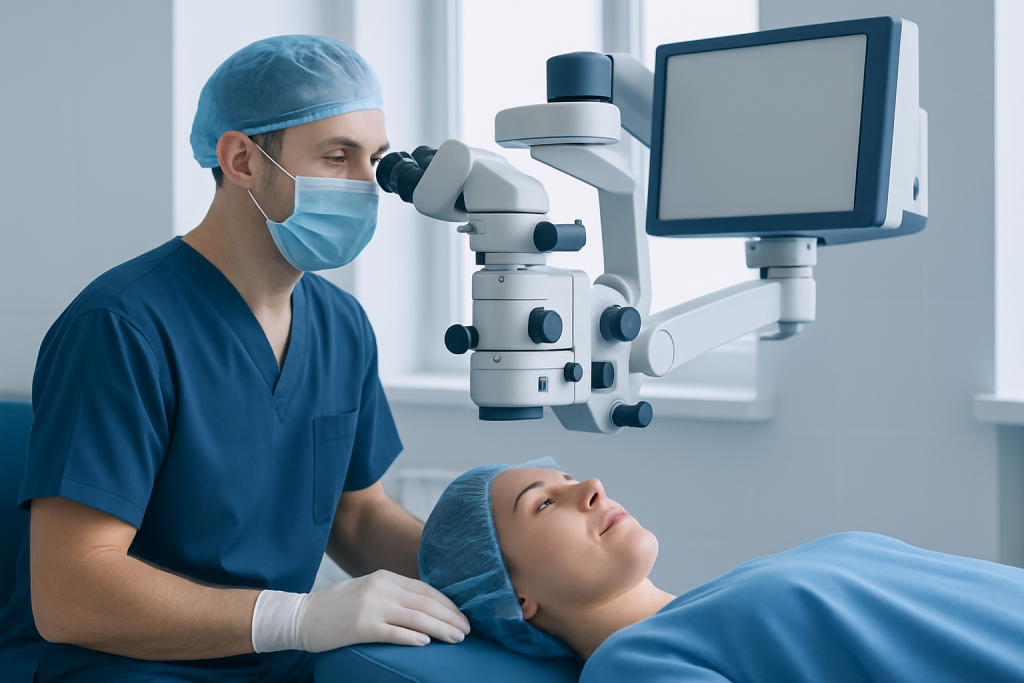
Upper eyelid surgery is commonly used when loose skin folds over the natural lid crease, creating heaviness or a hooded appearance. In some people, this excess skin can rest on the lashes or narrow the upper visual field, especially when looking upward or reading for long periods. Surgery may remove extra skin and, when appropriate, a small amount of fat or muscle.
Lower eyelid surgery is usually considered when under-eye puffiness, prominent fat pads, or lax skin create a swollen or tired appearance. Depending on the anatomy, the surgeon may remove tissue, move fat to smooth the contour, or tighten the lower lid support. The exact technique varies, because lower lids are more sensitive to changes in position and dryness.
Some patients need only one area treated, while others benefit from a combined approach. A careful plan may also include discussion of brow position, facial balance, and whether another issue—such as a drooping eyebrow or ocular surface dryness—is contributing to the appearance of eyelid heaviness.
Symptoms and concerns that lead patients to seek care

People usually seek eyelid surgery for one or more of a few recurring concerns. They may feel that their eyes look consistently tired, that makeup does not sit well, or that the upper lids make the eyes appear smaller than before. Some notice practical problems, such as needing to raise their eyebrows to see clearly or feeling that eyelid skin catches on the lashes.
Lower lid concerns often involve puffiness, shadowing, or a “bagged” appearance that persists regardless of sleep or hydration. Others describe irritation from loose skin, a sensation of heaviness, or a mismatch between how they feel and how their face looks in photos. In some cases, the concern is not purely cosmetic; a patient may also have lid laxity, watery eyes, or discomfort that needs medical attention.
It helps to distinguish normal age-related changes from symptoms that suggest an eye condition. Persistent redness, sudden eyelid drooping, pain, double vision, or one-sided swelling should not be assumed to be cosmetic issues. Those symptoms deserve prompt medical evaluation before any elective procedure is planned.
Causes and risk factors
Eyelid changes often develop gradually with age. Skin loses elasticity, fat pads may shift, and the small muscles supporting the eyelids can weaken. Genetics also plays a role; some people develop under-eye bags or hooding earlier in life, even without significant sun damage or lifestyle factors.
Medical and environmental factors can influence whether surgery is appropriate and how healing unfolds. Dry eye disease, thyroid eye disease, previous eye surgery, contact lens dependence, smoking, diabetes, bleeding disorders, and certain medications can all affect surgical planning. A history of scarring or poor wound healing is also relevant.
Traveling for surgery adds another layer of planning. Patients should consider whether they can remain in the destination long enough for postoperative review, whether they have support for the first few days, and whether they can follow instructions for drops, cold compresses, and activity limits after returning home. Good outcomes rely not only on the operation itself, but on safe recovery logistics.
How the diagnosis and pre-surgery assessment works
Before eyelid surgery is recommended, the surgeon typically performs a focused eye and facial assessment. This may include checking vision, eyelid position, tear film, eyebrow position, skin laxity, muscle strength, and the health of the surface of the eye. In some cases, photographs are taken for planning and comparison.
The consultation is also the time to review the patient’s goals in plain language. A surgeon may ask what bothers the patient most in daily life, what result feels natural, and whether the concern is functional, cosmetic, or both. That conversation matters because eyelid surgery is not one-size-fits-all; the safest plan depends on anatomy and expectations, not just the visible skin excess.
Patients should be prepared to discuss full medical history, including medications, allergies, supplements, prior surgeries, dry eye symptoms, and contact lens use. If a problem such as ptosis, eyebrow droop, or a thyroid-related eye condition is present, the surgeon may recommend a different procedure or a separate evaluation before moving ahead.
Treatment options and what the procedure involves
Blepharoplasty is usually performed as an outpatient procedure, meaning the patient goes home the same day. Local anesthesia with sedation or general anesthesia may be used, depending on the extent of the surgery and the patient’s health. The surgeon makes carefully placed incisions, usually along natural eyelid creases or just below the lashes, to keep scarring discreet.
Through these incisions, the surgeon may remove small amounts of skin, muscle, or fat, or reposition tissue to create a smoother contour. Upper eyelid surgery is often relatively direct, while lower eyelid surgery may be more technique-sensitive because the goal is to preserve lid shape and eye comfort. The exact method is individualized rather than chosen by a single routine template.
Some patients have eyelid surgery combined with other procedures, such as brow lifting or facial rejuvenation, when the overall anatomy suggests that a combined approach would produce a more balanced result. However, combining procedures should be decided cautiously, particularly for patients traveling internationally, because a larger operation can mean more swelling, more follow-up needs, and a longer recovery window.
After surgery, ointment or drops may be prescribed to protect the eye surface, and the eyelids are usually supported with simple dressings or cool compresses. The surgeon should explain what is normal in the first days—such as bruising and mild blurring—and what would be unusual enough to report immediately.
Benefits, risks, and realistic expectations
When blepharoplasty is well planned, the benefits can be both practical and cosmetic. Patients may notice a lighter feeling in the upper lids, better use of the visual field, less reliance on makeup tricks to mask puffiness, and a more rested appearance. Many people also appreciate that the result can look subtle rather than dramatic when the surgery is tailored carefully.
As with any surgery, however, there are risks. Common short-term effects include swelling, bruising, temporary dryness, tenderness, and mild asymmetry during healing. Less common but more important concerns include infection, bleeding, poor scarring, lid retraction, difficulty closing the eyes fully, changes in tear production, and dissatisfaction with the cosmetic result. Serious complications are uncommon, but they are the reason why preoperative assessment and postoperative monitoring matter.
Realistic expectations are a major part of safety. Surgery can improve eyelid contour and reduce excess skin, but it cannot freeze aging or guarantee a particular celebrity-style result. Patients who understand that blepharoplasty works best as a tailored correction, not a transformation, usually feel more satisfied and less anxious during recovery.
Recovery, aftercare, and travel planning
Recovery from eyelid surgery is usually gradual rather than dramatic. Swelling and bruising often peak in the first few days and then slowly improve over the following weeks. Many people can return to light daily tasks fairly soon, but it is wise to avoid strenuous exercise, heavy lifting, and anything that increases pressure around the eyes until the surgeon says it is safe.
Self-care after surgery typically includes keeping the head elevated, using cold compresses as instructed, protecting the eyes from sun and wind, and taking prescribed medication exactly as directed. Patients may also be asked to avoid rubbing the eyes, wearing contact lenses for a period of time, or using certain skin products near the incision sites. If the eyes feel dry or irritated, lubricating drops may be recommended.
International patients should plan recovery as carefully as the procedure itself. They may need a few quiet days before flying, a follow-up appointment before departure, and a clear plan for remote communication if questions arise after returning home. A practical recovery kit—sunglasses, medication list, written instructions, and contact details for the surgical team—can make the journey smoother and safer.
At Acibadem Health Point, multidisciplinary specialists and JCI-accredited hospitals diagnose and treat eyelid conditions and blepharoplasty needs for international patients in a coordinated setting, which can be helpful when surgery and follow-up have to fit into one travel plan.
When to see a doctor
A consultation is appropriate if the eyelids are affecting vision, causing discomfort, or creating cosmetic concerns that do not improve with rest or simple measures. It is also wise to seek medical advice before surgery if the patient has dry eyes, glaucoma, thyroid disease, a history of eye trauma, or prior eyelid procedures. These factors can influence both the choice of operation and the healing process.
After surgery, patients should contact their surgeon promptly if pain worsens instead of improving, swelling becomes one-sided or severe, vision changes unexpectedly, bleeding continues, fever develops, or the eye cannot close properly. Sudden symptoms are not something to wait out at home, especially when the patient is abroad and may not know what is expected versus concerning.
For anyone considering eyelid surgery in Turkey, the safest next step is a thorough consultation with a qualified specialist who can explain the procedure, examine the eyes, and outline a realistic recovery plan. The best decisions are made when the patient feels informed, unhurried, and able to ask detailed questions.
Frequently asked questions
01What is eyelid surgery, and is it the same as blepharoplasty?
Yes. Eyelid surgery is the common name for blepharoplasty, a procedure that removes or repositions eyelid tissue to improve function, appearance, or both. It may involve the upper lids, lower lids, or both.
02How long does recovery usually take after eyelid surgery?
Initial swelling and bruising often improve over the first one to two weeks, but full settling can take longer. The timeline varies depending on the extent of surgery, the person’s healing, and whether upper lids, lower lids, or both were treated.
03Is eyelid surgery only cosmetic?
No. Some people have surgery because excess upper eyelid skin affects vision or causes discomfort. Others choose it for cosmetic reasons, and many have a mix of functional and aesthetic concerns.
04What are the most common side effects after the procedure?
Temporary swelling, bruising, tightness, dryness, and mild blurred vision are common in the early recovery period. These usually improve with time and with the aftercare plan provided by the surgeon.
05Can someone travel home soon after eyelid surgery in Turkey?
Sometimes, but it depends on the procedure and the surgeon’s advice. Many patients need a few days of local recovery and at least one postoperative check before flying, so travel plans should be discussed in advance.
06Who may not be a good candidate for eyelid surgery?
People with uncontrolled medical conditions, significant dry eye, active eye disease, or unrealistic expectations may need further evaluation before surgery. A surgeon will review the person’s history and decide whether surgery is appropriate or whether another approach is safer.
This article is for general information only and is not a substitute for professional medical advice. Please consult a qualified doctor about your individual situation.
Explore treatments in Turkey — costs, top hospitals & a free quote
JCI-accredited · board-certified surgeons · reply within 24h
Add us as a Preferred Source to see more of our trusted health content across Google Search, AI Overviews and Discover.