What Is Sun Damage Eye? A Complete Medical Guide

Key Takeaways
- UV light can injure the cornea, lens, retina, and eyelids, not just the skin around the eyes.
- Short-term sun damage may cause pain, tearing, light sensitivity, and blurred vision.
- Long-term exposure is linked to cataracts, pterygium, macular damage, and eyelid skin cancers.
- Sunglasses that block 100% of UVA and UVB, plus hats, are key forms of prevention.
- Any sudden vision change, severe pain, or persistent redness after sun exposure should be assessed by an eye doctor.
Sun damage eye refers to eye and eyelid changes caused by exposure to ultraviolet (UV) light from the sun or reflected surfaces. It can cause short-term irritation and, over time, contribute to more serious eye conditions that affect vision and comfort.
Overview
Sun damage eye is a general term for harm caused by ultraviolet (UV) radiation reaching the eyes and the delicate tissues around them. In practical terms, it can mean a short-lived burn of the eye’s surface after intense exposure, or slower changes that build up over years and increase the risk of eye disease.
UV light is present even on days that feel cool or cloudy, and it reflects off water, sand, snow, and concrete. That is why people who work outdoors, travel in sunny climates, ski, boat, or spend long hours near reflective surfaces may experience eye strain and injury without realizing the sun is the cause.
For many people, the first clue is not a dramatic event but a pattern: squinting outdoors, watery eyes, headache after bright light, or a sense that the eyes feel “sunburned.” Understanding the difference between temporary irritation and ongoing damage helps guide when simple protection is enough and when an eye examination is needed.
Symptoms
Symptoms depend on whether the exposure caused a brief surface injury or a more chronic problem. After intense UV exposure, the eyes may feel gritty, sore, unusually sensitive to light, or excessively watery. Some people notice redness, eyelid swelling, or a blurred, hazy quality to their vision.
In short-term UV injury such as photokeratitis, symptoms often appear a few hours after exposure rather than immediately. The condition can resemble “sunburn of the eye,” and both eyes are often affected if the exposure was from an open outdoor setting, reflective snow, or welding arcs.
Longer-term sun damage may be quieter. It can show up as increasing glare sensitivity, more difficulty seeing clearly in bright conditions, a yellowish or fleshy growth on the white of the eye, or eyelid skin changes that do not heal normally.
- Eye pain or a burning sensation
- Redness and tearing
- Light sensitivity
- Blurred or hazy vision
- Feeling that something is stuck in the eye
- Headache or squinting in bright light
Causes & Risk Factors

The main cause is UV radiation from the sun, particularly UVA and UVB rays. These rays can damage the front surface of the eye, the lens inside the eye, the retina, and the eyelid skin. The effect depends on the intensity of exposure, the duration, and how much protection is being used.
Some settings increase risk more than others. Snow, sand, water, and high altitudes can amplify UV exposure because light is reflected or filtered less by the atmosphere. People who spend time outdoors for work or recreation, children, and those who regularly forget sunglasses or hats have more cumulative exposure over time.
Several health and environmental factors can raise vulnerability as well. Certain medications may increase light sensitivity, and some eye conditions make glare more troublesome. A family history of cataracts or skin cancer does not mean sun exposure will definitely cause disease, but it does make consistent protection more important.
Diagnosis
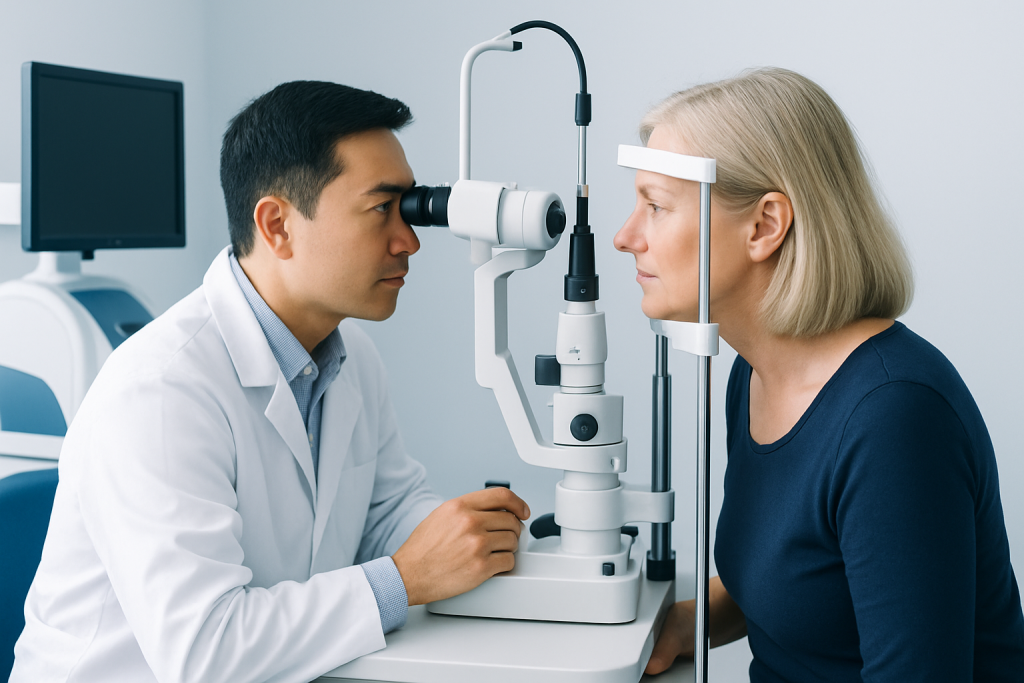
A doctor usually diagnoses sun-related eye injury through a detailed history and an eye examination. Questions often focus on the timing of symptoms, recent outdoor activities, use of sunglasses or contact lenses, and any exposure to snow glare, tanning lamps, or welding light.
For surface injuries, the eye specialist may use fluorescein dye to look for tiny abrasions on the cornea and assess how well the eye is healing. If the concern is long-term damage, the examination may include checking vision, the front of the eye, the lens, the retina, and the eyelids for signs of UV-related change.
Because some eye symptoms overlap with infection, allergy, or dry eye, a professional evaluation matters when pain, redness, or blurred vision do not improve as expected. A proper diagnosis helps avoid unnecessary treatment and identifies conditions that need closer follow-up.
Treatment Options
Treatment depends on which part of the eye has been affected. Mild UV irritation often improves with rest, avoiding further sunlight, and using lubricating eye drops recommended by a clinician. The goal is to soothe the surface and give the eye time to recover naturally.
More significant injury may require prescription eye drops or other targeted care, especially if there is corneal damage or a secondary problem such as inflammation. If the issue is chronic, such as cataract progression or a pterygium, treatment may involve regular monitoring or, in some cases, surgery.
Patients should avoid rubbing the eyes, because that can worsen irritation and increase the chance of surface injury. Contact lens wearers are usually advised to stop wearing lenses until the eye is comfortable and a doctor says it is safe to restart.
- Artificial tears for comfort
- Temporary light avoidance and rest
- Prescription drops when inflammation is present
- Monitoring of cataracts, pterygium, or retinal concerns
- Surgical treatment for selected advanced cases
Prevention & Self-care
Protection is more effective than trying to “repair” sun damage later. The most reliable step is to wear sunglasses that block 100% of UVA and UVB rays. Wraparound styles provide added coverage by reducing side light, which is especially useful during outdoor sports, travel, and driving.
A broad-brimmed hat adds another layer of defense, and it is worth remembering that UV exposure is not limited to summer. People who live or travel at high altitude, near water, or in snowy regions may need eye protection even when the temperature is low and the sky looks hazy.
Simple habits also help: taking breaks from direct sun, using protective eyewear for outdoor work, and checking whether medications increase photosensitivity. For travelers managing eye symptoms in another country, keeping the original eye-care instructions, a current medication list, and spare glasses can make follow-up smoother if an ophthalmology review is needed abroad.
- Choose sunglasses labeled for full UVA/UVB protection
- Use a wide-brimmed hat when outdoors
- Wear eye protection during skiing, boating, and construction work
- Do not look directly at the sun or use unfiltered solar-viewing devices
- Schedule routine eye exams if exposure is frequent or symptoms keep returning
When to See a Doctor
Medical review is important if eye pain is severe, vision is reduced, redness does not settle, or light sensitivity is strong enough to interfere with normal activity. These symptoms can signal more than a simple irritation and should not be watched passively for too long.
It is also wise to seek care if one eye is affected much more than the other, if there is discharge, if a foreign-body sensation persists, or if the person wears contact lenses and the eye becomes red or painful after sun exposure. A doctor should assess any sudden change in vision, even if the exposure seemed minor.
For people who travel for treatment, an eye specialist can help determine whether the condition can be managed conservatively or whether it needs imaging, closer monitoring, or follow-up procedures. Acibadem Health Point’s multidisciplinary specialists and JCI-accredited hospitals diagnose and treat a wide range of eye conditions for international patients, supporting coordinated care when additional expertise is needed.
Living With Recurrent Sun Sensitivity
Some people notice that bright light remains uncomfortable long after the initial eye injury has healed. That can happen when the cornea is recovering, when dry eye is present, or when there is an underlying issue such as cataract or surface irritation. In those situations, the aim is not only comfort but also identifying what is driving the sensitivity.
Patients often benefit from a practical routine: protective eyewear outdoors, regular hydration, avoiding smoke or dusty environments, and following the eye doctor’s instructions for drops or follow-up appointments. If symptoms are frequent, a clinician may look for a pattern related to work, sport, or travel, because the source of exposure is often predictable once it is reviewed closely.
The broader message is reassuring: many sun-related eye problems are preventable, and many short-term symptoms settle well with appropriate care. Paying attention early makes it easier to protect long-term vision.
Frequently asked questions
01What does sun damage eye mean?
It refers to injury or long-term changes in the eyes and surrounding tissues caused by UV light. The damage can affect the cornea, lens, retina, or eyelids, depending on the type and amount of exposure.
02Can the sun really burn the eyes?
Yes. Intense UV exposure can cause photokeratitis, which is a temporary surface injury often described as a sunburn of the eye. It usually improves with rest and eye care, but it can be very uncomfortable.
03Are sunglasses enough to prevent sun damage to the eyes?
Sunglasses are a major part of protection, but they work best when they block 100% of UVA and UVB and fit well. A hat adds extra protection, especially from overhead and side light.
04What eye problems are linked to long-term UV exposure?
Long-term UV exposure is associated with cataracts, pterygium, some retinal damage, and eyelid skin cancers. Not everyone develops these conditions, but repeated exposure increases risk over time.
05How can someone tell if eye symptoms are from the sun or something else?
Sun-related symptoms often follow outdoor exposure and may include light sensitivity, tearing, redness, and blurred vision. Because infections, allergies, dry eye, and corneal injury can look similar, an eye exam is the safest way to confirm the cause.
06Should contact lens wearers do anything differently after sun exposure?
If the eyes are irritated or painful, contact lenses should usually be removed and not worn again until a doctor says it is safe. Rubbing the eyes or continuing to wear lenses can make the surface more irritated.
This article is for general information only and is not a substitute for professional medical advice. Please consult a qualified doctor about your individual situation.
Explore treatments in Turkey — costs, top hospitals & a free quote
JCI-accredited · board-certified surgeons · reply within 24h
Add us as a Preferred Source to see more of our trusted health content across Google Search, AI Overviews and Discover.