

Eyelid Discoloration: Causes and Treatment
- 8 min read
- Published November 28, 2026
Key Takeaways
- Eyelid blackening is a symptom, not a diagnosis, and its cause can range from mild irritation to a medical condition.
- Allergies, rubbing, sun exposure, eczema, and pigment changes are common contributors to dark eyelids.
- A doctor may review skin care habits, medications, allergy history, and overall health to identify the cause.
- Treatment depends on the reason and may include trigger avoidance, skincare changes, allergy management, or medical treatment.
- Persistent, one-sided, painful, or rapidly changing discoloration should be evaluated by a doctor.
Eyelid blackening refers to darkening of the skin around the eyelids, which can happen for several different reasons, from irritation and allergies to pigmentation changes or underlying medical conditions. Understanding the pattern, associated symptoms, and possible triggers helps guide the right evaluation and treatment.
Overview
Eyelid blackening describes a visible darkening of the upper or lower eyelid skin. Some people notice a soft brown shade, while others see a gray, purple, or shadow-like appearance. Because the eyelid skin is thin and sensitive, even small changes in blood flow, inflammation, pigment, or skin structure can become noticeable there.
This finding can be temporary, such as after rubbing the eyes during an allergy flare, or longer lasting when the skin has developed pigment changes over time. In some people, it is mainly a cosmetic concern. In others, it may be the first clue to dryness, dermatitis, sinus-related congestion, a medication effect, or an underlying health issue that deserves attention.
The most helpful approach is to look at eyelid blackening as a clue rather than a condition by itself. The pattern, whether both eyelids are involved, and whether there are symptoms such as itching, swelling, scaling, or eye redness can all point toward the next step in care.
Symptoms and appearance patterns
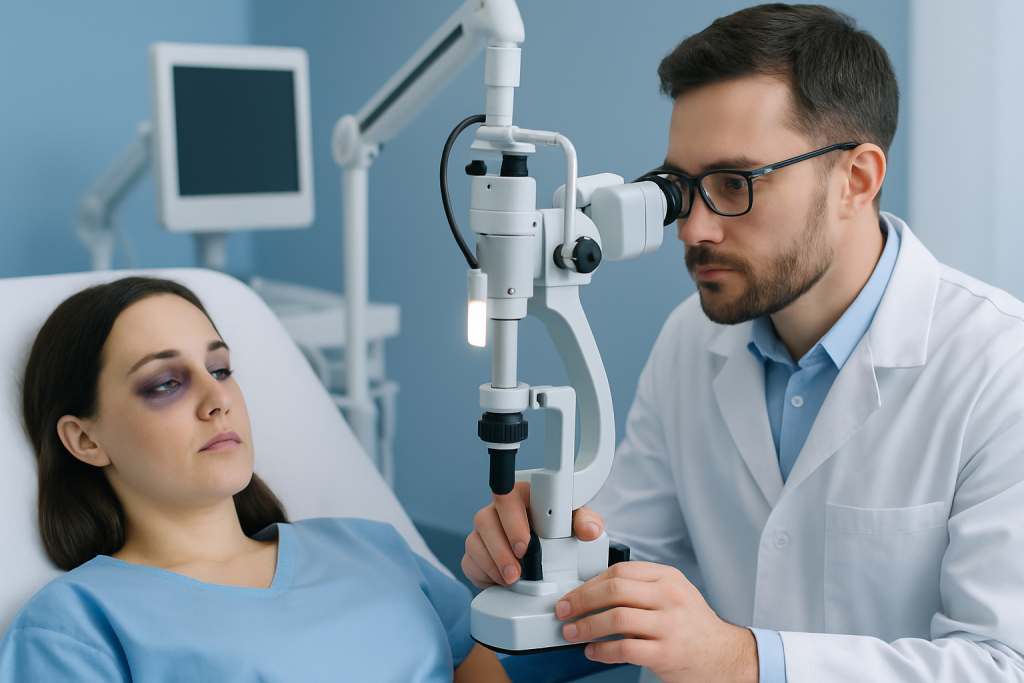
Eyelid blackening does not always look the same from person to person. In some cases, the skin appears simply darker than the surrounding face. In others, the eyelids may look puffy, irritated, or slightly thickened, especially if there has been repeated rubbing or inflammation.
Common associated features may include:
- Itching or a burning sensation
- Dryness, flaking, or scaling of the eyelid skin
- Swelling of the eyelids
- Redness of the eyes or the skin around them
- Tired-looking eyes or a shadowed appearance under bright light
The pattern can offer useful clues. Darkening on both sides often suggests allergy, irritation, or a pigment-related change, while a new one-sided change may need closer medical review. If the skin texture has changed, or if the eyelids are painful or crusted, evaluation is especially important.
Causes and risk factors

Several different processes can lead to dark eyelids. One of the most common is post-inflammatory hyperpigmentation, which means the skin darkens after being irritated or inflamed. This may follow eczema, allergic contact dermatitis, frequent eye rubbing, or even harsh skin products applied too close to the eyes.
Other common causes include allergic reactions, chronic nasal congestion with repeated rubbing, sun exposure, and natural pigmentation differences that become more visible with age. Thin eyelid skin can also show blood vessels or shadowing more easily in people with deeper skin tones or facial anatomy that creates a darker contour.
Less commonly, eyelid blackening may be related to medical conditions such as thyroid disease, anemia, certain endocrine disorders, medication reactions, or pigment changes affecting the skin. A healthcare professional will also consider whether cosmetic products, contact lens solutions, or skincare ingredients are contributing to the problem.
Risk is higher when a person has a history of allergies, atopic dermatitis, frequent eye rubbing, chronic eye irritation, or uses multiple skincare and cosmetic products near the eyes. International patients seeking care may find it helpful to bring a list or photos of the products they use, since names and ingredients can be easier to review than recalling them from memory.
Diagnosis
Diagnosis usually begins with a careful history and examination rather than a single test. A doctor will ask when the darkening started, whether it changes with seasons or product use, and whether there are symptoms such as itching, tearing, dryness, fatigue, or skin rash elsewhere on the body.
The eyelids, eyes, and surrounding facial skin are examined for swelling, redness, scaling, thickening, and signs of rubbing or infection. If allergies or dermatitis seem likely, the clinician may discuss possible triggers in cosmetics, cleansers, hair products, nail products, or environmental exposures that could transfer to the eyelids by touch.
When needed, additional testing may be recommended. This can include allergy evaluation, blood tests for certain medical conditions, or dermatology assessment if the diagnosis is unclear. The goal is not only to confirm the cause of the discoloration, but also to rule out conditions that need specific treatment.
Treatment options
Treatment depends on the underlying cause, so the first step is often to calm the irritation or remove the trigger. If an allergy or dermatitis is driving the discoloration, management may include stopping the suspected product, improving eyelid skin care, and treating the inflammation under medical guidance. When the skin settles, the color change may fade gradually.
If a pigment change remains after inflammation, treatment may focus on reducing further darkening and supporting skin recovery. A doctor may recommend gentle skin-care routines, sun protection, or selected topical treatments appropriate for the delicate eyelid area. Because eyelid skin is thin, not every cosmetic ingredient that is used elsewhere on the face is safe near the eyes.
In some cases, the main issue is not skin pigment but shadowing from anatomy, puffiness, or under-eye contour. Depending on the cause, treatment may be conservative or, in selected patients, involve specialist care. This might include management of eyelid disease, allergy treatment, or referral to an ophthalmologist or dermatologist for a more precise plan.
For international patients traveling for evaluation, treatment plans are often built to be practical across borders: the doctor may prioritize therapies that can be continued at home, explain how to monitor response, and schedule follow-up in a way that fits travel timing.
Prevention and self-care
Gentle care makes a meaningful difference because the eyelids react quickly to irritation. It is usually wise to avoid rubbing the eyes, remove eye makeup carefully, and choose fragrance-free, non-irritating products around the face. If a product stings or causes redness, it should be stopped and reviewed.
Practical steps may include:
- Using a mild cleanser and lukewarm water around the eyes
- Avoiding harsh scrubs, peels, and unapproved whitening products near the eyelids
- Managing allergies and nasal congestion with a clinician’s guidance
- Wearing sunglasses and using sun protection appropriate for the face
- Keeping a short list of products that touch the eye area, including makeup and hair products
If the skin is dry or itchy, a doctor may suggest a suitable moisturizer or treatment for the underlying skin condition. It is best not to apply strong steroid creams, lightening agents, or combination products near the eyes unless prescribed, because the area is sensitive and complications can occur with inappropriate use.
When to see a doctor
Medical review is advisable when eyelid blackening is new, persistent, or clearly worsening. It is especially important to seek care if the discoloration is only on one side, if there is pain, vision change, discharge, marked swelling, or a firm lump, or if the eyelid skin is crusted or bleeding.
A doctor should also assess the problem if it comes with fatigue, paleness, weight change, heat or cold intolerance, widespread skin darkening, or other symptoms that suggest a broader medical condition. Even when the issue seems mainly cosmetic, an evaluation can be useful if the person wants a safe treatment plan tailored to sensitive eyelid skin.
For patients considering care abroad, a multidisciplinary evaluation can be helpful when the cause is not obvious. Acibadem Health Point’s multidisciplinary specialists and JCI-accredited hospitals diagnose and treat this condition for international patients, with attention to both medical accuracy and a smooth follow-up plan after return home.
Living with eyelid blackening
When eyelid blackening lingers, it can affect confidence as much as comfort. Many people spend time trying to conceal it, but the most effective path is usually to understand what is happening to the skin rather than repeatedly covering the area with stronger products, which can keep the cycle of irritation going.
Progress is often gradual. If the trigger is found and managed, the skin may improve slowly over weeks to months, especially when rubbing, inflammation, and sun exposure are reduced. If a medical condition is contributing, treating that condition may be the key to improving the eyelids as well as overall well-being.
Because the eyelids are so delicate, the safest long-term strategy is a personalized one. A clinician can help separate harmless shadowing from a treatable skin or eye problem and recommend options that fit the person’s skin type, age, and travel situation.
Frequently asked questions
01Is eyelid blackening always a sign of disease?
No. It can happen from irritation, allergies, rubbing, or normal pigmentation differences. However, persistent or changing darkening should still be checked so the cause is clear.
02Can allergies make the eyelids look darker?
Yes. Allergies can lead to rubbing, swelling, and inflammation, which may darken the skin over time. Treating the allergy and reducing rubbing often helps.
03Will the dark color fade on its own?
Sometimes it does, especially if it followed temporary irritation or inflammation. If pigment has developed gradually or the trigger continues, improvement may be slower and may need treatment.
04Are creams safe for dark eyelids?
Not all creams are safe near the eyes. Gentle, doctor-approved products are best because eyelid skin is thin and easily irritated.
05Can makeup cause eyelid blackening?
Yes, if it causes allergy or irritation, especially with repeated use. Eye makeup, removers, and even hair products can trigger eyelid skin changes in sensitive people.
06What specialist should evaluate it?
An ophthalmologist, dermatologist, or both may be appropriate, depending on whether the problem seems more eye-related, skin-related, or unclear. A stepwise evaluation helps identify the cause and the safest treatment.
This article is for general information only and is not a substitute for professional medical advice. Please consult a qualified doctor about your individual situation.
Explore treatments in Turkey — costs, top hospitals & a free quote
JCI-accredited · board-certified surgeons · reply within 24h
Add us as a Preferred Source to see more of our trusted health content across Google Search, AI Overviews and Discover.

How can we help you today?
Meet an Acibadem specialist by secure video, before you travel.
Book a video visit