Exploding Head Syndrome: Symptoms, Causes and Treatment

Key Takeaways
- Exploding Head Syndrome is a sleep-related event, not a sign that the head is physically exploding.
- Episodes usually happen at sleep onset or during awakening and may include a loud bang, crash, or electric-like sound.
- Stress, poor sleep, and sleep schedule disruption may make episodes more noticeable for some people.
- Diagnosis is usually based on symptoms and a careful sleep history, with tests used when another condition is suspected.
- Good sleep habits and stress reduction often help, while medical review is useful if symptoms are frequent or confusing.
Exploding Head Syndrome is a sleep-related parasomnia in which a person hears or senses a sudden loud noise as they are falling asleep or waking up. Although the experience can feel startling, it is usually harmless and often improves once it is recognized and managed appropriately.
Overview
Exploding Head Syndrome is a name that sounds dramatic, but the condition itself is generally benign. It describes a brief sleep-related experience in which a person suddenly hears a loud noise, such as a bang, crash, boom, or electrical pop, as they are drifting off to sleep or just waking up.
The event can be unsettling, especially the first time it happens. Many people worry that the sound means something is wrong with the brain or ears, yet the syndrome is not associated with physical pain or actual head damage. It belongs to a group of sleep phenomena called parasomnias, which are unusual experiences that occur around sleep.
For international patients seeking medical advice, this symptom is usually approached through a careful conversation rather than a complicated test list. A clinician will focus on when the episodes happen, what they feel like, and whether anything else is occurring during sleep, such as movement, confusion, or daytime symptoms.
Symptoms
The core symptom is a sudden perception of a very loud sound inside the head or just outside it. Some people describe a bang, explosion, thunderclap, metallic clash, or a jolting electrical noise. The sound is typically brief, often lasting only a second or two, but the reaction can linger because the episode is so unexpected.
People may also notice a flash of fear, a racing heartbeat, or a feeling of being startled awake. Some have a brief visual sensation or a sense of muscle twitching, but pain is not a typical feature. Importantly, the episode does not usually leave a person confused, weak, or unable to function the next day.
Episodes may happen once in a lifetime, or they may recur over days or weeks. Some people experience them only during periods of stress, sleep deprivation, irregular travel, or changes in sleep routine. Others notice no clear pattern at all.
Causes & Risk Factors

The exact cause of Exploding Head Syndrome is not fully understood. One leading explanation is that it reflects a temporary mismatch in the brain’s sleep-wake transition, when sensory processing briefly misfires as the body is moving between wakefulness and sleep.
Several factors may be associated with a higher chance of noticing episodes. These include stress, anxiety, sleep deprivation, fragmented sleep, and sudden changes in sleep timing. People who travel across time zones, work rotating shifts, or have irregular bedtimes may find their sleep more vulnerable to this kind of disturbance.
In some cases, Exploding Head Syndrome may appear alongside other sleep concerns, such as insomnia or other parasomnias. It has also been reported more often in adults than children, though it can occur at different ages. It is not generally considered a sign of a dangerous neurological disorder, but similar symptoms can occasionally come from other causes, which is why a medical history matters.
Diagnosis
Diagnosis is usually clinical, meaning it is based on the person’s description of the episodes. A doctor will ask what the sound felt like, when it occurs, whether the person was falling asleep or waking, and whether there were other symptoms such as headache, loss of awareness, or movement problems.
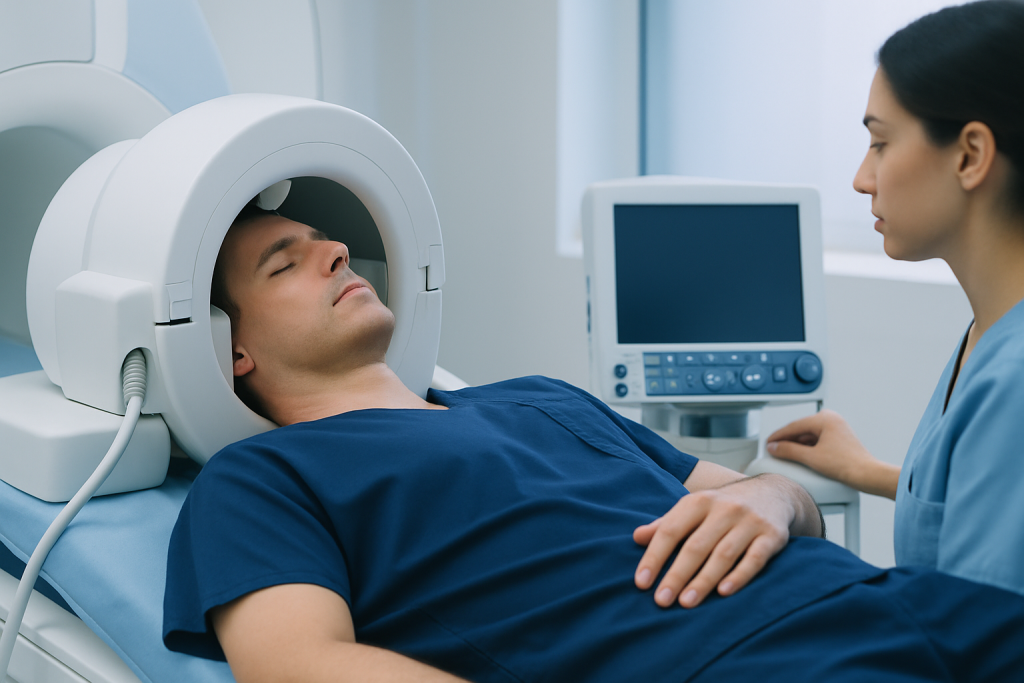
In many cases, no test is needed if the pattern is typical and there are no warning signs. However, if the story is unclear, if episodes happen with unusual neurological symptoms, or if another sleep disorder is suspected, the clinician may suggest sleep studies or other assessments. This helps separate Exploding Head Syndrome from conditions such as nocturnal seizures, migraine phenomena, or panic-related awakenings.
For people arranging evaluation from another country, it can help to keep a brief sleep diary before the appointment. Recording the time of episodes, recent stressors, caffeine use, medication changes, and sleep schedule can make the consultation more efficient and informative.
Treatment Options
Many people do not need medication. Once they understand that the episodes are not dangerous, the distress often decreases on its own. Education and reassurance are therefore an important part of treatment.
If episodes are frequent or disruptive, a clinician may look for contributing sleep problems and address them first. Improving insomnia, reducing sleep deprivation, and stabilizing sleep timing can make a meaningful difference. In some cases, treatment for anxiety or stress may also reduce the frequency of episodes.
Medication is not routinely required, and when it is considered, the decision is individualized by a doctor familiar with the person’s overall health and sleep history. The goal is to reduce symptoms while avoiding unnecessary treatment. A careful review is especially helpful for patients who have already tried several remedies without understanding the trigger.
Prevention & Self-care
Consistent sleep habits are a practical first step. Going to bed and waking up at similar times, limiting sleep deprivation, and making the bedroom environment calm and predictable may reduce the chance of episodes. For many people, the issue becomes less noticeable when sleep is steadier.
Stress management can also help. Gentle relaxation routines, reduced screen time before bed, breathing exercises, or other calming habits may lower nighttime arousal. Caffeine and other stimulants late in the day may be worth reviewing with a clinician if episodes seem more frequent after use.
- Keep a simple sleep diary for a few weeks.
- Prioritize regular sleep after travel or shift changes.
- Limit late-night stimulants when possible.
- Discuss recurring episodes if they are causing fear of sleep.
Self-care is not about “fixing” a dangerous condition, but about making the sleep-wake transition smoother and less startling. For patients recovering while abroad, maintaining the same sleep routine after treatment can be especially helpful.
When to See a Doctor
Medical review is sensible if the episodes are new, frequent, or creating enough worry to interfere with sleep. It is also a good idea to seek advice if the experience includes severe headache, fainting, daytime neurological symptoms, confusion, or any loss of awareness.
Evaluation is also important when the sound sensations do not fit the usual pattern, happen many times a night, or are accompanied by other sleep events such as violent movements or breathing pauses. In those situations, a clinician may want to rule out other sleep or neurological conditions.
For patients traveling for care, a neurology or sleep-medicine consultation can provide clarity quickly and help avoid unnecessary testing. Acibadem Health Point’s multidisciplinary specialists and JCI-accredited hospitals diagnose and treat this condition for international patients, with an emphasis on careful assessment and coordinated follow-up.
Most importantly, Exploding Head Syndrome is usually manageable once it is recognized. A clear diagnosis often brings relief, because the experience is frightening in the moment but commonly not dangerous.
Living With Exploding Head Syndrome
People often feel better after learning the name of the condition and understanding that it does not mean the brain is exploding or failing. That reassurance alone can reduce fear and, in some cases, make the episodes less intense.
Living with the condition usually means paying attention to sleep quality and noticing patterns over time. If travel, stress, or irregular schedules are involved, those factors can be planned for in advance whenever possible. Shared decisions with a doctor are useful when episodes persist or overlap with other sleep concerns.
For many patients, the main challenge is not the episode itself, but the uncertainty around it. Once the cause is explained and other conditions are excluded when appropriate, the path forward is typically straightforward and reassuring.
Frequently asked questions
01Is Exploding Head Syndrome dangerous?
It is usually not dangerous. The experience can be intense and frightening, but it is generally a benign sleep-related parasomnia. A medical review is still useful if symptoms are unusual or accompanied by other neurological signs.
02Why does it happen when falling asleep or waking up?
It tends to occur during transitions between sleep and wakefulness, when the brain is changing its sensory processing. In that brief moment, a person may perceive a loud sound that is not actually present.
03Can stress make it worse?
Stress may make episodes more noticeable for some people, especially when it affects sleep quality. Sleep deprivation, irregular schedules, and anxiety can also contribute to a more unstable sleep pattern.
04Do people hear the sound outside the head?
The sound may seem to come from inside the head or from the room, and different people describe it differently. Either way, the sensation is part of the sleep event and not usually a sign of hearing damage.
05Is a sleep study always needed?
No, not always. Many cases are diagnosed from the story alone, but a doctor may recommend testing if the episodes are atypical or if another sleep disorder needs to be ruled out.
06What can help right away?
Regular sleep, reducing sleep deprivation, and paying attention to stress can be helpful first steps. If episodes continue or cause significant worry, a doctor can review the situation and advise whether further evaluation is needed.
This article is for general information only and is not a substitute for professional medical advice. Please consult a qualified doctor about your individual situation.
Explore treatments in Turkey — costs, top hospitals & a free quote
JCI-accredited · board-certified surgeons · reply within 24h
Add us as a Preferred Source to see more of our trusted health content across Google Search, AI Overviews and Discover.