Essential Oil Diffuser: Benefits and Risks

Key Takeaways
- Essential oil diffusers disperse tiny particles or vaporized oils into the air for fragrance and aromatherapy use.
- Not everyone tolerates essential oils well; headaches, coughing, asthma symptoms, or skin irritation can occur.
- Safe use depends on dilution, ventilation, cleaning, and avoiding prolonged or excessive exposure.
- Children, pregnant individuals, people with asthma, and pets may need extra caution around diffusers.
- A diffuser is not a treatment for illness, and persistent symptoms should be discussed with a qualified clinician.
An essential oil diffuser can add fragrance to a room and is often used as part of aromatherapy at home. Understanding how it works, who may be sensitive to it, and how to use it safely helps keep the experience comfortable and low risk.
Overview
An essential oil diffuser is a household device designed to spread the scent of an essential oil into the air. Some people use it to create a calming atmosphere, freshen a room, or support a personal relaxation routine. In home settings, it is usually viewed as a wellness accessory rather than a medical device.
Diffusers come in several forms, including ultrasonic, nebulizing, heat-based, and evaporative models. They work in different ways, but the common goal is the same: to release aromatic compounds into the surrounding air. Because the concentration in the room can vary widely, the experience can feel mild for one person and irritating for another.
For international patients who travel for care, this matters in practical ways. A person recovering in a hotel room, short-term apartment, or family home may want to know whether fragrance use will be comfortable, especially if anyone nearby has asthma, allergies, migraines, or sensitivity to strong scents. Choosing a diffuser is often less about trends and more about making the environment feel breathable and predictable.
How Diffusers Are Used
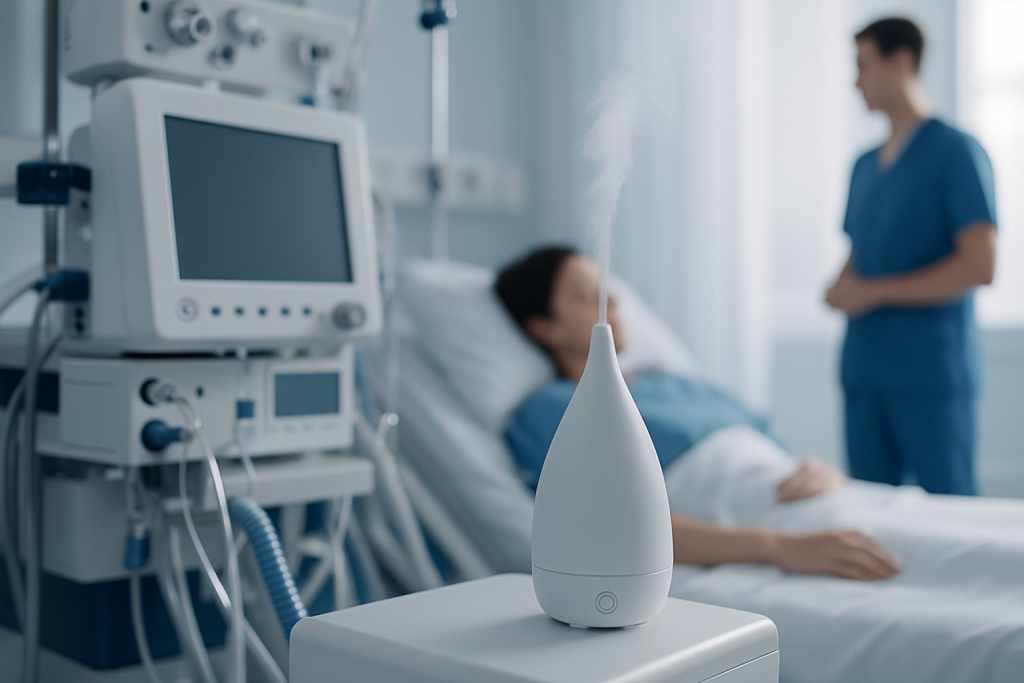
Many people use a diffuser as part of a daily routine: a few drops of oil, a small amount of water if the device requires it, and a short run time in a room with some air circulation. The result is usually a light fragrance rather than a strong perfume-like scent, although output varies by model and room size.
Common uses include winding down before sleep, creating a specific mood during meditation or reading, or masking ordinary household odors. Some users enjoy rotating scents depending on the time of day. Even so, more fragrance is not always better. A subtle aroma is often easier to tolerate and less likely to trigger discomfort.
Clean equipment also matters. Residue can build up in the tank or nozzle, changing the smell and potentially affecting how the device works. Following the manufacturer’s instructions for filling, cleaning, and storage helps keep the diffuser safer and more pleasant to use.
- Use only oils intended for diffuser use.
- Keep the room ventilated when possible.
- Pause use if the smell becomes overwhelming.
- Clean the device regularly to reduce buildup.
Symptoms and Sensitivities

Although many people use diffusers without problems, some notice symptoms that suggest sensitivity to fragrance or essential oils. These can include coughing, throat irritation, watery eyes, sneezing, headache, nausea, or a feeling of chest tightness. For some individuals, even a pleasant scent can be physically uncomfortable.
People with asthma or other breathing conditions may be more likely to react to strong airborne scents. Those with migraine tendencies may find that certain fragrances act as triggers. Skin exposure can also matter, especially if undiluted oil touches the skin while handling the device or refilling it.
It is important to separate mild preference from a true reaction. Disliking a scent is common; repeated symptoms after exposure deserve attention. If the same room fragrance consistently leads to breathing symptoms, headache, or irritation, the safest step is to stop using the diffuser and discuss the pattern with a clinician.
Causes and Risk Factors
Symptoms related to diffusers are usually linked to the essential oil itself, the strength of the scent, the amount dispersed, or the environment in which it is used. Poor ventilation can allow fragrance compounds to linger longer, which may increase the chance of irritation. Stronger oils may also be more likely to bother sensitive users.
Certain groups are worth extra caution. Young children, pregnant individuals, older adults with respiratory disease, people with asthma, and anyone with a history of fragrance sensitivity may respond differently than expected. Pets can also be affected by some oils, so a diffuser used in a shared home should be selected carefully and placed thoughtfully.
Another practical issue is incorrect use. Overfilling the device, adding too much oil, running it for long periods, or placing it in a small enclosed space can make the fragrance heavier than intended. In a hotel room or temporary recovery space, where windows may not open widely, that concentration can build more quickly than at home.
Diagnosis and What Doctors Look For
There is no single test for a diffuse-related irritation pattern. A doctor usually starts by asking when symptoms began, how quickly they appeared after exposure, which oils were used, and whether the person has asthma, allergies, eczema, or migraine. A clear symptom history is often the most useful clue.
If breathing symptoms are present, the clinician may examine lung function or assess for asthma, allergic rhinitis, or another respiratory condition. If skin reactions are involved, the focus may shift toward contact irritation or allergy. In some cases, the real problem is not the diffuser itself but an underlying sensitivity that becomes noticeable when the air is scented.
People preparing for treatment abroad sometimes ask whether they should mention fragrance sensitivity during pre-travel planning. The answer is yes. It can help the care team suggest a room setup, cleaning approach, or scent-free environment that is more comfortable during recovery and follow-up.
Treatment Options
Most diffuser-related symptoms improve once exposure stops. If the issue is mild, fresh air, rest, and avoiding the trigger may be enough. If a person has known asthma or allergies, they should use their usual prescribed treatment plan and speak to a doctor if symptoms do not settle promptly.
If the response is more than mild, a clinician may advise avoiding that specific oil or all diffusers. Some people are sensitive to certain botanical extracts but tolerate others poorly as well, so trial-and-error at home is not always the safest approach. Repeated exposure in the hope of “getting used to it” is generally not a good idea when symptoms involve the airways or skin.
When there is a broader issue such as allergic rhinitis, asthma, eczema, or migraine, the treatment focuses on the underlying condition rather than the diffuser. This may include medical review, trigger management, and adjustments to the home environment. For international patients, a coordinated specialist team can be especially helpful when symptoms appear while traveling and continuity of care matters.
Prevention and Self-care
Safe diffuser use starts with moderation. A smaller amount of oil, shorter sessions, and a room with fresh air are usually easier to tolerate than continuous heavy scent. It also helps to keep the device away from children’s reach, food preparation areas, and direct contact with pets.
Cleaning is not optional. Water tanks, nozzles, and lids can collect residue over time, and old buildup may alter the scent or irritate the nose and throat. The manufacturer’s instructions are the best guide, but regular rinsing and periodic deeper cleaning are commonly recommended. Using only oils made for diffuser use can also reduce problems.
People with sensitive airways may prefer scent-free spaces altogether, especially at night. If a diffuser is used, it is wise to stop immediately if coughing, wheezing, headache, or eye irritation appears. A practical self-care approach is to keep the room simple, ventilated, and easy to leave if the fragrance becomes uncomfortable.
- Start with short sessions rather than all-day use.
- Avoid overloading the device with oil.
- Choose fragrance-free alternatives if symptoms recur.
- Store oils securely and label them clearly.
When to See a Doctor
Medical advice is sensible if symptoms happen every time the diffuser is used, if a person develops wheezing, shortness of breath, chest tightness, or a persistent cough, or if skin irritation becomes widespread or severe. These signs may point to a sensitivity that should not be ignored.
It is also wise to seek evaluation if fragrance exposure seems to trigger migraine, sleep disturbance, or ongoing nasal symptoms. A doctor can help determine whether the problem is a diffuser, an essential oil, a pre-existing condition, or something else in the environment. In some cases, the answer is simply to avoid scented devices and choose a different way to make a room feel comfortable.
For patients receiving care away from home, especially those arranging treatment through Acibadem Health Point, multidisciplinary specialists and JCI-accredited hospitals can help diagnose and treat fragrance-related respiratory or allergy concerns in an international-patient setting. That support can make recovery spaces easier to manage and follow-up more straightforward.
Living With Fragrance Sensitivity
Fragrance sensitivity can feel inconvenient, but it is manageable. Many people do best when they treat it as a real environmental trigger and make calm, practical adjustments rather than trying to push through symptoms. Small changes in room ventilation, cleaning habits, and product choice often make a noticeable difference.
If a household includes several people with different preferences, a shared plan helps. One room can remain scent-free, another can be used for occasional fragrance, and everyone can agree on how long a diffuser may run. This is especially useful during recovery periods, when comfort and rest matter more than style or trend.
The main goal is not to ban every fragrance from every setting. It is to use aroma in a way that respects breathing, skin comfort, and overall well-being. When symptoms are persistent or concerning, a qualified doctor can help clarify what is happening and whether a more specific medical evaluation is needed.
Frequently asked questions
01Are essential oil diffusers safe for everyday use?
They can be safe for many adults when used sparingly, in a ventilated room, and according to the manufacturer’s instructions. However, some people develop irritation or breathing symptoms, so daily use is not suitable for everyone.
02Can a diffuser help with sleep or stress?
Some people find the scent calming and enjoy it as part of a bedtime routine. The effect is personal and not guaranteed, and a diffuser should not replace medical care for insomnia, anxiety, or other health concerns.
03Why does a diffuser make me cough or sneeze?
The fragrance compounds may be irritating your nose, throat, or airways, especially if the scent is strong or the room is poorly ventilated. If this keeps happening, it is best to stop using the diffuser and speak with a doctor if symptoms persist.
04Can children use essential oil diffusers around them?
Extra caution is needed with children because their airways can be more sensitive. It is best to avoid strong scents near infants and young children and to ask a pediatric clinician before using essential oils in a child’s space.
05Do essential oil diffusers require cleaning?
Yes. Regular cleaning helps prevent buildup and keeps the device working properly. A dirty diffuser can change the smell and may increase irritation for some users.
06Should people with asthma avoid diffusers?
Many people with asthma are sensitive to fragrance, so diffusers may worsen symptoms. It is safer to speak with a doctor before using one, especially if breathing symptoms have happened before.
This article is for general information only and is not a substitute for professional medical advice. Please consult a qualified doctor about your individual situation.
Explore treatments in Turkey — costs, top hospitals & a free quote
JCI-accredited · board-certified surgeons · reply within 24h
Add us as a Preferred Source to see more of our trusted health content across Google Search, AI Overviews and Discover.