Esophageal Cancer: Symptoms, Causes and Treatment

Key Takeaways
- The most common early symptom is difficulty swallowing, especially with solid foods.
- Unexplained weight loss, chest discomfort, and persistent reflux can also occur.
- Symptoms may overlap with less serious digestive conditions, so testing is important.
- A diagnosis usually involves endoscopy and imaging, with biopsy confirming cancer.
- Treatment depends on the cancer stage and may include surgery, chemotherapy, radiation, or targeted approaches.
Esophageal cancer often begins with subtle swallowing changes that may be easy to dismiss at first. Recognizing the pattern of symptoms early and seeking medical evaluation can help clarify the cause and guide timely care.
Overview
Esophageal cancer affects the tube that carries food and liquid from the mouth to the stomach. Because this passage is narrow and closely involved in eating, the first clues often appear during meals rather than as dramatic, sudden illness. Many people notice that swallowing feels different before they think of cancer as a possibility.
That gradual change can be easy to overlook. A person may simply start chewing longer, drinking more water with meals, or avoiding certain textures. For international patients arranging care from another country, these early changes matter because they can be the difference between being checked promptly and assuming the problem is only indigestion.
Esophageal Breast Cancer Symptoms: Early Signs and Changes" class="ahp-ilk">cancer symptoms are not specific to one disease. Reflux, inflammation, swallowing disorders, and other digestive conditions can create similar complaints. Still, persistent or progressive symptoms deserve evaluation because only a medical assessment can determine the cause.
Symptoms

The most recognized symptom is dysphagia, or trouble swallowing. It often begins with solid foods, such as bread or meat, and may later involve softer foods or even liquids. Some people describe a feeling that food is sticking in the chest or moving down more slowly than before.
Other symptoms may develop as the disease affects the esophagus more broadly or spreads beyond it. These can include unexplained weight loss, reduced appetite, chest pain or pressure, frequent burping, and a sense of food coming back up. Hoarseness, coughing with swallowing, or a chronic sore throat may also occur in some cases.
Warning signs are often subtle at first and may appear in combinations rather than alone. Common symptoms can include:
- Difficulty swallowing, especially a progression from solid foods to softer items
- Unintentional weight loss
- Pain or discomfort behind the breastbone
- Regurgitation of food or persistent reflux-like symptoms
- Hoarseness or ongoing cough
- Fatigue related to poor intake or anemia
Because the esophagus is central to eating, symptoms can affect daily routines quickly. A person may begin choosing only liquids, avoiding social meals, or eating much more slowly. Those changes are worth discussing with a doctor, even if they seem manageable at first.
Causes & Risk Factors

Esophageal cancer develops when cells in the esophagus change and grow in an uncontrolled way. There are different types, and risk patterns can vary by type and by region of the world. In general, long-term irritation or damage to the esophageal lining can increase risk over time.
Several factors are associated with a higher chance of developing the disease. These include chronic gastroesophageal reflux disease, Barrett’s esophagus, tobacco use, heavy alcohol intake, obesity, and certain dietary or environmental exposures. Age also matters, as the risk rises with advancing years.
Some people have a family history of cancer or a background of conditions that affect the upper digestive tract. However, many people who develop esophageal cancer do not have one obvious cause. Risk factors help guide attention, but they do not determine an individual’s diagnosis on their own.
Diagnosis
When symptoms raise concern, doctors usually begin by asking when swallowing changed, which foods are difficult to manage, and whether there has been weight loss or reflux. A careful history can help distinguish a temporary irritation from a pattern that needs further testing.
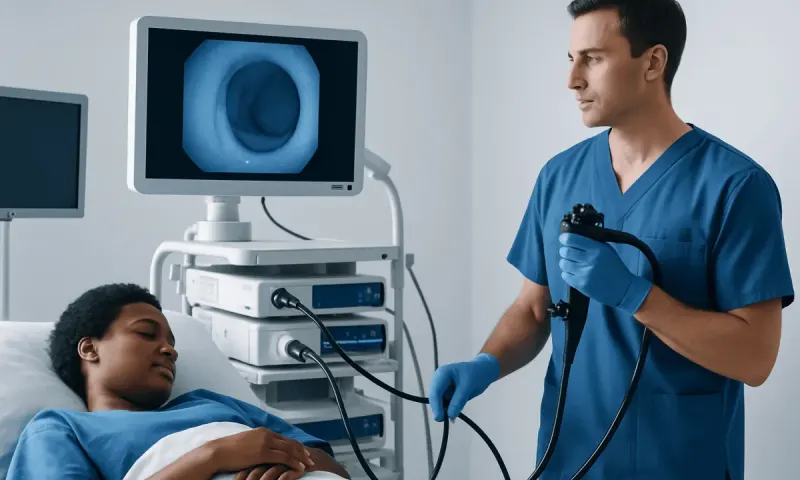
The key diagnostic test is usually upper endoscopy, also called esophagogastroduodenoscopy. During this procedure, a thin flexible camera examines the esophagus and nearby upper digestive tract. If an abnormal area is seen, a biopsy is taken so the tissue can be examined under a microscope.
Imaging tests may then be used to understand the extent of disease and whether nearby lymph nodes or other organs are involved. Depending on the case, this can include CT, PET, endoscopic ultrasound, or other studies. For patients traveling internationally, these steps are often coordinated so that diagnosis, staging, and treatment planning can happen in a structured sequence rather than across disconnected appointments.
Treatment Options
Treatment is guided by the cancer type, the stage at diagnosis, overall health, and how well a person can eat and maintain nutrition. Some early cancers may be treated with endoscopic procedures, while more advanced disease often requires a combination of therapies.
Surgery can remove part of the esophagus in selected cases. Chemotherapy and radiation therapy are commonly used before surgery, after surgery, or as the main treatment when surgery is not the best option. In some cases, targeted therapy or immunotherapy may be considered based on tumor features and the treatment plan.
Supportive care is an important part of management from the beginning. Nutrition support, pain relief, swallowing strategies, and treatment of reflux or dehydration can help preserve strength during therapy. For people receiving care far from home, planning for recovery, follow-up imaging, and local coordination after return travel is often part of the treatment conversation.
Prevention & Self-care
Not every case of esophageal cancer can be prevented, but certain steps can lower risk or support earlier detection. Quitting tobacco, limiting alcohol, maintaining a healthy weight, and managing chronic reflux are all sensible measures. People with known Barrett’s esophagus or long-standing swallowing symptoms should follow their doctor’s recommendations for surveillance.
Self-care also means paying attention to patterns that persist. If swallowing becomes more difficult, if meals take much longer, or if a person begins avoiding foods they once ate comfortably, it is reasonable to ask for medical advice. These are not symptoms to “watch indefinitely” when they are progressing.
Practical nutrition adjustments may help while waiting for evaluation or treatment. Smaller bites, slower eating, softer textures, and adequate fluids can reduce discomfort, but they should not replace medical assessment when symptoms continue. If eating becomes too difficult, nutritional support should be discussed promptly.
When to See a Doctor
Medical evaluation is important if swallowing difficulty lasts more than a short time, worsens over days or weeks, or is accompanied by weight loss, chest pain, vomiting, or food getting stuck. Persistent hoarseness, coughing with meals, or black stools also deserve attention. Even when symptoms seem mild, progression is a meaningful signal.
A doctor should be contacted sooner if a person cannot keep enough food or liquids down, feels weak from poor intake, or has repeated choking episodes. These situations may require more urgent assessment to protect hydration and nutrition. If symptoms start interfering with normal eating, they should not be dismissed as simple indigestion.
For international patients, seeking care at a center that can organize diagnostic testing, specialist review, and treatment planning in one pathway can be especially helpful. Acibadem Health Point’s multidisciplinary specialists and JCI-accredited hospitals diagnose and treat esophageal cancer for international patients, with care arranged around the full treatment journey.
Frequently asked questions
01What is the first symptom of esophageal cancer?
Difficulty swallowing is often the first noticeable symptom. It may begin with solid foods and gradually progress to softer foods or liquids.
02Does esophageal cancer always cause pain?
Not always. Some people mainly notice swallowing problems, weight loss, or reflux-like symptoms before any pain appears.
03Can heartburn be a symptom of esophageal cancer?
Persistent heartburn or reflux can sometimes overlap with symptoms of esophageal cancer, but it is far more often caused by non-cancerous conditions. Ongoing or changing symptoms should still be checked by a doctor.
04How is esophageal cancer confirmed?
It is usually confirmed with endoscopy and biopsy. Imaging tests are then used to see how far the disease may have spread.
05Is trouble swallowing always a sign of cancer?
No, trouble swallowing can happen for many reasons, including reflux, inflammation, or muscle and nerve problems. Because the symptom has many possible causes, medical evaluation is important when it persists or worsens.
06What should a person do if eating has become difficult?
They should arrange a medical visit rather than relying only on diet changes. If food is sticking, weight is dropping, or liquids are becoming hard to swallow, the issue should be assessed promptly.
This article is for general information only and is not a substitute for professional medical advice. Please consult a qualified doctor about your individual situation.
Medical weight-loss options in Turkey — costs & eligibility
JCI-accredited · board-certified surgeons · reply within 24h
Add us as a Preferred Source to see more of our trusted health content across Google Search, AI Overviews and Discover.