Ephedrine: Uses, Dosage and Side Effects

Key Takeaways
- Ephedrine can raise blood pressure, stimulate the heart, and relax airway muscles, so it is used only in selected medical situations.
- Possible side effects include palpitations, anxiety, headache, insomnia, and blood pressure changes.
- People with heart disease, high blood pressure, thyroid disease, glaucoma, or certain other conditions may need extra caution.
- Ephedrine should not be mixed casually with other stimulants, decongestants, or some antidepressants without medical guidance.
- If symptoms such as chest pain, fainting, severe dizziness, or breathing problems occur, prompt medical attention is important.
Ephedrine is a medicine that affects the heart, blood vessels, and airways, and it may be used in specific medical situations under close supervision. Understanding its uses, risks, and precautions helps patients use it safely and know when to seek advice.
Overview
Ephedrine is a stimulant medicine that has long been used in healthcare because of the way it acts on the body’s nervous system. It can tighten blood vessels, increase heart rate, and help open the airways, which is why it may be used in controlled settings for certain breathing or blood pressure-related situations.
For most patients, ephedrine is not a medication to self-start or casually combine with over-the-counter products. Its effects can be helpful when carefully chosen by a clinician, but they can also place strain on the heart and circulation if used in the wrong situation or alongside other stimulating substances.
In practice, ephedrine is best understood as a medicine that belongs in a supervised treatment plan. That is especially true for international patients who may already be taking other medications or who need care that continues across more than one country, where clear medication lists and follow-up instructions matter.
Symptoms and Common Reasons It May Be Used
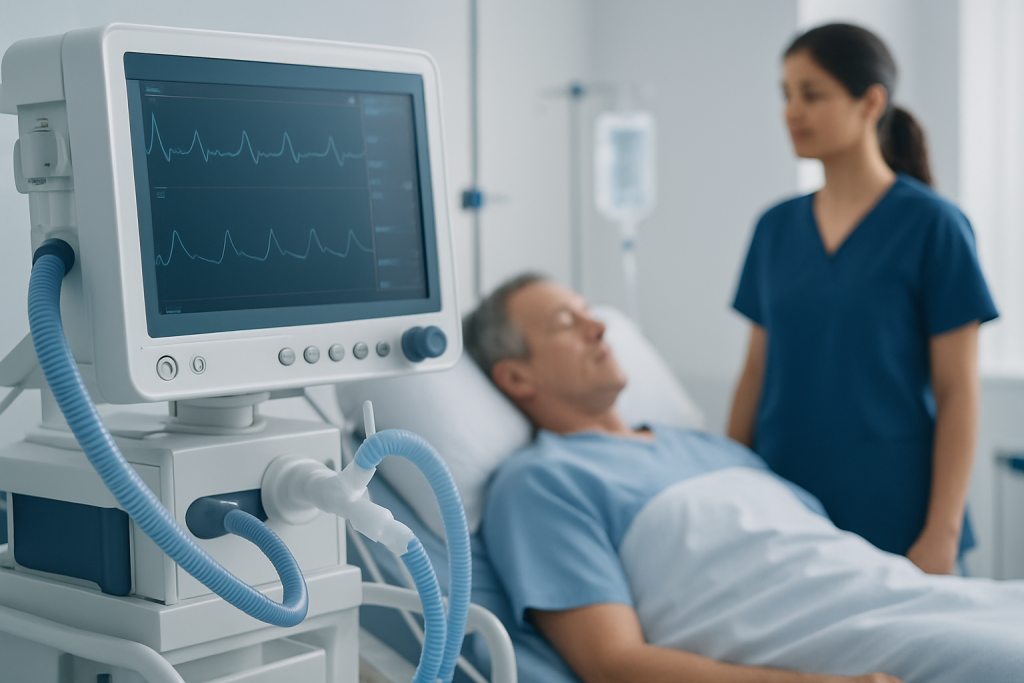
Ephedrine itself does not treat a single disease. Instead, it may be used to address symptoms or clinical situations where a temporary rise in blood pressure or improvement in breathing is needed. In medical environments, it may be considered when blood pressure drops unexpectedly, especially during anesthesia or procedures, or when airway narrowing needs to be relieved in selected cases.
Because ephedrine stimulates the body, the effects patients notice can be part of both its intended action and its side effects. A person may feel more alert, notice a faster pulse, or experience a sensation of warmth or shakiness. These responses are not always dangerous, but they should be interpreted in context and discussed with the treating team if they are strong or persistent.
Common symptoms that can occur after taking ephedrine include:
- Feeling jittery or restless
- Rapid heartbeat or palpitations
- Headache
- Dry mouth
- Difficulty sleeping
- Mild nausea
Because symptoms can overlap with those of anxiety, dehydration, fever, or other medical issues, ephedrine should only be used when a clinician has identified a clear reason for it.
Causes & Risk Factors

The main “cause” of concerns with ephedrine is usually not the medication itself, but the way it interacts with the body and with other substances. It increases sympathetic nervous system activity, which can be useful in one setting and problematic in another. A person who already has a fast heart rate, elevated blood pressure, or sensitivity to stimulants may notice stronger effects.
Certain conditions can raise the chance of unwanted reactions. These include high blood pressure, coronary artery disease, arrhythmias, hyperthyroidism, glaucoma, enlarged prostate with urinary retention, and a history of anxiety or panic symptoms. Older adults may also be more sensitive to stimulant medicines, and children should only receive such products when specifically directed by a clinician.
Drug and supplement interactions are another important risk factor. Combining ephedrine with caffeine, decongestants, weight-loss products, some asthma medicines, or specific antidepressants can increase side effects or make the heart and blood pressure more reactive. International patients should bring a complete list of all medicines and supplements, including herbal products, when seeing a doctor in a new country.
Diagnosis
There is no single test for “ephedrine use.” Diagnosis in this context means identifying whether ephedrine is appropriate, safe, and necessary for a person’s current condition. A clinician will usually review the reason for treatment, the patient’s medical history, current medications, and any recent symptoms such as palpitations, dizziness, or elevated blood pressure.
If side effects or an overdose are suspected, the medical team may check vital signs, heart rhythm, and possibly blood tests depending on the situation. This evaluation helps distinguish a medication reaction from other problems such as dehydration, infection, panic symptoms, or an underlying heart issue.
For patients traveling for care, clear documentation is especially helpful. Sharing the exact product name, dose form, timing of use, and whether the medication was prescribed or obtained over the counter can make the assessment safer and faster.
Treatment Options
Treatment involving ephedrine depends on why it is being used and how the person responds. In a hospital or procedure setting, the medicine may be given by trained staff with close monitoring of blood pressure, pulse, and overall comfort. The goal is to achieve the desired effect while limiting unnecessary stimulation.
If a person develops troublesome side effects, the clinician may stop the medicine, adjust the overall plan, or choose an alternative that better fits the patient’s health profile. Care is individualized, especially in people with cardiovascular conditions, sleep problems, or sensitivity to stimulants.
If ephedrine has caused significant symptoms, treatment may include supportive care such as rest, hydration when appropriate, and observation. In more serious situations, urgent evaluation may be needed to manage heart rhythm changes, severe blood pressure elevation, or breathing concerns.
Because ephedrine is often one part of a broader treatment plan, patients should ask whether they need temporary monitoring, a medication review, or follow-up after they leave the clinic or return home. This is particularly important for international patients who may need a written summary for their local doctor.
Prevention & Self-care
The most effective prevention is careful use. Patients should not take ephedrine on their own unless a clinician has recommended it and explained the purpose, expected effects, and precautions. Reading labels closely matters because some cold remedies, energy products, and weight-management supplements may contain stimulants that can act similarly or add to ephedrine’s effects.
Simple self-care steps can reduce risk when a clinician has prescribed or administered ephedrine: avoid extra caffeine unless advised otherwise, stay hydrated as directed, and report new symptoms promptly. It is also wise to keep medicine schedules clear and avoid taking multiple products with overlapping ingredients.
Practical prevention tips include:
- Carry an updated medication list, including supplements and herbal products.
- Ask whether any over-the-counter cold or allergy products are safe to use together.
- Tell the clinician about heart disease, blood pressure problems, thyroid conditions, glaucoma, or anxiety symptoms.
- Do not use stimulants to “push through” fatigue after a procedure or illness without advice.
For patients recovering away from home, written instructions about what to watch for and who to contact can make aftercare much smoother.
When to See a Doctor
Medical advice should be sought if ephedrine is being considered for a condition and the person has a history of heart disease, high blood pressure, abnormal heart rhythm, thyroid disease, or eye pressure problems. A clinician can help determine whether the medicine is appropriate or whether a safer alternative is better.
After taking ephedrine, prompt medical attention is important if chest pain, fainting, severe dizziness, shortness of breath, confusion, severe agitation, or a very rapid heartbeat occurs. These symptoms do not always mean a serious problem, but they deserve timely assessment.
Patients should also contact a doctor if side effects are mild but persistent, such as ongoing insomnia, tremor, headaches, or palpitations. When care is being arranged internationally, Acibadem Health Point’s multidisciplinary specialists and JCI-accredited hospitals can diagnose and treat this condition for international patients, with coordinated follow-up that helps keep medication safety clear across borders.
Living Safely With Ephedrine in a Broader Care Plan
Ephedrine is best used as a carefully considered tool rather than a routine medicine. When a clinician chooses it for a specific medical reason, the next step is usually not just taking the dose, but understanding how to monitor the response and what symptoms should trigger a call for help.
Patients who are traveling for treatment often benefit from asking for a simple plan in writing: what the medicine is for, what normal effects might feel like, what symptoms are not expected, and whether any local follow-up is needed after returning home. That kind of clarity can prevent confusion later, especially if care continues with another physician in another country.
With the right guidance, many of the concerns around ephedrine can be managed safely. The key is careful selection, honest communication about other medicines and health conditions, and prompt review of any new or uncomfortable symptoms.
Frequently asked questions
01What is ephedrine used for?
Ephedrine is used in specific medical situations where a clinician wants to raise blood pressure, support circulation, or help open the airways. It is not meant to be a casual everyday medicine, and its use depends on the patient’s condition and overall health.
02Is ephedrine the same as a decongestant?
Some products related to ephedrine have been used for congestion, but ephedrine itself has stronger stimulant effects and is not suitable for everyone. Patients should not assume that a stimulant product is safe just because it is sold without a prescription in some places.
03Can ephedrine affect the heart?
Yes. Ephedrine can increase heart rate and blood pressure, which is why it needs careful use. People with heart disease, rhythm problems, or high blood pressure should discuss risks with a doctor before taking it.
04What side effects should be watched for?
Common side effects can include jitteriness, headache, dry mouth, trouble sleeping, or palpitations. More serious symptoms such as chest pain, fainting, severe dizziness, or shortness of breath need medical attention.
05Can ephedrine be taken with caffeine?
Combining ephedrine with caffeine can make stimulant effects stronger and may increase side effects such as a racing heart or anxiety. A doctor or pharmacist should confirm whether that combination is safe in a particular situation.
06What should international patients bring to an appointment?
They should bring a complete medication list, including over-the-counter products, supplements, and herbal remedies. It also helps to bring any discharge papers, procedure notes, and the exact name of the ephedrine-containing product, if known.
This article is for general information only and is not a substitute for professional medical advice. Please consult a qualified doctor about your individual situation.
Heart care in Turkey — expert evaluation and treatment
JCI-accredited · board-certified surgeons · reply within 24h
Add us as a Preferred Source to see more of our trusted health content across Google Search, AI Overviews and Discover.