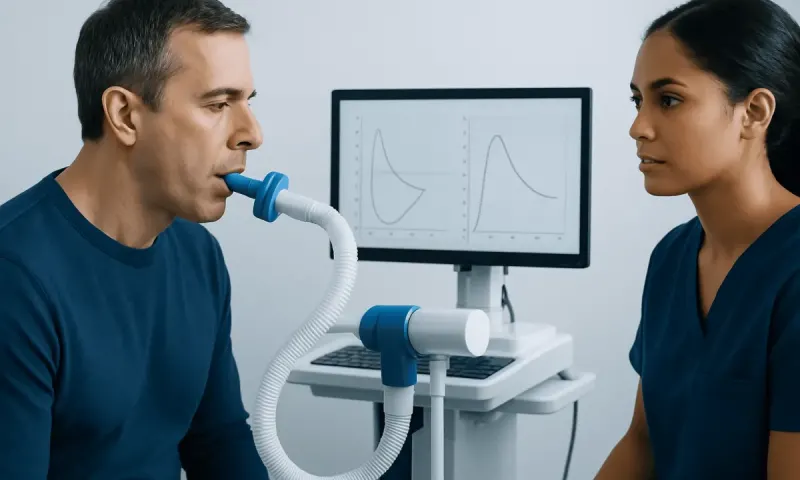
Effusion: Causes, Symptoms and Treatment

Key Takeaways
- Effusion means excess fluid has collected where it normally should not be.
- Symptoms vary by location and may include pain, swelling, pressure, or shortness of breath.
- Finding the underlying cause is usually more important than simply removing the fluid.
- Diagnosis often includes imaging, blood tests, and sometimes a fluid sample.
- Treatment may involve observation, medicine, drainage, or procedures targeted to the cause.
- People with sudden breathing trouble, chest pain, or severe joint swelling should seek prompt medical care.
Effusion refers to an abnormal collection of fluid in or around a body space, most often in the chest, joints, or around the heart. The right treatment depends on the location and the cause, so timely medical evaluation is important.
Overview
Effusion is a medical term for fluid that collects in a space where only a small amount — or no extra fluid — should normally be present. It is not a diagnosis by itself. Instead, it is a clue that something else in the body may be causing irritation, inflammation, infection, injury, or another underlying problem.
The term is used in several different ways. A pleural effusion involves fluid around the lungs, a pericardial effusion involves fluid around the heart, and a joint effusion means extra fluid has accumulated inside a joint such as the knee. Because the meaning changes with the body part involved, evaluation is guided by where the fluid is found and what symptoms accompany it.
For international patients, this distinction matters early. A person planning care away from home often benefits from knowing whether the issue is urgent, whether imaging can clarify it quickly, and whether treatment is likely to be simple monitoring or a more active procedure.
Symptoms
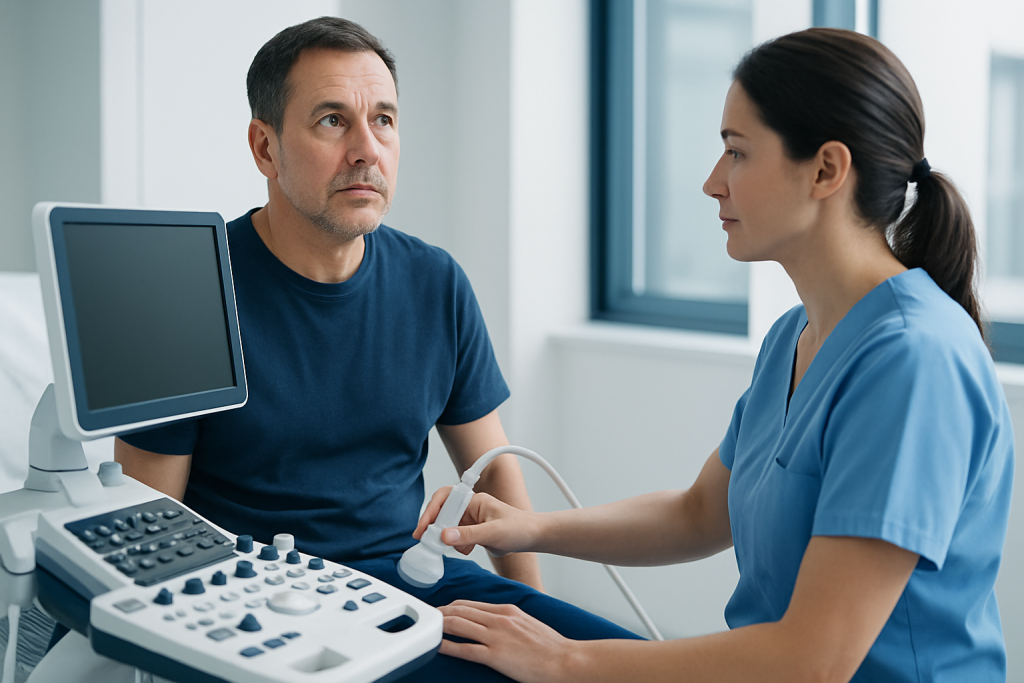
Effusion symptoms depend on the location and how quickly the fluid accumulates. Some people notice a gradual sense that something is “not quite right,” while others develop clear discomfort, swelling, or breathing symptoms that are hard to ignore.
With a pleural effusion, common features may include shortness of breath, cough, chest discomfort, or a feeling of heaviness when breathing deeply. A pericardial effusion can cause chest pressure, fatigue, palpitations, or lightheadedness, especially if the fluid begins to affect the heart’s movement. A joint effusion often appears as visible swelling, stiffness, warmth, reduced range of motion, or pain when walking or bending the joint.
- Chest-related effusion: shortness of breath, cough, chest pressure
- Heart-related effusion: fatigue, dizziness, palpitations
- Joint effusion: swelling, stiffness, pain, limited movement
- General clues: fever, recent infection, injury, or unexplained inflammation
Some effusions are found incidentally during testing for another reason, which is why imaging often becomes the first clear sign that extra fluid is present.
Causes & Risk Factors

Effusion develops when the balance between fluid production and fluid absorption is disrupted. The reasons vary widely, and the same visible finding can arise from very different conditions. That is why doctors focus on the cause rather than the fluid alone.
Inflammation and infection are common contributors. Viral or bacterial infections, autoimmune diseases, trauma, heart failure, kidney disease, liver disease, and certain cancers can all lead to fluid buildup. In joints, arthritis, injury, and bleeding into the joint may be involved. Around the heart or lungs, the fluid may reflect systemic illness, infection, or a malignancy that needs targeted evaluation.
Risk factors depend on the site of the effusion. A person with a history of heart disease, recent pneumonia, chronic inflammatory disease, cancer treatment, or a sports injury may be more likely to develop fluid accumulation in a specific area. Travel itself does not cause effusion, but it can complicate decision-making when symptoms appear far from home, especially if follow-up needs to be coordinated across countries.
Diagnosis
Diagnosis usually begins with a careful history and physical examination. The doctor will want to know when symptoms started, whether they are getting better or worse, and whether there has been fever, injury, infection, weight change, or other health issues that may point toward a cause.
Imaging is often central. Chest X-rays, ultrasound, echocardiography, or MRI may help show where the fluid is and how much is present. In joint effusions, ultrasound or MRI can help define the problem and identify nearby inflammation or damage. Blood tests are often used to look for infection, inflammation, organ dysfunction, or autoimmune markers.
Sometimes a sample of the fluid is needed. This procedure, called aspiration or drainage depending on the site, can both relieve symptoms and help identify infection, bleeding, or other causes. The analysis may include appearance, cell counts, protein levels, culture, and other studies chosen for the suspected condition.
Treatment Options
Treatment depends on where the effusion is located and what caused it. In many cases, the fluid itself is only part of the picture, so the most effective plan addresses both the buildup and the underlying illness. A person with a mild, stable effusion may only need observation and follow-up imaging, while another patient may need urgent drainage or specialist care.
Medicines may be used to treat infection, reduce inflammation, manage heart failure, or control autoimmune disease. If the fluid is large, uncomfortable, or affecting breathing or circulation, a procedure to remove it may be recommended. This can be done with a needle, catheter, or, in selected cases, surgery. For joint effusion caused by inflammatory arthritis or trauma, rest, compression, activity modification, and rehabilitation may also be part of recovery.
When effusion is linked to cancer or Life Expectancy and Chronic Disease: How Conditions Change the Outlook" class="ahp-ilk">chronic disease, treatment is often coordinated across specialties. That may include oncology, cardiology, pulmonology, orthopedics, or rheumatology, depending on the location. For patients traveling internationally, it is often helpful to clarify what can be completed during the visit, what should be monitored later, and how records will be shared with the home doctor.
Prevention & Self-care
Not every effusion can be prevented, especially when it is tied to a chronic illness or an infection that develops unexpectedly. Still, people can lower risk in some situations by managing underlying conditions well and responding early to new symptoms. Good control of heart disease, autoimmune disorders, diabetes, and other chronic problems can reduce the chance of fluid buildup related to inflammation or organ strain.
Self-care is usually supportive rather than curative. Resting an inflamed joint, following the prescribed treatment plan, and attending follow-up appointments are practical steps. If a doctor recommends monitoring, keeping track of symptoms such as swelling, breathlessness, fever, or pain can help show whether the effusion is improving or changing.
- Take prescribed medicines as directed and complete follow-up tests.
- Report worsening swelling, pain, fever, or breathing changes promptly.
- Keep a record of previous scans and procedure reports if care is being coordinated across countries.
- Ask whether activity limits, travel plans, or rehabilitation exercises should be adjusted during recovery.
For patients returning home after evaluation or treatment abroad, clear discharge instructions and a written summary are especially valuable, since effusion care often depends on continuity rather than a single visit.
When to See a Doctor
Medical evaluation should not be delayed if effusion symptoms are new, persistent, or worsening. A doctor should assess any unexplained shortness of breath, chest pressure, rapid heartbeat, fever with swelling, or a joint that becomes hot, very painful, or difficult to move.
Urgent care is particularly important if chest symptoms develop suddenly, if breathing becomes difficult, if there is fainting or severe dizziness, or if an injured joint becomes markedly swollen after trauma. These signs may suggest a condition that needs prompt treatment.
People with known heart, lung, kidney, autoimmune, or cancer-related illness should also seek guidance early if new fluid buildup is suspected. In international care settings, teams such as the multidisciplinary specialists at Acibadem Health Point and its JCI-accredited hospitals can evaluate effusion and coordinate diagnosis and treatment for patients traveling from abroad.
Living With Effusion: What Recovery Often Looks Like
Recovery is shaped by the underlying cause, not just by the fluid removal itself. Some people improve quickly once the triggering problem is treated, while others need ongoing follow-up to make sure the effusion does not return. This is why follow-up imaging or repeat examinations are often part of the plan.
For patients recovering away from home, the practical details matter: how soon they can fly, whether they need medication adjustments, and what symptoms should prompt re-evaluation. A well-organized discharge plan can make it easier to continue care safely with a local physician after returning home.
Effusion can sound like a broad and abstract term, but in practice it is a specific sign that helps doctors narrow the search. With the right evaluation, many causes can be identified and managed in a stepwise, reassuring way.
Frequently asked questions
01What does effusion mean in simple terms?
Effusion means extra fluid has collected in a body space where it should not normally be present. The term is used for different areas, such as around the lungs, around the heart, or inside a joint. It points to an underlying condition that needs evaluation.
02Is effusion always serious?
Not always, but it should be taken seriously because the cause can range from mild inflammation to infection or a more complex medical problem. The level of concern depends on the location, symptoms, and how quickly it developed. A doctor can determine whether observation or prompt treatment is needed.
03Can effusion go away on its own?
Some small effusions may improve if the underlying irritation settles, but many do not disappear without treating the cause. Even when symptoms are mild, follow-up is important so the fluid does not worsen or recur. The right approach depends on the body area involved.
04How do doctors find the cause of an effusion?
Doctors usually combine a physical exam with imaging and blood tests. In some cases, they remove a small amount of fluid to analyze it for infection, bleeding, or other clues. This helps guide treatment more accurately.
05Is a joint effusion the same as arthritis?
No. A joint effusion means there is extra fluid inside the joint, while arthritis refers to inflammation or disease affecting the joint itself. Arthritis can cause an effusion, but injury, infection, and other conditions can also lead to the same finding.
06Can someone travel if they have an effusion?
It depends on the cause, location, and severity. Someone with chest symptoms, unstable heart or lung disease, or a newly developing effusion should be medically assessed before traveling. If care is planned internationally, it is wise to have a clear diagnosis, treatment plan, and follow-up arrangements in place.
This article is for general information only and is not a substitute for professional medical advice. Please consult a qualified doctor about your individual situation.
Joint and spine care in Turkey — expert assessment & treatment
JCI-accredited · board-certified surgeons · reply within 24h
Add us as a Preferred Source to see more of our trusted health content across Google Search, AI Overviews and Discover.