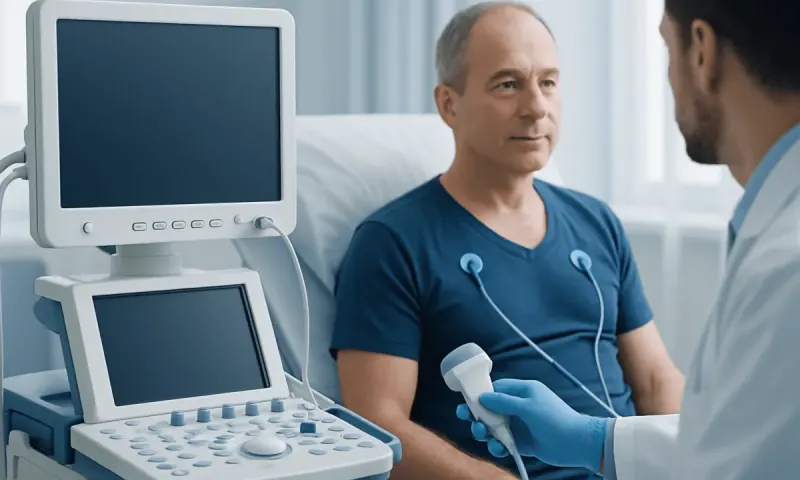
ECG Test Price: Costs, Coverage and What Affects Fees
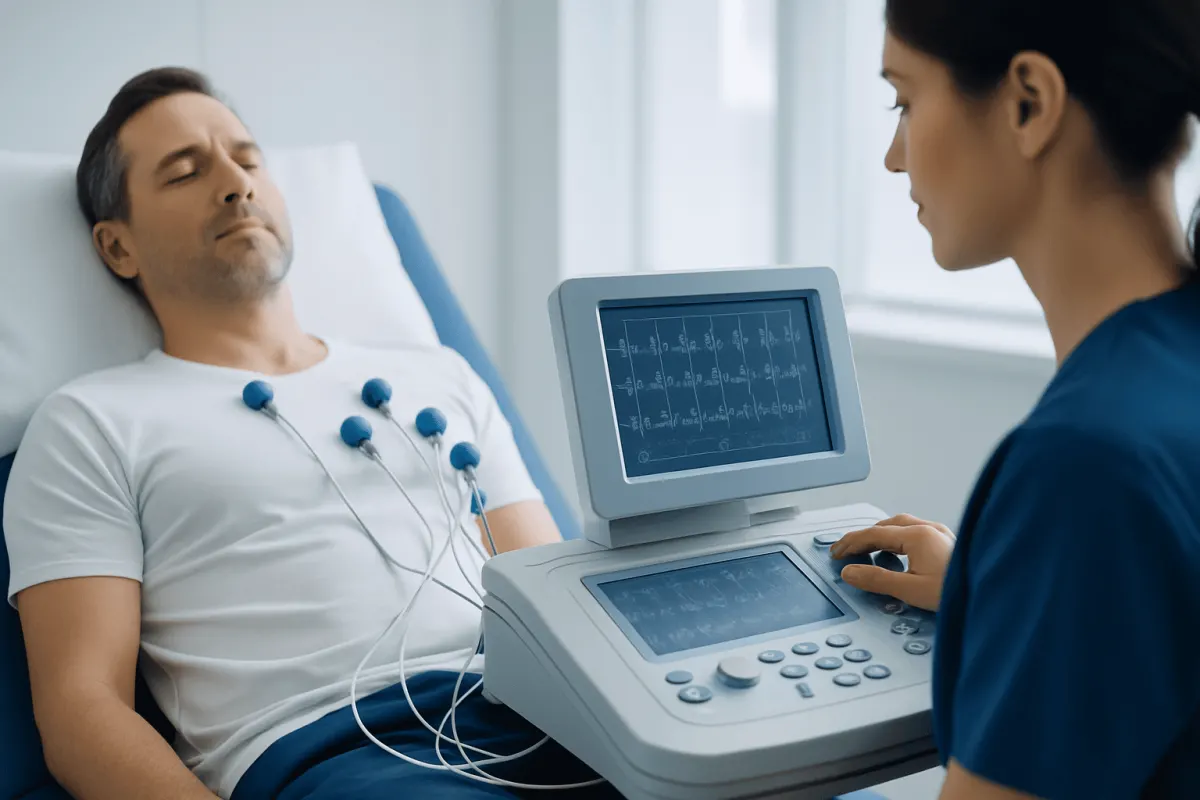
An ECG test price cannot be predicted from the test alone because billing and self-pay charges differ by location, healthcare setting, insurance plan and the services included. An electrocardiogram is a quick, noninvasive test that records the heart’s electrical activity and may help clinicians assess symptoms such as chest discomfort, palpitations or dizziness.
ECG Test Price: The Answer Depends on What Is Included
The ECG test price varies substantially between countries, cities, hospitals, outpatient clinics and urgent-care settings. There is no single standard charge because the total may include more than placing electrodes and recording a tracing. It can also reflect professional interpretation by a clinician, use of the facility, administrative services and whether the ECG is part of a wider medical evaluation.
For people using health insurance, the amount paid personally may depend on the plan’s deductible, copayment, coinsurance, network rules and whether the test is considered medically necessary. For self-paying patients, it is reasonable to ask for a written estimate before a non-urgent appointment. The estimate should clarify whether it includes the ECG recording, the physician’s report, consultation fees and any additional tests that may be recommended.
Cost should not delay urgent care. New or severe chest pressure, breathlessness, fainting, sweating with chest symptoms, or pain spreading to the arm, jaw, back or shoulder requires urgent medical evaluation. In these situations, an ECG may be one part of a time-sensitive assessment.
What an ECG Is and How It Works
An electrocardiogram, often called an ECG or EKG, records the electrical signals that coordinate the heartbeat. Small adhesive electrodes are placed on the chest and usually on the arms and legs. Wires connect the electrodes to a machine that creates a tracing of the heart’s electrical activity.
The test may help identify an abnormal heart rhythm, evidence of a prior or ongoing heart-related problem, changes associated with reduced blood flow to the heart, or electrical effects of certain medicines and electrolyte imbalances. A normal result is reassuring in many circumstances, but it does not exclude every heart condition.
A resting ECG is different from an exercise ECG, ambulatory monitor or echocardiogram. An exercise test records the heart during physical exertion, an ambulatory monitor records rhythm over a longer period, and an echocardiogram uses ultrasound to view heart structure and movement. Each test answers different clinical questions, so the recommended test can influence overall costs.
Who May Need an ECG and What Happens During the Test

A clinician may recommend an ECG for symptoms such as palpitations, chest discomfort, unexplained shortness of breath, dizziness, fainting or fatigue. It may also be used to assess a known heart rhythm condition, review medication effects, establish a baseline before some treatments or evaluate risk in people with certain medical histories.
Before the test, the person may be asked to remove clothing from the upper body and lie comfortably on an examination table. Skin may be cleaned, and small areas of hair may occasionally need to be trimmed so the electrodes adhere securely. It is helpful to mention medications, implanted cardiac devices and current symptoms, although these do not usually prevent testing.
During the recording, several electrodes are attached to the skin. The person should lie still, breathe normally and avoid talking for the few seconds needed to obtain a clear tracing. The machine does not send electricity into the body; it only detects the heart’s natural electrical activity. The recording itself usually takes only a few minutes, while the full appointment may take longer because of preparation, review and discussion.
ECG testing is appropriate for most people, including pregnant individuals and people with pacemakers. In some cases, symptoms occur only intermittently, so a clinician may recommend longer rhythm monitoring instead of, or in addition to, a single resting ECG.
Benefits, Risks and Recovery After an ECG
The main benefit of an ECG is that it provides useful information quickly, without needles, radiation or sedation. It can support timely decisions about whether symptoms may be related to the heart and whether further evaluation is needed. Results are interpreted alongside symptoms, examination findings, medical history and, when appropriate, blood tests or imaging.
Risks are minimal. Some people have temporary redness, itching or mild irritation where adhesive electrodes were applied, particularly if they have sensitive skin. The test itself is painless and does not affect heart rhythm or function.
There is no recovery period after a standard ECG. Most people can return immediately to work, driving, exercise and usual daily activities unless their clinician gives different advice because of the symptoms being investigated. If the ECG is being performed during an urgent assessment, next steps will depend on the overall clinical findings rather than on the test alone.
For coordinated cardiac assessment, cardiology services can help determine whether a resting ECG, ambulatory rhythm monitoring, exercise testing or another evaluation is most suitable. At Acıbadem Health Point, multidisciplinary specialists in JCI-accredited hospitals assess and treat heart-related conditions for international patients.
How Much Do EKGs Cost Out of Pocket?
Out-of-pocket EKG costs vary too widely for one figure to be reliable or meaningful. The amount can differ according to the country, the type of provider, whether the test is done in a hospital or office, the urgency of the visit, the clinician interpreting the result and whether other services are billed at the same time.
A person can request an itemized self-pay estimate from the facility before a planned test. Useful questions include whether the estimate includes technical recording, professional interpretation, a consultation, facility fees, tax where applicable and follow-up. People with insurance can also contact their insurer to ask whether the provider is in network, whether authorization is needed and how deductibles or coinsurance apply.
When an ECG is ordered because of potentially serious symptoms, it should not be treated as a stand-alone consumer purchase. The priority is a safe clinical assessment, since the appropriate setting and any additional testing may be important for accurate care.
Why Is an ECG So Expensive?
When an ECG seems expensive, the charge may reflect more than the short time needed to record the tracing. Healthcare bills can include trained staff, equipment maintenance, infection-control processes, medical review, reporting systems, facility operations and the availability of urgent services. In a hospital or emergency setting, the ECG may also be part of a broader assessment that requires rapid clinical decision-making.
Costs may be higher when an ECG is paired with a medical consultation, repeated testing, laboratory work, imaging or monitoring. This does not mean every added service is necessary; rather, the clinician selects tests based on the person’s symptoms and risk factors. Asking for a clear explanation of the care plan and an itemized estimate can help patients understand expected charges for non-emergency testing.
Patients should avoid choosing a setting solely on the lowest advertised price if they have concerning symptoms. Appropriate interpretation and access to follow-up are important because an ECG result needs clinical context.
Can ECG Detect Anxiety?
An ECG cannot diagnose anxiety. Anxiety is diagnosed through a clinical conversation that considers emotional symptoms, physical symptoms, their duration, their impact on daily life and other possible medical explanations. However, a clinician may order an ECG when anxiety-like symptoms include palpitations, chest tightness, dizziness or shortness of breath, especially if a heart-related cause should be considered.
An ECG may show a fast heart rate during stress or may identify an abnormal rhythm that could contribute to symptoms. It cannot determine whether stress, anxiety, a heart rhythm disorder, medication effects, thyroid conditions or another factor is responsible on its own. A normal ECG may be one useful part of evaluation, but persistent or distressing symptoms still deserve discussion with a qualified clinician.
Managing anxiety-related physical symptoms may involve reassurance after medical causes are considered, lifestyle support, psychological therapies or medication when appropriate. Care should be individualized rather than based on an ECG result alone.
Is ECG 100% Accurate? When to Seek Medical Care
No test is 100% accurate in every situation, and an ECG is a brief snapshot of the heart’s electrical activity. It can be very helpful when an abnormal rhythm or electrical change is present during the recording, but intermittent rhythm problems may not appear on a single test. Some heart conditions also require other tests for confirmation or may not produce specific ECG changes.
Clinicians improve accuracy by interpreting the tracing with the person’s symptoms, risk factors, physical examination and other findings. Depending on the situation, further testing may include repeat ECGs, blood tests, ambulatory monitoring, echocardiography or exercise testing. A normal ECG should not be used to dismiss ongoing or worsening symptoms without medical advice.
Medical care should be sought urgently for new or severe chest pain or pressure, difficulty breathing, fainting, confusion, a sustained rapid or irregular heartbeat, or symptoms accompanied by sweating, nausea or pain radiating to the jaw, arm, shoulder or back. For non-urgent but recurring palpitations, dizziness, reduced exercise tolerance or unexplained fatigue, arranging a medical appointment is appropriate.
For a scheduled ECG, patients can prepare a list of symptoms, medications and prior heart test results. This information helps the clinician decide whether a standard ECG is sufficient or whether additional assessment is needed.
Frequently asked questions
01How much do EKGs cost out of pocket?
Out-of-pocket EKG costs vary by country, healthcare facility, insurance status and the services included. A written estimate can clarify whether the amount covers the recording, physician interpretation, consultation and facility fees. Urgent symptoms should be assessed promptly rather than delayed to compare prices.
02Why is an ECG so expensive?
An ECG charge may include equipment, trained staff, medical interpretation, reporting systems and facility operations, not only the short recording time. The total can also rise when the ECG is performed during an emergency visit or alongside other necessary tests. An itemized estimate may help explain the components of a planned test.
03Can ECG detect anxiety?
An ECG cannot diagnose anxiety. It may be used to check for heart rhythm or electrical changes when symptoms such as palpitations, chest discomfort or dizziness overlap with anxiety symptoms. A clinician considers the ECG along with the person’s medical history and overall assessment.
04Is ECG 100% accurate?
No. A standard ECG records the heart’s electrical activity at one point in time, so intermittent abnormalities may not be captured. Clinicians may recommend repeat testing or longer-term monitoring when symptoms continue despite a normal ECG.
05Does an ECG hurt or use radiation?
A standard ECG is painless and does not use radiation. The electrodes only detect electrical signals produced by the heart; they do not send electricity into the body. Mild temporary skin irritation from the adhesive is possible but uncommon.
06How long does it take to get ECG results?
The recording is usually completed within a few minutes, though the overall appointment takes longer for preparation and review. In urgent settings, a clinician may review the tracing quickly. Formal reporting times vary by facility and by the reason for testing.
This article is for general information only and is not a substitute for professional medical advice. Please consult a qualified doctor about your individual situation.
Joint and spine care in Turkey — expert assessment & treatment
JCI-accredited · board-certified surgeons · reply within 24h
Add us as a Preferred Source to see more of our trusted health content across Google Search, AI Overviews and Discover.