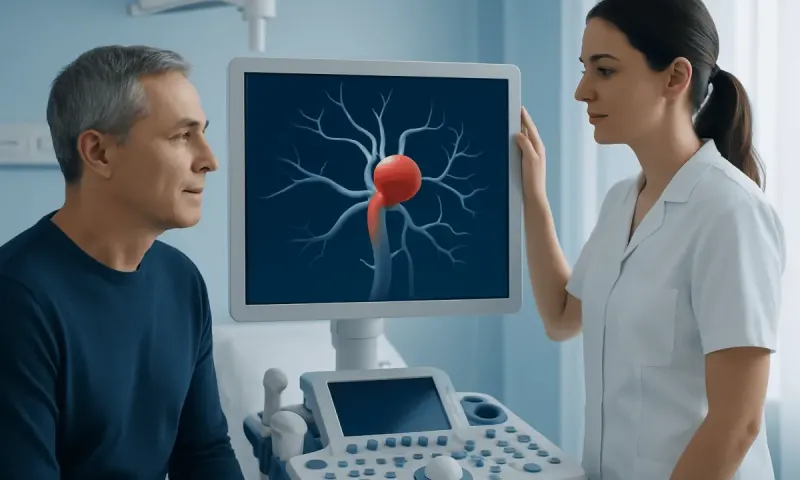
Can Caffeine Cause Chest Pain or Palpitations?
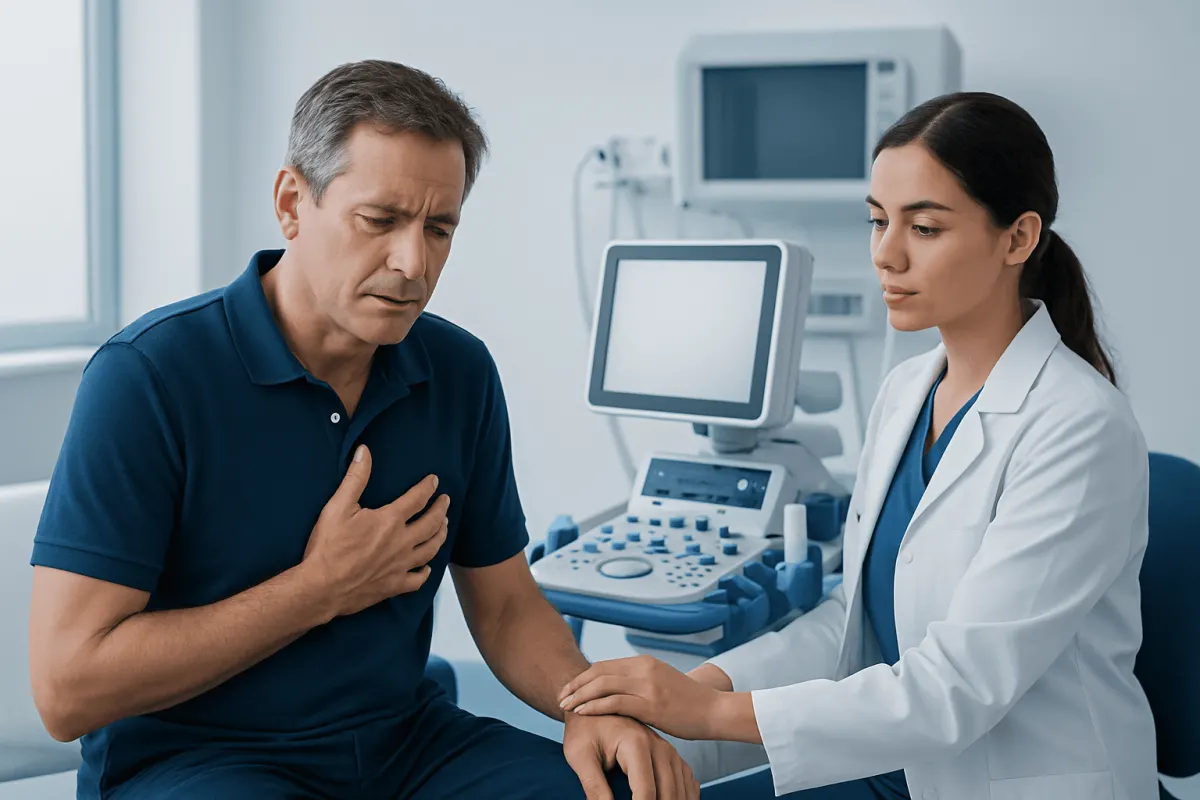
Caffeine can cause or worsen chest discomfort in some people, often through a fast heartbeat, heartburn, anxiety, or sensitivity to stimulants. However, chest pain should not automatically be blamed on coffee or energy drinks, particularly when it is new, severe, persistent, or accompanied by warning symptoms.
Can caffeine cause chest pain?
Yes, caffeine can cause chest discomfort in some people, especially after coffee, energy drinks, caffeinated supplements, or a larger-than-usual intake. It may make the heart beat faster or more forcefully, worsen acid reflux, trigger anxiety-related tightness, or contribute to awareness of skipped or extra heartbeats. In many otherwise healthy people, mild symptoms that clearly occur after caffeine and settle when intake is reduced are not due to a dangerous heart problem.
Still, chest pain should never be assumed to be harmless simply because it began after caffeine. Heart, lung, digestive, and muscle-related conditions can produce similar sensations, and caffeine may sometimes make an existing issue more noticeable. New, intense, persistent, or unexplained chest pain should be assessed promptly, particularly in people with heart disease risk factors or a history of cardiovascular conditions.
Useful details include what the sensation feels like, how long it lasts, whether it occurs at rest or with activity, and whether it is associated with breathlessness, dizziness, sweating, nausea, or a racing heartbeat. These clues help a clinician distinguish a likely caffeine-related effect from symptoms that require further testing.
How caffeine may lead to chest discomfort
Caffeine is a stimulant that affects the brain, nervous system, blood vessels, and heart. It can temporarily increase alertness and may raise heart rate or blood pressure in some individuals. A person may feel this as pounding, fluttering, thumping, or an occasional skipped beat in the chest. Although these sensations can be uncomfortable, they are not the same as chest pain caused by reduced blood flow to the heart.
Caffeine can also increase the body’s stress response. In sensitive individuals, this may lead to shakiness, rapid breathing, muscle tension, and a feeling of chest tightness. Anxiety and panic symptoms can feel very physical and can mimic more serious conditions, but they should be diagnosed only after appropriate medical causes have been considered.
Another common pathway is digestive. Coffee and other caffeinated drinks may worsen gastroesophageal reflux, also called acid reflux, in some people. Burning behind the breastbone, sour fluid in the throat, belching, or discomfort after eating can suggest reflux. Carbonated energy drinks, high-fat foods, alcohol, and lying down soon after eating may add to this effect.
Individual responses vary greatly. Symptoms can depend on the amount consumed, how quickly it is consumed, a person’s usual tolerance, sleep quality, stress levels, hydration, medications, and whether caffeine was taken with food. Energy drinks and pre-workout products may be especially problematic because they can contain high caffeine levels alongside other stimulants.
What does caffeine-related chest pain feel like?
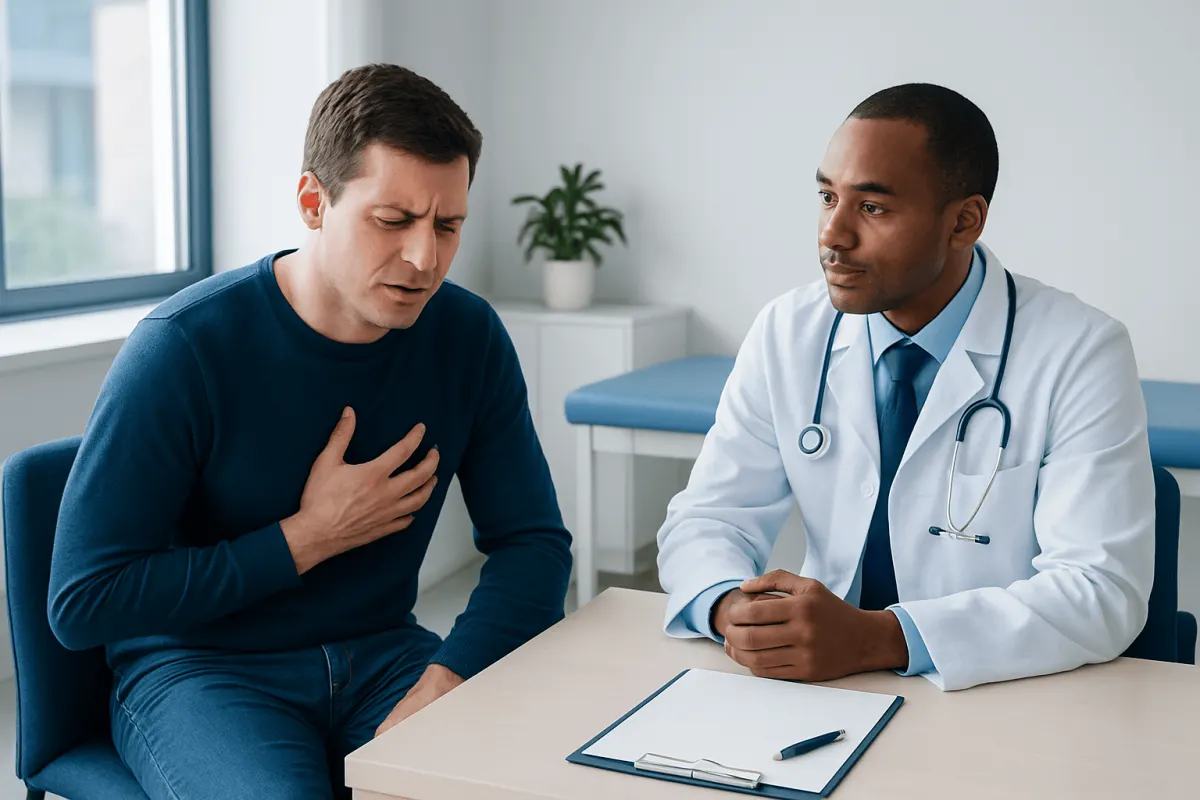
Chest discomfort linked to caffeine does not have one single pattern. Some people describe a brief sharp sensation, a mild pressure, fluttering with chest awareness, or a burning feeling after drinking coffee. Others notice symptoms only after several caffeinated drinks, after an energy drink, or when caffeine is combined with exercise, nicotine, alcohol, decongestants, or poor sleep.
Palpitations are a frequent concern. They may feel like the heart is racing, pounding, flip-flopping, or missing a beat. Occasional palpitations are common and may be triggered by caffeine, stress, fever, dehydration, or lack of sleep. Recurrent palpitations, symptoms that last for a prolonged period, or palpitations accompanied by lightheadedness, fainting, or chest pressure should be medically evaluated.
Reflux-related discomfort is more likely to be burning, to occur after meals or drinks, and to worsen when bending over or lying down. Pain from chest wall muscles may be tender when pressed or aggravated by movement, coughing, or a particular posture. These features can be helpful, but they cannot reliably rule out a heart-related cause without a clinician’s assessment.
It is important not to use the quality of pain alone to self-diagnose. Heart-related discomfort can range from pressure or heaviness to indigestion-like discomfort, and some people, including women, older adults, and people with diabetes, may have less typical symptoms.
Other causes that should not be overlooked
Chest pain has many possible causes, and caffeine may be coincidental rather than responsible. Cardiac causes include reduced blood flow to the heart muscle, abnormal heart rhythms, inflammation around the heart, and other cardiovascular conditions. Lung-related causes can include infection, inflammation, or a blood clot in the lung. These conditions require professional assessment and should not be managed by simply avoiding caffeine.
Digestive causes such as acid reflux and esophageal spasm are common, while strained chest muscles, rib irritation, and inflammation of the cartilage around the ribs can also cause localized pain. Stress and anxiety can intensify physical sensations, but mental health factors do not exclude the possibility of a physical condition. A balanced approach considers both physical and emotional contributors.
Risk is higher when a person has known heart disease, high blood pressure, high cholesterol, diabetes, smoking exposure, obesity, a strong family history of early heart disease, or older age. Stimulant medications, thyroid disorders, anemia, and some over-the-counter cold medicines may also contribute to palpitations or chest symptoms.
A careful evaluation is especially important if symptoms occur during physical exertion, wake a person from sleep, become more frequent, or happen without an obvious relationship to caffeine. Avoiding a caffeinated drink may reduce symptoms, but it does not by itself establish the cause.
When to seek medical care
Emergency medical care is needed for chest pain that is severe, crushing, tight, or persistent; occurs with shortness of breath, fainting, marked weakness, cold sweats, nausea, or confusion; or spreads to the arm, shoulder, back, neck, jaw, or upper abdomen. Emergency assessment is also important when a very fast or irregular heartbeat is accompanied by dizziness, fainting, or ongoing chest discomfort.
Urgent assessment is appropriate for new chest pain that develops with exercise or activity, lasts more than a few minutes, repeatedly returns, or feels different from prior reflux or anxiety symptoms. People with a personal history of heart disease or significant cardiovascular risk factors should have a low threshold for seeking care. It is safer to be evaluated than to wait for symptoms to pass.
A non-emergency medical appointment is still worthwhile for recurring discomfort after caffeine, new palpitations, frequent reflux symptoms, or concern about a stimulant supplement. A doctor may ask about caffeine sources, other medications, sleep, stress, menstrual or hormonal factors, diet, and family history. Depending on the symptoms, evaluation may include a physical examination, blood pressure measurement, electrocardiogram (ECG), blood tests, ambulatory rhythm monitoring, or tests for reflux and other conditions.
Acıbadem Health Point’s multidisciplinary specialists and JCI-accredited hospitals can assess chest symptoms and coordinate cardiac, digestive, and other relevant evaluations for international patients.
Practical next steps if symptoms seem linked to caffeine
If chest discomfort is mild, brief, has been medically assessed when appropriate, and appears consistently linked to caffeine, reducing intake may be useful. Rather than stopping abruptly, many people find it more comfortable to decrease caffeine gradually to limit withdrawal symptoms such as headache, tiredness, or irritability. Switching to decaffeinated options or smaller servings may also help.
It can be useful to avoid caffeine on an empty stomach and to limit products that combine caffeine with other stimulants. Energy drinks, concentrated shots, pre-workout powders, and some weight-loss or performance supplements deserve particular caution because their ingredients can vary and may increase stimulation. Checking labels is important, as caffeine is also found in tea, chocolate, cola, certain medications, and supplements.
Supporting regular sleep, eating consistent meals, drinking enough fluids, and avoiding nicotine can reduce common triggers for palpitations and reflux. For reflux-type symptoms, avoiding large late meals and remaining upright after eating may be helpful. People should not start, stop, or change prescribed heart or mental health medications without speaking with their clinician.
A simple diary can clarify patterns. Recording the type and amount of caffeine, the time it was consumed, foods eaten, activity level, symptoms, pulse if available, and symptom duration can give a doctor useful information. If discomfort persists despite reducing caffeine, or if it occurs independently of caffeine, further assessment is important.
A reassuring but careful perspective
Most people can consume moderate amounts of caffeine without chest pain, and many episodes of discomfort after coffee are related to temporary palpitations, reflux, or heightened anxiety rather than an emergency. However, tolerance can change over time, particularly during periods of stress, poor sleep, illness, hormonal changes, or medication changes.
The safest approach is to take symptoms seriously without assuming the worst. Notice the pattern, reduce possible triggers when appropriate, and seek professional advice for new, recurrent, or concerning symptoms. Prompt emergency assessment is the right choice whenever chest pain may represent a serious heart or lung problem.
A clinician can help determine whether caffeine is likely to be the trigger and advise on an intake level that suits the individual’s health history. This provides more reliable reassurance than attempting to identify the cause based on symptoms alone.
Frequently asked questions
01Can coffee cause chest pain even if a person has no heart condition?
Yes. Coffee may trigger palpitations, acid reflux, anxiety symptoms, or muscle tension that can be felt as chest discomfort. However, the absence of a known heart condition does not rule out a new medical problem, so persistent or concerning chest pain should be assessed.
02Why does the chest hurt after drinking an energy drink?
Energy drinks may contain substantial amounts of caffeine and can include additional stimulating ingredients. They may raise heart rate, trigger palpitations, worsen anxiety, or contribute to reflux, especially when consumed quickly or combined with alcohol, exercise, or other stimulants.
03How long can caffeine-related chest discomfort last?
Mild stimulant-related symptoms may settle as caffeine is processed by the body, but the timing differs between individuals and depends on the amount consumed and other factors. Chest discomfort that lasts, returns repeatedly, or is associated with warning signs should not be watched at home without medical guidance.
04Can caffeine cause heart palpitations?
Caffeine can trigger palpitations in some people, particularly those who are sensitive to stimulants or consume a larger amount than usual. Frequent palpitations or palpitations with fainting, dizziness, shortness of breath, or chest pain require medical evaluation.
05Should a person stop caffeine completely if coffee causes chest discomfort?
A gradual reduction is often a reasonable first step when symptoms are mild and a clinician has not identified an urgent cause. Complete avoidance may not be necessary for everyone, but a healthcare professional can offer individualized advice based on symptoms, medical history, and other medications.
06Can acid reflux from caffeine feel like heart pain?
Yes. Reflux can cause burning or pressure behind the breastbone and can sometimes be difficult to distinguish from cardiac discomfort. Because symptoms can overlap, new or unexplained chest pain should be evaluated rather than assumed to be reflux.
This article is for general information only and is not a substitute for professional medical advice. Please consult a qualified doctor about your individual situation.
Persistent digestive symptoms? Get evaluated in Turkey
JCI-accredited · board-certified surgeons · reply within 24h
Add us as a Preferred Source to see more of our trusted health content across Google Search, AI Overviews and Discover.