Eating Disorder Clinics in Turkey: What Care Includes
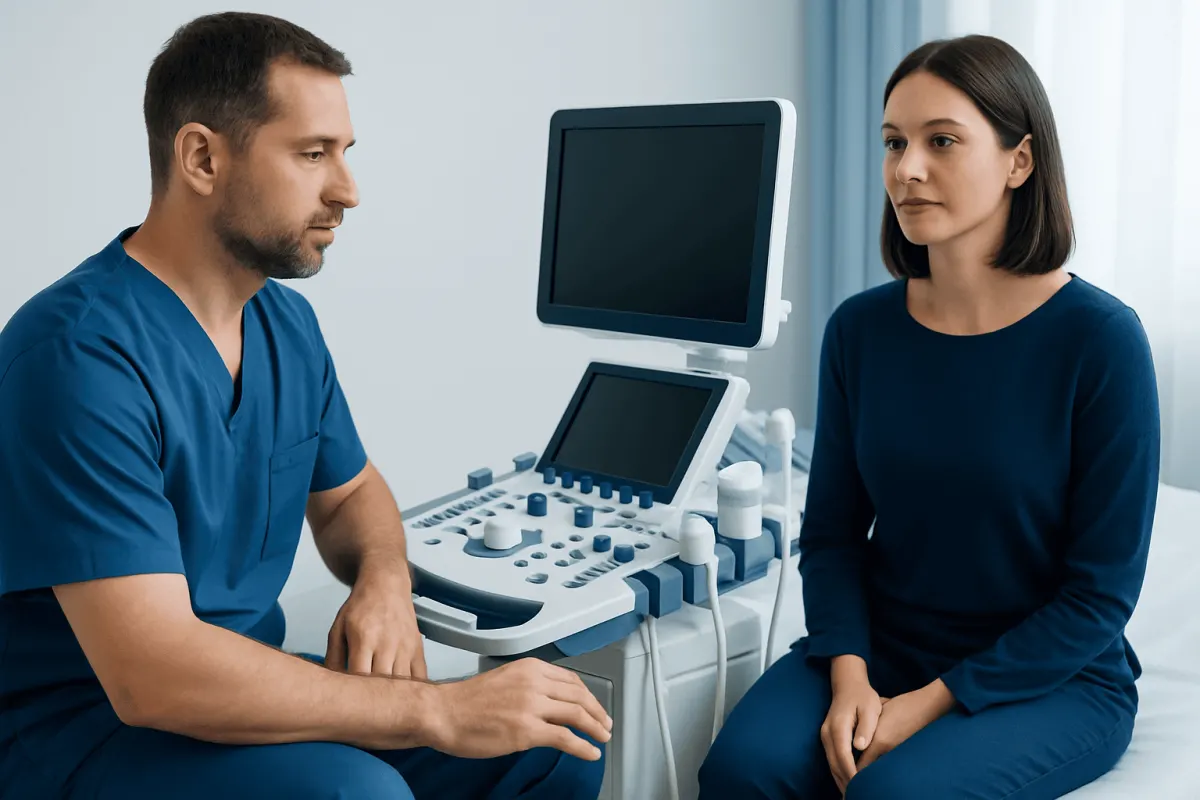
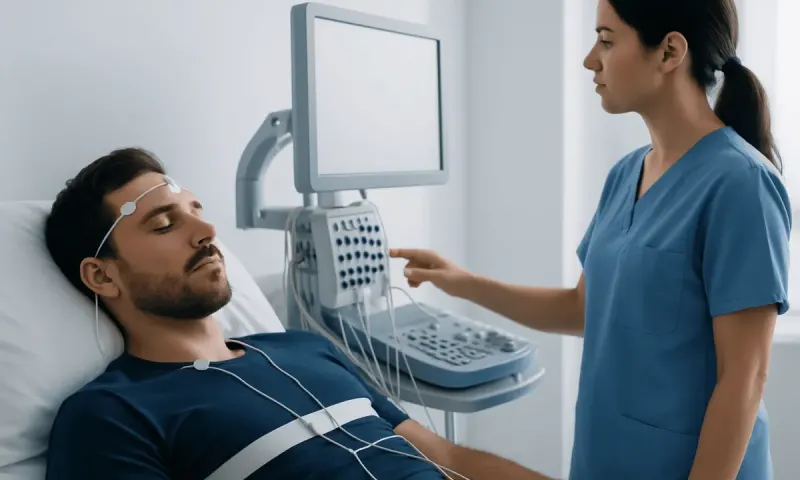
Eating disorder clinics in Turkey can provide coordinated medical, nutritional and mental health care for conditions such as anorexia nervosa, bulimia nervosa and binge-eating disorder. Treatment is individualized, focusing on physical safety, regular nourishment, psychological recovery and sustainable support after treatment.
Overview: What Eating Disorder Clinics in Turkey Provide
Eating disorder clinics Turkey may offer assessment and treatment for anorexia nervosa, bulimia nervosa, binge-eating disorder, avoidant/restrictive food intake disorder (ARFID), and other specified feeding or eating disorders. The most appropriate setting depends on a person’s physical condition, eating-disorder behaviours, mental health needs, safety risks and available support at home.
Care is usually delivered by a multidisciplinary team. Depending on individual needs, this may include psychiatrists, psychologists, internists or paediatricians, dietitians, nurses and other specialists. The team works together to address both the medical effects of inadequate nutrition or compensatory behaviours and the thoughts, emotions and habits that maintain the disorder.
Some people can receive outpatient treatment while continuing their daily activities. Others may need a more structured day programme or hospital-based care when medical monitoring, supervised nutrition or intensive psychiatric support is required. A careful assessment helps determine the safest level of care rather than applying the same programme to everyone.
Assessment and the First Steps of Treatment
An initial assessment should be respectful, private and non-judgmental. Clinicians ask about eating patterns, weight and growth history where relevant, binge eating, vomiting, laxative or diuretic use, exercise, medications, menstrual or hormonal changes, mood, anxiety, substance use and self-harm risk. They also explore how symptoms affect school, work, relationships and daily life.
Medical evaluation may include a physical examination and checks of pulse, blood pressure, temperature and hydration. Blood tests and other investigations may be recommended to identify electrolyte disturbances, anaemia, nutritional deficiencies, heart rhythm concerns or complications affecting organs. In younger patients, growth and pubertal development are also important considerations.
It can be useful to understand the specific diagnosis, but treatment should not be delayed while a person waits to meet a particular weight or symptom threshold. Early professional support can reduce medical risks and help interrupt a pattern that may otherwise become more entrenched. People with symptoms of anorexia nervosa may require especially close medical monitoring when nutrition has been severely restricted.
Treatment Options and Nutrition Rehabilitation

Evidence-based treatment generally combines psychological therapy with nutritional support and medical care. For adolescents, family-based treatment is often recommended when appropriate, involving caregivers in supporting regular meals and reducing eating-disorder behaviours. For adults, approaches such as cognitive behavioural therapy for eating disorders, interpersonal psychotherapy and other structured therapies may be used according to diagnosis and individual circumstances.
Nutritional rehabilitation is not simply a matter of being told to eat more or differently. A dietitian experienced in eating disorders can help create a gradual, practical meal plan, normalize eating patterns, address feared foods and monitor progress safely. When malnutrition has been significant, increases in nutrition may need medical oversight because shifts in fluids and electrolytes can occur during refeeding.
Medication does not cure an eating disorder on its own, but it may be considered for coexisting depression, anxiety, obsessive-compulsive symptoms or other conditions. In some situations, medication can also be part of treatment for specific eating-disorder symptoms. Any prescription should be individualized and monitored by a qualified clinician.
Hospital care may be needed for severe medical instability, rapid deterioration, dangerous electrolyte abnormalities, inability to maintain adequate intake, repeated fainting, high suicide risk or failure of outpatient treatment. Acıbadem Health Point’s multidisciplinary specialists and JCI-accredited hospitals can assess and treat eating disorders for international patients when hospital-based or coordinated specialist care is needed.
Recovery, Follow-up and Daily Support
Recovery includes more than changes in weight or laboratory results. It may involve establishing regular eating, reducing bingeing or compensatory behaviours, improving physical health, managing distress without using food-related behaviours and rebuilding a more flexible relationship with body image, food and movement. Emotional recovery and return to everyday roles can take additional time after physical markers improve.
Follow-up appointments allow the care team to monitor medical health, nutrition, psychological symptoms and treatment goals. Relapse prevention is a routine part of care rather than a sign that treatment has failed. Patients often identify early warning signs, such as skipping meals, renewed food rules, compulsive exercise, increased body checking or social withdrawal, and make a plan for responding early.
Family members and trusted friends can provide practical support by avoiding comments about weight, appearance or portion size. More helpful approaches include sharing regular meals when invited, listening without trying to solve everything immediately and encouraging attendance at professional appointments. Supporters also need guidance, as eating disorders can affect the entire household.
- Follow the agreed meal and medical-monitoring plan.
- Discuss exercise changes with the treating team, especially during nutritional rehabilitation.
- Avoid relying on social media or unqualified online advice for treatment decisions.
- Seek help promptly if purging, restriction, bingeing or self-harm thoughts return or worsen.
Which eating disorder has the highest recovery rate?
There is no single reliable answer because recovery findings differ between studies. Researchers use different definitions of recovery, follow people for different lengths of time and study groups with varying illness severity and access to treatment. It is therefore not appropriate to rank eating disorders using one universal recovery rate.
In general, earlier recognition and treatment are associated with better outcomes across eating disorders. Some research suggests that many people with binge-eating disorder and bulimia nervosa achieve substantial improvement with evidence-based therapy, while anorexia nervosa may require longer-term treatment because of its medical and psychological complexity. However, any individual can recover, and a diagnosis alone cannot predict a person’s future.
The most helpful question is usually which treatment plan fits the individual’s symptoms, physical health, age, personal goals and support system. A specialist team can explain realistic expectations and review progress over time.
What is the success rate for treating eating disorders?
There is no single success rate for treating eating disorders. Studies measure different outcomes, including reduction in bingeing or purging, weight restoration, improved nutrition, psychological recovery, quality of life and long-term remission. A person may make meaningful progress in one area while continuing to need help in another.
Treatment can be effective, particularly when it is evidence-based, starts early and continues for as long as needed. Some people recover fully, many experience significant improvement, and others have a more relapsing or persistent course that requires ongoing care. A setback does not mean that recovery is impossible; it often signals that the plan needs adjustment or additional support.
Clinicians should discuss goals in practical, individual terms rather than promising a percentage outcome. Measures of progress may include more regular meals, fewer compensatory behaviours, safer physical health, reduced preoccupation with food or body shape, and greater ability to participate in daily life.
How long does it take the body to recover from starvation?
The body begins adapting to improved nutrition as soon as adequate intake is safely re-established, but recovery from starvation does not follow a fixed timetable. Hydration, blood sugar and some electrolyte problems may improve relatively quickly with appropriate care, while restoration of muscle, bone health, hormones, digestion, energy, concentration and cardiovascular stability can take weeks, months or longer.
The time needed depends on the degree and duration of malnutrition, a person’s age, medical conditions, current laboratory findings and how safely nutrition can be increased. Digestive discomfort, bloating, constipation, fatigue and anxiety around eating may occur during early nutritional rehabilitation, but these symptoms should be assessed by the treatment team rather than managed through further restriction.
People who have been eating very little, losing weight rapidly or experiencing weakness, fainting, vomiting or dehydration should not attempt intensive refeeding alone. Medical supervision is important because refeeding can, in some circumstances, cause serious shifts in electrolytes and fluids.
What are the recovery statistics for eating disorders?
Recovery statistics should be interpreted carefully. Published studies report a wide range of outcomes because they involve different diagnoses, treatment settings, ages, definitions of recovery and follow-up periods. Some studies focus on symptom remission, while others require both psychological recovery and restoration of physical health, producing different estimates.
Broadly, long-term research shows that recovery is possible for many people with eating disorders, while others experience partial recovery or periods of relapse. Outcomes are influenced by early access to care, the severity and duration of illness, coexisting mental health conditions, medical complications, family or social support and continuity of treatment.
Statistics describe groups, not an individual’s prospects. A person’s outlook can improve when treatment is tailored, medical concerns are addressed early and follow-up continues after initial symptoms lessen. Asking a treatment team how they define recovery and how they monitor long-term progress can make discussions about outcomes more meaningful.
When to Seek Medical Care
Anyone who is regularly restricting food, binge eating, vomiting, using laxatives or diuretics for weight control, exercising compulsively, or feeling unable to eat normally should arrange a professional assessment. It is also important to seek care for significant weight change, missed menstrual periods or other hormonal changes, persistent digestive symptoms, increasing isolation, intense fear of weight gain or distressing preoccupation with food and body shape.
Urgent medical care is needed for fainting, chest pain, shortness of breath, confusion, seizures, severe weakness, inability to keep fluids down, blood in vomit, black stools, signs of severe dehydration or an irregular heartbeat. Immediate emergency help is also necessary if there are thoughts of suicide, self-harm or inability to stay safe.
Eating disorders can occur at any body size, gender, age or background. A person does not need to look underweight or have every symptom to deserve help. Speaking with a doctor, mental health professional or eating-disorder specialist is an important and constructive first step.
Frequently asked questions
01What services do eating disorder clinics in Turkey usually offer?
Services may include psychiatric and medical assessment, nutritional counselling, individual or family therapy, laboratory monitoring and treatment for coexisting anxiety, depression or other health concerns. The available level of care varies between centres, from outpatient appointments to hospital-based treatment when medical monitoring is needed.
02Can eating disorders be treated without hospital admission?
Many people receive treatment as outpatients, especially when they are medically stable and can follow a nutrition and therapy plan safely. Hospital admission may be recommended if there are serious medical complications, severe malnutrition, high safety risks or insufficient progress with outpatient care.
03Is recovery from an eating disorder possible?
Yes. Recovery is possible, although it is often gradual and looks different for each person. It may include physical stabilization, normalized eating patterns, reduced eating-disorder behaviours and improved emotional well-being over time.
04How is anorexia nervosa treated?
Treatment usually includes medical monitoring, nutritional rehabilitation and specialized psychological therapy. Family-based approaches may be used for younger patients, while adults may receive structured individual therapy and support for coexisting mental health conditions.
05Will a person gain weight during eating disorder treatment?
Weight restoration may be an important medical goal for people who are undernourished or have lost weight because of restrictive eating. However, treatment is broader than weight alone and also addresses nutrition, physical safety, behaviours, thoughts, emotions and daily functioning.
06What should family members do if they are concerned about an eating disorder?
They can raise concerns calmly, focus on observed behaviours and health rather than appearance, and encourage a professional assessment. Family members should avoid blame, food policing and arguments about weight, while seeking guidance from qualified clinicians on how to provide support.
This article is for general information only and is not a substitute for professional medical advice. Please consult a qualified doctor about your individual situation.
Explore treatments in Turkey — costs, top hospitals & a free quote
JCI-accredited · board-certified surgeons · reply within 24h
Add us as a Preferred Source to see more of our trusted health content across Google Search, AI Overviews and Discover.