Dysmotility: When Digestive Movement Is Impaired
Dysmotility means that muscles and nerves in part of the digestive tract are not coordinating movement normally. It is a broad term rather than one single disease, and the right evaluation depends on the symptoms, the area affected and possible underlying causes.
Dysmotility: what it means
Dysmotility is a problem with the normal movement of food, liquid, gas or stool through the digestive system. The digestive tract uses precisely timed muscle contractions, controlled by nerves and chemical signals, to move contents from the esophagus to the stomach and through the intestines. When this coordination is too slow, too fast, weak, uncoordinated or obstructed by a functional problem, symptoms can develop.
Dysmotility is not a diagnosis by itself. It is an umbrella term that may describe conditions affecting different parts of the gastrointestinal tract. For example, esophageal motility disorders can make swallowing difficult, delayed stomach emptying can cause nausea and early fullness, and slow colonic transit can contribute to constipation. Identifying the affected area is more useful than assuming all digestive symptoms have the same cause.
Symptoms can be disruptive, but they do not automatically mean there is a dangerous disease. Digestive movement is influenced by diet, hydration, stress, medications, hormones, infections and long-term health conditions. A clinician can help distinguish temporary changes from a persistent motility disorder and can check for conditions that require specific treatment.
How digestive motility normally works
The digestive tract has its own network of nerves, called the enteric nervous system. It works with the brain, spinal cord, hormones and specialized muscle cells to regulate contractions. Some contractions mix food with digestive juices, while others propel contents forward. This process continues even when a person is not consciously aware of it.
Movement needs to be matched to each part of the tract. The esophagus quickly carries swallowed material toward the stomach. The stomach grinds food and releases it gradually into the small intestine. The small intestine absorbs nutrients while moving contents onward, and the colon reabsorbs water and forms stool. The pelvic floor and anal muscles then coordinate evacuation.
Motility symptoms may occur when nerve signaling is altered, muscles do not contract effectively, or communication between the gut and brain becomes overly sensitive. This is why symptoms can vary widely between individuals. It is also why a normal-looking scan or endoscopy does not always rule out a movement-related problem; some disorders require functional testing to assess how the gut is working.
Symptoms and patterns that may suggest dysmotility

The symptoms of dysmotility depend on the location and type of movement problem. In the upper digestive tract, a person may notice trouble swallowing, chest discomfort after swallowing, regurgitation, heartburn, nausea, vomiting, bloating, upper abdominal discomfort or becoming full after a small meal. Delayed stomach emptying may cause food to remain in the stomach longer than expected.
Lower digestive tract symptoms may include infrequent stools, hard stools, straining, a feeling of incomplete emptying, abdominal distension, cramping or excessive gas. Some people experience alternating constipation and diarrhea. In certain cases, stool reaches the rectum normally but difficulty relaxing or coordinating the pelvic floor muscles makes bowel movements hard to pass.
Symptoms alone cannot confirm dysmotility. Bloating, pain and altered bowel habits can also occur with food intolerances, inflammatory conditions, infection, medication effects, endocrine disorders and structural narrowing of the digestive tract. Keeping a simple record of meals, symptoms, bowel habits and medicines can give a doctor useful information without encouraging unnecessary dietary restriction.
- Symptoms that occur mainly after eating may point to upper gastrointestinal involvement.
- Long-standing constipation may relate to slow transit, pelvic floor coordination or another cause.
- Symptoms that begin soon after a new medicine or dose change should be discussed with the prescribing clinician.
Causes and risk factors: separating evidence from myths
Dysmotility can occur for many reasons. Diabetes may affect nerves that help regulate digestive movement, particularly when blood glucose has been difficult to manage over time. Autoimmune diseases, thyroid disorders, neurologic conditions, connective tissue diseases and prior abdominal surgery can also contribute in some people. A significant gastrointestinal infection may be followed by longer-lasting changes in gut function for some patients.
Medicines are an important and sometimes reversible contributor. Opioid pain medicines, some anticholinergic medicines, certain antidepressants, some medicines used for nausea, and other treatments can slow digestive movement. It is not safe to stop prescribed medication without advice. Instead, a clinician can review whether a medicine may be contributing and whether an alternative, dose adjustment or supportive plan is appropriate.
A common myth is that dysmotility is always caused by “toxins,” a poor diet or stress alone. Diet and stress can influence symptoms, but they do not explain every case, and unproven detoxes or highly restrictive diets may worsen nutrition. Another myth is that constipation always means a slow colon; it can also result from inadequate fluid intake, medication effects, pelvic floor dysfunction or other medical conditions. A careful assessment is more reliable than self-diagnosis.
How doctors evaluate dysmotility
Evaluation begins with a detailed history. A doctor will ask when symptoms started, whether swallowing is affected, how often bowel movements occur, whether there is vomiting or unintentional weight loss, and which medicines and supplements are used. Medical history matters, including diabetes, thyroid disease, connective tissue conditions, neurologic illness, surgery and previous infections. Physical examination may include abdominal and, when appropriate, rectal or pelvic floor assessment.
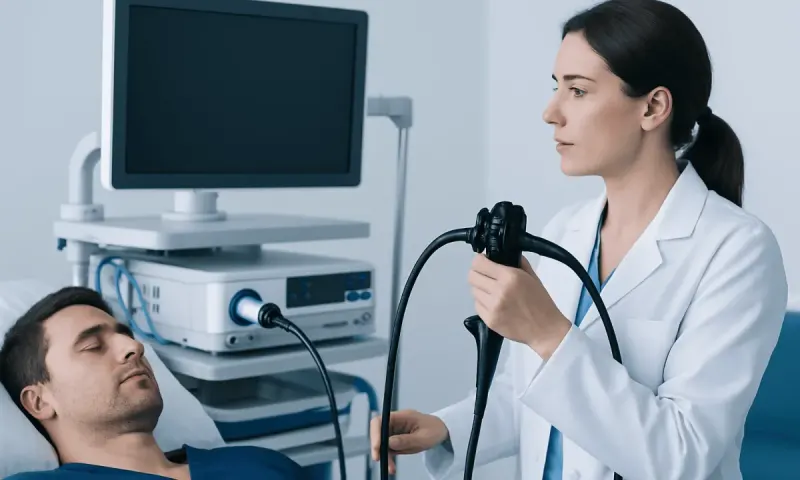
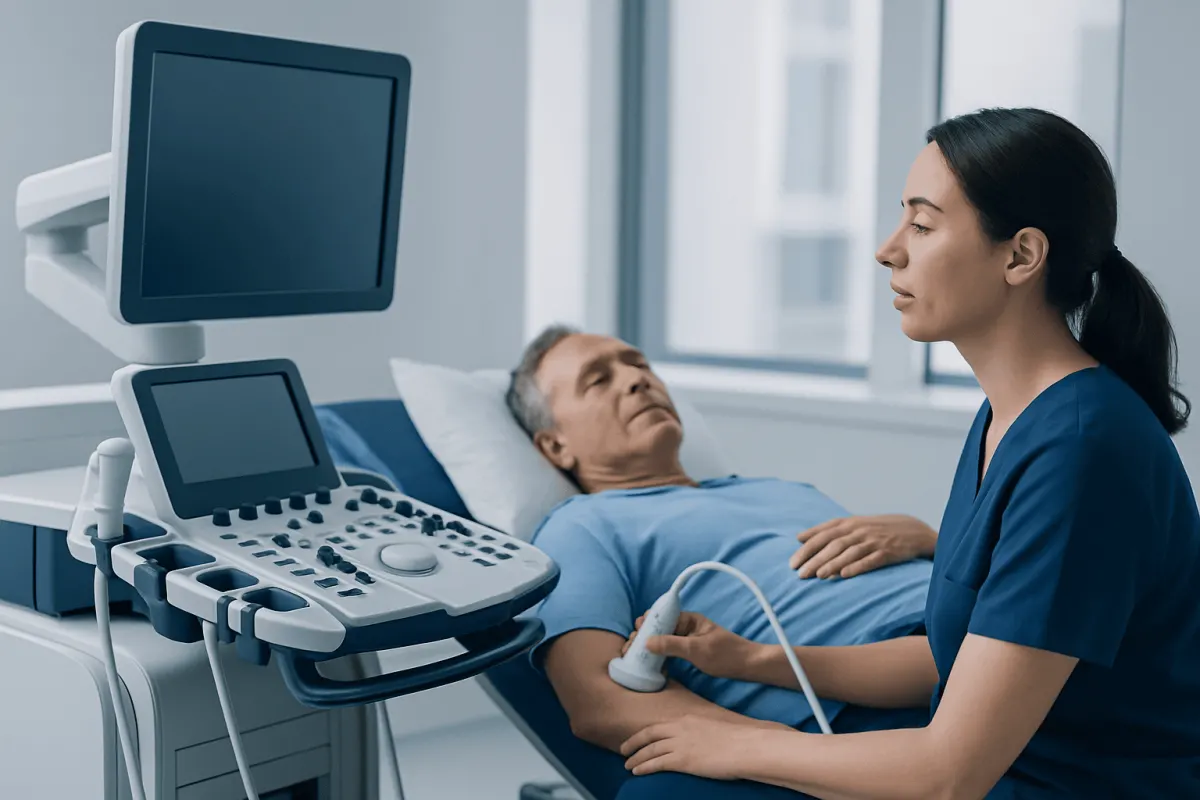
Basic blood tests may help identify anemia, inflammation, electrolyte changes, thyroid disorders, diabetes-related concerns or nutritional effects. Depending on the symptoms, clinicians may use endoscopy or imaging to look for ulcers, inflammation, narrowing, masses or other structural explanations. These tests are important because a structural problem can resemble a motility disorder.
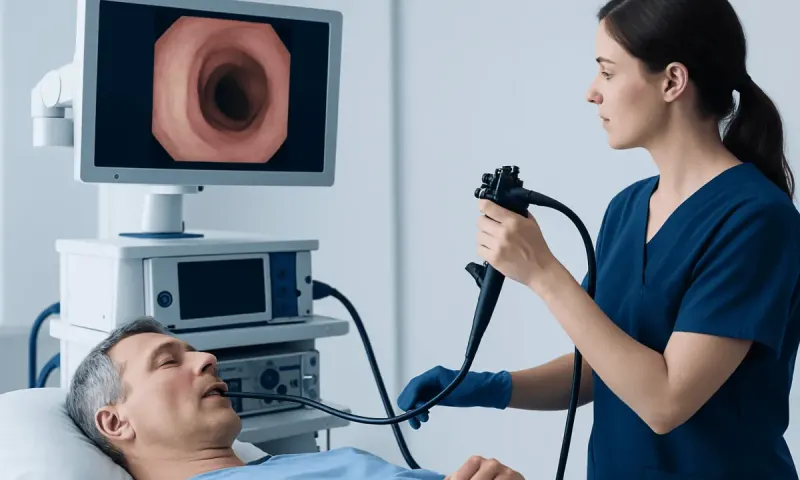
Specialized testing is selected only when it is likely to change care. Examples include esophageal manometry to measure swallowing muscle function, a gastric-emptying study for suspected delayed stomach emptying, breath testing in selected circumstances, colonic transit testing, anorectal manometry and balloon expulsion testing for possible pelvic floor dysfunction. Results are interpreted alongside symptoms rather than in isolation.
Treatment options and practical self-care
Treatment focuses on the specific pattern of dysmotility, symptom severity, nutritional needs and underlying cause. If a contributing illness is found, improving its management may help digestive function. Medication review is often valuable. Clinicians may recommend medicines that support movement in selected situations, relieve nausea, manage constipation or diarrhea, reduce reflux symptoms, or address pain carefully. The choice depends on the diagnosis and a person’s other health conditions.
Food strategies should be individualized. Smaller, more frequent meals may be easier for people with upper digestive symptoms, while gradual fiber adjustment may help some people with constipation. However, increasing fiber rapidly can worsen bloating or discomfort, and some people with markedly delayed stomach emptying need different dietary guidance. Adequate fluids, regular meals and gentle physical activity, when medically appropriate, may support bowel regularity.
For pelvic floor-related constipation, specialized pelvic floor physical therapy and biofeedback can improve coordination for many suitable patients. More advanced interventions are considered only for carefully selected cases after thorough testing. Acıbadem Health Point’s multidisciplinary specialists and JCI-accredited hospitals can assess digestive motility concerns and coordinate care for international patients.
There is no single “motility diet” or supplement that works for everyone. Herbal products, laxatives and over-the-counter remedies can interact with medicines or be unsuitable in some conditions. It is best to ask a qualified doctor or dietitian before starting a major dietary change or using these products regularly.
When to seek medical care
A person should arrange a medical appointment for persistent or recurring symptoms that affect eating, sleep, work, hydration or quality of life. Assessment is especially useful when constipation, nausea, bloating, vomiting or swallowing difficulty lasts for several weeks, is worsening or does not improve with simple measures. Children, older adults, pregnant people and those with significant chronic conditions may need earlier advice.
Urgent medical care is needed for severe or escalating abdominal pain, repeated vomiting with inability to keep fluids down, a swollen and tender abdomen, black stools, blood in vomit or stool, fainting, fever with significant abdominal symptoms, or inability to pass stool and gas together with severe discomfort. New trouble swallowing, choking, food sticking in the chest, or unintentional weight loss should also be evaluated promptly.
These symptoms do not always indicate a serious cause, but they should not be attributed to dysmotility without examination. Timely assessment can identify dehydration, bowel obstruction, bleeding, infection or other conditions that need prompt treatment.
Frequently asked questions
01Is dysmotility the same as irritable bowel syndrome?
No. Dysmotility describes abnormal digestive movement, while irritable bowel syndrome is a disorder of gut-brain interaction characterized by abdominal pain with changes in bowel habits. Some people with irritable bowel syndrome may have altered motility, but the terms are not interchangeable and evaluation is individualized.
02Can dysmotility go away on its own?
Temporary changes in digestive movement can improve when a short-term trigger, such as an infection, dehydration or a medication effect, resolves. Persistent dysmotility may require ongoing management, especially when related to a chronic medical condition. The outlook depends on the affected part of the digestive tract and the underlying cause.
03Does stress cause dysmotility?
Stress can affect gut-brain signaling and may worsen nausea, pain, bowel urgency, constipation or bloating. However, it should not be assumed to be the only cause of persistent symptoms. Medical evaluation can help rule out other conditions and support a balanced treatment plan.
04What tests confirm dysmotility?
There is no one test for every type of dysmotility. Doctors choose tests based on the symptom pattern and may use endoscopy, imaging, gastric-emptying studies, esophageal manometry, transit studies or anorectal testing. Testing is usually performed after a clinical review and after considering possible medication or medical causes.
05What foods should be avoided with dysmotility?
The best dietary approach depends on where the movement problem occurs and whether constipation, delayed stomach emptying or another issue is present. Some people benefit from smaller meals or gradual changes in fiber, while others may need more specific advice from a dietitian. Broad food elimination without professional guidance can lead to unnecessary restriction.
06Can exercise help digestive motility?
Regular gentle activity, such as walking, may support bowel regularity and overall wellbeing for many people. It is not a replacement for medical care when symptoms are significant, and exercise plans should be adapted for people with pain, dehydration, vomiting or other health limitations.
This article is for general information only and is not a substitute for professional medical advice. Please consult a qualified doctor about your individual situation.
Persistent digestive symptoms? Get evaluated in Turkey
JCI-accredited · board-certified surgeons · reply within 24h
Add us as a Preferred Source to see more of our trusted health content across Google Search, AI Overviews and Discover.