Intestinal Motility Disorder: Causes and Treatment
An intestinal motility disorder occurs when the muscles and nerves that move food, fluid, and waste through the digestive tract do not work normally. Symptoms can range from persistent constipation and bloating to nausea, abdominal pain, and episodes resembling a bowel blockage, and care is tailored to the affected area and underlying cause.
Overview: what an intestinal motility disorder means
An intestinal motility disorder is a problem with the normal, coordinated contractions that move food, liquid, gas, and stool through the digestive tract. These contractions depend on smooth muscle, the enteric nervous system within the gut wall, and signals from the brain and hormones. When this system is disrupted, movement may become too slow, uncoordinated, or, less commonly, overly rapid.
Motility problems can involve one part of the digestive tract or several. For example, delayed stomach emptying is called gastroparesis, while slow movement through the colon can contribute to chronic constipation. In severe cases, the small intestine may behave as if it is blocked despite no physical obstruction being present; this is known as chronic intestinal pseudo-obstruction.
Symptoms can overlap with many other digestive conditions, including irritable bowel syndrome, inflammatory bowel disease, food intolerance, and a true bowel obstruction. A careful assessment is therefore important. The goal is not only to ease symptoms, but also to identify treatable contributors and protect hydration and nutrition.
How symptoms can appear
The pattern of symptoms depends on where movement is affected and how severely. Slow upper-digestive-tract motility may cause early fullness after small meals, nausea, reflux, bloating, upper abdominal discomfort, or vomiting. Slow colonic transit more often causes infrequent stools, hard stools, straining, a feeling of incomplete emptying, and abdominal bloating.
Symptoms may fluctuate from day to day. Some people notice worsening after larger or high-fat meals, during periods of stress, with reduced physical activity, or after starting certain medicines. Others may have alternating constipation and loose stools, particularly when retained stool is followed by liquid stool passing around it.
- Abdominal bloating or visible distension
- Cramping, pressure, or persistent abdominal discomfort
- Nausea, reduced appetite, or feeling full quickly
- Constipation, difficult stool passage, or reduced gas passage
- Vomiting, especially in more significant upper-gut or small-bowel dysmotility
- Unintended weight loss or fatigue when food intake or nutrient absorption is affected
Symptoms alone cannot confirm an intestinal motility disorder. However, ongoing symptoms that interfere with eating, sleep, daily activities, or quality of life deserve medical review.
Why intestinal motility problems develop

Motility disorders can be primary, meaning they arise from a disorder of the gut’s nerves or muscles without another identifiable disease. They can also be secondary to an underlying medical condition. Diabetes, for example, can damage nerves that help regulate digestive movement, especially when blood glucose has been difficult to manage over time.
Other possible contributors include thyroid disorders, Parkinson’s disease and other neurologic conditions, autoimmune or connective-tissue diseases such as scleroderma, electrolyte disturbances, and prior abdominal surgery. In some people, a severe gastrointestinal infection may be followed by longer-lasting changes in bowel function. Ageing itself does not necessarily cause dysmotility, but coexisting illness and medication use can increase risk.
Medicines are an important and potentially reversible factor. Opioid pain medicines, some antidepressants, anticholinergic medicines, calcium channel blockers, iron supplements, and certain drugs used for nausea or bladder symptoms may slow bowel movement. A clinician can review all prescribed medicines, over-the-counter products, and supplements; people should not stop a prescribed medicine without professional advice.
Mechanical narrowing from scar tissue, a hernia, inflammation, or a tumor can also produce blockage-like symptoms, but this is different from a motility disorder and requires prompt exclusion. This distinction guides safe treatment.
Assessment and diagnosis
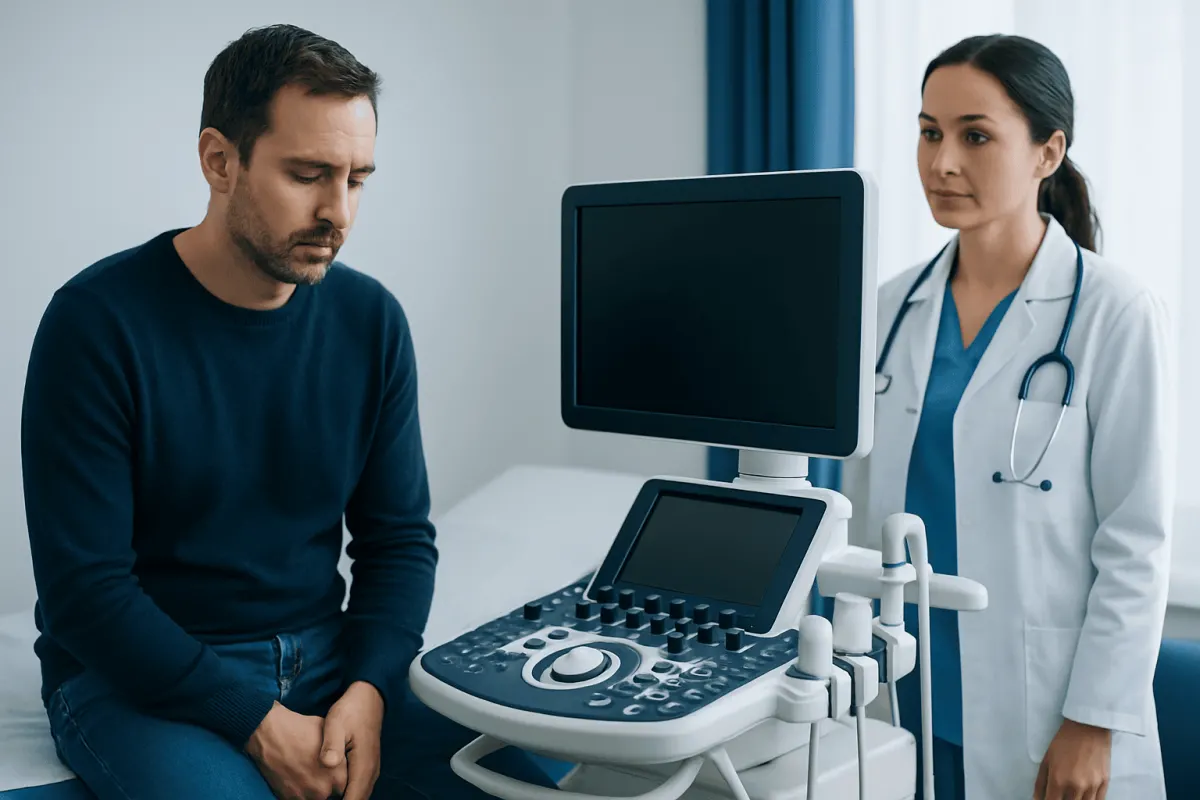
Diagnosis begins with a detailed symptom history. A clinician may ask about stool frequency and consistency, meal-related symptoms, vomiting, weight changes, past operations, medical conditions, family history, and medicines. A physical examination can identify abdominal swelling, tenderness, dehydration, or signs of an underlying systemic illness.
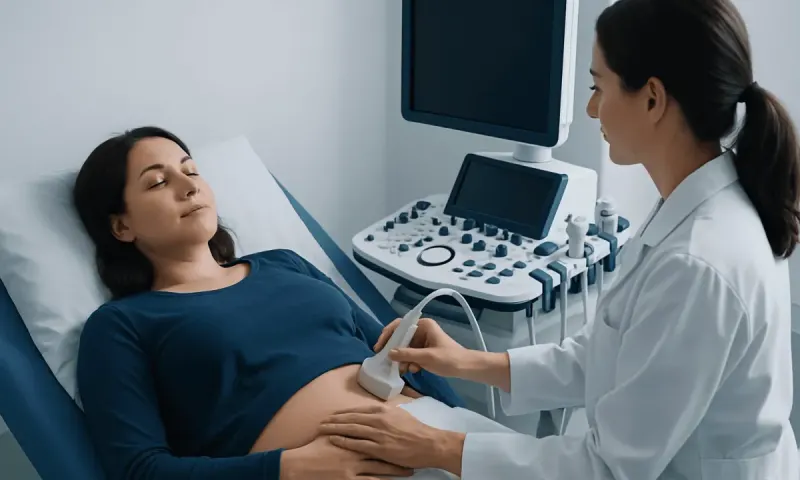
Initial testing may include blood tests for anemia, electrolyte changes, thyroid function, inflammation, blood glucose, and nutritional status. Depending on symptoms, stool testing, abdominal X-rays, ultrasound, CT, or MRI may be used to look for blockage or another structural cause. Endoscopy may be recommended when there are concerning symptoms or a need to inspect the upper digestive tract or colon.
Specialized motility testing is selected according to the suspected location of the problem. Examples include gastric emptying studies, breath tests that assess transit, radiopaque marker studies for colonic transit, anorectal manometry, and other pressure-based tests. These studies help distinguish slow transit from pelvic floor coordination problems, which can require different treatment approaches.
A diagnosis is often made by combining symptoms, test results, and the exclusion of structural disease. Not everyone needs every test; the work-up should be individualized and guided by a gastroenterologist or motility specialist when symptoms are persistent or complex.
Treatment options and daily management
Treatment for an intestinal motility disorder is based on the cause, the part of the gut involved, symptom severity, and nutritional needs. When an underlying condition is present, managing it may improve digestive function. This can include improving glucose control in diabetes, correcting thyroid or electrolyte problems, or adjusting medicines that slow the bowel when a suitable alternative is available.
Food strategies are individualized. Smaller, more frequent meals may be easier for people with early fullness or nausea. Some people benefit from modifying fat or fiber intake, but recommendations differ: fiber can help certain forms of constipation yet may worsen bloating or obstruction-like symptoms in others. A dietitian with gastrointestinal experience can help create a plan that maintains adequate calories, protein, fluids, vitamins, and minerals.
Clinicians may recommend medicines to soften stool, stimulate bowel movement, improve intestinal contractions in selected circumstances, control nausea, or manage pain carefully. Constipation treatment is often part of care for slow colonic transit, but the most appropriate approach depends on whether the issue is stool consistency, colon transit, pelvic floor coordination, or a combination of factors.
For severe dysmotility, care may involve hydration support, enteral or intravenous nutrition in carefully selected situations, and management by a multidisciplinary team. Procedures or surgery are reserved for specific circumstances after thorough evaluation, because surgery can sometimes worsen adhesions or motility symptoms. Related upper-gut symptoms may also warrant assessment for gastroparesis when delayed stomach emptying is suspected.
Practical self-care and prevention
Not all intestinal motility disorders can be prevented, particularly those caused by neurologic, autoimmune, or inherited conditions. Still, practical habits may support regular bowel function and reduce symptom triggers. Consistent fluid intake, regular meals, gentle physical activity when appropriate, and allowing enough time for toileting can be helpful for many people.
Keeping a short symptom diary may make patterns easier to identify. Recording meals, fluid intake, bowel movements, medicines, pain, nausea, and bloating can give useful information to the care team. It is also sensible to discuss laxative, herbal, or supplement use with a clinician, as some products can cause side effects or interact with medicines.
People with diabetes may reduce the risk of nerve-related digestive complications by working with their healthcare team on ongoing blood glucose management. Those with constipation should avoid suddenly making major fiber increases if they experience significant bloating, pain, or suspected slow transit; an individualized plan is safer.
Stress does not cause all motility disorders, but stress, poor sleep, and anxiety can intensify digestive symptoms. Relaxation techniques, appropriate psychological support, and sleep care may be useful alongside medical treatment, without implying that symptoms are “all in the mind.”
When to seek medical care
Medical advice is appropriate for persistent constipation, recurrent abdominal bloating, nausea after meals, unexplained changes in bowel habits, or symptoms that are affecting nutrition or everyday life. An evaluation is especially important if symptoms begin after age 50, are new and progressive, or occur with a personal or family history of bowel cancer or inflammatory bowel disease.
Urgent assessment is needed for severe or increasing abdominal pain, a swollen or rigid abdomen, repeated vomiting, inability to keep fluids down, inability to pass stool or gas with worsening distension, fever, fainting, black stools, blood in stool, or unexplained weight loss. These symptoms can indicate a bowel obstruction, bleeding, infection, or another condition requiring prompt care.
For people travelling internationally or seeking coordinated specialist evaluation, Acıbadem Health Point’s multidisciplinary specialists and JCI-accredited hospitals diagnose and treat digestive motility conditions with individualized assessment. A qualified clinician can determine whether symptoms reflect dysmotility, a structural problem, or another digestive condition.
Frequently asked questions
01Is an intestinal motility disorder the same as irritable bowel syndrome?
No. Irritable bowel syndrome is a disorder of gut-brain interaction that commonly causes abdominal pain with changes in bowel habits, while intestinal motility disorders involve abnormal movement through part of the digestive tract. The conditions can have overlapping symptoms, and some people may have features of both, so clinical assessment is important.
02Can an intestinal motility disorder cause weight loss?
It can, particularly if nausea, vomiting, early fullness, pain, or severe constipation makes it difficult to eat enough. Weight loss may also occur when nutrition is not absorbed or maintained adequately. Unintentional weight loss should be assessed by a doctor.
03What tests show slow intestinal motility?
Testing depends on the symptoms and suspected location. Imaging and endoscopy may first be used to rule out a physical blockage, while transit studies, gastric emptying tests, and manometry can assess digestive movement and muscle coordination.
04Can diet cure intestinal dysmotility?
Diet alone does not cure every cause of dysmotility, but it can reduce symptoms and support nutrition. The most helpful changes vary between people, so major restrictions should be discussed with a clinician or gastrointestinal dietitian.
05Do laxatives help with intestinal motility disorders?
Some laxatives can help when constipation is part of the problem, especially by improving stool consistency or encouraging bowel movements. They may not address the cause of dysmotility, and the right product depends on the individual pattern of symptoms. A clinician should guide ongoing use, particularly when pain, vomiting, or marked bloating is present.
06Can intestinal motility problems be serious?
Many motility symptoms are manageable, but severity varies. Significant vomiting, dehydration, malnutrition, severe abdominal distension, or symptoms resembling bowel obstruction require timely medical care. Early assessment helps identify complications and guide appropriate treatment.
This article is for general information only and is not a substitute for professional medical advice. Please consult a qualified doctor about your individual situation.
Persistent digestive symptoms? Get evaluated in Turkey
JCI-accredited · board-certified surgeons · reply within 24h
Add us as a Preferred Source to see more of our trusted health content across Google Search, AI Overviews and Discover.