Dry Scalp Therapy: Procedure, Benefits, Risks and Recovery

Key Takeaways
- Dry scalp therapy starts with finding the cause, because simple dryness, dandruff, eczema, psoriasis, and product irritation can look similar.
- Treatment may include gentle hair care, medicated shampoos, scalp moisturizers, and prescription medicines when needed.
- Most people improve with a consistent routine, but recovery depends on the underlying diagnosis and how irritated the scalp has become.
- Harsh washing habits, hot water, heavy fragranced products, and scratching can make symptoms worse.
- A doctor should evaluate scalp symptoms that are severe, long-lasting, painful, or associated with hair loss, bleeding, or thick scale.
Dry scalp therapy refers to a medically guided approach to easing scalp dryness, flaking, itch, and irritation by identifying the cause and choosing the right cleansing, moisturizing, or prescription treatment. It can be helpful when home care is not enough, especially if symptoms are persistent, widespread, or linked to a skin condition.
Overview
Dry scalp therapy is a practical, cause-based plan for calming a scalp that feels tight, itchy, flaky, or uncomfortable. In everyday care, people often use the term to describe a mix of gentle cleansing, scalp moisturising, and treatment of whatever is triggering the dryness in the first place.
The important first step is not to assume that every flaky scalp is the same. True dryness, dandruff, seborrheic dermatitis, eczema, psoriasis, allergic contact irritation, and even certain hair products can all create similar-looking symptoms. A well-chosen therapy plan aims to reduce discomfort while also treating the underlying problem, which is especially important for international patients who may arrive after trying several over-the-counter products without clear improvement.
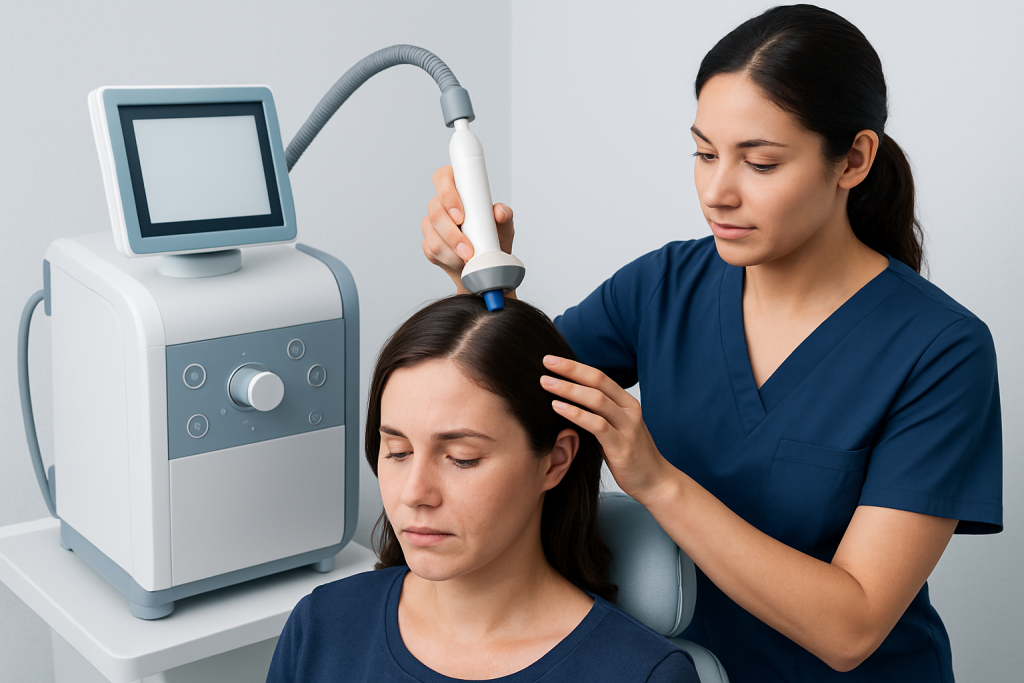
In a clinic setting, dry scalp therapy is usually not a single procedure but a tailored approach. A dermatologist or hair-and-scalp specialist may look at the pattern of flaking, the condition of the skin, the hair care routine, and whether there are signs of inflammation or infection. That assessment helps guide the safest and most effective next step.
Symptoms
Dry scalp usually announces itself through a few familiar signs. The scalp may feel tight after washing, look dull or flaky, and itch more in dry weather or after using harsh shampoo. Some people notice small, dry white flakes that fall onto clothing, while others mainly feel sensitivity or a burning sensation when touching the area.
Symptoms can vary depending on the cause. A scalp that is truly dry often looks fine or slightly scaly, whereas dandruff and seborrheic dermatitis may produce more oily, yellowish flakes with redness. Psoriasis can create thicker, more persistent scale, and eczema may cause intense itching with irritation beyond the scalp. When symptoms keep returning, the exact pattern matters more than the label.
Signs that deserve medical review include cracking, bleeding from scratching, pain, crusting, swelling, patchy hair loss, or flaking that extends to the eyebrows, ears, or face. These features may point to inflammation rather than simple dryness and may require a different treatment plan.
Causes & Risk Factors

Dry scalp develops when the skin barrier on the scalp loses moisture or becomes irritated. Cold weather, low humidity, frequent washing, hot water, and strong cleansers can all strip away protective oils and leave the scalp more reactive. Some people are naturally more prone to dryness because of their skin type or a history of eczema.
Other common contributors include hair dyes, styling sprays, fragranced shampoos, leave-in products, and excessive use of dry shampoo or heat styling. These can irritate the scalp even if they seem harmless at first. A person who travels often may also notice that changes in climate, water hardness, or bathing habits make symptoms worse, which is one reason a clear routine matters during recovery.
Several medical conditions can mimic or worsen dry scalp. Seborrheic dermatitis, psoriasis, atopic dermatitis, fungal infections, and some autoimmune or hormonal conditions may all involve scalp flaking or itching. Age, stress, infrequent rinsing after sweating, and picking or scratching the scalp can also increase irritation and prolong healing.
Diagnosis
Diagnosis begins with a conversation and a careful scalp examination. A clinician will usually ask when the symptoms started, what the flakes look like, which products are used, how often the hair is washed, and whether there are other skin symptoms elsewhere on the body. This history often gives strong clues about whether the issue is simple dryness or a specific skin condition.
During the exam, the doctor may check the scalp texture, degree of redness, scale thickness, and whether there are signs of infection, hair breakage, or hair loss. In some cases, a close inspection with a dermatoscope or additional testing may be recommended. If there is concern about fungal infection, inflammatory disease, or contact allergy, the clinician may suggest skin scraping, patch testing, or rarely a biopsy.
For patients arriving from abroad, diagnosis is often especially useful because it prevents a cycle of trial-and-error treatment. A focused medical review can reduce unnecessary products and help the patient return home with a simpler, more reliable care plan.
Treatment Options
Dry scalp therapy usually starts with conservative care. Gentle, fragrance-free shampoos; lukewarm water; and less aggressive washing can help restore comfort. A scalp-friendly moisturising routine may include lightweight emollients or leave-on products designed for the skin rather than heavy hair oils that can build up or irritate the scalp.
If the problem is actually dandruff or seborrheic dermatitis, medicated shampoos may be recommended to reduce yeast overgrowth and inflammation. If eczema or psoriasis is involved, the doctor may prescribe anti-inflammatory topical treatments or other medicines matched to the diagnosis. The goal is to lower inflammation without over-treating a scalp that only needs barrier support.
In some cases, treatment also includes stopping a product that is triggering the scalp, adjusting how often the hair is washed, or addressing an underlying issue such as fungal infection. Patients are usually advised to avoid scratching, because even light repeated trauma can worsen flakes and delay improvement. When symptoms are persistent, follow-up helps confirm that the plan is working and that a different diagnosis has not been missed.
Prevention & Self-care
Everyday habits make a meaningful difference. A gentle, repeatable hair-care routine is usually better than alternating between strong cleansing and heavy product use. Lukewarm water, mild shampoo, and careful rinsing help preserve the scalp barrier, while fragrances and harsh exfoliants are best used cautiously or avoided if the scalp is sensitive.
It is also helpful to watch for personal triggers. Some people flare after hair colouring, dry indoor air, frequent heat styling, or tight protective styles. Others do better when they wash after sweating, use a soft brush, and keep nails short to reduce damage from scratching. If travel or climate change worsens symptoms, bringing a familiar mild shampoo and a simple moisturising product can help maintain consistency.
- Choose fragrance-free or sensitive-skin hair products when possible.
- Avoid very hot showers and aggressive scalp scrubbing.
- Do not pick at flakes, even if they are tempting to remove.
- Limit repeated switching between many different products at once.
- Follow the treatment plan long enough to judge whether it is working.
If the scalp is still dry after a few weeks of careful home care, professional guidance is more useful than adding more products. The most effective routine is usually the simplest one that matches the cause.
When to See a Doctor
Medical evaluation is advisable when scalp dryness is not improving, keeps returning, or is affecting quality of life. It is especially important to seek care if the scalp is painful, bleeding, crusted, swollen, or associated with patchy hair loss. These features may indicate inflammation or infection rather than ordinary dryness.
A doctor should also assess symptoms that spread beyond the scalp, such as rash on the face, ears, elbows, knees, or nails, because these patterns can point to a broader skin condition. Early diagnosis often prevents prolonged irritation and reduces the chance of overusing the wrong products. For people planning medical travel, this visit can also clarify whether treatment should start before the trip or after arrival.
Acibadem Health Point’s multidisciplinary specialists and JCI-accredited hospitals diagnose and treat scalp and hair conditions for international patients, with care plans shaped around the underlying cause and follow-up needs. That kind of coordinated approach is particularly helpful when the patient needs both diagnosis and practical guidance for recovery at home.
Recovery and Follow-up
Recovery from dry scalp therapy depends on the cause and on how irritated the skin was at the start. Simple dryness may settle within days to weeks once the scalp barrier is protected, while inflammatory conditions often require longer treatment and regular reassessment. The key is consistency rather than rapid product switching.
Follow-up matters because the scalp can improve in one area while still remaining inflamed in another. A clinician may adjust the routine, change a medicated shampoo, or add a prescription treatment if symptoms are only partially controlled. For patients returning to another country, a clear written plan is useful so local care can continue without confusion.
Most people recover best when they combine medical treatment with realistic daily habits. If flakes disappear but itching remains, or if the scalp looks better for a short time and then worsens again, that pattern deserves another review rather than more guessing.
Benefits and Possible Risks
The main benefit of dry scalp therapy is relief from discomfort, but the value goes further than that. When the right cause is identified, treatment can improve sleep, reduce self-consciousness, and limit repeated scratching that can damage the scalp and hair shafts. A clearer diagnosis also helps people avoid buying and discarding many products that do not fit the problem.
There are some risks if therapy is chosen without proper evaluation. Overuse of harsh exfoliants, frequent product changes, or inappropriate medicated shampoos can irritate the scalp further. Even natural oils or home remedies may worsen symptoms in some people if they clog the scalp or trigger contact sensitivity.
Prescription treatments can also have side effects, which is why they should be used under medical guidance. The safest approach is to match the therapy to the diagnosis, then monitor response over time. In scalp care, the right treatment tends to be the one that calms the skin without creating new problems.
Frequently asked questions
01What is dry scalp therapy?
Dry scalp therapy is a set of treatments and care steps used to relieve scalp tightness, itching, and flaking. It usually combines gentle hair care with targeted treatment for the underlying cause, such as dryness, eczema, psoriasis, or seborrheic dermatitis.
02How is dry scalp different from dandruff?
Dry scalp is usually related to a lack of moisture or irritation, and the flakes are often small and white. Dandruff is often linked to seborrheic dermatitis and may produce more oily, yellowish flakes with redness or itch.
03Can dry scalp be treated at home?
Mild dryness often improves with gentler washing, lukewarm water, and fragrance-free scalp care. If symptoms persist, worsen, or include redness, pain, or hair loss, a doctor should evaluate the scalp before more products are added.
04How long does recovery usually take?
Recovery depends on the cause and how inflamed the scalp is. Simple dryness may improve within a short time, while conditions like eczema or psoriasis may need longer, ongoing care and follow-up.
05Are medicated shampoos safe for everyone?
Medicated shampoos can be helpful, but they are not ideal for every scalp problem. A clinician can help choose the right product and make sure it is being used for the correct diagnosis.
06When should someone worry about scalp flaking?
Flaking should be checked if it is persistent, painful, associated with bleeding, or comes with patchy hair loss or thick scale. Those features suggest something beyond simple dryness and may need medical treatment.
This article is for general information only and is not a substitute for professional medical advice. Please consult a qualified doctor about your individual situation.
Hair transplant in Turkey — costs, graft counts & a free assessment
JCI-accredited · board-certified surgeons · reply within 24h
Add us as a Preferred Source to see more of our trusted health content across Google Search, AI Overviews and Discover.