Does Insurance Cover a Breast Lift Procedure?
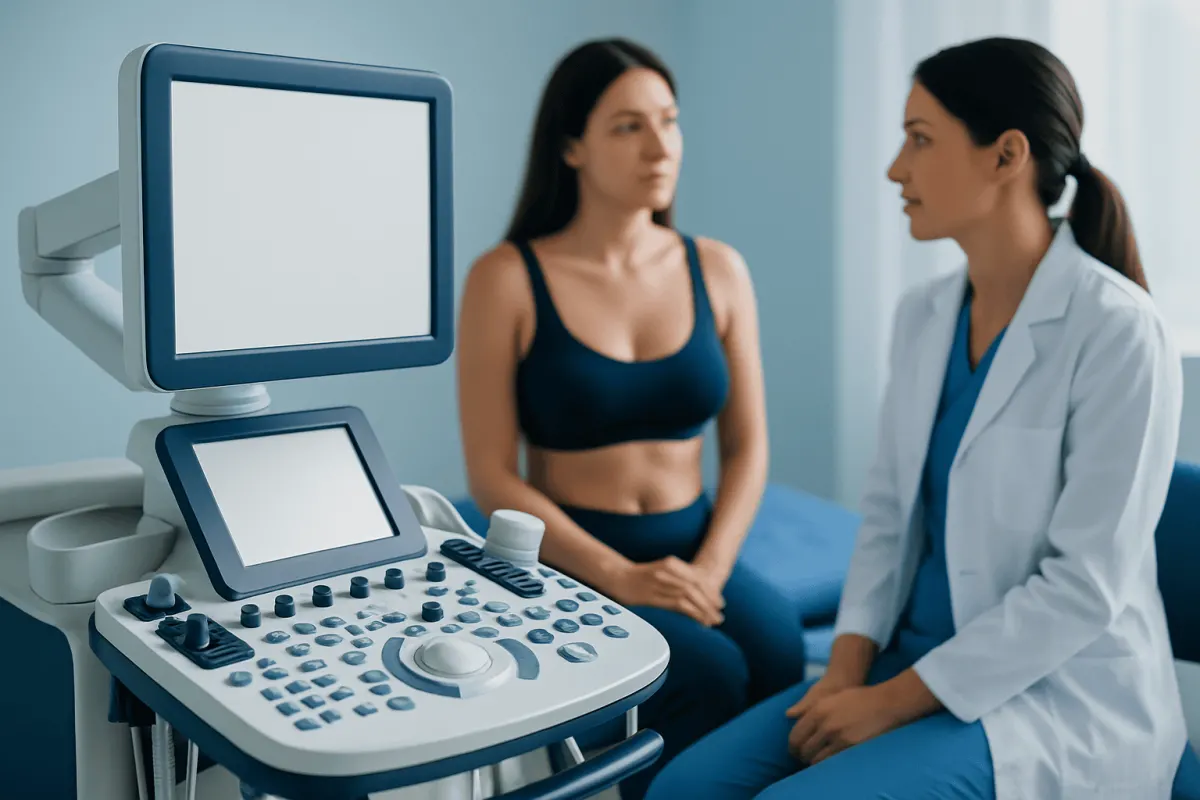
Insurance usually does not cover a breast lift (mastopexy) performed solely to improve breast shape or correct sagging. Coverage may be possible when the lift is part of medically necessary breast reconstruction or another covered procedure, depending on the individual policy and clinical documentation.
Does Insurance Cover Breast Lift?
In most cases, insurance does not cover breast lift surgery when the purpose is cosmetic improvement of breast position, shape or symmetry. A breast lift, also called mastopexy, removes excess skin and reshapes breast tissue so the breast and nipple sit higher on the chest. Insurers commonly classify this as an elective aesthetic procedure.
Coverage can be different when breast lifting or reshaping is part of breast reconstruction after mastectomy, lumpectomy or other cancer treatment, or when it is combined with a medically indicated operation. The exact answer depends on the insurance plan, local regulations, clinical circumstances and whether the insurer approves the procedure in advance. Patients should ask their insurer for the relevant written policy rather than relying on online discussions, including posts about “does insurance cover breast lift reddit,” which may not apply to their plan.
A plastic surgeon can assess the concern, explain whether surgery is appropriate and provide documentation when there is a reconstructive indication. However, only the insurer can confirm benefits and authorize payment.
What Is a Breast Lift and How Does It Work?
A breast lift is an operation designed to address breast ptosis, the medical term for breast drooping. Pregnancy, breastfeeding, aging, weight changes, genetics and reduced skin elasticity can all change breast volume and the position of the nipple and areola. A lift improves breast contour by removing excess skin, reshaping the remaining breast tissue and repositioning the nipple-areola complex.
The operation does not substantially increase breast volume. Some people choose a breast lift with implants to restore upper-breast fullness, while others may need a reduction if heavy breasts contribute to neck, shoulder or back symptoms. These are separate procedures with different goals, risks and insurance considerations. Patients considering surgical reshaping can learn more about breast lift surgery during a consultation with a qualified plastic surgeon.
Breastfeeding can affect breast size and skin stretch, but it does not automatically make a lift medically necessary. Similarly, a lift after weight loss, including after bariatric surgery, is usually treated as cosmetic unless there is a specific reconstructive or functional indication recognized by the policy.
What Makes a Breast Lift Medically Necessary?

A medically necessary procedure is one needed to diagnose, treat or manage a recognized medical condition, based on the insurer’s criteria. Sagging breasts alone, even when it causes dissatisfaction or difficulty finding clothing, is usually not considered enough for coverage of a breast lift. Insurance policies vary considerably, so definitions and exclusions should be checked carefully.
Breast reshaping may be considered reconstructive when it restores appearance or function after breast cancer surgery, trauma or a congenital difference. For example, after a lumpectomy, a surgeon may recommend reshaping the treated breast or operating on the opposite breast to improve symmetry as part of reconstruction. Whether insurance covers a breast lift after lumpectomy depends on the reconstruction plan and applicable benefits.
Large, heavy breasts can sometimes cause persistent rashes beneath the breasts, shoulder grooving, neck pain or back pain. In these circumstances, an insurer may review a breast reduction rather than a lift alone. When reduction is approved for documented symptoms, a lifting effect is often part of the surgical technique. This is why the question “does insurance cover breast lift and reduction” needs an individualized clinical and policy review.
- Potential reconstructive contexts include surgery after cancer treatment, traumatic injury or certain congenital breast differences.
- Insurers may require evidence of symptoms, prior non-surgical care, photographs, records and preauthorization.
- Even if one part of a combined procedure is covered, cosmetic components may remain the patient’s responsibility.
How Do I Get Insurance to Cover a Breast Lift?
There is no guaranteed way to obtain coverage for a cosmetic breast lift. If there may be a reconstructive or medical reason, the first step is an assessment by the appropriate clinician, such as a breast surgeon, oncologist or board-certified plastic surgeon. They can document the diagnosis, previous treatments, symptoms and the proposed surgical plan.
Patients should then contact the insurance company before scheduling surgery. They can ask whether mastopexy, reconstructive breast surgery, symmetry surgery or breast reduction is covered under their plan; whether preauthorization is required; which documents are needed; and whether the surgeon and hospital are in network. Keeping copies of referral letters, clinical notes and the insurer’s written responses can be helpful.
A claim may be denied even when a patient and surgeon believe surgery is important. In that event, patients can ask for the reason for denial, review the policy language and discuss whether an appeal is appropriate. An appeal should be truthful, clinically supported and based on the plan’s stated criteria. A surgeon’s office may help submit records, but it cannot promise approval.
Candidacy and Step-by-Step Breast Lift Procedure
Good candidates are generally adults in good overall health who have realistic expectations and are concerned by breast drooping, stretched skin or downward-pointing nipples. A surgeon considers breast size and skin quality, nipple position, medical history, medications, future pregnancy plans and smoking or nicotine use. Weight should ideally be stable, because substantial future weight changes can alter the result.
Before surgery, the surgeon discusses goals, examines the breasts and may take measurements and photographs for clinical planning. Depending on the individual anatomy, incisions may be placed around the areola, vertically from the areola toward the breast crease, and sometimes along the breast crease. The choice aims to balance reshaping needs with scar placement.
On the day of surgery, anesthesia is used for comfort and safety. The surgeon makes planned incisions, lifts and reshapes tissue, removes excess skin and moves the nipple-areola complex to a higher position while keeping it connected to its blood supply where possible. Incisions are closed and dressings or a supportive surgical bra are applied. The procedure is commonly performed as outpatient surgery, although the recommended setting depends on the operation and the person’s health.
Recovery Timeline, Benefits and Risks
Recovery varies with the surgical technique, whether other procedures are performed and the individual’s health. Swelling, bruising, tightness and temporary discomfort are common in the early days. Many people return to light daily activities within about one to two weeks, but lifting, strenuous exercise and chest-focused activity are restricted for longer according to the surgeon’s instructions.
Breasts continue to settle as swelling improves over weeks to months. Incision scars are permanent but generally fade over time; scar care should follow the surgical team’s guidance. Follow-up appointments are important to monitor healing, remove or check dressings if needed and discuss a safe return to work, exercise and supportive garments.
Potential benefits include a higher breast position, improved contour, better nipple alignment and greater comfort in clothing. Risks include bleeding, infection, fluid collection, delayed wound healing, noticeable scarring, changes in breast or nipple sensation, asymmetry, dissatisfaction with cosmetic outcome and complications related to anesthesia. Rarely, blood supply to the nipple-areola complex can be affected. A lift can also affect future breastfeeding, although the effect varies by technique and individual anatomy.
Patients should seek urgent medical advice after surgery for chest pain, shortness of breath, sudden marked swelling on one side, heavy bleeding, fever, worsening redness, pus-like drainage or pain that is not controlled by the prescribed plan.
What Is the Average Cost of a Breast Lift?
The total cost of a breast lift can vary widely by country, city, surgeon experience, facility, anesthesia needs, procedure complexity and whether it is combined with augmentation, reduction or reconstruction. For this reason, a single “average” figure may not reflect what an individual will pay and can be misleading across different healthcare systems.
When a lift is not covered, patients should request an itemized written estimate. It may include the surgeon’s fee, anesthesia, operating facility, laboratory testing, garments, medications and follow-up care, although inclusions differ between providers. They should also ask about possible costs related to revision surgery or treatment of complications, should these become necessary.
If reconstruction may be covered, patients should confirm coverage directly with their insurer and clarify which elements are included. Cost should be considered alongside surgeon qualifications, accredited facilities, safety standards, postoperative access and a clear understanding of expected results.
Can I Fix Saggy Breasts Without Surgery? When to Seek Medical Care
Non-surgical measures cannot reliably lift significantly drooping breast tissue or reposition nipples once skin and supporting tissues have stretched. A well-fitted supportive bra can improve comfort and appearance in clothing. Maintaining a stable weight, avoiding smoking and protecting chest skin from excessive sun exposure may support skin health, but these measures do not replace a surgical lift.
Exercise strengthens the chest muscles beneath the breasts and may improve posture, but it does not tighten breast skin or raise breast tissue itself. Creams, supplements and devices marketed as breast-lifting solutions have limited evidence for meaningful, lasting lifting. Anyone considering these products should be cautious about unverified claims.
Medical assessment is advisable for a new breast lump, skin dimpling, persistent rash, nipple discharge that is bloody or spontaneous, a newly inverted nipple, unexplained breast pain or a rapid change in breast size or shape. These symptoms do not necessarily indicate a serious problem, but they should be evaluated promptly. People considering a lift after breastfeeding or significant weight loss can also arrange a non-urgent consultation once breast size and weight have been stable.
Acıbadem Health Point’s multidisciplinary specialists and JCI-accredited hospitals assess reconstructive and aesthetic breast concerns for international patients, with care plans based on individual clinical needs.
Frequently asked questions
01Does insurance cover breast lift surgery after weight loss?
Usually, a breast lift after weight loss is considered cosmetic and is not covered by insurance. Coverage may be reviewed differently if the procedure is part of medically necessary reconstruction or another covered operation, but this depends on the policy and clinical documentation. Weight loss after bariatric surgery does not by itself guarantee coverage.
02Does insurance cover a breast lift after breastfeeding?
In most cases, no. Breast changes after pregnancy and breastfeeding are common, and a lift performed to restore pre-pregnancy shape is generally considered cosmetic. A surgeon may recommend waiting until breastfeeding has ended and breast size has stabilized before considering surgery.
03Does insurance cover a breast lift after lumpectomy?
It may be covered when it is part of breast reconstruction or symmetry surgery following lumpectomy for cancer, subject to the policy and authorization requirements. The breast surgeon, oncologist and plastic surgeon can help explain the reconstructive plan. Patients should obtain written confirmation from their insurer before treatment.
04Will a breast reduction also lift the breasts?
Yes, breast reduction surgery usually includes reshaping and lifting because excess breast tissue and skin are removed and the nipple position is adjusted. Insurance may cover reduction in some cases of documented physical symptoms caused by large breasts. A lift without reduction is more often considered cosmetic.
05How long do breast lift results last?
Results can be long-lasting, but breasts continue to change naturally with aging, gravity, pregnancy, hormonal changes and weight fluctuations. Maintaining a stable weight and avoiding nicotine can support healing and help preserve the result. No procedure can permanently prevent future changes in breast shape.
06Can a breast lift be performed with implants?
Yes, a lift can be combined with breast augmentation when a person wants both a higher breast position and more volume or upper-pole fullness. Combining procedures may not be suitable for everyone, and it can affect recovery and risks. A plastic surgeon can explain whether a combined or staged approach is safer and more appropriate.
This article is for general information only and is not a substitute for professional medical advice. Please consult a qualified doctor about your individual situation.
Oncology care in Turkey — second opinion and treatment plan
JCI-accredited · board-certified surgeons · reply within 24h
Add us as a Preferred Source to see more of our trusted health content across Google Search, AI Overviews and Discover.