Does Hair Grafting Work?

Key Takeaways
- Hair grafting can be effective when the hair loss pattern is stable and donor hair is healthy.
- The best candidates usually have androgenetic alopecia, traction-related loss, or certain scarring patterns that have been properly evaluated.
- Results are gradual; transplanted hair sheds first, then new growth typically appears over months.
- Hair grafting does not stop future hair loss in untreated areas, so long-term planning matters.
- Recovery is usually straightforward, but aftercare and follow-up are important for graft survival and natural-looking results.
Does hair grafting work? For many people with pattern hair loss or stable thinning, hair grafting can create a natural-looking improvement by moving healthy follicles to areas of loss. Results depend on the cause of hair loss, donor hair quality, surgical planning, and realistic expectations.
Overview
Does hair grafting work? In many appropriately selected patients, the answer is yes. Hair grafting can restore density in thinning areas by relocating hair follicles from a donor area, usually the back or sides of the scalp, to places where hair has become sparse or absent.
The treatment is best understood as redistribution rather than creation of new hair. Because the transplanted follicles are taken from areas that are genetically more resistant to thinning, they often continue to grow in their new location. That is why hair grafting can be a practical option for people who want a lasting cosmetic improvement rather than a short-term cover-up.
It is not the right answer for every type of hair loss. The underlying cause matters, as do age, scalp health, donor hair supply, and whether the pattern of loss is still changing. A careful consultation helps determine whether grafting is likely to be worthwhile and how the result may look over time.
How Hair Grafting Works
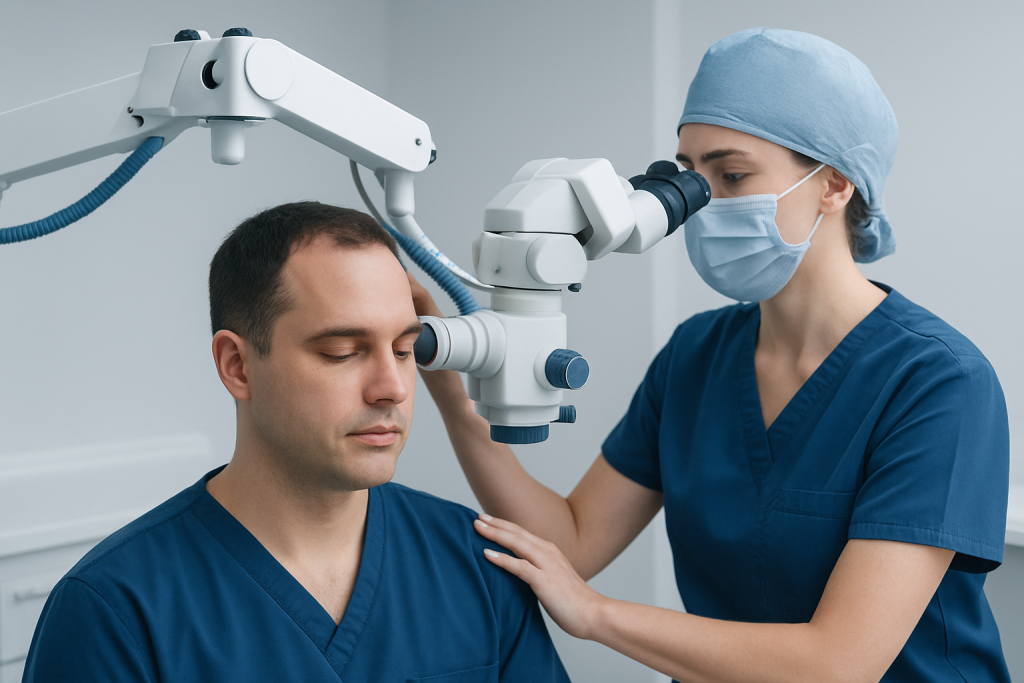
Hair grafting is a surgical hair restoration procedure that moves follicular units, each containing one to several hairs, from a donor site to a recipient site. The two most common approaches are follicular unit transplantation, which removes a strip of scalp for graft preparation, and follicular unit extraction, which removes individual grafts directly.
Once placed into small openings in the thinning area, the grafts need time to settle and connect with local blood supply. It is common for the visible hair shafts to fall out during the early healing phase. This can be unsettling if the process is unexpected, but the follicles themselves may remain viable and begin growing new hair later.
Because the procedure relies on the health of the donor follicles and the skill of the surgical team, planning is as important as the operation itself. Hairline design, graft distribution, and matching the angle and direction of native hair all influence how natural the final result looks.
Who Is a Good Candidate

Hair grafting tends to work best for people with pattern hair loss that has become relatively stable. Men and women with androgenetic alopecia are commonly evaluated for treatment, especially when thinning is localized and donor hair is adequate.
Other possible candidates include some people with traction alopecia, selected cases of scarring alopecia that are inactive, or individuals with eyebrow or beard restoration needs. In each situation, the cause of hair loss must be carefully confirmed before surgery is considered.
Not everyone benefits equally. People with diffuse thinning throughout the scalp, untreated autoimmune hair loss, active scalp inflammation, very limited donor hair, or unrealistic expectations may need another plan first. A specialist will usually assess the scalp, review medical history, and decide whether grafting should be delayed, combined with medical treatment, or avoided.
What Results to Expect
Results are gradual rather than immediate. In the first weeks, the scalp may look somewhat uneven as healing progresses and transplanted shafts shed. New visible growth often begins months later, with fuller change continuing over a longer period as the hairs mature.
Most patients can expect improved coverage in targeted areas, but not the same density that once existed in youth. A good result is usually one that blends with existing hair and looks believable in day-to-day life, not a completely recreated scalp.
The long-term outcome also depends on what happens to non-transplanted hair. If underlying pattern hair loss continues, thinning around the grafted area can make the restored sections look less dense over time. For that reason, many treatment plans include discussion of medical therapies, maintenance, and future touch-ups if needed.
Causes, Limitations, and Risk Factors
Whether hair grafting works well depends on the reason for hair loss. Androgenetic alopecia is the condition most often treated successfully because the pattern is predictable and donor follicles are usually resistant to miniaturization. By contrast, hair loss caused by active disease, hormone imbalance, nutritional deficiency, or scalp infection may need medical treatment before surgery is considered.
Several factors can limit success. These include poor donor density, extensive baldness, smoking, uncontrolled chronic illness, prior scalp surgery, or a history of keloid formation. Technique also matters, since graft handling, implantation depth, and spacing affect survival and appearance.
Possible risks include swelling, temporary numbness, discomfort, infection, scarring, shock loss in nearby hair, and graft failure. Serious complications are uncommon when the procedure is performed by an experienced team, but patients should still understand that no surgery is risk-free.
Diagnosis and Pre-Treatment Assessment
Before anyone answers does hair grafting work for a particular person, the cause of hair loss must be identified. A consultation usually includes a discussion of when shedding began, how quickly it progressed, family history, medications, stressors, scalp symptoms, and any previous treatments.
The clinician may examine the scalp under magnification, check the hair-pull pattern, and review whether the loss appears stable or active. In some cases, blood tests are needed to look for issues such as thyroid disease, iron deficiency, or other contributors to shedding. If the diagnosis is uncertain, a biopsy may be recommended.
International patients often benefit from a structured pre-travel review, because surgery should not be booked on appearance alone. Clear photographs, a documented medical history, and a realistic discussion about timeline and follow-up help reduce surprises after the trip and improve decision-making before treatment starts.
Treatment Options and Recovery
Hair grafting is only one part of hair restoration care. Depending on the cause of hair loss, a clinician may also recommend medical treatment, scalp care, camouflage styling, or a staged surgical plan. For some patients, combining grafting with ongoing therapy provides a more stable long-term result than surgery alone.
Recovery is usually manageable. Most people can return to light routine activities relatively soon, but they need to protect the scalp while the grafts settle. Gentle washing instructions, avoiding rubbing or picking, and following guidance on exercise, hats, and sun exposure are all important during early healing.
As the trip home approaches, follow-up planning matters. Patients traveling from another country should know when to send photos, how to reach the care team, and which symptoms would require prompt review. When treatment is coordinated well, the aftercare phase can be organized without being complicated.
- Keep the scalp clean using the method advised by the surgical team.
- Avoid scratching, tight headwear, and unnecessary pressure on the grafts.
- Be patient with early shedding, since visible growth takes time.
- Attend scheduled follow-up visits, even if the early recovery seems straightforward.
Prevention, Maintenance, and When to See a Doctor
Hair grafting does not prevent future hair loss in untreated areas, so maintenance is part of the bigger picture. Protecting the scalp from traction, treating underlying medical causes, and discussing approved hair-loss therapies can help preserve more of the patient’s native hair.
Anyone noticing sudden shedding, patchy loss, scalp pain, itching, scaling, or rapid change in pattern should see a doctor before considering surgery. These symptoms can point to conditions that should be treated first, since grafting into active disease is unlikely to give the best result.
Patients who are planning treatment abroad should ask about the surgeon’s experience, the proposed graft count range, the donor area plan, and the expected follow-up schedule. Acibadem Health Point’s multidisciplinary specialists and JCI-accredited hospitals evaluate and treat hair and scalp conditions for international patients, with care planning designed around safe diagnosis, treatment, and recovery.
Frequently asked questions
01Does hair grafting work for everyone?
No. It tends to work best for people with stable pattern hair loss and a healthy donor area. People with active shedding, diffuse thinning, or untreated scalp disease may need another approach first.
02How long does it take to see results after hair grafting?
The process is gradual. Early shedding of transplanted hairs is common, and new growth usually appears over the following months rather than immediately.
03Will the transplanted hair last forever?
Transplanted follicles are often long-lasting because they come from areas more resistant to thinning. However, natural aging and ongoing hair loss in non-transplanted areas can still change the overall appearance over time.
04Is hair grafting painful?
Most patients describe the procedure as uncomfortable rather than painful, because local anesthesia is used. Mild soreness, tightness, or swelling can occur during recovery, but these effects usually improve as healing progresses.
05Can women benefit from hair grafting?
Yes, some women are good candidates, especially when hair loss is localized and the cause is clearly understood. A specialist must first confirm that the pattern is suitable for surgery.
06What should someone ask before choosing a clinic abroad?
It is helpful to ask who will perform the procedure, how the donor area will be assessed, what follow-up support is available, and how the team handles complications. Clear communication before travel makes recovery and aftercare easier.
This article is for general information only and is not a substitute for professional medical advice. Please consult a qualified doctor about your individual situation.
Hair transplant in Turkey — costs, graft counts & a free assessment
JCI-accredited · board-certified surgeons · reply within 24h
Add us as a Preferred Source to see more of our trusted health content across Google Search, AI Overviews and Discover.