Penile Surgery Enlargement Before and After: Procedure, Benefits, Risks and Recovery

Key Takeaways
- Penile enlargement surgery is not one single operation; techniques differ in goals, limitations, and recovery.
- Before and after outcomes are usually more subtle and variable than many online images suggest.
- Risks include scarring, infection, altered sensation, dissatisfaction with results, and the possibility of revision surgery.
- A thorough consultation should include medical history, anatomy review, mental health considerations, and discussion of realistic goals.
- Recovery may take weeks, while full healing and final appearance can take longer, especially if more than one technique is used.
Penile surgery enlargement before and after results depend heavily on the procedure chosen, the person’s anatomy, and the surgeon’s experience. A careful evaluation helps set realistic expectations about what surgery can and cannot change.
Overview
When people search for penile surgery enlargement before and after, they are usually trying to understand a simple question with a complicated answer: what changes are actually possible, and what does recovery look like in real life? The most important point is that penile enlargement surgery is not a single standardized procedure. It may refer to operations aimed at increasing visible length, girth, or both, and the result depends on the technique, the anatomy present before surgery, and how healing unfolds over time.
For men considering care abroad, the decision often begins with comparing options, asking how much change is realistic, and learning whether the surgery addresses a medical need or a cosmetic goal. A good consultation focuses less on dramatic promises and more on safety, function, and expectations. That is especially important for international patients, who may have only one preoperative visit before traveling home for recovery and follow-up.
Before and after photos can be helpful, but they should be viewed as examples rather than guarantees. Lighting, angle, swelling, and healing stage can all influence appearance. A more useful question is whether the surgeon explains the procedure clearly, discusses limitations openly, and provides a plan for recovery and long-term follow-up.
What Penile Enlargement Surgery May Change
Penile enlargement surgery may aim to change two separate features: flaccid length and girth. Some techniques are designed to make the penis appear longer by releasing supportive structures or changing how it sits against the body. Others focus on adding volume through fat transfer, grafting, or other tissue-based methods to increase thickness.
It is important to understand that surgical change does not always mean a major increase in functional size. In many cases, the visible result is modest rather than dramatic. Erect length is especially difficult to alter safely and predictably, and some procedures may have more effect on the flaccid appearance than on erections. For this reason, a surgeon should explain exactly which measurement is expected to change.
Patients should also ask how the result is assessed. Measurements may be taken in a standard way before surgery, but the final appearance can differ depending on healing, scar formation, and whether additional procedures were combined. When reviewing penile surgery enlargement before and after expectations, clarity about the measurement method matters as much as the number itself.
Symptoms and Reasons Men Seek Evaluation
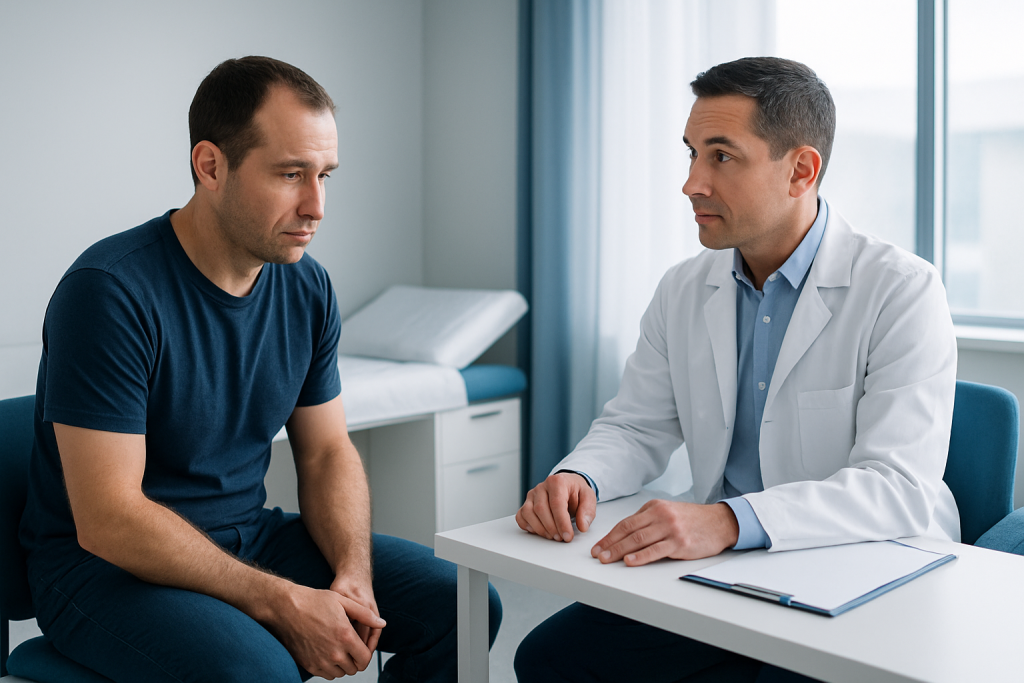
Men who consider enlargement surgery usually do not have a disease in the traditional sense; rather, they may be concerned about body image, asymmetry, perceived shortness, or changes after weight gain, aging, or prior surgery. Some also seek evaluation because of buried penis, loss of visible length from suprapubic fat, or dissatisfaction that affects confidence and intimacy.
Sometimes the concern is less about size and more about how the penis looks in relation to the rest of the body. In other cases, the worry may reflect anxiety, relationship stress, or unrealistic comparisons with online images. A careful specialist will listen without judgment and may recommend counseling or a non-surgical approach if expectations are not aligned with what surgery can deliver.
Symptoms that require medical review are different from cosmetic concerns. Pain, curvature, erectile changes, skin tightening, scarring, or changes after an injury deserve evaluation before any enlargement procedure is considered. If the issue is actually functional, the treatment plan may need to address the underlying problem first.
Causes and Risk Factors
There is no single cause that leads someone to seek penile enlargement surgery. Common factors include naturally smaller anatomy, high body mass index with fat around the pubic area, age-related changes, previous penile trauma, congenital differences, or emotional distress about perceived size. In some men, the concern is intensified by pornography, comparison with peers, or social stigma.
Risk factors for complications are important to review before surgery. Smoking, poor wound healing, uncontrolled diabetes, clotting disorders, active infection, and certain medications can all affect recovery. Previous surgery in the genital area may also make tissue more complex to work with and can increase the likelihood of scarring or uneven results.
Psychological readiness is another factor. If a person expects surgery to solve relationship problems, self-esteem issues, or general dissatisfaction with body image, the result may be disappointing even if healing is technically successful. The best candidates usually have specific, realistic goals and a clear understanding of the trade-offs.
How the Diagnosis and Surgical Consultation Work
Before any operation, a specialist evaluates both anatomy and goals. This usually includes a medical history, physical examination, discussion of sexual function, and review of previous treatments or surgeries. The surgeon may measure flaccid and stretched length, assess skin quality, and identify whether excess fat, scarring, or buried penis is contributing to the concern.
The consultation is also the time to discuss alternatives. Some men may benefit more from weight management, treatment of erectile dysfunction, pelvic or urologic evaluation, or counseling than from surgery. If surgery is still appropriate, the doctor should explain the exact technique, the likely outcome, the healing timeline, and what can cause the result to change after the first postoperative weeks.
For international patients, diagnostic planning should be practical. It helps to know which tests are needed before travel, how long the stay may be, and what follow-up will happen once the patient returns home. A well-organized team will provide written instructions, warning signs to watch for, and a clear contact pathway for questions after discharge.
Treatment Options and Common Surgical Approaches
Penile enlargement surgery may involve one or more methods, depending on the goal. Procedures intended to improve visible length may include release of suspensory support structures, often paired with skin or tissue techniques to preserve stability. Other approaches focus on girth enhancement using fat transfer, dermal grafts, or other tissue-based augmentation methods.
Not every approach is suitable for every patient. Some techniques can create a fuller appearance but may also carry a higher risk of irregular contour, resorption, or unevenness over time. Other techniques may improve how the penis appears when flaccid but produce limited change in erection length. A responsible surgeon discusses both the potential benefit and the practical limits of each option.
Most patients benefit from understanding the trade-offs before consenting. Questions to ask include whether the procedure affects erection quality, whether the result is permanent, whether revision is sometimes needed, and how scarring is managed. The best surgical plan is the one that matches the person’s anatomy, priorities, and tolerance for risk rather than the one that sounds most dramatic.
- Length-focused procedures may improve visible length in selected patients.
- Girth-focused procedures may make the shaft appear fuller, but results can vary.
- Combination procedures may offer broader change with a more complex recovery.
- Any surgical plan should include a clear discussion of limitations and possible revisions.
Benefits, Risks, and What Before-and-After Photos Really Show
The main benefit of penile enlargement surgery is often psychological: some men feel more comfortable with their bodies after a carefully chosen procedure. In selected cases, there may also be a physical benefit, such as improved visible length in buried penis or increased girth after augmentation. For certain patients, better confidence can positively influence dressing, hygiene, and intimacy.
However, the risks are real and should be discussed in plain language. These may include infection, bleeding, scarring, wound problems, asymmetry, contour irregularity, altered sensation, dissatisfaction with the size achieved, and the possibility that the result is less stable than expected. Some procedures can also affect sexual function or create a need for revision surgery.
Before-and-after photos are useful only when they are interpreted carefully. The “before” image may be taken in a different position or with different lighting, and the “after” image may be shown during a stage of swelling rather than final healing. Patients should rely more on a surgeon’s explanation, consent process, and follow-up plan than on curated image galleries alone.
Recovery, Self-care, and Return to Normal Activities
Recovery depends on the operation performed, but early healing usually involves swelling, bruising, soreness, and activity limits. Patients are commonly advised to keep the area clean, follow dressing instructions, avoid friction, and attend scheduled follow-up visits. If stitches, drains, or special support garments are used, the care team should explain exactly how and when to use them.
Returning to work and exercise depends on the type of job and the surgeon’s instructions. Light activity may resume earlier than strenuous exercise or sexual activity. It is usually wise to avoid heavy lifting, pressure on the surgical site, and sexual contact until the surgeon confirms that healing is adequate. The final appearance may take time to settle, especially if swelling or tissue remodeling continues for several weeks.
International patients should plan recovery logistics before travel. That includes arranging a comfortable flight home, knowing which medications are allowed during travel, and understanding when in-person follow-up is needed. Because healing can continue after discharge, patients should know how to contact the care team if they notice increasing pain, fever, drainage, color changes, or sudden swelling.
When to See a Doctor
A doctor should be consulted if a man is considering enlargement surgery, but medical review is especially important if there is pain, curvature, erectile difficulty, scarring, a buried appearance, or a change after trauma. A qualified urologist or surgeon can determine whether the concern is anatomical, functional, or primarily aesthetic.
After surgery, prompt medical attention is needed for signs of infection, uncontrolled bleeding, wound opening, rapidly increasing swelling, severe pain, or changes in urination. Even when symptoms are mild, it is better to ask early than to wait and hope they resolve on their own. Small issues are often easier to manage than delayed complications.
Men who feel uncertain about whether surgery is appropriate may benefit from a second opinion. That is especially true if they have been shown before-and-after images without a detailed explanation of risks, or if they feel pressured to decide quickly. For international patients, Acibadem Health Point offers multidisciplinary specialists and JCI-accredited hospitals that diagnose and treat this condition for international patients in a coordinated setting.
Frequently asked questions
01What does penile surgery enlargement before and after usually look like?
Results vary by technique and anatomy, so there is no single standard outcome. Some procedures change visible length, some improve girth, and some produce only modest differences that become clearer after healing settles.
02Is penile enlargement surgery permanent?
Some surgical changes may last, but no outcome is completely immune to healing changes, scar formation, or tissue remodeling. The durability depends on the specific procedure and how well postoperative instructions are followed.
03Can surgery make the penis both longer and thicker?
Some combined procedures are designed to address both goals, but they usually involve a more complex recovery. A surgeon should explain which part of the result is expected to change the most and what limits apply.
04What are the main risks of penile enlargement surgery?
Common concerns include infection, bleeding, scarring, contour irregularity, altered sensation, and dissatisfaction with the result. As with any surgery, the risk profile depends on health status, technique, and aftercare.
05How long does recovery take?
Initial healing often takes weeks, while the final appearance may take longer as swelling and tissue changes settle. The timeline varies by procedure, so patients should follow their surgeon’s specific guidance.
06Should every man with size concerns consider surgery?
No. Some concerns are best addressed with counseling, treatment of an underlying condition, weight management, or a urologic evaluation. Surgery is most appropriate when goals are realistic and the potential benefit clearly outweighs the risks.
This article is for general information only and is not a substitute for professional medical advice. Please consult a qualified doctor about your individual situation.
Explore treatments in Turkey — costs, top hospitals & a free quote
JCI-accredited · board-certified surgeons · reply within 24h
Add us as a Preferred Source to see more of our trusted health content across Google Search, AI Overviews and Discover.