Does Gabapentin Cause Memory Loss or Brain Fog?
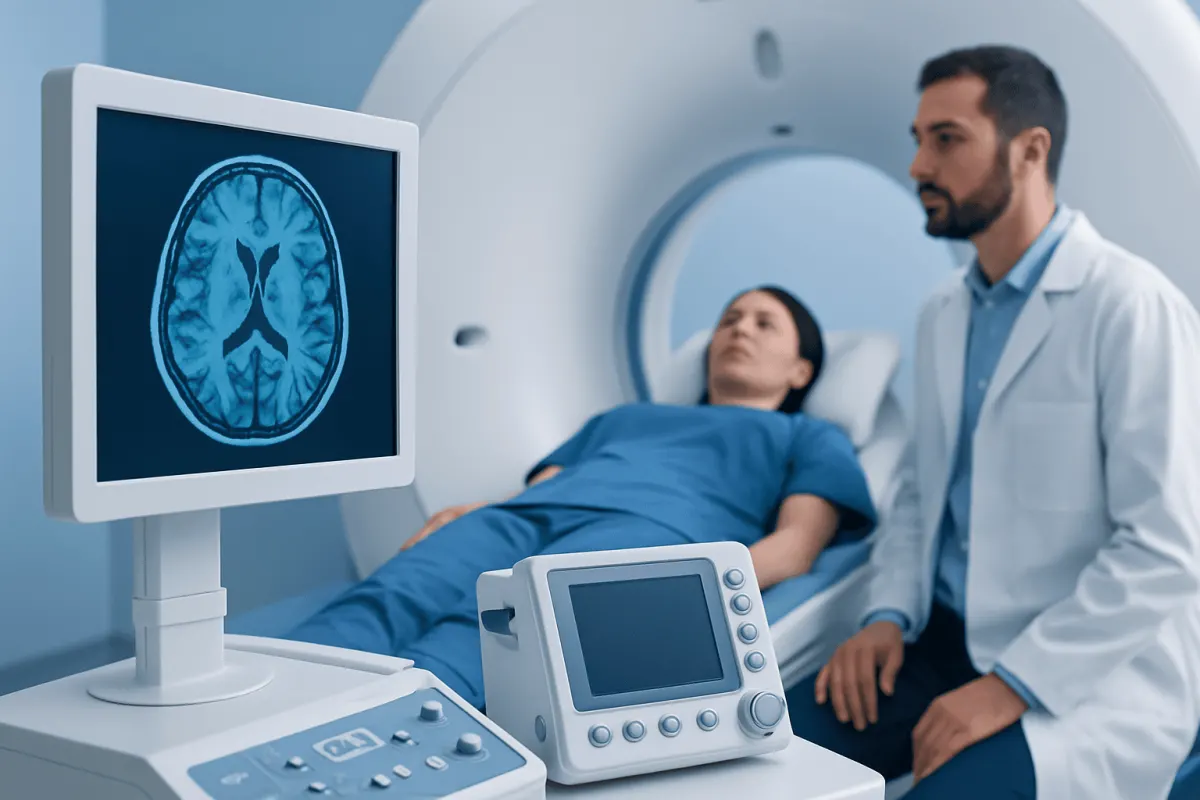
Gabapentin can contribute to temporary memory problems, mental slowing, or “brain fog” in some people, but these effects are often related to dose, timing, other medicines, sleep, or an underlying health condition. New, severe, rapidly worsening, or safety-related confusion should be assessed promptly by a healthcare professional.
Does gabapentin cause memory loss?
Gabapentin can cause temporary forgetfulness, trouble concentrating, slowed thinking, or a feeling commonly described as brain fog in some people. These effects are usually not a sign of permanent memory damage, and they may improve as the body adjusts, after a clinician reviews the dose, or when contributing factors such as poor sleep or interacting medicines are addressed.
Memory changes deserve attention when they are new, troublesome, worsening, or affecting daily safety. A person should contact the prescribing clinician if they are missing important tasks, getting lost, making medication errors, falling, or feeling unusually confused. Sudden confusion, marked difficulty staying awake, breathing problems, weakness on one side of the body, or speech changes need urgent medical evaluation.
Gabapentin is prescribed for several conditions, including certain types of nerve pain and seizures. Because the medicine acts on the nervous system, it can affect alertness and thinking in susceptible individuals. The right next step is usually a careful medication and health review rather than stopping the medicine independently.
What memory-related effects can occur?
People use the term “memory loss” in different ways. With gabapentin, the concern is more often short-term difficulty retaining new information, reduced attention, slower word-finding, or forgetting why they entered a room. Drowsiness, dizziness, fatigue, and blurred concentration can make memory seem worse because the brain may not fully register information in the first place.
These changes can range from mild and occasional to more disruptive. They may become noticeable shortly after treatment starts, following a dose increase, or when doses are taken at a time that overlaps with work, driving, study, or other mentally demanding activities. Not everyone taking gabapentin experiences cognitive side effects.
It is also important not to assume that every memory concern is caused by the medicine. Pain, anxiety, depression, insomnia, infection, dehydration, thyroid problems, low vitamin levels, alcohol use, and neurological conditions can all affect concentration and recall. A clinical review helps distinguish medication effects from other possible explanations.
- Examples include losing track of conversations, needing reminders more often, or taking longer to complete familiar tasks.
- Symptoms may be more apparent during periods of tiredness or after taking a dose.
- Keeping brief notes about symptoms can help identify patterns for the clinician.
Why gabapentin may affect concentration and memory

Gabapentin changes signaling in the nervous system and can reduce nerve overactivity. This can be helpful for some forms of nerve pain and seizure control, but it may also produce drowsiness, dizziness, fatigue, or mental slowing. When attention and wakefulness are reduced, it may be harder to form and retrieve memories efficiently.
The likelihood of side effects can depend on the individual situation. Higher doses, rapid dose changes, advanced age, and reduced kidney function may increase gabapentin exposure or sensitivity. Kidney function matters because the body primarily clears gabapentin through the kidneys; clinicians may adjust treatment when kidney function is reduced.
Other substances and medicines can add to sedation and cognitive impairment. These may include alcohol, opioid pain medicines, sleeping tablets, medicines for anxiety, sedating antihistamines, and some muscle relaxants. Combining gabapentin with opioids or other central nervous system depressants can also increase the risk of dangerous breathing problems, especially in people with lung disease or older adults.
Underlying pain can itself impair sleep, mood, and focus. Therefore, a person may notice cognitive symptoms during treatment even when gabapentin is not the only contributing factor. A balanced review considers the benefits of pain or seizure control alongside any side effects.
What a doctor may check
A clinician will usually begin by asking when the symptoms began, how they have changed, and whether they relate to the timing of doses or a recent treatment change. They may ask for examples of what has been forgotten, whether the person feels sleepy or dizzy, and whether there have been falls, confusion, mood changes, or difficulty managing daily activities.
A complete medication review is important. This includes prescription medicines, over-the-counter products, supplements, alcohol, and recreational substances. The clinician may also review the reason gabapentin was prescribed, current dose schedule, kidney function, sleep quality, pain control, and medical conditions that can affect cognition.
Depending on the symptoms, assessment may include a physical and neurological examination, basic cognitive screening, and blood tests to look for reversible contributors such as metabolic, thyroid, vitamin, kidney, or infection-related problems. Brain imaging is not needed for every person with forgetfulness, but may be considered when symptoms or examination findings suggest a neurological cause.
If a broader neurological condition is suspected, specialist assessment may be appropriate. For example, symptoms such as persistent cognitive decline, tremor, balance changes, or altered movement patterns may require evaluation for conditions affecting the brain and nervous system, rather than being attributed to medication alone.
Managing possible gabapentin-related brain fog
The safest approach is to discuss symptoms with the clinician who prescribed gabapentin. They can determine whether monitoring is appropriate or whether the treatment plan should change. Depending on the clinical situation, this may involve adjusting the timing or dose gradually, reviewing kidney function, reducing other sedating medicines where appropriate, or considering an alternative treatment for the underlying condition.
A person should not abruptly stop gabapentin unless emergency medical professionals instruct them to do so. Sudden discontinuation can cause withdrawal symptoms and may increase seizure risk in people taking it for epilepsy. Any reduction is generally planned and supervised, with the pace tailored to the reason for treatment and the individual’s medical history.
Practical steps may reduce day-to-day impact while awaiting review. Taking medicines exactly as prescribed, using a calendar or pill organizer, writing down important information, getting adequate sleep, staying hydrated, and avoiding alcohol or non-prescribed sedatives can be helpful. Until the individual knows how gabapentin affects them, they should avoid driving, operating machinery, or other activities requiring full alertness if they feel drowsy, dizzy, or mentally slowed.
For people using gabapentin for nerve pain, the clinician may discuss a broader plan that addresses sleep, physical activity, mood, and the source of pain. This may include assessment and Brain Stimulation" class="ahp-ilk">treatment options for neuropathic pain when clinically appropriate.
When to seek medical care
Routine medical advice should be sought soon if memory or concentration problems begin after starting gabapentin, follow a dose increase, persist beyond an adjustment period, or interfere with work, school, caregiving, finances, or medication management. It is especially important to speak with a clinician if the person is older, has kidney disease, takes several medicines, or has had recent falls.
Urgent medical assessment is needed for sudden or severe confusion, inability to stay awake, new hallucinations, fainting, serious unsteadiness, repeated falls, or unusual behavior. Emergency help is needed for slowed or difficult breathing, blue or gray lips, inability to wake someone, facial or throat swelling, or signs of a stroke such as sudden facial drooping, arm weakness, speech difficulty, or a severe new headache.
Memory symptoms accompanied by suicidal thoughts, severe depression, agitation, or major mood or behavior changes also require prompt professional support. A trusted family member or caregiver can help observe changes and assist with safe communication with the healthcare team.
Supporting safe treatment decisions
Before an appointment, it can be useful to record the gabapentin dose and schedule, when memory concerns occur, sleep patterns, alcohol intake, and all other medicines and supplements. A family member’s observations can also be valuable, particularly if the person is unaware of changes in attention or behavior.
Questions for the clinician may include whether the symptoms could be related to gabapentin, whether kidney function has been checked, whether any medicines are interacting, and whether a gradual adjustment or alternative approach is suitable. The goal is not simply to remove a medicine, but to find the safest balance between symptom relief, seizure control when relevant, and clear day-to-day functioning.
Acıbadem Health Point’s multidisciplinary specialists and JCI-accredited hospitals can assess medication-related symptoms and underlying neurological or pain conditions for international patients. Individual recommendations should always be made by a qualified clinician who knows the person’s medical history.
Frequently asked questions
01Is memory loss from gabapentin permanent?
Memory and concentration changes associated with gabapentin are generally considered temporary and may improve after the body adapts or after a clinician adjusts the treatment plan. However, persistent or worsening symptoms should not be assumed to be medication-related without assessment, as another health issue may be contributing.
02How long does gabapentin brain fog last?
The duration varies between individuals. Some people notice improvement after the early treatment period, while others may continue to have symptoms until the dose, timing, interacting medicines, or treatment choice is reviewed by a clinician.
03Can a lower gabapentin dose improve memory problems?
A dose adjustment may help some people, but it should only be made with advice from the prescribing clinician. The appropriate plan depends on why gabapentin is being used, kidney function, other medicines, and the risks of reducing treatment too quickly.
04Should gabapentin be stopped if it causes forgetfulness?
Gabapentin should not usually be stopped suddenly without medical guidance. Abrupt stopping can cause withdrawal symptoms and may increase seizure risk in people using it for epilepsy; a clinician can advise on a safe, gradual change if needed.
05What medicines can make gabapentin-related drowsiness or confusion worse?
Alcohol, opioids, sleep medicines, medicines for anxiety, sedating antihistamines, and some muscle relaxants can increase drowsiness and cognitive impairment. A clinician or pharmacist should review all prescribed and non-prescribed products for possible interactions.
06When is confusion while taking gabapentin an emergency?
Emergency help is needed if confusion is sudden or severe, occurs with difficulty breathing, inability to wake the person, fainting, serious weakness, or symptoms of stroke. These symptoms may indicate a serious medicine reaction or another urgent medical condition.
This article is for general information only and is not a substitute for professional medical advice. Please consult a qualified doctor about your individual situation.
Explore treatments in Turkey — costs, top hospitals & a free quote
JCI-accredited · board-certified surgeons · reply within 24h
Add us as a Preferred Source to see more of our trusted health content across Google Search, AI Overviews and Discover.