Does Anxiety Go Away With Time and Support?
Does anxiety go away? In many people, anxiety is a normal short-term response to stress and eases when the situation passes, sleep improves, or practical concerns are addressed. When anxiety persists, feels overwhelming, or affects daily life, effective support and treatment can help people feel substantially better.
Does anxiety go away?
Yes, anxiety often goes away or becomes much less intense. Anxiety is the body’s natural alert system, and brief worry before an examination, medical appointment, important decision, or unfamiliar event is usually harmless. It commonly settles as the situation changes, the person gains information, or the body has time to recover from stress.
For some people, however, anxiety continues after the immediate trigger has passed, returns frequently, or begins to shape choices about work, relationships, sleep, travel, or health. This does not mean that someone has done anything wrong or that they must simply live with the symptoms. Anxiety disorders are treatable, and many people improve with the right combination of support, psychological therapy, healthy routines, and, when appropriate, medication.
Recovery is rarely identical for everyone. Some people have symptoms for a limited period, while others notice fluctuations during stressful times. The practical goal is not necessarily never feeling anxious again, since anxiety can be a useful emotion, but being able to respond to it without it taking over daily life.
How anxiety can feel in the mind and body
Anxiety can involve thoughts, emotions, physical sensations, and changes in behavior. A person may feel constantly on edge, fear that something bad will happen, find it difficult to stop worrying, or become unusually irritable. Concentration can be harder, and ordinary tasks may feel more demanding than usual.
Physical symptoms are also common. They can include a racing or pounding heartbeat, sweating, trembling, muscle tension, nausea, stomach discomfort, light-headedness, shortness of breath, tiredness, and trouble sleeping. These sensations are real and can feel frightening, but they are often linked to the body’s stress response rather than immediate danger.
Panic attacks are sudden episodes of intense fear or discomfort that may cause chest tightness, fast heartbeat, shaking, dizziness, or a feeling of losing control. Although panic symptoms can be severe, a new or unexplained episode should be medically reviewed, especially when chest pain, fainting, breathing difficulty, or other concerning symptoms are present. Anxiety may also occur alongside depression, and both conditions deserve compassionate clinical attention.
Why anxiety may persist or return
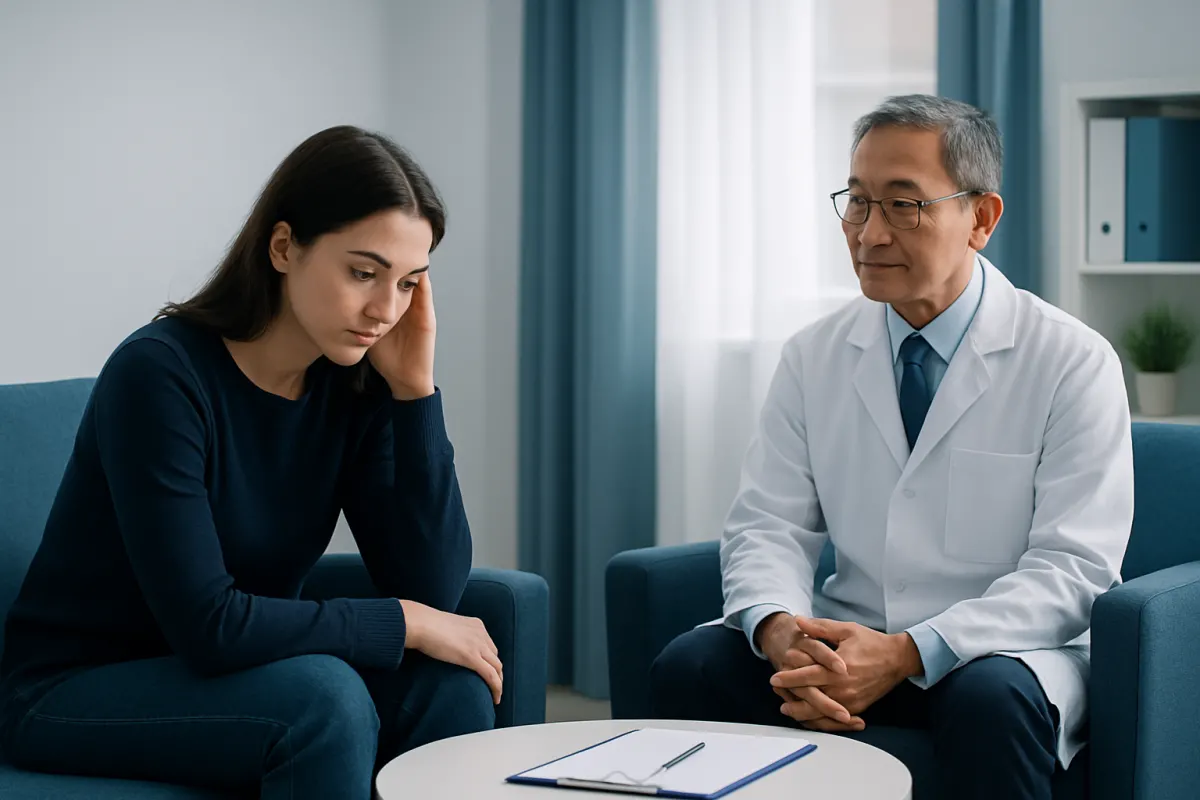
Anxiety can be influenced by a combination of life experiences, temperament, family history, physical health, and environment. Ongoing pressure at work or home, financial worries, grief, traumatic experiences, caregiving responsibilities, chronic pain, and uncertainty can all keep the nervous system in a heightened state of alert.
Sleep loss, irregular meals, dehydration, illness, and limited physical activity may make anxiety sensations more noticeable. Caffeine, nicotine, alcohol, recreational drugs, and some prescribed or over-the-counter medicines can also worsen restlessness, palpitations, sleep disruption, or panic-like symptoms in some people. Alcohol may seem to reduce tension briefly, but it can increase anxiety as its effects wear off.
It is also important not to assume that every physical symptom is anxiety. Thyroid conditions, heart rhythm problems, asthma and other breathing conditions, anemia, hormonal changes, and medication effects can sometimes resemble or contribute to anxiety. A careful assessment helps identify factors that may need separate treatment.
- Symptoms may be more likely to persist when worry is present most days for months.
- Avoiding feared places or situations can bring short-term relief but may strengthen anxiety over time.
- Repeated reassurance-seeking or checking behaviors can also maintain a cycle of worry.
When to seek medical care
Medical review is appropriate when anxiety lasts for weeks, keeps returning, causes significant distress, disrupts sleep, affects work or study, leads to avoidance, or strains relationships. It is particularly helpful to seek care when symptoms begin without a clear reason, change suddenly, or occur alongside a new health problem. Early support can prevent symptoms from becoming more limiting.
Urgent medical assessment is needed for severe or new chest pain, marked shortness of breath, fainting, weakness on one side of the body, confusion, or a sudden severe headache. These symptoms should not be assumed to be anxiety. Emergency help is also essential if a person has thoughts of self-harm or suicide, feels unable to stay safe, or is experiencing a mental health crisis.
A primary care doctor, psychiatrist, or qualified mental health professional can provide a confidential starting point. Seeking care is a practical health decision, not a sign of weakness. If immediate safety is a concern, the person should contact local emergency services or a crisis service, or ask a trusted person to stay with them while help is arranged.
What a doctor may check
A doctor will usually begin by asking about the symptoms: when they started, how often they occur, what seems to trigger them, and how they affect everyday functioning. They may ask about mood, sleep, recent stress, medical history, family history, substance use, caffeine intake, and current medicines or supplements.
A physical examination may be recommended, especially when symptoms are new, prominent, or include palpitations, breathlessness, weight changes, tremor, or fatigue. Depending on the person’s symptoms and history, the clinician may arrange blood tests, review medications, or consider heart, thyroid, hormonal, respiratory, or other medical causes. Testing is individualized; not everyone needs the same investigations.
Mental health assessment also helps distinguish between generalized anxiety, panic disorder, social anxiety, specific phobias, trauma-related symptoms, obsessive-compulsive symptoms, depression, and other conditions. A clear diagnosis can guide care, but treatment can still begin by addressing the symptoms and their impact. Open communication about alcohol, drugs, and self-harm thoughts helps the clinician recommend the safest plan.
Treatment options that can help anxiety improve
Psychological therapy is a central treatment for persistent anxiety. Cognitive behavioural therapy (CBT) helps people identify unhelpful thought patterns, gradually face avoided situations, and develop practical skills for responding differently to physical anxiety sensations. Other evidence-based approaches may be recommended depending on the person’s needs, experiences, and preferences.
Medication may be considered when anxiety is moderate to severe, continues despite therapy and self-care, or makes it difficult to engage with daily life. A doctor or psychiatrist can discuss likely benefits, possible side effects, interactions, and how long treatment may be needed. Medication should not be started, stopped, or changed without clinical advice, particularly because some medicines require gradual adjustment.
Care may include treatment for related concerns such as depression, insomnia, chronic pain, or substance use. For people whose symptoms include recurring panic or significant functional impairment, psychiatric assessment and treatment can provide an individualized plan. The most suitable approach is based on the person rather than a single symptom checklist.
Improvement often happens step by step. It may involve fewer episodes of intense anxiety, better sleep, less avoidance, or greater confidence managing symptoms. Follow-up appointments allow the care plan to be adjusted if symptoms are not improving as expected.
Practical steps that support recovery
Daily habits cannot replace professional treatment when anxiety is severe, but they can support recovery and help reduce vulnerability to stress. A regular sleep schedule, consistent meals, hydration, and gentle physical activity can improve overall regulation of mood and energy. It is usually more helpful to begin with small, sustainable changes than to attempt a complete routine overhaul during a difficult period.
Slow breathing, grounding techniques, mindfulness practices, and planned relaxation can help during periods of rising anxiety. For example, noticing five things that can be seen, four that can be felt, three that can be heard, two that can be smelled, and one that can be tasted may bring attention back to the present moment. These strategies do not remove the underlying cause, but they can reduce the intensity of the immediate stress response.
Limiting caffeine and nicotine, avoiding recreational drugs, and reducing alcohol can be useful, particularly when palpitations, panic symptoms, or poor sleep are present. Sharing concerns with a trusted friend, family member, or support group can also reduce isolation. Keeping a brief record of symptoms, sleep, triggers, and coping strategies may help identify patterns to discuss with a clinician.
Acıbadem Health Point’s multidisciplinary specialists and JCI-accredited hospitals can assess and treat anxiety-related concerns for international patients, including when physical symptoms need careful medical evaluation.
A realistic outlook for anxiety
Anxiety can improve, and many people learn skills that remain useful throughout life. A period of anxiety does not define a person’s future, and needing treatment does not mean symptoms will be permanent. With timely assessment and a suitable care plan, it is often possible to restore sleep, daily routines, relationships, and confidence.
Some people experience occasional anxiety again during major changes or stressful periods. Recognizing early warning signs, returning to coping strategies, and seeking follow-up support can help keep a recurrence from becoming overwhelming. The focus is on building resilience and function, not judging oneself for having a normal human stress response.
If anxiety is making life smaller or harder, a qualified healthcare professional can help clarify what is happening and what support is likely to be most useful. Reaching out early is often the first meaningful step toward feeling better.
Frequently asked questions
01Does anxiety go away on its own?
Temporary anxiety often eases once a stressful event ends or a person has had time to rest and adjust. If anxiety continues, returns often, or interferes with daily life, professional support can help it improve rather than waiting for it to pass.
02How long does anxiety usually last?
The duration varies widely. A short-term stress reaction may last hours or days, while anxiety disorders can persist for months or longer without support. Treatment and healthy coping strategies can reduce both symptom severity and duration.
03Can anxiety cause physical symptoms every day?
Yes. Ongoing anxiety can contribute to muscle tension, stomach symptoms, palpitations, fatigue, headaches, poor sleep, and changes in appetite. Because these symptoms can also have medical causes, new, severe, or persistent symptoms should be discussed with a doctor.
04What is the best treatment for anxiety?
There is no single best treatment for everyone. Talking therapies such as cognitive behavioural therapy are effective for many people, and medication may be useful in some circumstances. A clinician can recommend care based on symptom type, severity, medical history, and personal preferences.
05Can exercise help anxiety go away?
Regular physical activity can reduce stress and support sleep, mood, and general wellbeing. It may be a helpful part of an anxiety care plan, but it is not a replacement for assessment or treatment when symptoms are severe, persistent, or causing avoidance.
06When is anxiety an emergency?
Emergency help is needed when a person has thoughts of harming themselves, cannot stay safe, or is in severe emotional distress. New severe chest pain, difficulty breathing, fainting, or sudden neurological symptoms also require urgent medical assessment rather than being attributed to anxiety.
This article is for general information only and is not a substitute for professional medical advice. Please consult a qualified doctor about your individual situation.
Persistent digestive symptoms? Get evaluated in Turkey
JCI-accredited · board-certified surgeons · reply within 24h
Add us as a Preferred Source to see more of our trusted health content across Google Search, AI Overviews and Discover.