

Does Drinking Water Lower Blood Pressure? A Doctor-Reviewed Answer
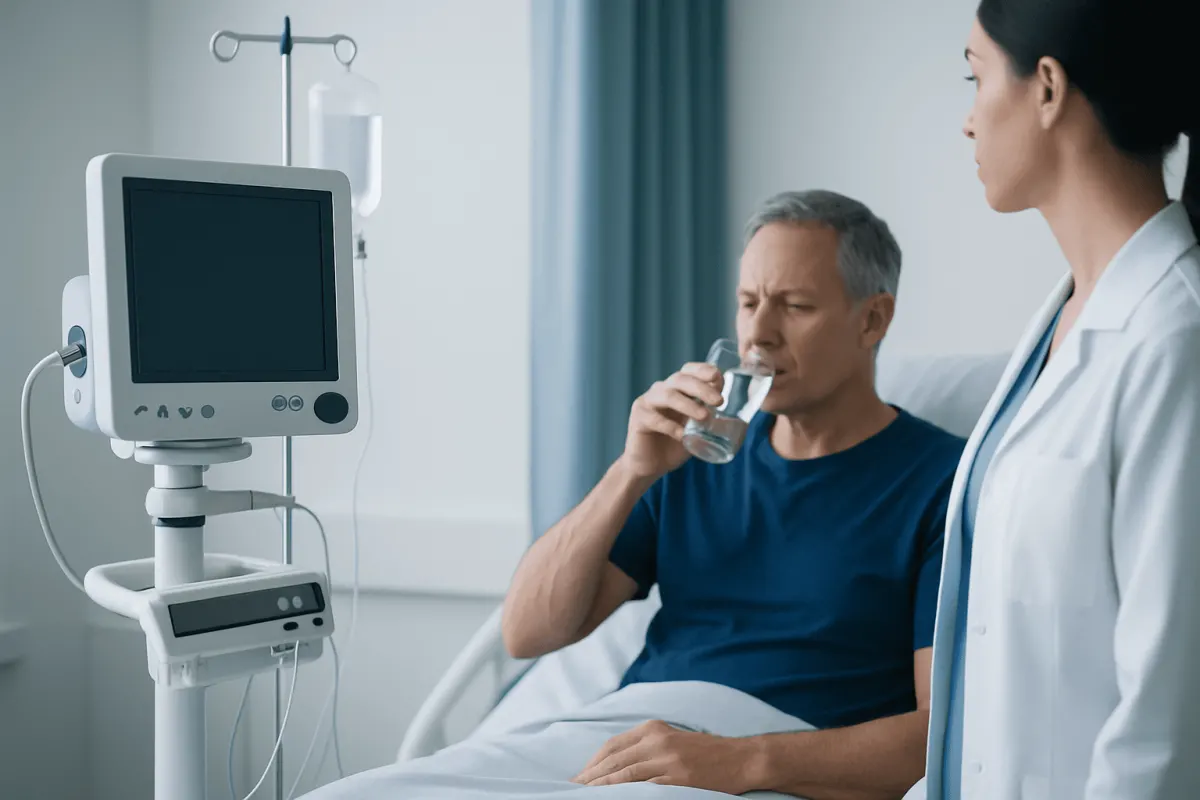
Drinking water does not usually lower high blood pressure in a major or lasting way. However, staying well hydrated supports normal circulation, and it may help when blood pressure changes are related to dehydration, heat, illness, or temporary fluid loss.
Overview: can drinking water really lower blood pressure?
In many cases, the answer is not significantly. Drinking water may have a small, short-term effect on circulation, and it can help if a person is dehydrated, but it does not usually lower established high blood pressure enough to replace medical care or long-term lifestyle changes.
That said, this question comes up often because hydration does matter for the body’s basic functions. Water helps maintain blood volume, supports the kidneys, and helps the body regulate temperature and circulation. When someone has not had enough fluids, especially during hot weather, exercise, vomiting, diarrhea, or fever, their blood pressure can change and they may feel lightheaded or unwell.
For people with normal hydration, simply drinking more water than the body needs is not a proven treatment for hypertension. High blood pressure is usually influenced by a combination of genetics, age, diet, weight, physical activity, stress, sleep, kidney function, hormones, and blood vessel health. In those cases, water is part of general healthy habits rather than a direct cure.
A more practical way to think about it is this: drinking enough water supports cardiovascular health, but persistently high readings should still be evaluated as possible hypertension. When readings stay high over time, doctors focus on the whole picture rather than a single food or drink.
How hydration affects blood pressure
Blood pressure is the force of blood pushing against artery walls. The body keeps it within a narrow range by using the heart, blood vessels, kidneys, and hormones together. Hydration plays a role because body fluid levels can influence blood volume and how hard the heart has to work.
When a person is dehydrated, blood volume may fall. This can lead to symptoms such as dizziness, fatigue, dry mouth, dark urine, headache, or feeling faint, especially when standing up quickly. In some situations, dehydration may cause blood pressure to drop rather than rise. The body may then release hormones that narrow blood vessels to maintain circulation, which can complicate the picture.
Drinking water can help correct dehydration and support more stable circulation. Some people also have temporary blood pressure changes linked to heat exposure, sweating, or inadequate fluid intake, and in these cases hydration may improve how they feel. This is different from long-term high blood pressure caused by chronic cardiovascular or metabolic factors.
There is also a specific situation called orthostatic hypotension, where blood pressure drops on standing and causes dizziness or faintness. For some patients, clinicians may advise hydration as part of management. That is not the same as saying water reliably lowers high blood pressure in people with hypertension.
When water may help, and when it will not

Water may help most when symptoms are related to fluid loss or poor intake. Examples include exercising without replacing fluids, spending time in very hot weather, having a stomach illness, or taking medicines that increase urination. In these situations, rehydration may improve weakness, dizziness, and some temporary blood pressure changes.
Water is much less likely to help when blood pressure is high because of common long-term causes such as family history, older age, excess body weight, diabetes, kidney disease, sleep apnea, or a high-sodium eating pattern. In these cases, hydration is still healthy, but it should not be expected to normalize blood pressure on its own.
It is also important not to overcorrect. Drinking extremely large amounts of water in a short time can be unsafe, particularly for people with kidney disease, heart failure, or certain hormone disorders. Some individuals are advised to limit fluids, so the best amount of water is not the same for everyone.
If a person is unsure whether their symptoms are from dehydration, high blood pressure, or another issue, home blood pressure measurements and medical review are more useful than guessing. Doctors often consider other causes too, including heart rhythm problems or medication side effects, depending on the symptoms.
Signs that suggest dehydration, high blood pressure, or another issue
Many blood pressure changes cause no symptoms at all, which is why home monitoring and regular checkups are important. Mild dehydration is often harmless and can often be corrected with fluids and rest. Common signs include thirst, dry mouth, reduced urination, darker urine, tiredness, and mild dizziness.
High blood pressure itself usually does not cause obvious symptoms until it has been present for a long time or becomes severely elevated. When symptoms do occur, they may include headache, blurred vision, shortness of breath, chest discomfort, palpitations, or feeling generally unwell, but these symptoms are not specific and can happen for many reasons.
Some warning signs need prompt medical attention because they may suggest a dangerous rise in blood pressure or another serious condition. These include:
- Chest pain or pressure
- Severe shortness of breath
- Fainting or confusion
- Sudden weakness, numbness, trouble speaking, or facial drooping
- A severe or unusual headache
- Vision loss or major visual changes
- Persistent vomiting or inability to keep fluids down
If any of these happen, it is safer to seek urgent care rather than trying to manage the problem by drinking water at home. Symptoms may relate to the heart, brain, kidneys, dehydration, infection, or other urgent causes.
How doctors evaluate blood pressure concerns
When blood pressure seems high, low, or unstable, a doctor usually starts with repeated measurements taken correctly. A single reading can be misleading if a person is anxious, in pain, recently exercised, smoked, drank caffeine, or used certain medicines. Clinicians often ask patients to track home readings over several days using a validated blood pressure monitor.
The medical history helps identify possible causes. A doctor may ask about fluid intake, salt intake, weight changes, exercise, alcohol, sleep quality, stress, medications, supplements, kidney problems, endocrine conditions, and family history. Symptoms such as dizziness on standing, fainting, swelling, snoring, headaches, or palpitations also help guide the assessment.
Depending on the situation, the evaluation may include blood tests, urine tests, kidney function assessment, electrocardiography, and sometimes heart imaging or further blood pressure monitoring. If symptoms suggest underlying cardiovascular disease, tests such as echocardiography may be used to evaluate heart structure and function.
For patients with ongoing or severe hypertension, doctors may also assess for complications involving the heart, kidneys, eyes, and blood vessels. In some cases, broader evaluation in cardiology care is appropriate, especially if there are risk factors, symptoms, or concern about related heart disease.
What actually helps lower high blood pressure
The most effective approach depends on the cause and severity of the blood pressure elevation. For many people, the foundation is a combination of lifestyle changes and regular monitoring. This commonly includes reducing excess salt, maintaining a healthy weight, exercising regularly, limiting alcohol, not smoking, managing stress, and getting enough sleep.
Diet matters more than simply increasing water intake. Eating patterns rich in vegetables, fruits, legumes, whole grains, and lean proteins can support blood pressure control. Processed foods are often a major source of sodium, so reading labels and choosing lower-salt options can be helpful.
If blood pressure remains high, doctors may recommend medication. These medicines work in different ways, such as relaxing blood vessels, reducing excess fluid, or affecting hormonal pathways involved in pressure regulation. The right plan depends on age, other health conditions, kidney function, and overall cardiovascular risk.
Some patients also need evaluation for linked conditions such as coronary artery disease or structural heart problems. In selected cases, clinicians may recommend tests such as Holter monitoring if palpitations or rhythm-related symptoms are part of the picture. Water remains part of good self-care, but long-term blood pressure control usually requires a broader plan.
Practical self-care and when to seek medical care
For most healthy adults, a simple goal is to drink enough fluids to stay comfortably hydrated rather than forcing large amounts of water. A practical check is urine color, thirst, heat exposure, activity level, and whether illness is causing fluid loss. People with heart failure, kidney disease, liver disease, or fluid restrictions should follow their clinician’s advice about how much to drink.
Home blood pressure monitoring can be very useful. Measurements are more reliable when taken after resting, with the back supported, feet flat on the floor, and the cuff placed on a bare upper arm at heart level. Keeping a log of readings, symptoms, and possible triggers can help a doctor decide whether the issue is dehydration, hypertension, medication-related, or something else.
Medical review is appropriate if blood pressure readings are repeatedly high, if a person has frequent dizziness, or if symptoms continue despite hydration and rest. Prompt or urgent care is needed for very high readings accompanied by chest pain, severe headache, shortness of breath, fainting, confusion, or stroke-like symptoms. If there is concern about an underlying heart or blood pressure condition, Acıbadem Health Point’s multidisciplinary specialists in JCI-accredited hospitals diagnose and treat international patients using individualized assessment and evidence-based care.
The key message is reassuring: in many cases, mild symptoms related to not drinking enough are temporary and improve with fluids. But if blood pressure remains abnormal or symptoms are significant, a professional evaluation is the safest way to find the true cause and choose the right treatment.
Frequently asked questions
01Does drinking water lower blood pressure immediately?
Usually not in a major or lasting way. Drinking water may help if a person is dehydrated or overheated, but it is not considered a fast treatment for ongoing hypertension.
02Can dehydration raise blood pressure?
Dehydration can affect blood pressure regulation in several ways. Some people may have low blood pressure and dizziness from reduced blood volume, while the body’s stress response can also cause blood vessels to tighten, which may contribute to higher readings in some situations.
03How much water should a person drink for healthy blood pressure?
There is no single amount that fits everyone. Fluid needs depend on age, weather, activity, diet, kidney function, and medical conditions, so the goal is steady hydration rather than excessive intake.
04If blood pressure is high, should a person drink water instead of taking medication?
No. Prescribed blood pressure medicine should not be replaced with extra water unless a doctor specifically advises a change. Water supports general health, but it does not substitute for a treatment plan designed for hypertension.
05What drinks are better or worse for blood pressure?
Plain water is a good everyday choice because it hydrates without adding sugar or sodium. Drinks high in sodium, excess alcohol, or large amounts of caffeine may affect blood pressure in some people, although responses vary.
06When should someone seek medical advice about blood pressure changes?
A doctor should be consulted if home readings are repeatedly high, if dizziness happens often, or if symptoms do not improve with hydration and rest. Urgent care is needed for severe symptoms such as chest pain, fainting, severe headache, shortness of breath, confusion, or stroke-like changes.
This article is for general information only and is not a substitute for professional medical advice. Please consult a qualified doctor about your individual situation.
Persistent digestive symptoms? Get evaluated in Turkey
JCI-accredited · board-certified surgeons · reply within 24h
Add us as a Preferred Source to see more of our trusted health content across Google Search, AI Overviews and Discover.


