Do You Weight More When your on your Period?

Key Takeaways
- A higher number on the scale during menstruation is commonly temporary and often linked to water retention and bloating.
- Hormonal changes can affect appetite, digestion, bowel habits, and how clothes fit, even when body fat has not changed.
- The timing of the weight fluctuation often improves after the period starts or ends, depending on the individual cycle.
- Sudden, large, or persistent weight changes are not usually explained by the menstrual cycle alone and should be discussed with a doctor.
- Simple tracking habits, hydration, movement, and balanced meals can make cycle-related changes easier to manage.
Yes, many people weigh a little more during their period, but this is usually temporary and related to fluid retention, bloating, and hormonal shifts rather than true fat gain. Understanding the pattern can make the scale less stressful and help separate normal cycle changes from symptoms that deserve medical attention.
Overview
Yes — many people do weigh more when their on your period, but the increase is usually small and temporary. In most cases, the scale is reflecting water retention, bloating, and normal hormonal changes rather than a true increase in body fat.
The menstrual cycle can influence how the body holds fluid, how full the abdomen feels, and even how regular bowel movements are. For someone checking weight at the end of a long flight, after a salty meal, or during the most uncomfortable days of a cycle, that number can look higher than expected even though nothing “real” has changed about body composition.
For patients who travel for care or track symptoms across time zones, it can help to remember that one weigh-in tells only part of the story. A more useful approach is to look for patterns across several weeks and to compare weight at similar points in the cycle.
What the Scale Is Actually Showing
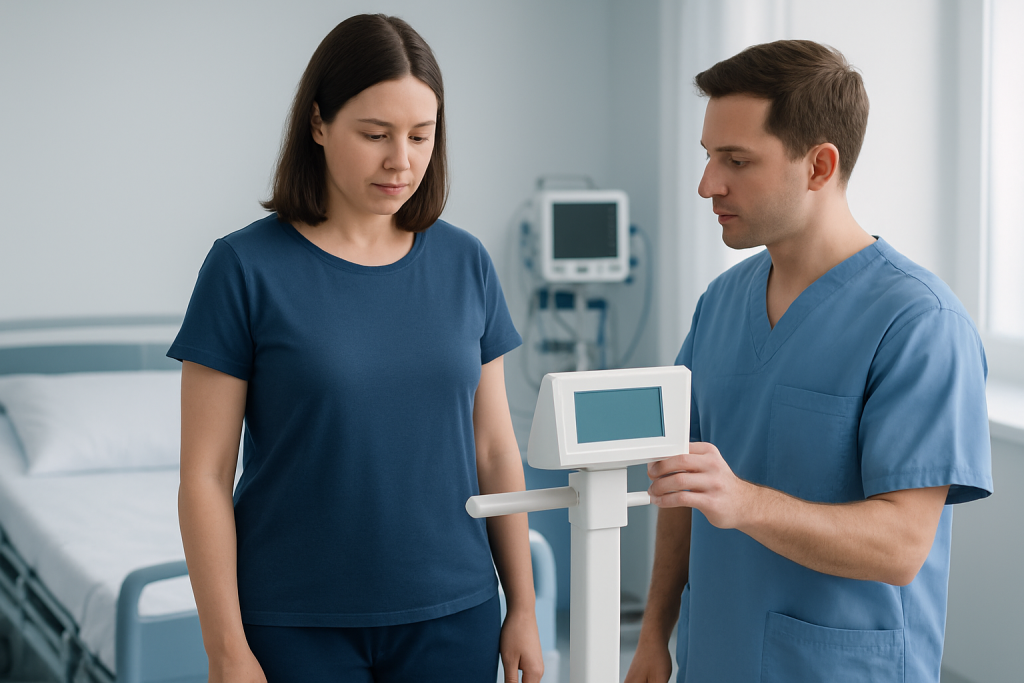
Body weight is influenced by more than fat tissue. It also includes water, food still being digested, stool, glycogen stored in muscles, and normal tissue changes throughout the month. Around menstruation, estrogen and progesterone fluctuate, and those shifts can change how much fluid the body retains.
Some people notice a puffy face, tighter rings, or a bloated abdomen before or during their period. Others see only a small scale change. Both experiences can be normal. The important point is that these changes are usually reversible and do not mean the person has suddenly gained body fat.
Weight can also vary from day to day because of sleep, stress, activity level, constipation, and salt intake. That is why a single number during menstruation is best interpreted cautiously, especially if the person is trying to make decisions about health, fertility, or treatment based on weight alone.
Symptoms That Often Come With Period-Related Weight Changes

Period-related weight changes are often noticed alongside other familiar symptoms. Bloating may make the abdomen feel stretched or uncomfortable. Some people also describe breast tenderness, mild swelling in the hands or feet, and a sense of heaviness in the body.
Digestive changes are common too. Slower bowel movements can temporarily increase weight, while cramping or loose stools may affect appetite and fluid balance. Cravings, especially for salty or carbohydrate-rich foods, may also be more noticeable in the days before menstruation.
These symptoms can be part of premenstrual syndrome or the early days of menstruation. They tend to settle as hormone levels shift again. If the symptoms are severe, last longer than expected, or disrupt daily life each month, a clinician may look for other explanations.
Causes and Risk Factors
The main reason for temporary weight gain during a period is hormone-related fluid retention. When estrogen and progesterone change, the body may hold on to more water, which can make the scale go up and clothes feel snug.
Other contributors include changes in appetite, reduced activity because of fatigue or pain, constipation, and eating more processed or salty foods. Stress can add another layer by affecting sleep and fluid balance, and some medications may also influence weight or swelling.
Certain people are more likely to notice these changes. Those with more pronounced premenstrual symptoms, a history of PMS or PMDD, or conditions that affect hormones, thyroid function, kidney function, or fluid balance may notice larger fluctuations. Still, the menstrual cycle alone typically causes only modest, temporary changes.
How Doctors Evaluate It
If the question is simply whether the period can raise weight, the answer is usually yes, temporarily. If the change feels unusually large, persistent, or confusing, a doctor will start by reviewing the menstrual pattern, diet, activity, medications, and any other symptoms such as swelling, fatigue, hair changes, or changes in urination.
In many cases, no special test is needed. A clinician may suggest tracking weight at the same point in each cycle for a few months to see whether there is a clear pattern. This is often more helpful than reacting to daily fluctuations.
When needed, evaluation may include a physical exam and tests to rule out other causes of weight change, such as thyroid problems, anemia, pregnancy, or fluid-retaining conditions. For people traveling internationally for care, bringing a symptom log, recent lab results, and a list of medications can make the appointment more efficient and useful.
Treatment Options and What Usually Helps
There is no need to “treat” normal cycle-related weight fluctuation if it is mild and short-lived. The aim is to reduce discomfort and avoid overinterpreting the scale. In most cases, symptoms ease naturally as the menstrual cycle moves forward.
Practical steps can help. Drinking enough water may actually reduce the feeling of water retention for some people. Gentle physical activity, such as walking or stretching, can support circulation and digestion. Eating regular meals with enough protein, fiber, and potassium-rich foods may also help with bloating and cravings.
If pain, heavy bleeding, or mood symptoms are significant, treatment may be aimed at the underlying menstrual concern rather than the weight change itself. A doctor may discuss lifestyle measures or, when appropriate, medical options for cramps, PMS, or hormonal imbalance. The right plan depends on the person’s symptoms, health history, and goals.
Prevention and Self-care
It may not be possible to prevent every fluctuation, but it is possible to make cycle-related changes less disruptive. Many people feel better when they weigh themselves less often or only at the same point in the cycle, such as once a week in the morning after using the bathroom.
Keeping meals balanced can also help. A steady intake of fluids, fruits, vegetables, whole grains, and lean proteins can reduce the urge to overeat when cravings appear. Limiting very salty foods for a few days may decrease bloating, though strict dieting is not usually necessary or helpful.
Sleep and stress management matter as well. Poor sleep can increase hunger and worsen the feeling of puffiness. For people who travel for work or treatment, maintaining familiar routines when possible — walking after long flights, staying hydrated, and avoiding repeated weigh-ins during the most symptomatic days — can make the cycle easier to manage.
When to See a Doctor
It is reasonable to ask a doctor if weight changes seem much larger than expected, if they happen throughout the month rather than just around menstruation, or if the person is also noticing swelling, shortness of breath, changes in appetite, or unusual fatigue. Persistent symptoms are worth checking rather than assuming they are “just hormones.”
Medical advice is also important if periods are very heavy, extremely painful, irregular, or absent. Those patterns can point to conditions that deserve evaluation, such as polycystic ovary syndrome, thyroid disorders, endometriosis, or other hormonal issues.
For Myomectomy Recovery: Healing Time, Activity Limits, and Fertility Planning" class="ahp-ilk">Myomectomy Recovery for International Patients: The Usual Travel Timeline" class="ahp-ilk">international patients seeking answers across borders, Acibadem Health Point’s multidisciplinary specialists and JCI-accredited hospitals diagnose and treat menstrual and hormone-related concerns in a coordinated way. A qualified clinician can help determine whether the weight change is part of a normal cycle or whether another cause should be investigated.
Frequently Asked Questions
Below are answers to common questions people ask when the scale changes around menstruation.
- How much weight gain is normal during a period? The amount varies from person to person and is usually modest. It is often due to fluid retention rather than actual fat gain.
- Does period weight gain go away after menstruation? In many people, yes. The body often releases retained fluid after the period starts or ends, and the scale returns closer to baseline.
- Can bloating make me look heavier without true weight gain? Yes. Bloating can change how the abdomen feels and how clothes fit even when body fat has not changed.
- Should I diet harder when I see period weight gain? Usually not. Restrictive eating can make cravings, stress, and energy levels worse, so a balanced approach is usually more sustainable.
- What if my weight keeps rising every month? A consistent upward trend outside the menstrual window may need a medical review. A doctor can help determine whether the change is hormonal or related to another factor.
If the cycle pattern feels unclear, a simple diary of weight, symptoms, bleeding days, and meals can help reveal what is normal for that individual.
Frequently asked questions
01Do you weight more when your on your period?
Yes, many people do notice a small, temporary increase in weight during menstruation. It is usually caused by water retention, bloating, and hormone changes rather than actual fat gain.
02Why does my stomach feel bigger during my period?
Hormonal shifts can slow digestion and increase fluid retention, which can make the abdomen feel bloated. This can happen even if food intake has not changed much.
03When during the cycle is weight gain most common?
Many people notice it in the days before bleeding starts or during the first days of the period. The timing varies, so tracking a few cycles can help identify a personal pattern.
04Can my period affect appetite?
Yes, appetite and cravings can change across the cycle. Some people feel hungrier before their period, which may lead to eating more salty or carbohydrate-rich foods and feeling more bloated.
05How can I tell the difference between period bloating and real weight gain?
Period bloating tends to come and go with the cycle and is often accompanied by swelling or abdominal fullness. Real weight gain usually remains present beyond the menstrual window and becomes clearer over time rather than in one short phase.
06Should I weigh myself during my period?
It is safe to do so, but the number may be less useful because of temporary fluid shifts. If weighing is stressful, many people prefer to compare readings from the same time in the cycle each month.
This article is for general information only and is not a substitute for professional medical advice. Please consult a qualified doctor about your individual situation.
Medical weight-loss options in Turkey — costs & eligibility
JCI-accredited · board-certified surgeons · reply within 24h
Add us as a Preferred Source to see more of our trusted health content across Google Search, AI Overviews and Discover.