Do You Gain Weight in your Period?

Key Takeaways
- A small weight increase around menstruation is common and usually temporary.
- Hormonal shifts can cause water retention, bloating, constipation, and food cravings.
- The scale may change by a few pounds, but this does not usually reflect fat gain.
- Tracking symptoms across several cycles can help distinguish normal pattern changes from other concerns.
- Persistent or severe weight change deserves medical evaluation, especially with irregular periods or other symptoms.
Yes, many people notice a small, temporary increase on the scale during their period. It is usually caused by water retention, bloating, and changes in appetite or digestion rather than true fat gain.
Overview
Many people notice that their clothes feel tighter or the scale creeps up in the days before or during menstruation. So, do you gain weight in your period? Often, yes — but in most cases the change is temporary and related to fluid shifts, bloating, and digestive changes rather than actual body fat gain.
The menstrual cycle affects hormones that influence how the body holds water, how the bowel moves, and even how hungry a person feels. That is why some people see the same pattern month after month: a brief rise in weight, then a return to their usual number after the period ends. Understanding this pattern can make the experience feel less worrying and more predictable.
For people managing care from another country or planning treatment travel, it can be especially helpful to know that cycle-related changes are usually part of normal physiology. A doctor can still help determine whether the pattern is typical or whether another issue, such as thyroid disease or polycystic ovary syndrome, may be contributing.
Why the scale can rise during menstruation
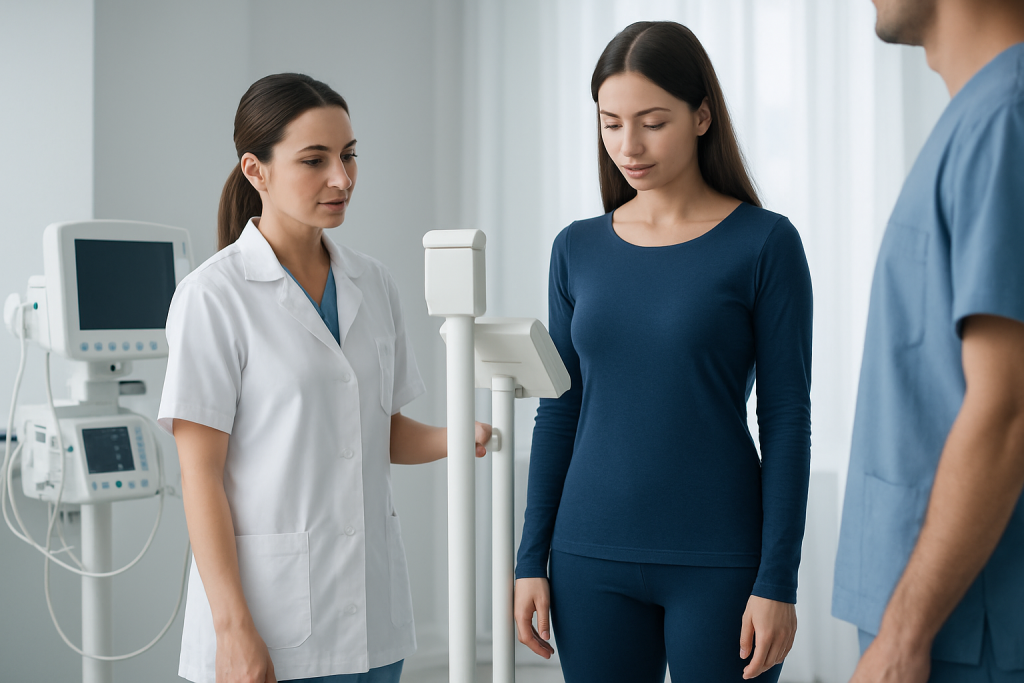
The most common reason for a period-related weight increase is water retention. In the second half of the menstrual cycle, changing levels of estrogen and progesterone can make the body hold on to extra fluid. That can show up as puffiness in the hands, breasts, abdomen, or face, and it may add a small amount to body weight.
Bloating is another frequent reason the number on the scale changes. Hormonal shifts can slow digestion, make gas more noticeable, and contribute to constipation. Even when the actual body tissue has not changed, the abdomen may feel fuller and more uncomfortable.
Appetite also changes for some people before or during menstruation. Cravings for salty foods or sweets may lead to eating more than usual for a few days, which can add to temporary changes on the scale. The effect is typically short-lived and does not mean that a person has gained lasting weight from one cycle alone.
Symptoms that often come with period-related weight changes

Weight fluctuation during a period often travels with other premenstrual symptoms. These may include abdominal bloating, breast tenderness, mild swelling in the fingers or ankles, and a feeling of heaviness. Some people also notice fatigue, headaches, mood changes, or stronger food cravings.
Digestive symptoms are common as well. Constipation or a slower bowel pattern can make bloating worse, while some people experience looser stools instead. Either pattern can make body weight feel inconsistent for a few days.
It can help to think in terms of a symptom cluster rather than a single number on the scale. If the weight change arrives with bloating and then settles after menstruation, the pattern is usually more reassuring than a steady, unexplained increase over time.
Causes and risk factors
Hormones are the main drivers of menstrual weight fluctuation, but not everyone experiences it in the same way. Some people are simply more sensitive to the normal hormone changes of the cycle, which may make fluid retention or appetite changes more noticeable.
Certain factors can make the effect more pronounced. A diet high in sodium, low fluid intake, reduced physical activity, stress, poor sleep, and constipation can all make bloating and water retention more obvious. Some birth control methods may also influence fluid balance or appetite in certain individuals.
Underlying medical conditions can sometimes mimic or intensify cycle-related weight changes. These include thyroid disorders, polycystic ovary syndrome, depression, and conditions that cause general fluid retention. If weight changes are large, persistent, or not tied to the menstrual pattern, a medical review is appropriate.
- Natural hormonal variation across the menstrual cycle
- Salt-heavy meals or higher carbohydrate intake
- Stress and sleep disruption
- Constipation and slower digestion
- Possible effects of certain medications or hormonal contraception
How doctors evaluate it
When a clinician checks menstrual-related weight change, the first step is usually a careful history. They may ask when the changes happen in the cycle, how much the weight varies, whether there is bloating or swelling, and whether periods are regular. A symptom diary across two or three cycles can be very useful.
A physical exam may help assess fluid retention, abdominal bloating, or signs of another hormonal issue. If needed, a doctor may suggest blood tests such as thyroid function testing or other hormone-related evaluation, depending on the person’s symptoms and medical background. Pregnancy testing may also be considered when relevant.
The goal is not to chase every minor scale change, but to look for patterns. If the weight change follows a predictable monthly rhythm and resolves after menstruation, that is often enough to reassure. If the pattern is unusual, the doctor can look deeper without assuming it is “just period weight.”
Treatment options and what usually helps
There is no treatment needed for normal, temporary period weight gain itself. The focus is usually on easing the discomfort that comes with it and reducing the size of the monthly swing. Most people find that simple lifestyle measures make the biggest difference.
Regular movement can help the body manage fluid balance and improve bowel function. Gentle walking, stretching, or other moderate exercise may reduce bloating and improve mood. Drinking enough water may sound counterintuitive, but good hydration can actually support the kidneys and help the body let go of excess fluid.
Some people benefit from practical food choices in the days before their period. Lowering sodium, choosing fiber-rich foods, and avoiding very large meals may help with bloating and constipation. If symptoms are severe, a doctor may discuss treatment for premenstrual syndrome or other underlying issues, but medication decisions should always be individualized.
For patients traveling internationally for care, it is useful to bring a record of cycle timing, symptom severity, and any previous test results. That information helps specialists evaluate whether the weight changes fit a normal menstrual pattern or suggest something else that deserves treatment.
Prevention and self-care
It may not be possible to stop every hormonal change, but many people can soften its effects. Tracking the cycle is one of the most practical steps because it helps separate true trends from a few days of temporary bloating. Weighing at the same time of day, under the same conditions, can also reduce confusion.
Self-care is often most effective when it is simple and realistic. Eating balanced meals, limiting very salty foods, staying active, sleeping well, and managing stress can all help the body handle the menstrual phase more smoothly. Constipation relief through fiber, fluids, and movement may also reduce abdominal fullness.
It is also helpful to avoid overinterpreting a single weigh-in. The scale naturally moves up and down for many reasons, and the menstrual cycle is one of the most common. Looking at long-term patterns rather than day-to-day changes usually gives a more accurate picture of body weight.
- Track symptoms across several cycles
- Weigh under the same conditions, if you choose to weigh yourself
- Choose lower-sodium meals during the days you feel bloated
- Keep moving, even with light exercise
- Support digestion with fiber and hydration
When to see a doctor
Medical advice is sensible if weight changes are large, persistent, or no longer follow a regular monthly pattern. It is also important to seek evaluation if periods are very irregular, suddenly absent, unusually heavy, or associated with new symptoms such as marked hair changes, acne, fatigue, or palpitations.
A doctor should also be consulted if swelling is severe, shortness of breath develops, abdominal distension is pronounced, or weight increases continue well after menstruation ends. These signs are not typical of normal period-related fluid shifts and deserve assessment.
For anyone who feels uncertain, especially when trying to sort out symptoms from afar, a gynecologist or primary care doctor can help decide whether the changes are normal or need further testing. Acibadem Health Point’s multidisciplinary specialists and JCI-accredited hospitals also diagnose and treat women’s health concerns for Myomectomy Recovery for International Patients: The Usual Travel Timeline" class="ahp-ilk">international patients.
Living with a predictable monthly pattern
For many people, the answer to “do you gain weight in your period?” is a temporary yes, and that pattern becomes easier to manage once it is recognized. Understanding the difference between fluid-related fluctuation and lasting weight change can reduce anxiety and make self-care feel more grounded.
The most useful approach is usually calm observation: notice when the change happens, how long it lasts, and what other symptoms appear alongside it. That information helps both the individual and the clinician tell the difference between a normal cycle response and a medical issue that needs attention.
With a little tracking and support, period-related weight changes are often manageable and far less mysterious than they first seem.
Frequently asked questions
01Do you gain weight in your period every month?
Not everyone does, but many people notice a small rise in weight around menstruation. The change is usually temporary and linked to water retention, bloating, or appetite changes. It often returns to baseline after the period ends.
02How much weight gain is normal during a period?
The amount varies from person to person and from cycle to cycle. A small change is common and usually reflects fluid balance rather than fat gain. Larger or persistent changes should be discussed with a doctor.
03Why do I feel bloated but not actually eat more?
Hormonal changes can slow digestion and cause the body to retain more fluid, which creates a bloated feeling even without a big change in food intake. Constipation can also make the abdomen feel fuller. This is a common premenstrual experience.
04Can exercise help with period weight gain?
Yes, gentle to moderate exercise can help reduce bloating, improve bowel movement, and support mood. It does not need to be intense to be useful. Walking, stretching, and light activity are often enough.
05Should I try to lose the weight before my period?
It is usually better to focus on healthy routines rather than trying to “fix” a temporary cycle-related change. The scale often settles on its own after menstruation. If weight changes are ongoing outside the cycle, a clinician can help assess them.
06When is period-related weight gain a sign of something else?
If the change is very large, lasts beyond the period, or comes with irregular cycles, severe swelling, or other new symptoms, another cause should be considered. Thyroid problems, PCOS, and other conditions can affect weight and menstruation. A medical evaluation can help clarify the reason.
This article is for general information only and is not a substitute for professional medical advice. Please consult a qualified doctor about your individual situation.
Medical weight-loss options in Turkey — costs & eligibility
JCI-accredited · board-certified surgeons · reply within 24h
Add us as a Preferred Source to see more of our trusted health content across Google Search, AI Overviews and Discover.