Do Silicone Implants Need to Be Replaced?
Silicone breast implants do not have a fixed expiry date and do not automatically need replacement after 10 years. They should be monitored over time, with removal or replacement considered if there is rupture, capsular contracture, pain, infection, significant shape changes, or a personal wish to change or remove them.
Overview: Do Silicone Implants Need to Be Replaced?
Do silicone implants need to be replaced? Not automatically. Silicone breast implants are not considered lifetime devices, but they do not have a set replacement date; many remain satisfactory for years without further surgery. Replacement or removal is usually considered when an implant ruptures, complications develop, breast appearance changes, or the person decides they would prefer a different size, shape, or no implants.
It is common to hear that breast implants must be changed every 10 years. This is not a general rule. The chance of implant-related complications can increase over time, so long-term follow-up matters, but a symptom-free, intact implant does not necessarily require surgery simply because it has reached a particular age.
Decisions should be individualized after assessment by a board-qualified plastic surgeon. The discussion should consider symptoms, examination findings, imaging results, the type and age of the implant, overall health, and the individual’s goals.
How Silicone Breast Implants Work and Why Follow-Up Matters
Silicone breast implants have a silicone outer shell filled with cohesive silicone gel. They may be round or shaped and can be placed behind breast tissue or partly or fully behind the chest muscle. They are used for cosmetic breast augmentation, breast reconstruction after mastectomy, or correction of breast asymmetry.
Over time, the breast itself changes with aging, weight variation, pregnancy, hormonal changes, and skin elasticity. These natural changes may alter breast position or shape even when the implant remains intact. For this reason, some people choose revision surgery for cosmetic reasons rather than because an implant has failed.
Silicone gel is designed to remain largely within the implant shell if a rupture occurs. This is why a silicone implant rupture may not cause obvious symptoms, unlike a saline implant rupture, which often leads to a noticeable loss of volume. Clinical review and appropriate imaging are therefore important parts of long-term care.
People considering revision, removal, or replacement can discuss options during a breast implant surgery consultation. The surgical plan may involve keeping the same type of implant, selecting a different implant, removing scar tissue, lifting the breast, or removing implants without replacement where appropriate.
How Do I Know When My Silicone Breast Implants Need Replacing?
Silicone breast implants may need replacing when there is evidence of rupture, a clinically significant complication, or a change in personal preference. Possible signs include a new difference in breast shape or size, persistent breast or chest discomfort, firmness, hardening, distortion, swelling, a new lump, or a breast that sits differently than before. However, some ruptures cause no noticeable change.
Capsular contracture is another reason revision may be considered. The body normally forms a thin capsule of scar tissue around an implant. In some people, this capsule becomes unusually tight or thick, which can make the breast feel firm, painful, raised, or misshapen. Surgery is not always required for mild cases, but more substantial symptoms or distortion may need treatment.
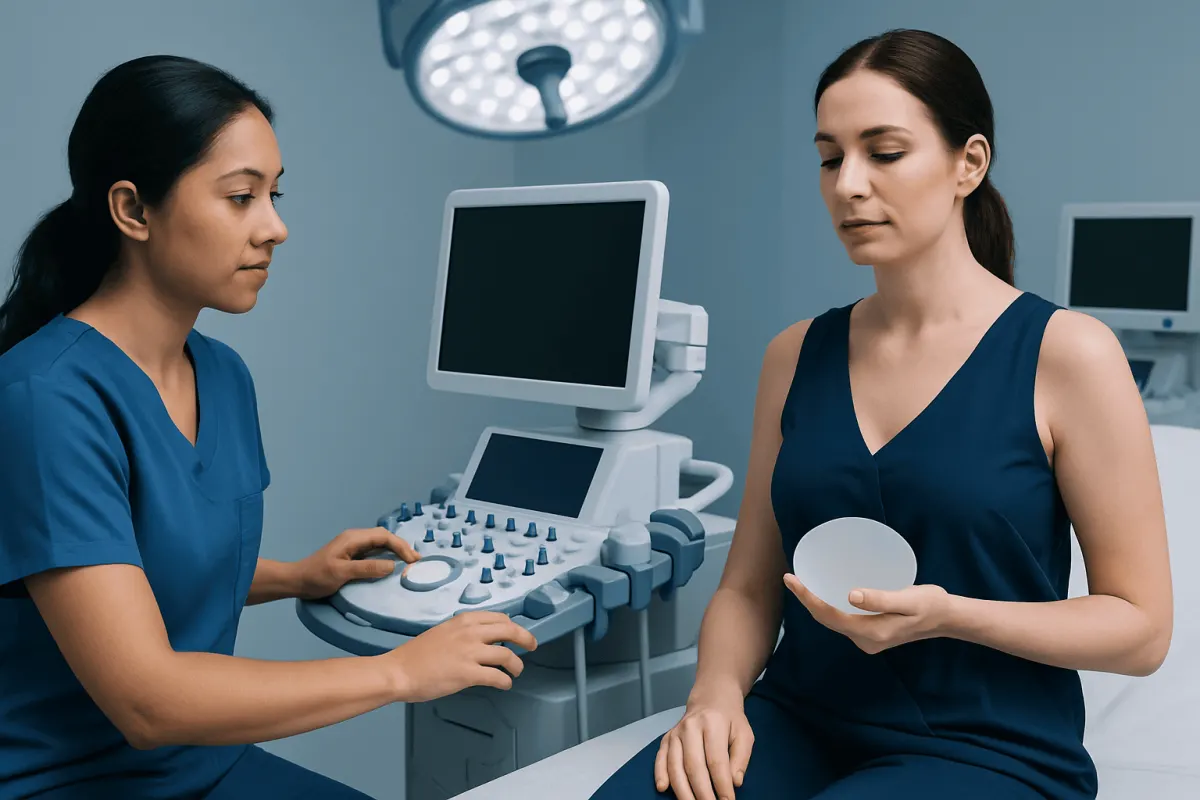
Evaluation generally begins with a medical history and physical examination. Ultrasound may be used as an initial assessment, while magnetic resonance imaging (MRI) can be helpful when rupture is suspected or ultrasound findings are unclear. Imaging recommendations can vary by implant type, local guidance, and the person’s symptoms, so it is best to follow the advice of the treating surgeon or breast specialist.
Online discussions, including searches for “do breast implants need to be replaced reddit,” can provide personal experiences but cannot determine whether an implant is intact. New symptoms should be assessed medically rather than judged by age alone or by another person’s experience.
What Happens to Silicone Implants After 10 Years?
After 10 years, a silicone implant may still be intact and functioning well. It does not suddenly expire at this point, and breast implants do not need to be replaced every 10 years as a routine rule. However, the longer implants have been in place, the more important it becomes to remain attentive to possible complications and changes in breast appearance.
Potential longer-term issues include shell wear or rupture, capsular contracture, displacement of the implant, rippling, changes in breast tissue and skin, and dissatisfaction with size or shape. These do not occur in every person, and their timing varies widely. An implant that is comfortable, unchanged, and confirmed to be intact may be observed with planned clinical follow-up.
Regulatory guidance in some settings recommends ultrasound or MRI screening for silent rupture beginning several years after silicone implant placement and repeated at intervals thereafter. A clinician can explain the current recommendations relevant to the implant and location of care. Imaging is particularly important if symptoms arise.
When people ask whether breast implants need to be replaced after time, the practical answer is that they may eventually need another procedure, but there is no predictable deadline for every patient. A review is based on implant condition and individual circumstances, not on the calendar alone.
Should Breast Implants Be Removed After 20 Years?
Breast implants do not need to be removed automatically after 20 years if they are intact and the person has no troubling symptoms or concerns. Still, implants are not lifelong devices, and the likelihood of needing revision tends to rise with the passage of time. A detailed review with a plastic surgeon can help clarify whether continued monitoring or surgery is the most reasonable option.
Removal may be chosen because of rupture, painful capsular contracture, recurrent infection, implant displacement, persistent discomfort, or a desire to no longer have implants. Some people also choose removal because their aesthetic preferences have changed. Depending on breast tissue, skin elasticity, and goals, implant removal may be performed alone or combined with procedures such as capsule surgery or a breast lift.
Rarely, late fluid collection, enlargement of one breast, a new mass, or persistent swelling around an implant can be associated with implant-related conditions that require prompt assessment. This includes breast implant-associated anaplastic large cell lymphoma (BIA-ALCL), an uncommon lymphoma most strongly linked with certain textured implants rather than the silicone filling itself. Symptoms do not mean this condition is present, but they should be evaluated without delay.
A surgeon can explain the expected changes after removal, including possible loss of upper-breast fullness, loose skin, asymmetry, or the need for additional reshaping surgery. The best option is one that balances physical findings, safety, and the person’s preferences.
What Are the Downsides of Silicone Breast Implants?
Silicone implants can provide a natural-feeling result for many people, but they involve surgery and ongoing responsibility for follow-up. Possible surgical risks include bleeding, infection, anesthesia-related complications, delayed healing, changes in nipple or breast sensation, scarring, and asymmetry. These risks can vary based on health status, surgical technique, and whether surgery is primary or revision surgery.
Implant-specific concerns include rupture, capsular contracture, movement or rotation, rippling, pain, and the possibility of additional operations over a lifetime. Silicone ruptures may be silent, so imaging may be needed to identify them. Cosmetic outcomes may also change as the body changes over time, even without an implant complication.
Some patients report systemic symptoms they associate with breast implants, sometimes described as breast implant illness. Symptoms such as fatigue, joint pain, cognitive concerns, or rashes can have many potential causes. A clinician should take these concerns seriously, assess for other medical explanations, and discuss whether implant removal may be appropriate based on the individual situation.
Before choosing implants or revision surgery, patients should receive balanced information about expected benefits, limitations, alternatives, and the possibility of future procedures. Informed decision-making includes understanding that do silicone breast implants need to be replaced is not answered by a single time frame.
Replacement or Removal Procedure: Candidacy, Steps and Recovery
People may be candidates for implant replacement or removal if imaging shows rupture, there is painful or distorting capsular contracture, an implant has shifted, or they want a different result. Before surgery, the surgeon reviews medical history, medications, smoking status, prior operations, breast imaging, and desired outcomes. Further breast evaluation may be recommended when there are lumps, swelling, or other unexplained changes.
The procedure is performed under anesthesia. The surgeon commonly uses a prior incision when possible, removes the old implant, and evaluates the surrounding capsule. Depending on the findings and goals, the surgeon may place a new implant, partially or fully remove capsule tissue, adjust the implant pocket, or remove the implants without replacement. A breast lift may sometimes be discussed if the patient wants to address loose skin or breast position.
Recovery varies with the extent of surgery. Most people need time away from strenuous activity, wear supportive garments as advised, and attend follow-up appointments to monitor healing. Swelling, bruising, tightness, and temporary discomfort are common early effects. The final shape may take several weeks to months to settle, especially if tissue repair or a lift is also performed.
Benefits of revision can include treatment of rupture or painful scar tissue and alignment with current aesthetic preferences. Risks include recurrent capsular contracture, altered sensation, scarring, asymmetry, wound problems, and the possibility of further revision. A qualified surgeon can provide individualized risk information before surgery.
When to Seek Medical Care
A person should arrange a non-urgent review if they notice gradual breast hardening, increasing asymmetry, a change in implant position, persistent discomfort, or a change in breast shape. These symptoms are often caused by non-emergency issues, but assessment can identify whether imaging or treatment is needed.
Prompt medical assessment is important for rapid swelling of one breast, redness or warmth with fever, severe or worsening pain, drainage from an incision, a new breast or underarm lump, or sudden major changes in shape. These signs may indicate infection, fluid collection, bleeding, rupture, or another condition requiring timely care.
Regular check-ins with the original surgeon or another experienced plastic surgeon can help patients decide whether breast implants need to be replaced periodically in their own situation. Acıbadem Health Point’s multidisciplinary specialists and JCI-accredited hospitals assess and treat breast implant concerns for international patients.
Frequently asked questions
01Do silicone breast implants need to be replaced every 10 years?
No. Silicone breast implants do not automatically need replacement at 10 years if they are intact and not causing problems. The 10-year point is a useful reminder to maintain follow-up and discuss appropriate imaging, not a mandatory deadline for surgery.
02Can a silicone implant rupture without symptoms?
Yes. A silicone gel implant rupture may be silent because the gel often remains within the capsule of scar tissue around the implant. Ultrasound or MRI may be used when rupture is suspected or as part of recommended surveillance.
03What symptoms can suggest a problem with a breast implant?
Possible symptoms include breast hardening, persistent pain, a change in shape or position, asymmetry, swelling, or a new lump. These symptoms are not specific to one complication, so clinical evaluation is important.
04Can a ruptured silicone implant stay in the body?
A suspected or confirmed rupture should be discussed with a plastic surgeon. Removal or replacement is often recommended, but the timing and approach depend on symptoms, imaging findings, implant location, and overall health.
05Is it safe to remove breast implants without replacing them?
For many people, implant removal without replacement is an option. The appearance afterward depends on factors such as implant size, how long the implants have been present, skin elasticity, breast tissue, and whether a breast lift is performed.
06Do breast implants need to be replaced periodically for safety?
There is no fixed interval at which every implant must be replaced. Ongoing clinical follow-up and appropriate imaging are safer approaches than routine replacement based only on implant age.
This article is for general information only and is not a substitute for professional medical advice. Please consult a qualified doctor about your individual situation.
Explore treatments in Turkey — costs, top hospitals & a free quote
JCI-accredited · board-certified surgeons · reply within 24h
Add us as a Preferred Source to see more of our trusted health content across Google Search, AI Overviews and Discover.