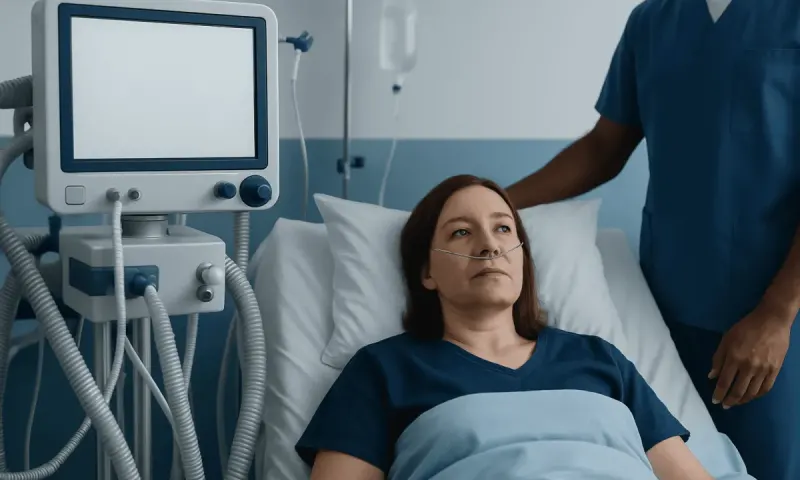
DLCO Test: Measuring Oxygen Transfer in the Lungs
A DLCO test is a painless breathing test that evaluates how well gases move from the air sacs of the lungs into the bloodstream. It is commonly used alongside other pulmonary function tests to help assess shortness of breath and monitor certain lung or heart conditions.
Overview: What Is a DLCO Test?
A DLCO test is a type of pulmonary function test, also called a lung function test. DLCO stands for diffusing capacity of the lung for carbon monoxide. Despite the name, the test does not assess carbon monoxide poisoning. Instead, it uses a very small, safe amount of carbon monoxide as a tracer gas to estimate how effectively gas passes from the lungs into the blood.
When a person breathes in, oxygen travels through tiny air sacs called alveoli and then crosses a thin barrier into nearby blood vessels. The DLCO test evaluates this transfer process. Because carbon monoxide binds readily to hemoglobin in red blood cells, its movement during the test provides useful information about the lungs’ gas-exchange capacity.
Doctors usually request a DLCO measurement as part of a broader set of breathing tests. It may help investigate unexplained breathlessness, chronic cough, reduced exercise tolerance, or abnormal chest imaging. It can also help monitor known lung disease or evaluate how a lung condition is affecting day-to-day breathing.
What the Test Measures
The DLCO result reflects several parts of the breathing and circulation system working together. These include the surface area available for gas exchange, the thickness of the membrane between air and blood, the amount of blood flowing through the lung capillaries, and the hemoglobin level in the blood.
A person with healthy alveoli, healthy lung blood vessels, and an adequate hemoglobin level will usually transfer the test gas efficiently. However, a result outside the expected range does not identify one diagnosis by itself. It is a functional measurement, not a standalone diagnosis.
Laboratories compare the measured value with a predicted range based on factors such as age, height, sex assigned at birth, and sometimes other reference characteristics. The report may show an absolute value and a percentage of predicted value. Some reports also include a statistical measure called a lower limit of normal, which helps clinicians judge whether a result is likely outside the expected range.
Why a Doctor May Request a DLCO Test

A clinician may order a DLCO test when symptoms or other findings suggest that the lungs may not be transferring oxygen efficiently. It is often performed together with spirometry, lung volume measurements, and sometimes an exercise or oxygen assessment. Looking at these results together gives a more complete picture than any single test.
Common reasons for testing include persistent shortness of breath, wheezing, chronic cough, reduced stamina, or a change in respiratory symptoms. The test may also be useful when a chest X-ray or CT scan shows changes that need further assessment.
DLCO testing can support the evaluation and follow-up of conditions affecting the air sacs, lung tissue, or blood vessels of the lungs. These may include emphysema, interstitial lung disease, pulmonary vascular disease, and some heart conditions. It may also be used before certain operations or treatments when an assessment of lung reserve is important.
- To help distinguish between different patterns of lung disease
- To monitor changes in gas transfer over time
- To assess the effects of smoking-related lung damage
- To help evaluate breathlessness when routine spirometry is inconclusive
How the DLCO Test Is Performed
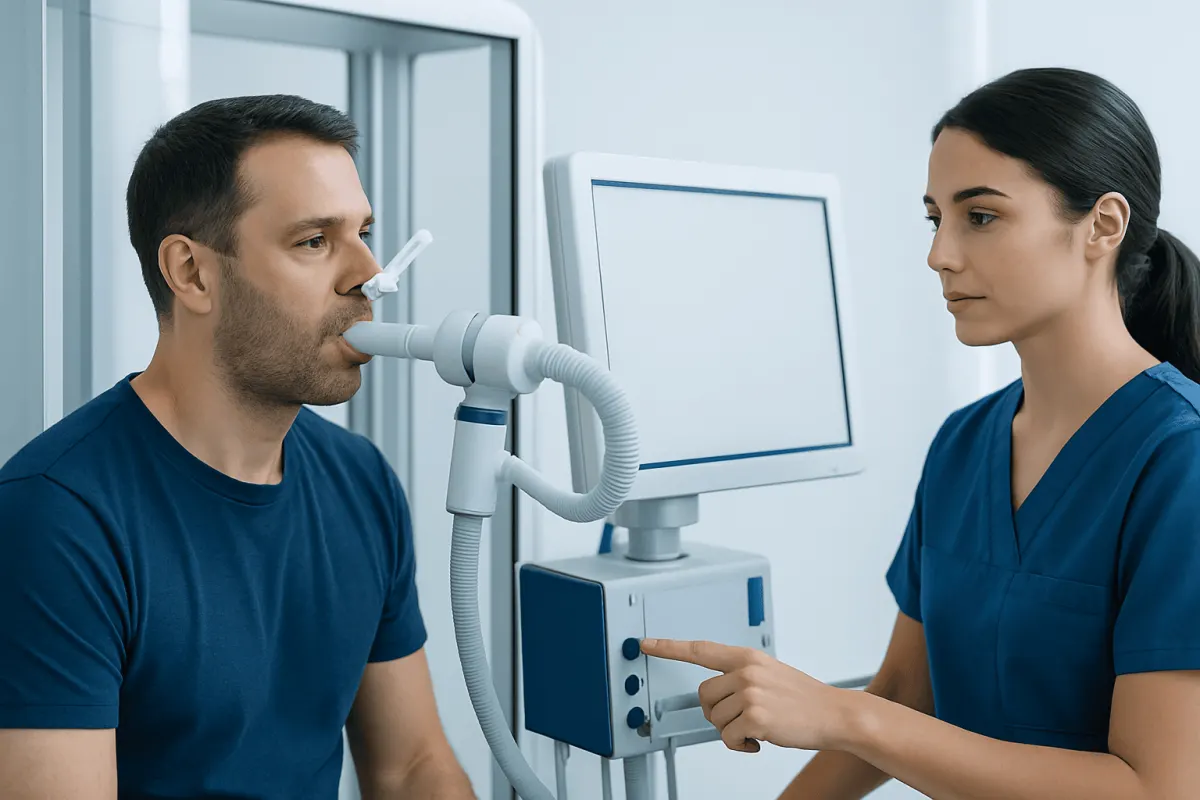
The test is generally completed in a pulmonary function laboratory by a trained respiratory professional. The person sits upright and wears a nose clip so that all breathing occurs through a mouthpiece. They will be asked to create a tight seal around the mouthpiece to prevent air leaks.
For the most common method, the person breathes out fully, takes a deep breath of a test gas mixture, holds their breath for a short time, and then breathes out into the machine. The equipment analyzes the exhaled sample to calculate how much of the tracer gas was absorbed. The maneuver is usually repeated to ensure the measurements are reliable.
The procedure is noninvasive and normally takes only a short time, although the full appointment may take longer if other breathing tests are also planned. Some people may feel briefly lightheaded after forceful breathing, but this usually settles quickly. Staff can pause or stop the test if a person feels unwell.
Preparing for a DLCO Test
Preparation instructions can vary by laboratory and by the other tests being performed. The testing center should provide individual guidance in advance. Following these instructions helps reduce factors that could affect the accuracy of the measurement.
People are often advised to avoid smoking for several hours before the test because smoking raises carbon monoxide levels in the blood and may lower the measured DLCO. They may also be asked to avoid vigorous exercise shortly beforehand and to wear loose, comfortable clothing that does not restrict deep breathing.
It is important to tell the clinician or testing team about all medicines, recent respiratory infections, oxygen use, anemia, pregnancy, and any history of heart or lung disease. Some inhaled medicines may need to be withheld before selected pulmonary function tests, but no one should stop prescribed medication unless their clinician specifically advises it.
If supplemental oxygen is normally used, the testing team will explain how this is managed during the appointment. A recent hemoglobin result may also be considered, since anemia can reduce gas uptake and can affect interpretation of the DLCO result.
Understanding DLCO Results
A normal DLCO suggests that gas transfer from the lungs to the bloodstream is within the expected range for that individual. However, normal results do not rule out every cause of breathing symptoms. Clinicians interpret the finding alongside symptoms, examination results, oxygen levels, imaging, blood tests, and other pulmonary function measurements.
A low DLCO means the lungs transferred less tracer gas than expected. This can occur when alveolar surface area is reduced, when the air-blood barrier is thickened, when blood flow through the lung vessels is reduced, or when there is less hemoglobin available to carry gas. Conditions that may be associated with a reduced result include emphysema, interstitial lung disease, <a href="https://acibademhealthpoint.com/diseases/pulmonary-hypertension/”>pulmonary hypertension, anemia, and some forms of heart failure.
An isolated low result does not automatically mean a serious lung disease is present. Recent smoking, anemia, technical factors, poor inhalation during the maneuver, or illness at the time of testing can contribute. In some circumstances, a DLCO may be higher than predicted, including when there is increased blood volume in the lungs or certain blood-related changes; this is also interpreted in clinical context.
Patterns across tests are often particularly informative. For example, a reduced DLCO with airflow obstruction may point clinicians toward a different group of possibilities than a reduced DLCO with restrictive lung volumes. A doctor may recommend repeat testing, blood tests, chest imaging, or heart assessment when clarification is needed.
What Happens After the Test and Next Steps
Most people can return to usual activities immediately after a DLCO test. The respiratory professional may check that the maneuvers met quality standards, but a physician or qualified clinician typically explains what the results mean in relation to the person’s overall health.
If the result is lower or higher than expected, further evaluation depends on the symptoms and the rest of the clinical picture. This may include repeat pulmonary function testing, a blood count to assess hemoglobin, chest imaging, oxygen testing during activity, or cardiac investigations. A repeat test may be useful if a temporary factor, such as a recent infection, could have influenced the result.
People can support lung health by avoiding smoking and secondhand smoke, keeping vaccinations up to date as advised, being physically active within their abilities, and attending follow-up appointments for known respiratory or heart conditions. These steps support general respiratory wellbeing but do not replace individualized medical care.
Acıbadem Health Point’s multidisciplinary specialists and JCI-accredited hospitals provide diagnostic assessment and treatment planning for international patients with respiratory symptoms and lung conditions.
When to See a Doctor
A person should arrange a medical review for ongoing or worsening shortness of breath, unexplained reduction in exercise capacity, persistent cough, wheezing, or chest discomfort. These symptoms can have many causes, including lung, heart, blood, and other health conditions, so timely assessment can help identify the appropriate next step.
Urgent medical care is appropriate for sudden severe difficulty breathing, blue or gray lips or skin, fainting, new confusion, severe chest pain, or coughing up a significant amount of blood. These symptoms need prompt evaluation rather than waiting for routine lung testing.
A DLCO test result should be discussed with the clinician who ordered it. They can explain whether the value is meaningful for the individual, whether further tests are needed, and how the result fits with their symptoms and medical history.
Frequently asked questions
01Is a DLCO test painful?
No. A DLCO test is noninvasive and does not involve needles or radiation. It requires a few controlled breathing maneuvers through a mouthpiece, which can feel effortful but should not be painful.
02Why is carbon monoxide used in a DLCO test?
A tiny, carefully controlled amount of carbon monoxide is used as a tracer because it binds strongly to hemoglobin. Measuring how much is absorbed helps estimate how well gas crosses from the lung air sacs into the blood. The amount used is very small and is considered safe for routine testing.
03Can smoking affect a DLCO result?
Yes. Smoking shortly before testing can increase carbon monoxide in the bloodstream and may affect the result. Testing centers commonly advise avoiding smoking for several hours before the appointment, and patients should follow their laboratory's specific instructions.
04Does a low DLCO mean lung cancer?
No. A low DLCO is not a cancer test and does not diagnose lung cancer. It can occur for many reasons, including anemia, emphysema, interstitial lung disease, changes in lung blood vessels, and technical factors during testing.
05Can anemia lower DLCO?
Yes. Hemoglobin in red blood cells helps carry the tracer gas used during the test, so anemia may reduce the measured DLCO. Clinicians may adjust or interpret the result in light of a person's hemoglobin level.
06How long does a DLCO test take?
The DLCO portion itself is usually brief, often taking only several minutes once instructions are understood. The appointment may take longer when it is combined with spirometry, lung volume tests, or other pulmonary function assessments.
This article is for general information only and is not a substitute for professional medical advice. Please consult a qualified doctor about your individual situation.
Persistent digestive symptoms? Get evaluated in Turkey
JCI-accredited · board-certified surgeons · reply within 24h
Add us as a Preferred Source to see more of our trusted health content across Google Search, AI Overviews and Discover.