Diverticula: Causes, Symptoms and Treatment

Key Takeaways
- Diverticula are small pouches that can develop in the digestive tract, especially the colon.
- Many people have diverticula without symptoms; problems arise when inflammation or infection develops.
- Age, a lower-fiber diet, constipation, and some lifestyle factors may increase risk.
- Diagnosis may involve history, physical examination, blood tests, and imaging or colon evaluation when appropriate.
- Treatment ranges from diet changes and monitoring to medicines or surgery in selected cases.
Diverticula are small pouch-like bulges that can form in the wall of the digestive tract, most often in the colon. Many people never notice them, but understanding their symptoms, risks, and treatment options can help guide timely, confident care.
Overview
Diverticula are small sac-like bulges that push outward through weak spots in the wall of the intestine. They are most commonly found in the large intestine, especially the colon, and are often discovered incidentally during tests for another reason.
When diverticula are present without causing symptoms, the condition is usually called diverticulosis. If one or more pouches become inflamed or infected, the condition is known as diverticulitis. That distinction matters, because many people with diverticula need only observation and routine digestive care, while others may need medical treatment for flare-ups.
For international patients considering evaluation abroad, diverticula are often assessed as part of a broader digestive workup. A careful review of symptoms, prior scans, and past colon examinations helps the treating team decide whether further tests are needed and whether care can be managed conservatively or requires closer follow-up.
Symptoms

Diverticula themselves usually do not cause noticeable symptoms. Many people live for years without knowing they have them, and the finding appears only on a colonoscopy or imaging study performed for a different concern.
Symptoms are more likely when diverticula become inflamed or complicated. In diverticulitis, a person may develop abdominal pain, often on the lower left side, along with tenderness, fever, nausea, changes in bowel habits, or a general feeling of being unwell. Some people notice constipation, diarrhea, bloating, or cramping.
Symptoms do not always point neatly to one diagnosis, which is why a medical assessment is important. Abdominal pain can have many causes, and a clinician will look for patterns that suggest diverticular disease versus another digestive or urinary issue.
- Ongoing or recurrent abdominal discomfort
- Fever with localized belly pain
- Changes in stool frequency or consistency
- Nausea, reduced appetite, or bloating
- Rectal bleeding, which should always be evaluated
Causes & Risk Factors

The exact reason diverticula form is not fully understood, but they are thought to develop when pressure inside the bowel pushes the lining through weaker areas of the intestinal wall. Over time, repeated pressure and structural changes in the colon may contribute to pouch formation.
Risk becomes more common with age. A lower-fiber eating pattern, chronic constipation, obesity, smoking, and low physical activity are among the factors associated with diverticular disease in many adults. Some people may also have a family tendency toward developing diverticula.
Not everyone with risk factors will develop diverticula, and not every person with diverticula will have symptoms. Still, understanding these influences can help patients make practical choices that support bowel regularity and reduce strain on the digestive tract.
- Older age
- Frequent constipation or straining
- Low dietary fiber intake
- Obesity or excess body weight
- Smoking
- Limited physical activity
Diagnosis
Diagnosis usually begins with a conversation about symptoms, bowel habits, diet, and prior episodes of abdominal pain. A clinician may perform a physical examination to check for tenderness or signs that suggest inflammation.
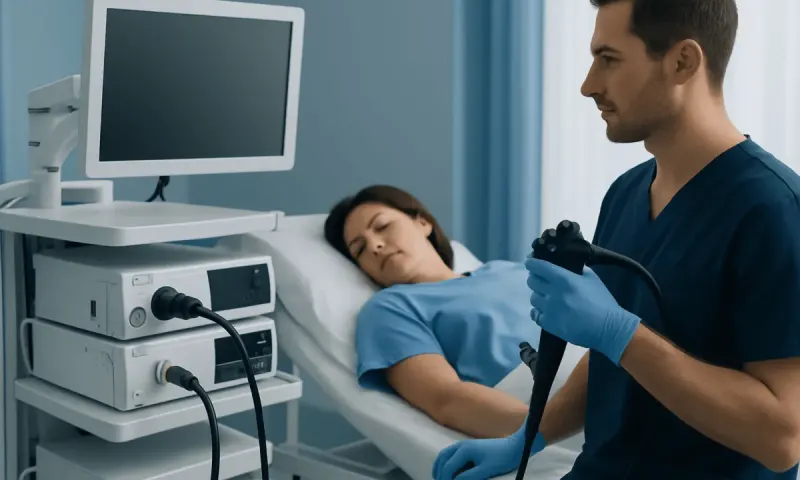
When diverticulitis is suspected, blood tests may help look for signs of infection or inflammation. Imaging, especially a CT scan, is often used to confirm the diagnosis and to determine whether there are complications such as an abscess or perforation. In some situations, colonoscopy is used later, after an acute episode has settled, to inspect the bowel more directly.
For patients traveling internationally, bringing previous imaging reports, medication lists, and any colonoscopy findings can be especially helpful. It can shorten the time needed to clarify the diagnosis and can reduce duplicate testing when doctors are comparing past and current symptoms.
Treatment Options
Treatment depends on whether diverticula are simply present or whether they have become inflamed. Uncomplicated diverticulosis may not require active treatment beyond monitoring, symptom control, and bowel-friendly lifestyle measures. If diverticulitis is present, management may include rest for the bowel, a temporary diet adjustment, and medicines prescribed by a doctor.
Not every case needs the same approach. Some mild episodes can be managed without hospital admission, while more significant pain, fever, dehydration, or complications may require closer observation and intravenous treatment. Surgery is reserved for selected situations, such as repeated episodes, obstruction, abscess, perforation, or ongoing symptoms that do not improve with other care.
Patients should avoid self-treating abdominal pain with leftover antibiotics or strong pain medicines without medical advice. The safest plan is individualized after a clinician has confirmed whether the issue is uncomplicated diverticula, diverticulitis, or another condition altogether.
- Observation and routine follow-up for uncomplicated diverticulosis
- Diet modification during recovery from a flare-up
- Doctor-prescribed medicines when infection or inflammation is present
- Hospital care for severe pain, vomiting, or complications
- Surgery in carefully selected, recurrent, or complicated cases
Prevention & Self-care
There is no guaranteed way to prevent diverticula from forming, but many people can support overall colon health by reducing constipation and avoiding repeated strain during bowel movements. A gradual increase in fiber, along with enough fluids, often helps stool move more comfortably.
Regular activity is also useful because it supports digestive motility and general health. For people recovering from a flare, doctors may suggest a short-term diet plan before gradually returning to more fiber-rich foods. The right approach depends on symptoms, the phase of recovery, and whether inflammation has completely settled.
When care is being planned from another country, it is reasonable to ask for a simple step-by-step recovery outline before traveling home. Clear instructions about diet progression, warning signs, and follow-up timing can make the transition safer and less stressful.
- Increase fiber gradually, not all at once
- Drink adequate fluids unless a doctor advises otherwise
- Stay physically active as tolerated
- Do not ignore persistent constipation
- Follow the prescribed recovery plan after a diverticulitis episode
When to See a Doctor
Medical advice is important if abdominal pain is new, persistent, or recurring, especially when it is accompanied by fever, nausea, vomiting, or a change in bowel habits. These symptoms may reflect diverticulitis or another condition that deserves prompt assessment.
Rectal bleeding, severe tenderness, inability to keep fluids down, or worsening pain should not be watched at home for long. A doctor can determine whether urgent imaging, antibiotics, or hospital care is needed. People with known diverticula should also seek guidance before making major diet changes or starting new medicines.
For international patients, it can be reassuring to choose a center that can coordinate diagnosis, imaging, gastroenterology review, and, when needed, surgical consultation in one pathway. Acibadem Health Point works with multidisciplinary specialists and JCI-accredited hospitals to diagnose and treat this condition for international patients.
Living With Diverticula
Learning that diverticula are present can be unsettling at first, but many people never develop complications. In day-to-day life, the focus is usually on bowel habits, hydration, nutrition, and recognizing the difference between ordinary digestive discomfort and a genuine flare-up.
Follow-up is especially useful after an episode of diverticulitis because recovery does not always end when pain improves. A clinician may want to review whether colon evaluation is needed later, whether medications should be adjusted, and how to reduce the chance of future problems.
With the right guidance, most patients can manage diverticula in a calm, practical way. The goal is not to overreact to every twinge, but to know which symptoms fit routine care and which ones deserve a medical review.
Frequently asked questions
01What is the difference between diverticulosis and diverticulitis?
Diverticulosis means diverticula are present in the bowel wall, often without symptoms. Diverticulitis means one or more pouches have become inflamed or infected, which is more likely to cause pain and fever.
02Do diverticula always need treatment?
No. Many people with diverticula do not need specific treatment beyond routine monitoring and bowel-friendly habits. Treatment becomes necessary if inflammation, infection, bleeding, or other complications occur.
03Can diet help with diverticula?
A fiber-rich diet may help support regular bowel movements and reduce constipation, which can ease strain on the colon. If a person is recovering from diverticulitis, the doctor may recommend a temporary change in diet before returning to higher fiber foods.
04Is abdominal pain always caused by diverticula?
No. Abdominal pain has many possible causes, including other digestive, urinary, or gynecologic conditions. A clinician needs to evaluate the pattern of symptoms before deciding what is responsible.
05When is surgery considered for diverticular disease?
Surgery is generally reserved for complications or repeated episodes that do not respond well to other treatment. The decision depends on the person’s symptoms, imaging findings, and overall health.
06Can someone travel after being treated for diverticulitis?
Often yes, but timing should be guided by the treating doctor. Travel is usually safer once symptoms have improved, hydration is stable, and any follow-up plan is clear.
This article is for general information only and is not a substitute for professional medical advice. Please consult a qualified doctor about your individual situation.
Persistent digestive symptoms? Get evaluated in Turkey
JCI-accredited · board-certified surgeons · reply within 24h
Add us as a Preferred Source to see more of our trusted health content across Google Search, AI Overviews and Discover.