Disseminated TB: When Tuberculosis Spreads Beyond Lungs
Disseminated TB is a serious form of tuberculosis in which TB bacteria spread from an initial site, often the lungs, to other parts of the body. With timely testing, appropriate anti-tuberculosis medicines, and close follow-up, it can be treated effectively.
What Is Disseminated TB?
Disseminated TB, also called disseminated tuberculosis, develops when Mycobacterium tuberculosis bacteria spread from an original infection site to multiple areas of the body. The lungs are often involved, but the bacteria may also affect lymph nodes, the liver, spleen, bone marrow, kidneys, bones, the brain and its surrounding tissues, or other organs.
A related term, miliary TB, describes a pattern of widespread tiny lesions that may be seen on chest imaging when bacteria travel through the bloodstream. Not every person with disseminated TB has this imaging pattern, and the terms are sometimes used differently in clinical practice. A healthcare team assesses the full clinical picture rather than relying on one term or test.
Disseminated TB is not the same as latent TB infection. In latent infection, TB bacteria are present but inactive and do not cause symptoms or spread to others. Disseminated TB is active disease and requires prompt medical care. Whether a person is contagious depends mainly on whether active TB is present in the lungs or airways.
How Disseminated TB Can Affect the Body
TB bacteria can enter the body after a person breathes in airborne droplets released by someone with infectious pulmonary TB. In many people, the immune system contains the bacteria. In others, the infection may progress soon after exposure or reactivate later, allowing bacteria to travel beyond the lungs.
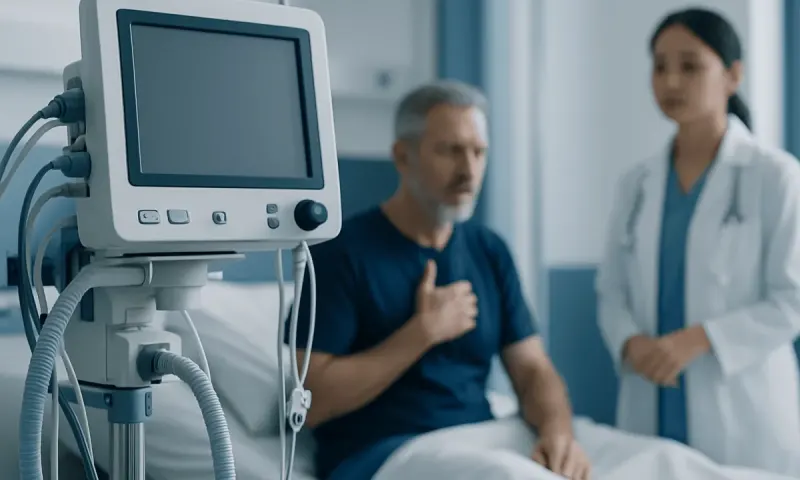
Because more than one organ can be affected, symptoms may be nonspecific at first. Some people have lung symptoms, while others primarily experience symptoms related to the nervous system, abdomen, bones, urinary tract, or blood-forming organs. This variation is one reason a careful assessment is important.
Disseminated TB is not caused by casual contact with objects, sharing utensils, or touching a person with TB. Transmission occurs through the air when a person with infectious TB involving the lungs or throat coughs, speaks, sings, or breathes. Effective treatment greatly reduces infectiousness in most people with drug-susceptible pulmonary TB, but the treating team provides individual guidance.
Symptoms and Warning Signs

Common symptoms of disseminated TB may include persistent fever, drenching night sweats, tiredness, reduced appetite, unintended weight loss, and a general feeling of being unwell. These symptoms can develop gradually and can also occur in many other conditions, so they should be assessed in context.
When the lungs are involved, a person may have a cough lasting several weeks, chest discomfort, breathlessness, or coughing up blood. Other symptoms depend on where TB has spread. For example, swollen lymph nodes, abdominal pain or swelling, bone or joint pain, back pain, urinary symptoms, or skin changes can occur.
Involvement of the brain or tissues around it may cause severe or persistent headache, vomiting, neck stiffness, confusion, drowsiness, seizures, vision changes, or weakness. These symptoms require urgent evaluation. Infants, young children, older adults, and people with weakened immune systems may show less typical symptoms, including poor feeding, reduced activity, or unexplained fever.
- Fever or night sweats that persist without a clear explanation
- Unintended weight loss, poor appetite, or marked fatigue
- A prolonged cough, breathing symptoms, or chest pain
- New neurological symptoms, including confusion, seizures, or weakness
Causes and Risk Factors
The cause of disseminated TB is infection with Mycobacterium tuberculosis. Spread beyond the lungs is more likely when the immune system cannot fully contain the bacteria, although disseminated disease can occasionally occur in people with no known immune problem.
Risk may be higher in people living with HIV, those using medicines that suppress the immune system, people receiving certain cancer treatments, or those with conditions that affect immunity. Diabetes, undernutrition, kidney disease, heavy alcohol use, smoking, and some chronic illnesses can also increase the likelihood of active TB. These factors do not mean that a person will develop disseminated disease, but they help clinicians decide who may need testing.
Recent exposure to a person with infectious TB, previous untreated or incompletely treated TB, and residence or travel in areas where TB is more common may also be relevant. People should not delay seeking care because of stigma or uncertainty; TB is a medical infection, and testing can clarify the cause of symptoms.
How Doctors Diagnose Disseminated TB
Diagnosis begins with a discussion of symptoms, medical history, TB exposure, previous treatment, travel, medicines, and conditions that may affect immunity. A clinician performs a physical examination and may request blood tests to look for inflammation, anemia, liver or kidney effects, and other clues.
Testing aims to identify TB bacteria and determine whether they are resistant to key medicines. Depending on symptoms, samples may include sputum, fluid from around the lungs, urine, lymph node material, tissue biopsy samples, or other body fluids. Tests can include microscopy, culture, molecular tests that detect TB genetic material, and drug-susceptibility testing. Culture may take time, but it is important for confirming the diagnosis and guiding treatment.
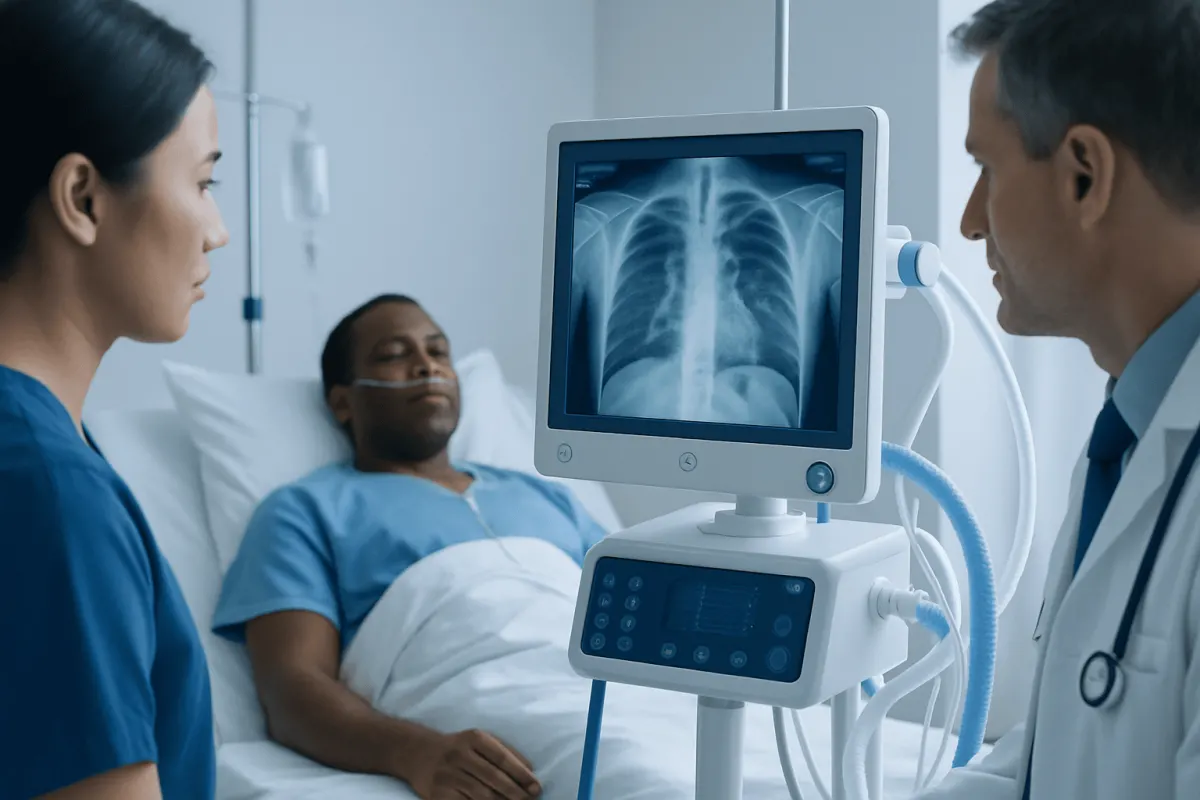
Chest X-rays and CT scans can identify patterns of lung involvement and assess other organs. Ultrasound, MRI, or targeted imaging may be used when the abdomen, bones, spine, or nervous system is affected. A TB blood test or skin test can support evaluation of TB exposure, but it cannot by itself confirm or exclude active disseminated TB.
Clinicians also assess for HIV and other conditions that may influence care, with the patient’s consent. When TB of the brain, spinal cord, or other critical sites is suspected, investigations and treatment may need to begin quickly while confirmatory results are pending.
Treatment and Follow-Up
Disseminated TB is treated with a combination of antibiotics specifically active against TB. Using several medicines together is essential because TB bacteria can respond differently to individual drugs and may develop resistance if treatment is incomplete or inappropriate. The exact regimen and duration depend on the affected organs, laboratory results, previous TB treatment, other health conditions, and possible drug resistance.
For drug-susceptible TB, treatment commonly continues for months. Some forms, especially TB affecting the brain, spinal cord, or bones, may require longer treatment or additional medicines such as corticosteroids in selected situations. Drug-resistant TB needs specialist-designed treatment based on resistance testing and current guidelines.
Regular follow-up helps the care team monitor symptom improvement, medication side effects, laboratory results, and adherence. It is important not to stop treatment early, skip doses, or share medicines. A clinician should be contacted promptly if there is yellowing of the skin or eyes, severe nausea or vomiting, rash, visual changes, numbness or tingling, or any concerning new symptom.
Hospital care may be needed at the start of treatment if a person is severely unwell, has breathing problems, neurological involvement, dehydration, or needs urgent investigations. Once stable, many people continue treatment as outpatients with structured support from TB services.
Reducing Spread and Supporting Recovery
If pulmonary or throat TB is suspected or confirmed, the healthcare team may recommend temporary precautions to reduce airborne spread. These can include staying home or limiting close contact until it is considered safe, improving ventilation, wearing a well-fitted mask when advised, and following local public health instructions. The need for precautions is individualized.
Close contacts may be offered assessment for TB infection or disease. This is a standard public health measure intended to identify people who could benefit from testing or preventive treatment. It does not mean that everyone in a household has become ill.
Recovery is supported by taking medicines exactly as prescribed, attending follow-up appointments, maintaining adequate nutrition and hydration, resting as needed, and avoiding smoking and excess alcohol. People should discuss vitamins, herbal products, and non-prescribed medicines with their clinician because some products can interact with TB treatment or affect the liver.
When to Seek Medical Care
Medical assessment should be arranged promptly for persistent fever, night sweats, unexplained weight loss, prolonged cough, swollen lymph nodes, or other symptoms that could suggest TB, particularly after known exposure or in someone with a weakened immune system. Early evaluation helps identify the cause and begin the right treatment.
Emergency care is needed for severe shortness of breath, coughing up a significant amount of blood, severe headache with confusion or neck stiffness, fainting, seizures, new weakness, severe drowsiness, or inability to keep fluids down. These symptoms can have several causes and should not be managed at home.
People already receiving TB treatment should keep scheduled reviews and contact their treating team if symptoms worsen or medication side effects occur. Acıbadem Health Point’s multidisciplinary specialists and JCI-accredited hospitals diagnose and treat tuberculosis, including complex cases, for international patients.
Frequently asked questions
01Is disseminated TB curable?
Disseminated TB can usually be treated with an appropriate combination of anti-tuberculosis medicines and close medical follow-up. Treatment may take several months or longer depending on the organs involved and whether the bacteria are drug-resistant. Completing the full prescribed course is essential.
02Is disseminated TB contagious?
Disseminated TB itself does not automatically mean a person is contagious. Infectiousness is mainly related to active TB in the lungs or throat, where bacteria can be released into the air. The treating team can advise on testing, precautions, and when close contact is safe.
03What is the difference between miliary TB and disseminated TB?
Disseminated TB means TB has spread to more than one part of the body. Miliary TB is a type of widespread blood-borne spread that may produce many tiny lesions on imaging, especially in the lungs. The terms may overlap, but clinicians use examination, imaging, and laboratory findings to describe each individual case.
04Can a normal TB blood test rule out disseminated TB?
No. TB blood tests and skin tests indicate whether the immune system has reacted to TB bacteria, but they cannot confirm or rule out active disseminated TB on their own. Doctors use symptoms, imaging, samples for TB testing, cultures, and molecular tests to make a diagnosis.
05How long does treatment for disseminated TB take?
The duration varies according to the treatment regimen, drug-susceptibility results, and areas of the body involved. Treatment for drug-susceptible disease commonly lasts months, and some forms involving the nervous system or bones may need longer therapy. A TB specialist determines the safest schedule.
06Can disseminated TB return after treatment?
Most people who complete effective treatment recover, but TB can recur in some circumstances. Recurrence may result from reinfection, treatment that was not completed, drug resistance, or an underlying condition that weakens immunity. Follow-up and discussing new symptoms early can help address concerns.
This article is for general information only and is not a substitute for professional medical advice. Please consult a qualified doctor about your individual situation.
Explore treatments in Turkey — costs, top hospitals & a free quote
JCI-accredited · board-certified surgeons · reply within 24h
Add us as a Preferred Source to see more of our trusted health content across Google Search, AI Overviews and Discover.