Disease Anthrax: Symptoms, Causes, and Treatment Options
Have you handled livestock, hides or wool and then noticed an odd sore that just doesn’t look right? That’s the kind of moment when anthrax crosses a doctor’s mind. It’s a rare infection, but it can turn serious.
Anthrax is caused by a bacterium called Bacillus anthracis. It can affect the skin, the lungs, the digestive tract, or the site of an injection. Because symptoms and severity differ depending on how you were exposed, getting diagnosed and treated quickly matters.
Overview of disease anthrax
Disease anthrax is an infection caused by Bacillus anthracis, a bacterium that forms hardy spores. These spores can survive in the environment for long periods and may infect people when they enter the body through a cut in the skin, are inhaled, are swallowed in contaminated food, or are introduced by injection. Although anthrax is uncommon in many countries, it remains medically important because it can become severe without timely treatment.
Anthrax is not a single pattern of illness. Instead, doctors describe it by the route of infection: cutaneous anthrax affects the skin, inhalation anthrax affects the lungs and chest, gastrointestinal anthrax affects the digestive tract, and injection anthrax affects deeper tissues after contaminated drug injection. Knowing which form you have changes everything: the symptoms, how fast you need care, and the treatment itself.
Worried you could catch anthrax from someone else? That’s rarely how it works. Person-to-person spread is very uncommon, and most infections come from direct contact with infected animals, animal products, or contaminated materials. Public health authorities may become involved to help identify the source and reduce risk to others when a case is suspected.
How anthrax develops and who may be at risk
Anthrax spores can enter the body in several ways. A person may develop cutaneous anthrax after spores contaminate a break in the skin while handling infected animals, hides, wool, hair, bone meal, or other animal products. Inhalation anthrax can occur when a person breathes in spores, while gastrointestinal anthrax may develop after eating undercooked meat from an infected animal. Injection anthrax has been reported in people who inject contaminated drugs.
What puts you at risk is what you come into contact with, not your age or how healthy you are. People who work with livestock, veterinary care, agriculture, animal hides, wool, tanneries, or certain laboratory materials may have greater occupational risk. Travelers to areas where anthrax in animals is more common may also face exposure through contact with livestock or unregulated animal products.
Anthrax infection does not always cause immediate symptoms. After spores enter the body, they may be taken up by immune cells and transported to nearby tissues or lymph nodes, where they can become active bacteria. These bacteria produce toxins that damage tissues and contribute to swelling, systemic illness, and complications. Each form moves at its own pace, so please get checked after a suspected exposure, even if you feel only mildly unwell.
Symptoms of anthrax by type

Cutaneous anthrax is the most common form. It often begins as a small itchy bump that can resemble an insect bite. Over time, it may become a painless sore with a dark or black center and surrounding swelling. Nearby lymph nodes may enlarge, and some people also develop fever, fatigue, or general malaise. Even though the skin lesion may not be very painful, this form still needs prompt treatment.
Inhalation anthrax often starts with nonspecific symptoms such as fever, tiredness, sore throat, mild cough, chest discomfort, or muscle aches. This early phase can look similar to a viral illness, but it may then worsen quickly, leading to shortness of breath, heavy sweating, confusion, low blood pressure, or severe chest symptoms. Because inhalation anthrax can become life-threatening, urgent medical assessment is essential.
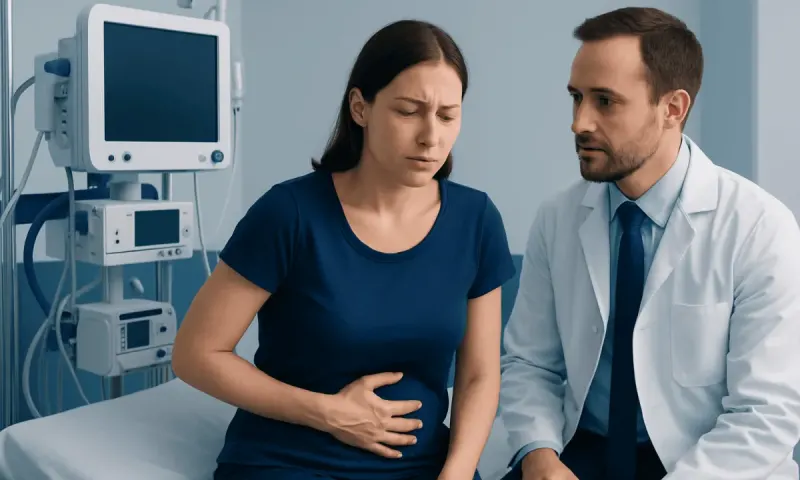
Gastrointestinal anthrax may cause nausea, vomiting, abdominal pain, fever, diarrhea, or loss of appetite. Some people develop swelling in the throat, painful swallowing, or ulcers in the mouth or digestive tract, depending on where the infection is located. Injection anthrax can cause severe swelling, pain, redness, or tissue damage at the injection site, sometimes with fever or signs of deeper infection. A doctor may also consider other serious infections that can look similar, including pneumonia or severe skin and soft tissue infections.
How doctors diagnose disease anthrax
Diagnosis starts with a careful medical history. Doctors ask about symptoms, recent travel, work with animals or animal products, laboratory exposure, contact with contaminated materials, and any suspected inhalational or injection exposure. This exposure history is a key part of diagnosis because anthrax can resemble other illnesses at first.
Testing may include samples from the skin lesion, blood, respiratory secretions, or stool, depending on the suspected form. Laboratories may use culture, molecular tests such as PCR, and other specialized methods to identify Bacillus anthracis. Blood tests can help assess inflammation or organ effects, especially when doctors are concerned about severe infection.
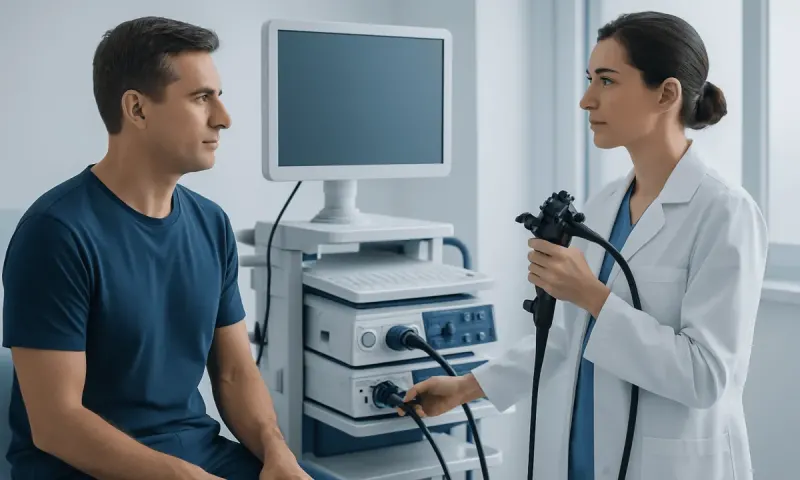
Imaging may also be important. A chest X-ray or, more often, CT scanning can help evaluate inhalation anthrax by showing chest abnormalities or fluid around the lungs. If gastrointestinal complications are suspected, a doctor may use additional imaging or endoscopic evaluation in selected cases. Because anthrax is a reportable public health concern in many regions, clinicians may coordinate with infectious disease specialists and health authorities during the diagnostic process.
Treatment options and hospital care
Treatment for disease anthrax usually begins as soon as it is suspected, rather than waiting for every test result. Antibiotics are the main treatment and are selected based on the likely type of anthrax, severity of illness, and local guidance. In more serious cases, doctors may use a combination of antibiotics and closely monitor the patient in the hospital.
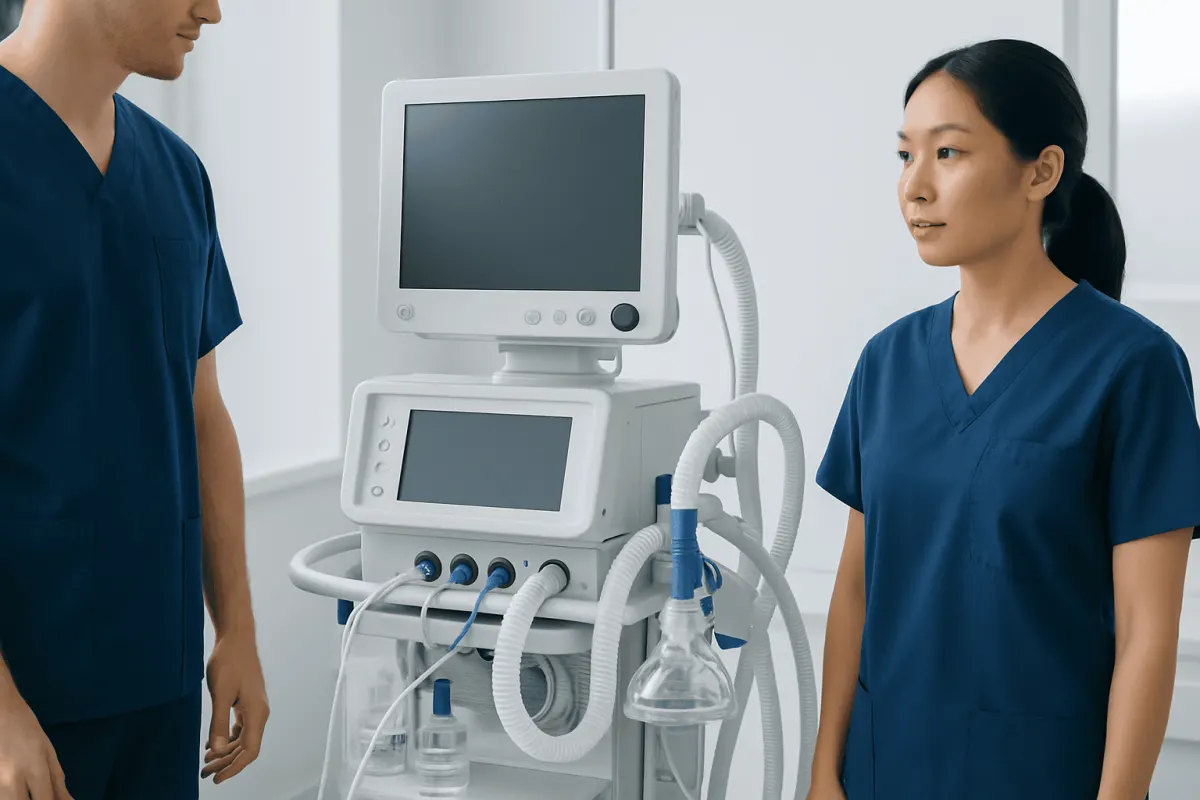
Severe anthrax may require supportive care such as intravenous fluids, oxygen, breathing support, treatment for low blood pressure, and careful observation for complications. Doctors also watch for toxin-related effects, spread to the bloodstream, and meningitis. In selected cases, treatment may include antitoxin therapy in addition to antibiotics, particularly when inhalation anthrax or systemic disease is suspected.
Some people with cutaneous anthrax can be treated without surgery, but surgery may occasionally be needed for complications such as extensive tissue damage, fluid collections, or pressure-related problems in soft tissues. Hospital-based care may involve specialists in infectious diseases, critical care, pulmonology, radiology, and surgery. When breathing problems or chest complications are present, assessment may overlap with advanced respiratory support pathways such as bronchoscopy or care used for severe lung infection when clinically appropriate. Some international patients choose centers such as Acıbadem Health Point, where multidisciplinary specialists in JCI-accredited hospitals evaluate and treat complex infectious conditions.
Recovery, prevention, and self-care
Recovery depends on the form of anthrax, how early treatment started, and whether complications developed. Cutaneous anthrax often improves well with prompt therapy, while inhalation, gastrointestinal, and injection anthrax generally need closer monitoring and may involve a longer recovery. Follow-up visits help doctors confirm that symptoms are improving and that no late complications are emerging.
Home care is not a substitute for treatment. Don’t self-medicate, don’t try to drain a skin lesion, and don’t try to manage severe symptoms yourself. Rest, hydration, and following the prescribed treatment plan are helpful, but the priority is timely medical supervision.
Prevention focuses on reducing exposure. People who work with livestock or animal products should use appropriate protective measures, follow workplace safety rules, and avoid handling animals that may be sick without proper precautions. Meat should come from inspected sources and be cooked safely. Public health teams may recommend preventive antibiotics or vaccination for certain high-risk exposures or occupations. In situations where doctors need to look closely at affected tissues or internal complications, imaging tools such as MRI may sometimes support broader evaluation, depending on symptoms and the area involved.
When to seek medical care
Medical care should be sought promptly if a person develops a suspicious skin sore after contact with livestock, hides, wool, hair, or other animal materials, especially if the sore has a dark center or marked swelling. The same applies after eating possibly contaminated meat or after any known or possible exposure to anthrax spores in the workplace or environment.
Urgent evaluation is especially important for fever with breathing difficulty, chest pain, severe weakness, confusion, fainting, trouble swallowing, persistent vomiting, severe abdominal pain, or rapidly worsening swelling at an injection or skin site. These symptoms do not always mean anthrax, but they require prompt medical assessment because several serious infections can cause similar problems.
If exposure is suspected, it helps to tell the doctor exactly what happened, when it happened, and whether others may have been exposed. This information can guide testing, treatment, and any needed public health follow-up. Don’t wait for symptoms to get more obvious before asking for help. Early treatment gives you the best chance of avoiding complications.
Frequently asked questions
01What is disease anthrax?
Disease anthrax is an infection caused by the bacterium Bacillus anthracis. It can affect the skin, lungs, digestive tract, or tissues under the skin after injection exposure. The illness is uncommon in many places, but it requires prompt medical attention because some forms can become severe.
02How do people get anthrax?
People usually get anthrax through exposure to spores from infected animals or contaminated animal products such as hides, wool, or hair. Infection can happen through broken skin, inhalation, swallowing contaminated food, or injection of contaminated drugs. It is not typically spread through casual person-to-person contact.
03What are the first signs of anthrax?
The first signs depend on the type of anthrax. Cutaneous anthrax often starts as an itchy bump that becomes a sore with a dark center, while inhalation anthrax may begin like a flu-like illness with fever and cough. Gastrointestinal anthrax may cause nausea, abdominal pain, or vomiting.
04Is anthrax curable?
Anthrax can often be treated successfully, especially when it is recognized early. Antibiotics are the main treatment, and severe cases may also need hospital-based supportive care and sometimes antitoxin therapy. Outcomes are generally better when treatment starts promptly.
05Can anthrax go away on its own?
Anthrax should not be expected to go away on its own. Even a skin form that seems limited can worsen or spread without treatment. Anyone with a suspicious exposure or symptoms should be evaluated by a qualified doctor.
06Who is most at risk for anthrax?
Risk is higher in people who handle livestock, animal hides, wool, or other animal products in places where anthrax occurs in animals. Certain laboratory workers and people exposed during specific occupational incidents may also be at higher risk. Risk depends mainly on exposure rather than general health alone.
This article is for general information only and is not a substitute for professional medical advice. Please consult a qualified doctor about your individual situation.
Hair transplant in Turkey — costs, graft counts & a free assessment
JCI-accredited · board-certified surgeons · reply within 24h
Add us as a Preferred Source to see more of our trusted health content across Google Search, AI Overviews and Discover.