Diastolic Blood Pressure: What It Means

Key Takeaways
- Diastolic blood pressure is the lower number in a reading and shows arterial pressure between heartbeats.
- Both low and high diastolic values can matter, especially when they persist or occur with symptoms.
- Blood pressure naturally changes with age, activity, stress, hydration, and medicines.
- Accurate measurement technique is important before drawing conclusions from a single reading.
- Lifestyle habits and medical evaluation can help protect heart, brain, and kidney health.
- A doctor should assess ongoing abnormal readings, chest pain, fainting, shortness of breath, or neurological symptoms.
Blood Pressure: Evidence-Based Steps" class="ahp-ilk">Diastolic blood pressure is the lower number in a blood pressure reading, and it reflects the pressure in the arteries when the heart relaxes between beats. Understanding this number can help a person make sense of home readings, clinic results, and when follow-up may be useful.
Overview
Diastolic blood pressure is the lower number in a blood pressure result, such as the 80 in 120/80 mmHg. It reflects the pressure in the arteries when the heart is resting and refilling with blood between beats. In everyday terms, it offers a snapshot of how the circulation behaves during the heart’s “pause.”
For many people, the number becomes relevant only when it is repeatedly too high or too low, or when symptoms appear alongside it. A single reading rarely tells the whole story. Clinicians usually look at diastolic and systolic values together, plus a person’s age, health history, medications, and how the measurement was taken.
For international patients arranging care from another country, diastolic blood pressure is often one piece of a broader cardiovascular assessment. It may be reviewed together with home logs, office readings, ECG results, and blood tests, helping the care team decide whether the issue is a one-time fluctuation or part of a pattern that deserves treatment.
What the number means in daily life
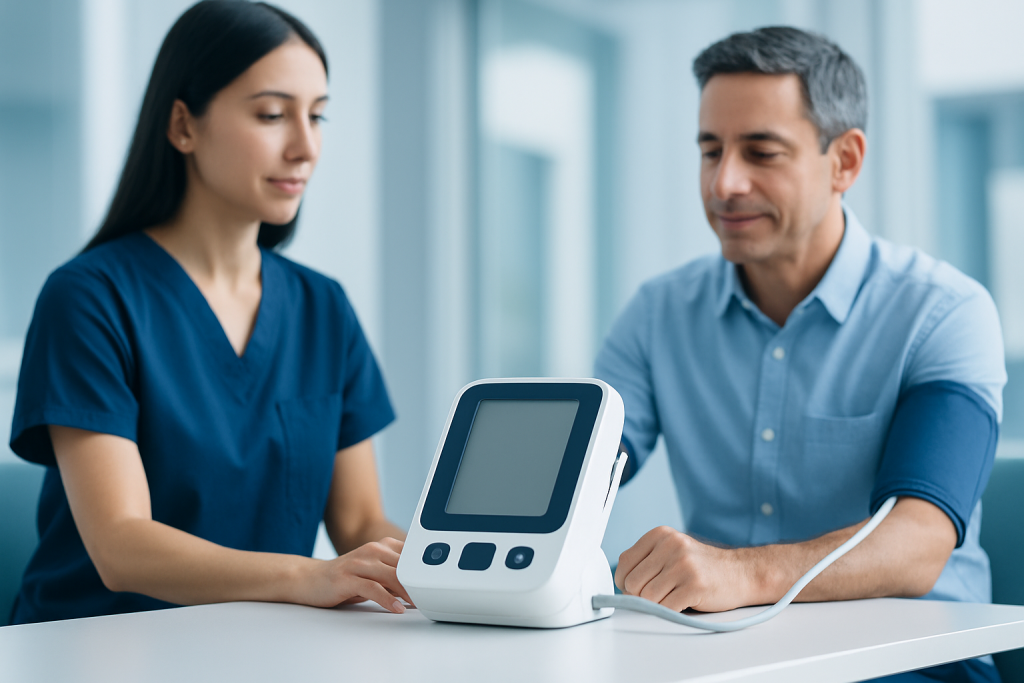
The diastolic value helps describe how much force remains in the arteries when the heart is not actively contracting. If that pressure is too high for long periods, the blood vessels may be under strain. If it is unusually low, some people may not feel well, especially if the drop affects blood flow to the brain, kidneys, or heart.
Blood pressure is not fixed. It can rise during exercise, anxiety, pain, caffeine use, or a rushed appointment, and it can fall after rest, hydration, or medication. Because of this natural variability, doctors usually prefer repeated readings taken under similar conditions before deciding whether there is a problem.
It also helps to remember that “normal” is not a single number for everyone. A reading that is acceptable for one person may be less ideal for another, particularly if there is pregnancy, diabetes, kidney disease, known heart disease, or a history of fainting. The context matters as much as the number itself.
Common symptoms and what they may feel like

Many people with abnormal diastolic blood pressure do not feel any symptoms at all. That is one reason blood pressure is often called a silent finding. A person may only notice the issue during a routine check, a pharmacy reading, or a home-monitoring session.
When symptoms do occur, they may be nonspecific. Low diastolic pressure can sometimes be associated with lightheadedness, fatigue, blurred vision, weakness, or feeling faint when standing up. High diastolic pressure may not cause obvious symptoms, although some people report headaches, a flushed feeling, or a sense of pressure.
Symptoms alone cannot confirm the cause. For example, dizziness may come from dehydration, anemia, inner ear problems, or medication effects rather than blood pressure itself. That is why persistent symptoms should be assessed in a medical setting rather than guessed at from home readings alone.
- Lightheadedness or near-fainting
- Fatigue or reduced exercise tolerance
- Headache or visual discomfort
- Shortness of breath or chest discomfort in some cases
- No symptoms at all despite an abnormal reading
Causes and risk factors
High diastolic blood pressure is commonly linked with chronic hypertension. Risk can increase with family history, excess salt intake, weight gain, inactivity, smoking, stress, sleep problems, and certain medical conditions such as kidney disease or endocrine disorders. Some medicines, including some cold remedies and pain relievers, may also affect readings in certain people.
Low diastolic blood pressure may occur with dehydration, blood loss, heart rhythm problems, valve disease, medication effects, or conditions that reduce circulation. Older adults can be more sensitive to low diastolic values, especially if the arteries are stiff and the lower number falls too far while the upper number remains high. In that situation, the heart may receive less blood during its resting phase.
Sometimes the issue is not disease but measurement circumstances. An improperly sized cuff, crossed legs, talking during the reading, recent exercise, nicotine, or a full bladder can all alter the result. Before drawing conclusions, it is wise to check whether the measurement was done correctly and whether it was repeated after a few minutes of rest.
How it is diagnosed
Diagnosis begins with an accurate blood pressure measurement. In clinic, the person is usually seated quietly with feet on the floor and the arm supported at heart level. Home readings can be helpful too, especially when taken at the same time each day with a validated device and a proper cuff size.
If the numbers remain unusual, a clinician may ask for a log of readings over several days or recommend ambulatory blood pressure monitoring. This test measures blood pressure at intervals over 24 hours and can reveal patterns that a single office visit may miss, such as white-coat hypertension or blood pressure that drops too low at certain times.
Depending on the pattern, further tests may be ordered to look for underlying causes or organ effects. These may include blood tests, urine tests, ECG, or imaging when needed. The goal is not only to label the number, but also to understand what is driving it and whether the heart, kidneys, or blood vessels are being affected.
Treatment options
Treatment depends on whether the diastolic value is high, low, or fluctuating, and on whether symptoms or other health issues are present. When blood pressure is mildly abnormal and there are no urgent concerns, doctors often begin with lifestyle changes and careful monitoring. Medication may be added when readings stay elevated or when cardiovascular risk is higher.
For high diastolic blood pressure, treatment may involve a heart-healthy eating pattern, reducing excess sodium, increasing activity as advised, improving sleep, limiting alcohol, and managing stress. If medicine is needed, the choice depends on the full clinical picture rather than the diastolic number alone. People should not stop or adjust prescribed medicines without medical guidance, because abrupt changes can make blood pressure harder to control.
For low diastolic blood pressure, the focus is on identifying and correcting the cause. This may mean reviewing medicines, improving hydration, treating anemia, or addressing a heart-related issue. In some cases, a doctor may advise slower position changes, more frequent fluid intake, or other individualized steps to reduce dizziness and improve safety.
International patients often benefit from coordinated evaluation when readings do not make sense or when several conditions overlap. In that setting, multidisciplinary teams can compare home logs, hospital measurements, and test results from different countries, then build a practical plan for follow-up after travel.
Prevention and self-care
Healthy habits support stable blood pressure and overall cardiovascular health. A balanced diet rich in vegetables, fruit, whole grains, lean proteins, and unsalted or minimally processed foods can help, as can regular physical activity suited to the person’s ability. Sleep, hydration, and stress management also play a quiet but meaningful role.
For people monitoring at home, consistency matters. The reading should ideally be taken after resting for a few minutes, with the arm supported, legs uncrossed, and no talking during the measurement. It is useful to record the time, reading, pulse if available, and any symptoms or recent factors such as caffeine, exercise, or missed medication.
It can also help to prepare for follow-up in advance, especially when care is being coordinated across borders. Keeping a list of medications, prior diagnoses, and recent blood pressure logs makes consultations more efficient and lowers the chance of confusion when different clinics use different measurement settings.
- Use a validated home monitor with the correct cuff size
- Measure at similar times and under similar conditions
- Track repeated readings instead of reacting to one number
- Follow the treatment plan agreed on with the clinician
- Bring a medication list and records to every appointment
When to see a doctor
A doctor should review blood pressure readings that stay consistently high or low, even if the person feels well. Repeated abnormal diastolic values can be a sign of an underlying issue that deserves attention before it affects the heart, brain, or kidneys.
Medical advice is especially important if abnormal readings come with chest pain, shortness of breath, fainting, severe dizziness, new confusion, weakness on one side of the body, trouble speaking, or a sudden severe headache. These symptoms need prompt assessment rather than observation at home.
Even without urgent symptoms, follow-up is sensible if home measurements vary widely, if medication side effects are suspected, or if a person has diabetes, kidney disease, pregnancy, or known cardiovascular disease. In such cases, a personalized plan is often better than trying to interpret the numbers alone. Acibadem Health Point’s multidisciplinary specialists and JCI-accredited hospitals can diagnose and treat blood pressure-related conditions for international patients in a coordinated setting.
Living with blood pressure monitoring across countries
For people who travel for care or split time between countries, blood pressure management works best when the plan is simple and portable. Using the same style of home monitor, keeping digital or paper logs, and sharing test results from earlier visits can help different doctors interpret the readings in the same way.
It is also useful to understand that blood pressure can look different in different environments. Travel stress, sleep disruption, changes in diet, and altered routines may temporarily affect readings. A good follow-up plan leaves room for these realities while still taking repeated abnormalities seriously.
With a thoughtful approach, diastolic blood pressure becomes less of a mystery and more of a useful health signal. The number itself is only one part of the picture, but when interpreted correctly, it can guide simple habits, timely medical review, and more confident long-term care.
Frequently asked questions
01What is diastolic blood pressure in simple terms?
It is the lower number in a blood pressure reading and shows the pressure in the arteries when the heart is resting between beats. Clinicians use it together with the upper number to understand overall blood pressure status.
02Is a low diastolic number always dangerous?
Not always. Some people have a lower reading without major problems, but persistently low values can matter if they cause dizziness, fainting, or reduced blood flow to important organs.
03Can stress change diastolic blood pressure?
Yes, stress can temporarily raise blood pressure, including the diastolic number. Rest, sleep, and repeated readings in calm conditions help show whether the change is temporary or ongoing.
04Why do home and clinic readings sometimes differ?
Differences can happen because of anxiety, activity before the visit, measurement technique, or device variation. A home log or ambulatory monitoring can help clarify the true pattern.
05What should someone do after one abnormal reading?
A single unusual reading usually should be repeated after a few minutes of rest and checked again on another occasion. If the number stays abnormal or symptoms are present, medical advice is appropriate.
06Can lifestyle changes improve diastolic blood pressure?
Yes, healthy eating, regular activity, less sodium, better sleep, and avoiding tobacco can help support healthier blood pressure. The best plan depends on the person’s age, health conditions, and overall cardiovascular risk.
This article is for general information only and is not a substitute for professional medical advice. Please consult a qualified doctor about your individual situation.
Heart care in Turkey — expert evaluation and treatment
JCI-accredited · board-certified surgeons · reply within 24h
Add us as a Preferred Source to see more of our trusted health content across Google Search, AI Overviews and Discover.