Deviated Septum Surgery Recovery: When Breathing Improves
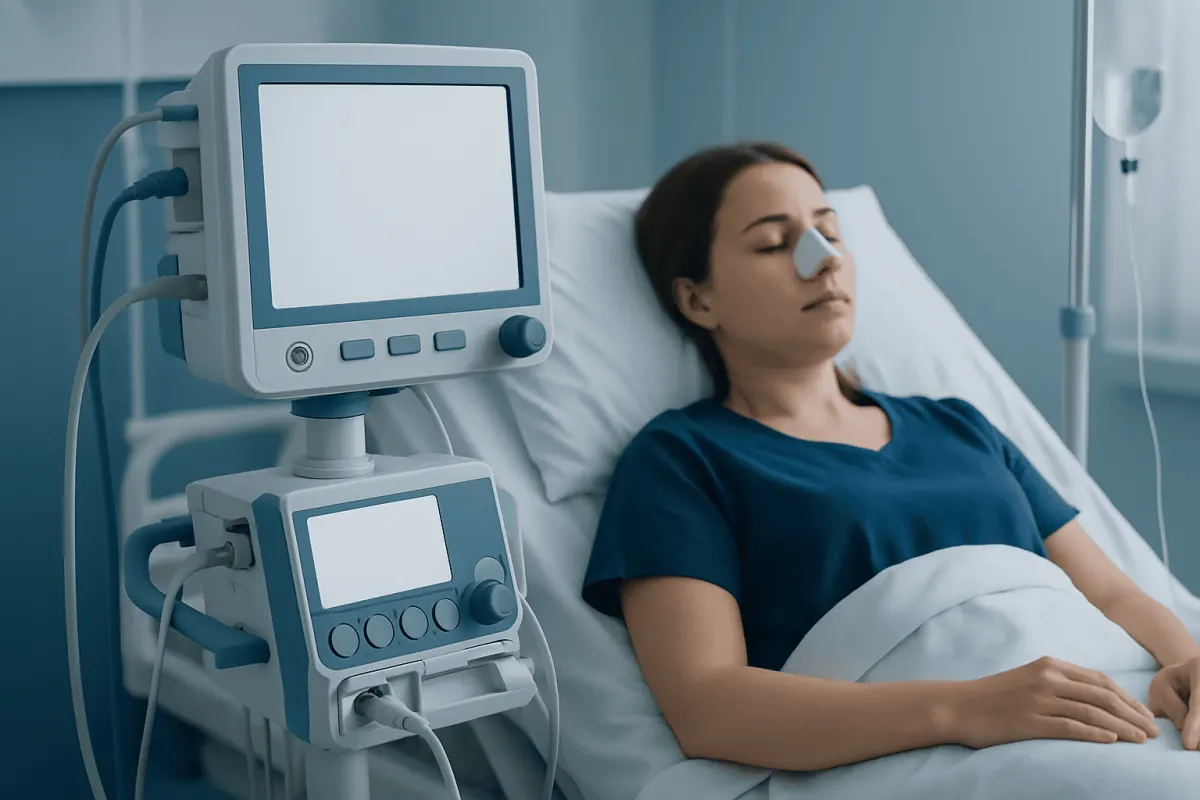
Deviated Septum Surgery: What to Expect" class="ahp-ilk">Deviated septum surgery recovery is usually manageable with rest, nasal care, and follow-up visits. Most people return to lighter daily activities within about a week, while internal healing and breathing improvements continue over the following weeks to months.
Overview: What to Expect From Deviated Septum Surgery Recovery
Deviated septum surgery recovery usually involves a short period of rest followed by gradual return to normal activities. During the first week, nasal blockage, mild bloody drainage, facial pressure, tiredness, and discomfort are common; most people feel ready for desk-based work or school after about 7 to 10 days, depending on the procedure and their individual recovery.
The operation used to straighten the nasal septum is called septoplasty. The septum is the wall of bone and cartilage separating the right and left nasal passages. When it is significantly bent, it may contribute to nasal obstruction, recurrent sinus symptoms, snoring, or difficulty using nasal treatments. Septoplasty reshapes or repositions the structures inside the nose to improve airflow.
Recovery is not identical for everyone. Healing may be slower if septoplasty is combined with turbinate reduction, sinus surgery, repair after injury, or cosmetic nasal surgery. A surgeon’s individual instructions should always take priority over general guidance, especially regarding medicines, activity, nasal rinses, and travel.
How Septoplasty Works and Who May Be a Candidate
Septoplasty is performed through the nostrils, so there is usually no visible external incision. The surgeon gently lifts the lining covering the septum, adjusts the bent cartilage and bone, and preserves enough structural support for the nose. The lining is then repositioned, often with dissolvable stitches; some patients also have soft internal splints for a short time.
A person may be considered for surgery when a deviated septum causes persistent blockage on one or both sides, affects sleep or exercise, contributes to recurrent sinus problems, or makes other nasal care difficult. Symptoms can overlap with allergies, enlarged turbinates, nasal polyps, or sinus disease, so an ear, nose, and throat assessment is useful before deciding on surgery.
Septoplasty is generally considered after appropriate non-surgical measures have been tried when relevant, such as treatment for allergies or inflammation. It cannot treat every cause of congestion, and it does not necessarily resolve snoring or sleep apnea on its own. A clinician can explain whether a septoplasty procedure is likely to address the person’s particular symptoms.
What Happens During the Procedure

Septoplasty is commonly performed as a planned outpatient procedure under general anesthesia, although the anesthesia approach depends on the patient, surgical plan, and local practice. Before surgery, the team reviews medical history, medicines, allergies, bleeding risks, and instructions for eating and drinking before anesthesia.
During the operation, the surgeon works inside the nose to access the septum. Portions of distorted cartilage or bone may be reshaped, moved, or removed, while the remaining tissue is arranged to support a straighter nasal passage. If enlarged turbinates are also reducing airflow, turbinate surgery may be done at the same time.
Afterward, patients spend time in a recovery area while anesthesia wears off. They usually need an adult to take them home and stay with them initially. Nasal packing is not used in every case, but temporary splints or dressings may create a blocked-nose sensation until they are removed or dissolve.
The expected benefit is improved nasal airflow once swelling settles. Other possible benefits include easier sleep, exercise, and use of nasal sprays or rinses. Results develop gradually rather than immediately, because the nose is swollen and healing in the early weeks.
Deviated Septum Surgery Recovery Timeline
The first 24 to 72 hours: Fatigue from anesthesia, congestion, mild pressure, and light blood-stained drainage are expected for many people. Keeping the head elevated, changing the drip pad as instructed, resting, drinking fluids, and using prescribed or recommended pain relief can support comfort. It is important not to blow the nose unless the surgeon specifically permits it.
Days 4 to 7: Nasal stuffiness may feel most noticeable during this period because swelling and dried blood or mucus can build up. A follow-up appointment may be scheduled to remove splints, packing, or crusting. Saline spray or rinsing may be advised, but the exact timing and technique should follow the surgical team’s instructions.
Weeks 2 to 4: Many people can resume usual light routines and often notice gradually improving airflow. Some intermittent blockage, crusting, numbness around the upper teeth or nose, or altered smell can still occur. Strenuous exercise, heavy lifting, swimming, and activities with a risk of facial impact may need to wait longer.
One to three months and beyond: Most visible swelling and internal irritation continue to settle, and breathing typically becomes more consistent. The final sense of airflow may take several months, particularly after combined nasal procedures. Follow-up appointments allow the clinician to monitor healing and address scar tissue, persistent inflammation, or other concerns.
How Long Should I Rest After Deviated Septum Surgery?
Most people should plan for several quiet days at home after septoplasty and should avoid work, school, driving, or important decisions while recovering from anesthesia or taking sedating pain medicine. Around one week away from desk-based work is common, but some people need 10 to 14 days, especially if their work is physically demanding or if additional nasal surgery was performed.
Rest does not mean complete bed rest. Short, gentle walks around the home can help circulation and are usually appropriate when the person feels steady. However, bending forward, lifting heavy objects, intense exercise, and anything that raises blood pressure can increase swelling or bleeding and should be avoided until cleared by the surgeon.
People should arrange support for the first day after surgery, prepare soft foods and saline supplies if recommended, and allow flexibility in their schedule. Returning too quickly to exertion can be uncomfortable and may delay recovery. The safest return-to-activity plan is individualized at the postoperative review.
What's the Worst Day After Septoplasty?
There is no single worst day for everyone, but many patients find days 2 to 4 the most uncomfortable. At this point, anesthesia has fully worn off and swelling, congestion, and pressure may be more noticeable. If splints or packing are present, the feeling of a blocked nose can be especially frustrating.
For most people, discomfort is manageable with the care plan provided by the surgical team. The nose may feel similar to having a heavy cold, and mouth breathing can cause dry lips, sore throat, or disturbed sleep. A humidified room, regular fluids, head elevation, and approved saline care may help.
Pain or blockage that steadily worsens rather than gradually stabilizing, or bleeding that does not slow with the surgeon’s recommended first-aid measures, should be discussed with the care team. Patients should not insert tissues, cotton buds, or other objects into the nose to remove crusts.
Is Fixing a Deviated Septum a Big Surgery?
Septoplasty is a common, planned nasal operation and is often performed as day surgery. It is still a real surgical procedure involving anesthesia, internal tissue healing, and a period of activity restrictions. Whether it feels like “big surgery” depends partly on the extent of the septal deviation, whether other procedures are combined with it, and the person’s overall health.
Compared with operations involving external incisions or longer hospital stays, isolated septoplasty generally has a relatively short initial recovery. However, patients should take postoperative instructions seriously because the inside of the nose remains delicate while it heals. Full benefit is not immediate, and it is normal for breathing to fluctuate during the first several weeks.
Potential risks include bleeding, infection, persistent obstruction, septal perforation (a hole in the septum), changes in nasal shape, altered sensation, scar tissue, and the possible need for further treatment. Serious complications are uncommon, but discussing individual risks before consent is an essential part of surgical planning.
What I Wish I Knew Before Septoplasty
Many patients are surprised that the nose may feel more blocked before it feels better. Surgery corrects the underlying structural problem, but swelling, splints, dried blood, and mucus can temporarily limit airflow. Planning for this temporary congestion can make the early recovery period less stressful.
It is also helpful to know that septoplasty does not cure allergies or every cause of nasal symptoms. If allergy, chronic sinus inflammation, sleep apnea, or nasal valve narrowing is also present, additional treatment may still be needed. A careful preoperative assessment helps establish realistic expectations about what surgery can and cannot improve.
Before surgery, patients should clarify practical details: when to stop or restart medicines, whether someone must stay overnight, how to clean the nose, when splints will be removed, and when flying or exercise is safe. They should also ask which symptoms are normal and how to contact the care team outside regular hours.
For international patients, Acıbadem Health Point’s multidisciplinary specialists and JCI-accredited hospitals can assess nasal obstruction and provide treatment planning and follow-up support. An individualized consultation is the best way to understand the expected recovery after septoplasty.
When to Seek Medical Care
Contact the surgical team promptly for bleeding that is heavy, persistent, or does not improve with the instructions provided after surgery. Medical advice is also important for fever, worsening swelling or redness, increasing pain that is not controlled by the agreed care plan, foul-smelling discharge, or signs of dehydration from difficulty drinking.
Urgent medical assessment is needed for trouble breathing, chest pain, fainting, significant swelling around the eyes, vision changes, severe headache, confusion, or clear watery drainage that is continuous and unusual. These symptoms are not expected parts of routine recovery and should not be managed by waiting at home.
Even without warning signs, patients should attend scheduled follow-up visits. The clinician can assess healing, remove splints if needed, advise on returning to exercise, and discuss ongoing congestion or symptoms that have not improved as expected.
Frequently asked questions
01How long does it take to breathe normally after septoplasty?
Breathing may feel worse during the first several days because of swelling, dried blood, and possible internal splints. Many people notice improvement over 2 to 4 weeks, while more complete healing and stable airflow can take several months. Recovery is longer when septoplasty is combined with other nasal procedures.
02Can I sleep on my side after deviated septum surgery?
Many surgeons recommend sleeping with the head elevated for the first several days to reduce swelling and bleeding. Side sleeping may be acceptable later, but instructions differ depending on the procedure and whether splints or additional nasal surgery were performed. The surgical team should provide the safest advice for the individual patient.
03What should I avoid after septoplasty?
Patients are commonly advised to avoid nose blowing, heavy lifting, strenuous exercise, smoking, alcohol while using certain medicines, and activities that could injure the nose during early healing. They should also avoid taking medicines that can increase bleeding unless their clinician has approved them. Specific restrictions and their duration should come from the surgeon.
04How painful is deviated septum surgery recovery?
Most people describe pressure, congestion, and soreness rather than severe pain. Discomfort is often greatest during the first few days and generally improves with rest and the recommended pain-management plan. Severe or worsening pain should be reported to the care team.
05Will my nose look different after septoplasty?
Septoplasty is designed to improve the internal septum and typically does not intentionally change the outside appearance of the nose. Small appearance changes are possible, particularly in complex cases or when the operation is combined with cosmetic or reconstructive nasal surgery. This should be discussed before surgery as part of informed consent.
06Can a deviated septum come back after surgery?
The corrected septum usually remains improved, but symptoms can persist or recur for different reasons, including allergies, turbinate enlargement, scar tissue, ongoing inflammation, or a new nasal injury. In some cases, residual or recurrent septal deviation may require further assessment. Follow-up with an ear, nose, and throat specialist can identify the cause of continued blockage.
This article is for general information only and is not a substitute for professional medical advice. Please consult a qualified doctor about your individual situation.
Explore treatments in Turkey — costs, top hospitals & a free quote
JCI-accredited · board-certified surgeons · reply within 24h
Add us as a Preferred Source to see more of our trusted health content across Google Search, AI Overviews and Discover.