Dermoid Cyst: Symptoms, Causes and Treatment

Key Takeaways
- Dermoid cysts are usually noncancerous and often grow slowly.
- They can occur in the skin, ovaries, and less commonly in other body areas.
- Many dermoid cysts are found during routine exams or imaging done for another reason.
- Treatment may involve observation or surgical removal, depending on symptoms and location.
- A doctor should evaluate any new, enlarging, painful, or changing lump or pelvic symptom.
A dermoid cyst is a usually benign growth that can contain skin-like tissue, hair, or other structures. It may be found in different parts of the body, and the best treatment depends on its location, size, and whether it is causing symptoms.
Overview
A dermoid cyst is a growth that forms when tissue that normally belongs in one area of the body becomes trapped in another. These cysts are usually benign, meaning they are not cancer, and they often develop slowly over time. Depending on where they appear, they may stay quiet for years or become noticeable because of pressure, discomfort, or a visible lump.
The term can refer to cysts in different parts of the body, but the most familiar types are skin dermoid cysts and ovarian dermoid cysts. In each case, the cyst may contain tissue such as skin cells, hair, or oil glands. That unusual makeup is what gives dermoid cysts their name and makes them different from many other cysts.
For patients deciding whether to seek care at home or while traveling, the main point is simple: a dermoid cyst is usually treatable, and evaluation does not have to be rushed in panic. What matters is getting the right diagnosis, understanding the location of the cyst, and choosing a plan that fits symptoms, age, and future health goals.
Symptoms
Some dermoid cysts cause no symptoms at all and are discovered by chance during an examination or imaging test. Others become noticeable because they create a lump under the skin or pelvic pressure, depending on their location. The symptoms tend to reflect size and position more than the cyst itself.
Skin-related dermoid cysts may appear as a firm, round lump that moves slightly under the skin. Ovarian dermoid cysts may cause a feeling of fullness in the lower abdomen, bloating, pelvic pain, or discomfort during activity. In some people, the cyst is only recognized after an ultrasound or scan done for another reason.
- A painless lump under the skin
- Localized tenderness or pressure
- Pelvic heaviness or bloating
- Occasional abdominal discomfort
- Visible swelling if the cyst is near the surface
Symptoms can change if a cyst grows, twists nearby structures, or becomes inflamed. Because these changes can overlap with many other conditions, a medical assessment is usually needed to tell the difference.
Causes & Risk Factors

Dermoid cysts develop from embryonic cells or trapped skin-related tissue that remains in an abnormal location. This is why they are often described as congenital, even when they are not noticed until later in childhood or adulthood. The exact reason a particular dermoid cyst forms is not always known.
Some dermoid cysts are present from birth but stay small and unnoticed for years. Others are found later because they slowly enlarge or because imaging reveals them incidentally. The location of the cyst often depends on where the tissue became trapped during early development.
There are no clear lifestyle causes for dermoid cysts, and people do not develop them because of diet, exercise, or routine daily activities. Risk is more related to anatomy and development than to behavior. In ovarian dermoid cysts, age and reproductive history may influence how often they are discovered, but they are not caused by a single preventable exposure.
Because these cysts can occur in different organs, risk factors and possible effects vary. A lump near the skin surface is often easier to notice, while a cyst inside the pelvis may remain hidden until it reaches a certain size or creates symptoms.
Diagnosis
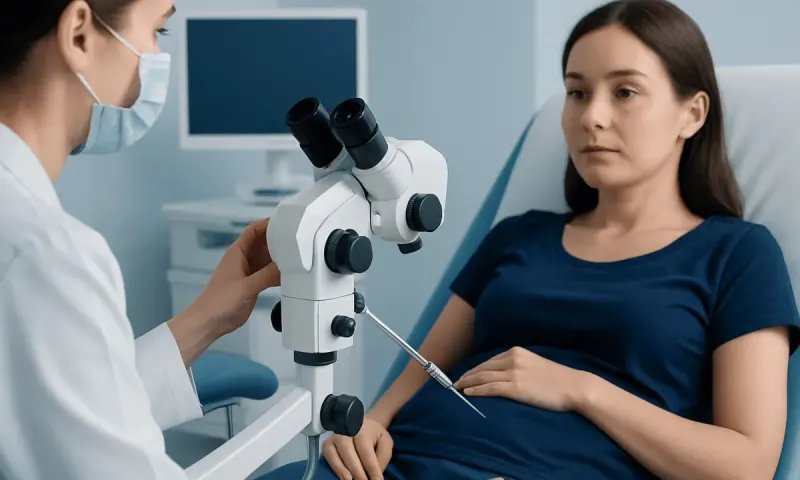
Diagnosis usually begins with a clinical exam and a conversation about when the lump was first noticed, whether it is changing, and what symptoms are present. For a cyst under the skin, a doctor may examine its size, mobility, and tenderness. For a pelvic mass, the evaluation may include a pelvic exam and imaging.
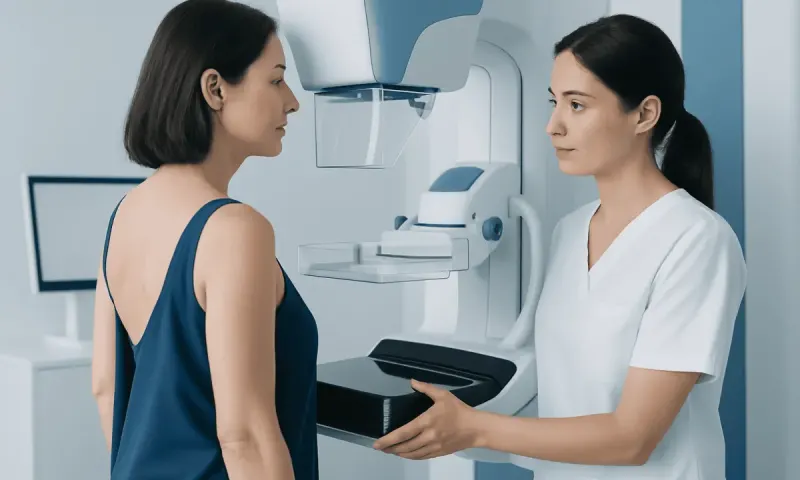
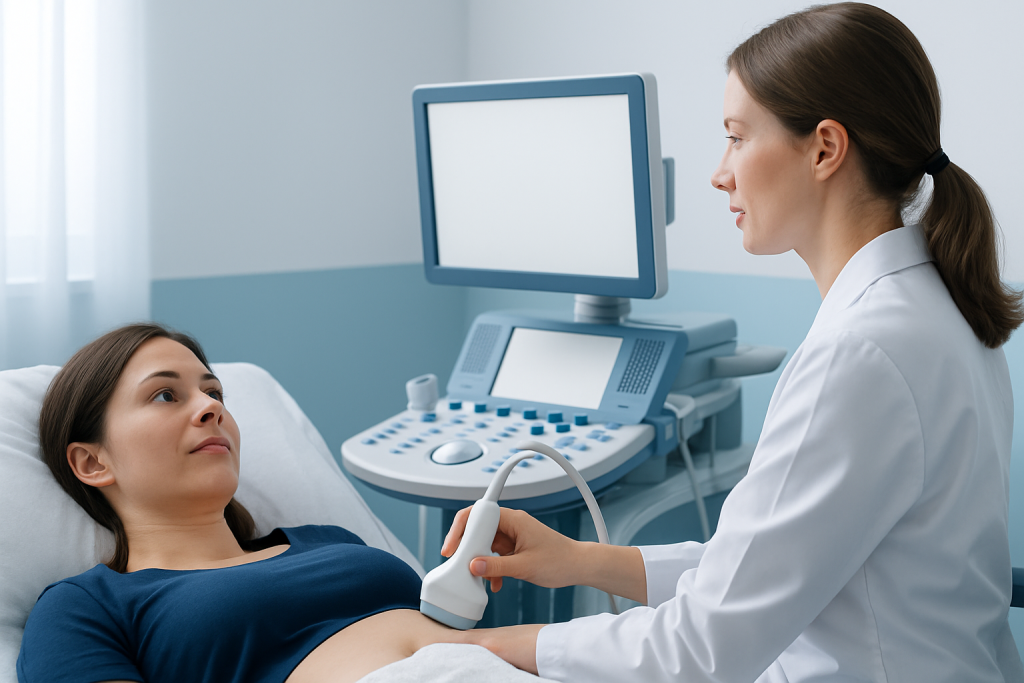
Ultrasound is commonly used to look at cysts in the pelvis because it can show whether a growth is cystic and whether it has features that suggest a dermoid cyst. In some situations, MRI or CT imaging may be recommended to give a clearer picture of the cyst’s contents and exact location. These tests help guide whether observation or surgery is the better path.
Doctors also consider other conditions that can look similar, such as other benign cysts, lipomas, abscesses, or ovarian masses with different causes. When a cyst is removed, it is usually sent to pathology so its contents can be examined under a microscope. That final step confirms the diagnosis and helps rule out less common concerns.
Treatment Options
Treatment depends on where the dermoid cyst is, how large it is, and whether it is causing problems. Some small, symptom-free cysts may be watched over time with periodic follow-up. This approach is often reasonable when imaging suggests a benign appearance and the cyst is not pressing on nearby structures.
Surgical removal is often recommended when a dermoid cyst is painful, enlarging, at risk for complications, or creating cosmetic or functional concerns. In ovarian cases, the goal of surgery is usually to remove the cyst while preserving as much healthy ovarian tissue as possible. The specific surgical approach may be minimally invasive or open, depending on the size and location of the cyst and the surgeon’s assessment.
Patients traveling for treatment may benefit from a coordinated plan that includes imaging review, surgery scheduling, recovery guidance, and follow-up before they return home. If surgery is performed, the recovery plan may include wound care, activity limits, and a timeline for pathology results. For Myomectomy Recovery: Healing Time, Activity Limits, and Fertility Planning" class="ahp-ilk">Myomectomy Recovery for International Patients: The Usual Travel Timeline" class="ahp-ilk">international patients, that planning is especially helpful because follow-up often needs to be clear and organized before travel.
In rare cases, urgent treatment may be needed if a cyst twists, ruptures, or causes sudden severe pain. These situations are not the norm, but they are reasons doctors take new symptoms seriously and evaluate them without delay.
Prevention & Self-care
Dermoid cysts generally cannot be prevented because they arise from developmental tissue changes rather than a modifiable habit or exposure. That said, people can still play an active role in noticing changes early and keeping care on track. Paying attention to a new lump, persistent bloating, or a cyst that seems to be growing can make evaluation smoother and less stressful.
Self-care is mostly about monitoring and following medical advice. People who are told to observe a cyst should keep appointments, note any new pain or swelling, and ask whether repeat imaging is needed. If surgery is planned, practical preparation matters: arranging transportation, understanding wound care, and planning a realistic recovery period.
- Track changes in size, pain, or firmness
- Attend recommended follow-up visits and scans
- Use only doctor-approved pain relief after treatment
- Limit strenuous activity if advised after surgery
- Seek clarification before traveling if follow-up is pending
Simple habits can improve comfort, but they do not make a dermoid cyst disappear. The safest approach is to treat it as a condition that deserves steady observation and timely medical guidance.
When to See a Doctor
Medical review is appropriate if a lump is new, persistent, enlarging, painful, or changing in appearance. A pelvic cyst should also be checked if it is associated with bloating, pressure, menstrual changes, or unexplained discomfort. Even when symptoms are mild, an expert evaluation can help determine whether the cyst is likely benign and whether it needs treatment now or later.
Urgent care is important if there is sudden severe abdominal or pelvic pain, vomiting, fever, or a lump that becomes red, hot, or very tender. These symptoms can signal a complication or a different condition that needs prompt attention. It is better to have a clinician assess the situation rather than assume it is harmless.
For patients living abroad, it is reasonable to start with a local doctor and bring imaging results or reports to a specialist who can confirm the diagnosis and explain next steps. Acibadem Health Point also works with multidisciplinary specialists and JCI-accredited hospitals to diagnose and treat dermoid cysts for international patients who need coordinated care.
When a dermoid cyst is confirmed, the next decision is usually not about urgency alone, but about the most appropriate timing and method of care. A clear plan can reduce uncertainty and help patients move forward with confidence.
Living With a Dermoid Cyst
Many people live comfortably with a dermoid cyst for some time, especially when it is small and closely monitored. Understanding the diagnosis often brings relief, because the word “cyst” can sound vague until a doctor explains what is actually being seen on imaging or exam. Knowing that most dermoid cysts are benign helps patients focus on practical next steps rather than fear.
Living with the condition is usually a matter of follow-up, symptom awareness, and deciding whether surgery is worthwhile. Some patients choose removal because the cyst is bothersome or because they want a definitive answer. Others prefer observation if the cyst is stable and not affecting daily life.
The best plan is the one that matches the person’s age, symptoms, location of the cyst, fertility goals when relevant, and travel schedule. A good consultation should leave the patient with a clear understanding of what the cyst is, what to watch for, and when to return for review.
Frequently asked questions
01Is a dermoid cyst cancerous?
Most dermoid cysts are benign and not cancerous. A doctor may still recommend imaging or removal to confirm the diagnosis and prevent future problems.
02Can a dermoid cyst go away on its own?
Dermoid cysts usually do not disappear on their own. Some can be monitored if they are small and not causing symptoms, but many remain present unless removed.
03What does a dermoid cyst feel like?
A skin dermoid cyst often feels like a firm, round lump under the skin. In the pelvis, it may feel less obvious and instead cause fullness, pressure, or pain.
04How is an ovarian dermoid cyst found?
It is often found on an ultrasound or other imaging test, sometimes during a routine exam or a workup for another symptom. In many cases, the cyst is discovered before it causes major discomfort.
05Does surgery always mean the ovary must be removed?
Not always. Surgeons often try to remove the cyst while preserving healthy ovarian tissue when that is safely possible, especially in patients who want to maintain fertility.
06Can a dermoid cyst come back after treatment?
Recurrence is possible in some cases, which is why follow-up matters after treatment. The risk depends on the cyst’s location, the type of surgery, and the individual’s overall situation.
This article is for general information only and is not a substitute for professional medical advice. Please consult a qualified doctor about your individual situation.
Hair transplant in Turkey — costs, graft counts & a free assessment
JCI-accredited · board-certified surgeons · reply within 24h
Add us as a Preferred Source to see more of our trusted health content across Google Search, AI Overviews and Discover.