Dentistry Bridges vs Implants: Key Differences Explained

Key Takeaways
- Dental bridges replace missing teeth by anchoring to neighboring teeth or implants; dental implants replace the tooth root with a post placed in the jawbone.
- Implants usually preserve nearby teeth better, while bridges can be completed faster and may suit some patients who are not ideal surgical candidates.
- The best choice depends on bone health, the condition of nearby teeth, oral hygiene, budget, timeline, and overall medical history.
- Both options need careful planning and long-term maintenance to reduce complications such as decay, gum disease, or implant failure.
- A dentist or prosthodontist can help match the treatment to the person’s bite, smile goals, and future oral health needs.
Dentistry bridges vs implants is a common comparison for people replacing one or more missing teeth. Both can restore chewing, speech, and appearance, but they differ in how they are placed, how long they last, and what they require from surrounding teeth and bone.
Overview
When people compare dentistry bridges vs implants, they are usually trying to answer a practical question: which option replaces a missing tooth in the most reliable way for their mouth, schedule, and long-term plans? The short answer is that both can work well, but they solve the problem differently. A bridge spans the gap by resting on teeth beside it, while an implant is placed into the jawbone and supports a crown from below.
That difference matters. Bridges can be a good solution when nearby teeth already need crowns or when treatment needs to move more quickly. Implants are often preferred when the goal is to replace a tooth without altering healthy neighboring teeth, and when the jawbone is strong enough to support surgery and healing.
For international patients, the decision is not only about the tooth itself. It also involves travel plans, time available for healing, follow-up visits, and whether the patient may need additional procedures such as bone grafting or gum care before a final restoration can be placed. A thoughtful treatment plan starts with those details, not with the product name alone.
Symptoms and Signs a Tooth Needs Replacement
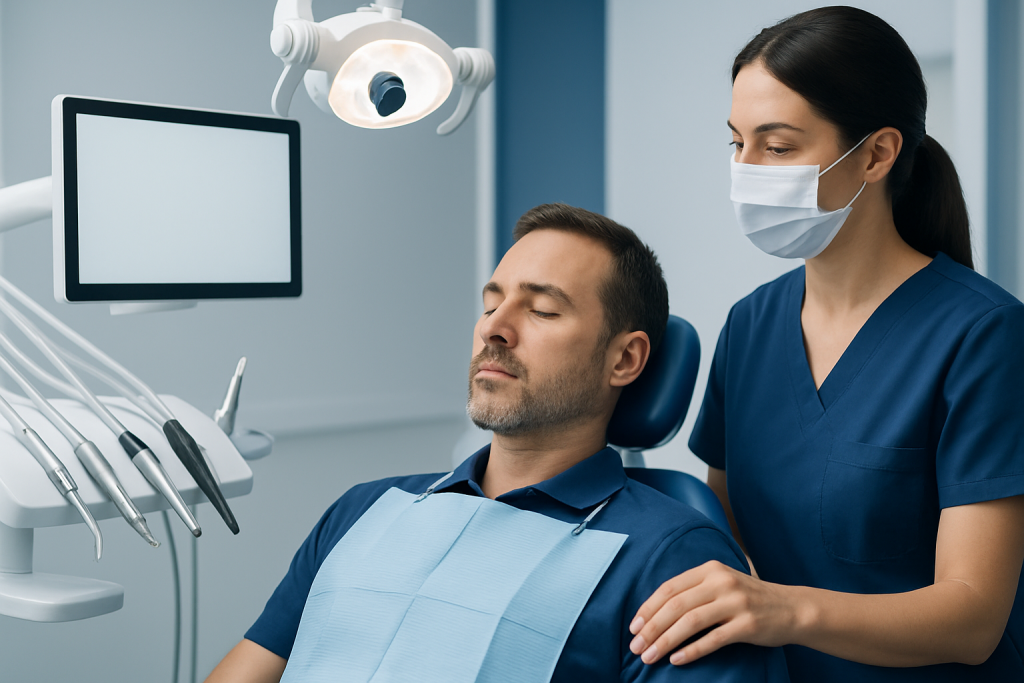
A missing tooth is the most obvious sign that replacement may be needed, but it is not the only one. Sometimes a tooth is still present yet cannot be saved because of extensive decay, fracture, infection, or advanced gum disease. In those cases, the treatment conversation often becomes similar to the one for a missing tooth.
Common concerns that lead people to ask about bridges or implants include difficulty chewing, food trapping, changes in speech, visible gaps, or neighboring teeth drifting into empty space. The bite may also feel uneven, which can place extra stress on teeth farther back in the mouth.
Some people notice less obvious changes, such as jaw discomfort or a sense that the face looks slightly different over time. These changes do not always mean an implant is required, but they do suggest that the missing tooth should be evaluated rather than ignored.
Causes and Risk Factors

Tooth loss can happen for many reasons. Decay, trauma, gum disease, wear, and past failed dental work are among the most common. In some cases, a tooth must be removed to protect surrounding tissues or because it can no longer be restored safely.
The choice between a bridge and an implant is influenced by more than the missing tooth itself. The condition of adjacent teeth, the amount of bone left in the jaw, and the health of the gums all affect whether one option is more suitable than the other. A bridge depends on the stability of nearby teeth, while an implant depends on enough bone and a healthy environment for healing.
Certain health factors can also influence planning, including smoking, uncontrolled diabetes, immune suppression, and medications that affect bone or healing. These do not automatically rule out treatment, but they do mean the dental team should take a careful, individualized approach.
Diagnosis and Treatment Planning
Before recommending a bridge or an implant, the dentist usually examines the mouth, reviews medical history, and takes imaging such as X-rays or a 3D scan. The goal is not only to confirm where the tooth is missing, but also to understand the condition of the bone, roots, bite, and surrounding gums.
For a bridge, the dentist looks closely at the teeth on either side of the gap. If those teeth are already weakened or need crowns, a bridge may be efficient because it uses work that the patient likely needs anyway. If the neighboring teeth are healthy and untouched, the dentist may discuss whether preserving them matters more than the speed of treatment.
For an implant, the team checks whether the jawbone is thick and strong enough to support a post. If not, extra steps such as bone grafting or sinus-related procedures may be discussed. International patients often need this planning done before travel so that the treatment timeline and follow-up visits are realistic.
Treatment Options: Bridges vs Implants
A dental bridge typically involves preparing the teeth beside the gap, taking impressions or digital scans, and placing a custom restoration that fills the empty space. Traditional bridges rely on the natural teeth next to the missing tooth, while some designs are supported by implants. The result is a fixed replacement that stays in place during daily life.
A dental implant follows a different path. A small titanium or ceramic post is placed into the jawbone, then left to integrate with the bone over time. After healing, a connector and crown are attached. Because the implant acts like an artificial root, it can help maintain bone in the area of the missing tooth better than a bridge in many situations.
Each option has strengths and limitations:
- Bridge advantages: usually faster to complete, no surgery in the standard version, may be suitable when neighboring teeth already need crowns.
- Bridge limitations: requires shaping adjacent teeth, can be harder to clean under the middle section, and replacement teeth may wear over time.
- Implant advantages: preserves nearby teeth, can feel very stable, and may help support jawbone health.
- Implant limitations: requires surgery and healing, may need more time, and depends on bone quality and overall health.
Neither treatment is automatically better for every person. The most sensible option is the one that fits the mouth as a whole, not just the visible gap.
Prevention and Self-care
Good home care matters for both bridges and implants. Brushing twice daily, cleaning carefully between teeth, and keeping regular dental visits all help protect the surrounding gums and remaining natural teeth. If the mouth is restored but the gums are neglected, problems can still develop.
People with bridges often need extra attention around the area beneath the false tooth. Special flossing tools, interdental brushes, or water flossers may make that easier. People with implants should focus on gum health around the implant neck, because inflammation around implants can become a long-term issue if it is not addressed early.
Prevention also includes the habits that protect the rest of the mouth. Limiting sugary snacks, avoiding tobacco, wearing a mouthguard if teeth are clenched or sports are played, and treating gum disease early can all reduce the chance that another tooth will be lost later.
When to See a Doctor
A dentist should evaluate a missing tooth, even if chewing still feels manageable. The earlier the area is checked, the more options are usually available. Waiting too long can allow neighboring teeth to drift, the bite to change, or the bone to shrink in the gap.
It is especially important to seek advice if there is pain, swelling, a broken tooth, repeated infection, loose teeth, or trouble chewing on one side. These signs do not always mean urgent treatment, but they do mean the mouth should not be left without assessment.
People considering treatment from another country may benefit from a consultation that includes digital records, a clear healing timeline, and a follow-up plan before travel. Acibadem Health Point’s multidisciplinary specialists and JCI-accredited hospitals diagnose and treat this condition for international patients, with care planning designed around both oral health and practical recovery needs.
Frequently asked questions
01Which lasts longer, a bridge or an implant?
Dental implants often last longer when they are placed successfully and cared for well, because they replace the tooth root and do not rely on neighboring teeth. Bridges can also last for years, but they may need replacement sooner if the supporting teeth or gums change over time. Longevity depends on oral hygiene, bite forces, gum health, and regular dental follow-up.
02Are implants always better than bridges?
Not always. Implants are often preferred when nearby teeth are healthy and the jawbone is suitable, but bridges can be the better choice when adjacent teeth already need crowns or when surgery is not the right fit. The best option depends on the whole mouth, not just the empty space.
03Is a bridge less invasive than an implant?
In the usual form, yes. A bridge does not require implant surgery, although it does involve reshaping the teeth next to the gap. An implant requires a surgical procedure and a healing period before the final crown is attached.
04Can an implant be placed right after tooth removal?
Sometimes it can, but not in every case. Immediate implant placement depends on bone condition, infection control, and whether the area is stable enough for healing. A dentist or oral surgeon must decide this after examining the site and imaging it.
05What if there is not enough bone for an implant?
A lack of bone does not always end the discussion. In some cases, the dentist may recommend bone grafting or may suggest a bridge instead if that is more suitable. The right answer depends on the amount of bone loss, the tooth position, and the person’s overall health.
06How should a person choose between a bridge and an implant?
The choice should be based on a proper dental exam, imaging, and a discussion of long-term goals. People often weigh treatment time, cost, surrounding teeth, bone health, and how much maintenance they are comfortable with. A qualified dentist can explain the trade-offs in a way that matches the individual case.
This article is for general information only and is not a substitute for professional medical advice. Please consult a qualified doctor about your individual situation.
Joint and spine care in Turkey — expert assessment & treatment
JCI-accredited · board-certified surgeons · reply within 24h
Add us as a Preferred Source to see more of our trusted health content across Google Search, AI Overviews and Discover.