

Dental Sealants: Benefits, Procedure and Risks
- 9 min read
- Published November 29, 2026
Key Takeaways
- Sealants form a thin protective barrier over the chewing surfaces of back teeth.
- They are most often recommended for molars and premolars with deep grooves.
- The procedure is quick, painless, and does not require drilling in most cases.
- Sealants work best alongside brushing, flossing, fluoride, and regular dental visits.
- A dentist can help decide whether a child, teen, or adult is a good candidate.
Dental sealants are a simple preventive treatment that helps protect teeth from decay, especially in the deep grooves of back teeth. They are commonly used in children and teens, but some adults may also benefit depending on their cavity risk and tooth structure.
Overview
Dental sealants are a preventive dental treatment designed to lower the chance of cavities forming on the chewing surfaces of back teeth. These teeth have natural pits and grooves that can trap food and plaque, even when someone brushes carefully. A sealant creates a thin coating over those surfaces, making them easier to keep clean.
For many families, sealants are one of the simplest ways to support long-term oral health. They are especially helpful during childhood and the teenage years, when newly erupted molars are more vulnerable to decay. Adults can also be considered for sealants if their back teeth have deep grooves or if they are more prone to cavities.
In everyday practice, sealants are part of prevention rather than repair. They do not treat existing decay, and they are not a substitute for brushing, flossing, fluoride, or routine dental checkups. Instead, they work alongside those habits to reduce the chance that small problems turn into larger ones later.
Symptoms
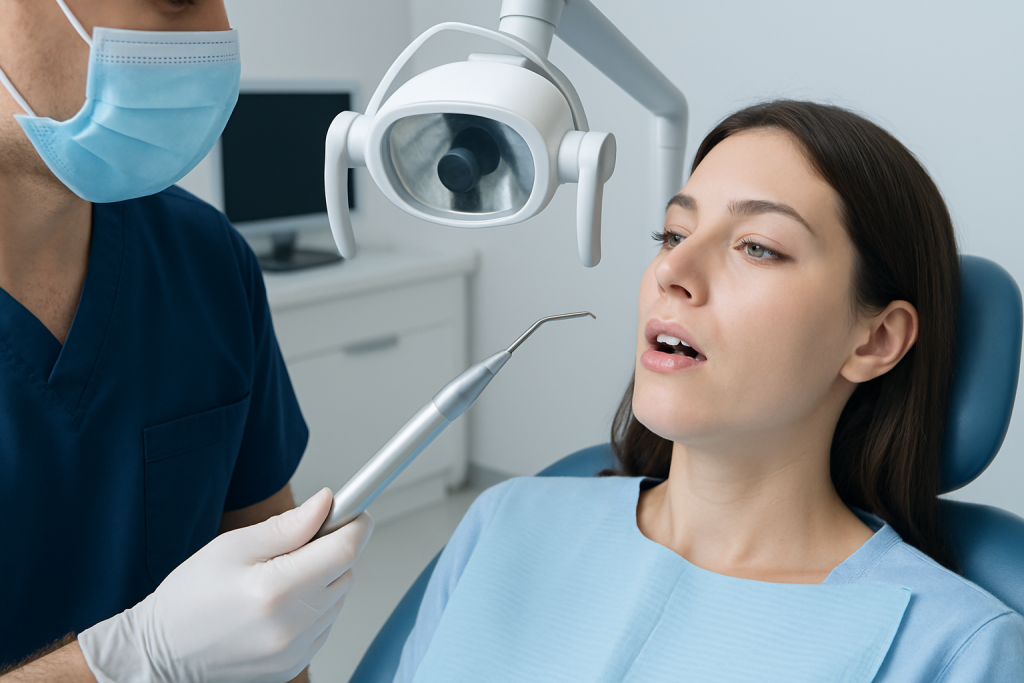
Dental sealants do not usually have symptoms because they are a preventive measure rather than a treatment for pain or infection. A person typically cannot feel a sealant once it has been placed, and the tooth should continue to feel normal afterward. The goal is to protect a tooth before discomfort ever begins.
The reason sealants are often discussed is not because a patient notices a problem, but because a dentist sees risk factors during an examination. Deep grooves, early signs of plaque buildup, or a history of cavities may prompt a conversation about preventive protection. In some cases, parents ask about sealants when a child’s permanent molars first come in, since that is an ideal time to consider them.
If a tooth already has pain, sensitivity, a visible hole, or dark staining, that may point to a cavity rather than a need for sealant alone. Those changes deserve a dental evaluation so the right treatment can be planned.
Causes & Risk Factors
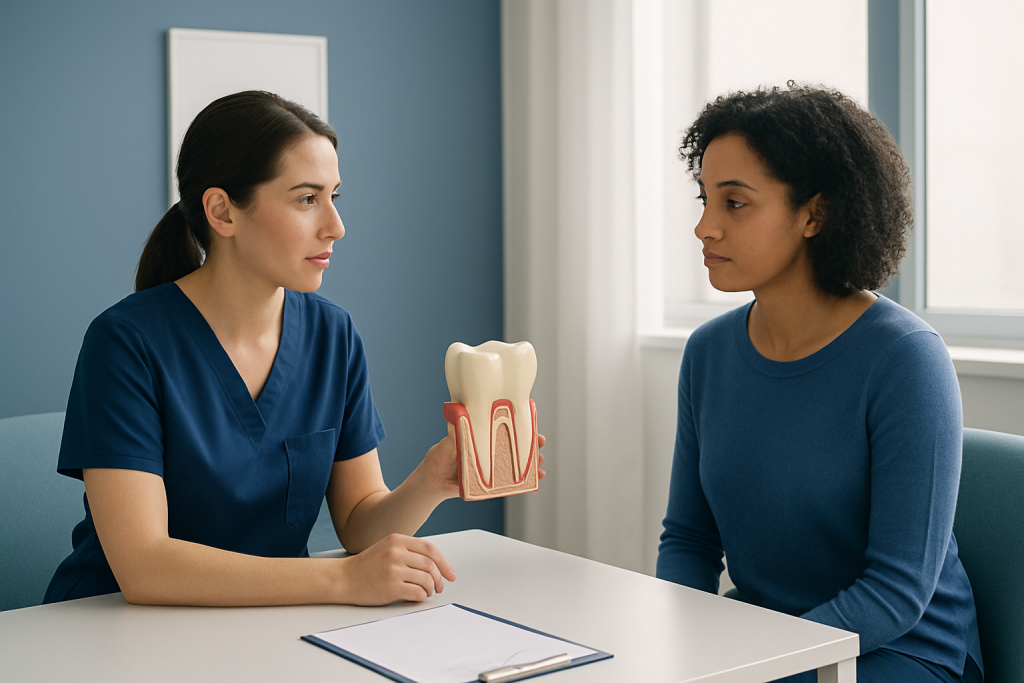
Sealants are recommended because certain teeth are naturally more likely to collect bacteria. The chewing surfaces of molars and premolars often have narrow grooves that are difficult for a toothbrush to reach completely. When plaque sits in those areas, acids produced by bacteria can gradually weaken the enamel.
Some people have a higher risk of cavities than others. This may be related to diet, oral hygiene habits, saliva flow, enamel shape, orthodontic appliances, or a past history of tooth decay. Children and adolescents can be especially vulnerable because they may still be learning effective brushing habits and because newly erupted teeth take time to harden fully.
Risk factors that may make sealants more useful include:
- Deep pits and fissures on back teeth
- Past or current cavities
- Frequent snacking on sugary foods or drinks
- Difficulty cleaning around braces or crowded teeth
- Dry mouth or reduced saliva flow
- Limited access to regular preventive dental care
Travel and schedule changes can also affect consistency with routine dental visits. For international patients, it may help to plan preventive care before a long trip or to arrange follow-up with a local dentist after treatment abroad.
Diagnosis
There is no special test for dental sealants themselves. Instead, a dentist decides whether sealants are appropriate during a routine dental exam. The evaluation usually includes looking at the shape of the teeth, checking for early decay, and reviewing the person’s cavity history and daily hygiene habits.
Dental X-rays may be used when a dentist needs to assess cavities between teeth or confirm that a tooth is healthy enough for sealing. Sealants are generally placed on teeth without signs of decay, so the appointment begins with an assessment of whether the tooth is a good candidate. If a cavity is already present, the tooth may need another type of treatment.
For families and international patients, this visit is often straightforward and can be built into a broader preventive plan. A dentist may recommend sealing only some teeth, rather than all of them, depending on which surfaces are most at risk.
Treatment Options
Applying a dental sealant is usually a quick, comfortable procedure. The tooth is cleaned, dried, and prepared so the sealing material can bond properly. The dentist then brushes the liquid material onto the chewing surface, where it flows into the grooves and hardens.
Most sealants are made from a tooth-colored resin material, although other preventive materials may be used in some settings. The process usually does not require drilling or anesthesia unless there is another reason to treat the tooth. Once in place, the sealant acts like a shield between the enamel and the bacteria that contribute to decay.
Sealants are not permanent forever, and they may wear down over time. During regular checkups, the dentist will look for chips or areas where the sealant needs repair or replacement. If a sealant is lost, reapplication is usually simple.
Other preventive dental measures may be recommended alongside sealants:
- Fluoride toothpaste and, when appropriate, fluoride treatments
- Careful brushing twice daily
- Daily flossing
- Healthy eating habits with fewer frequent sugar exposures
- Regular professional cleanings and exams
For patients traveling from abroad, it can be helpful to ask the dentist how long sealants should be monitored and whether follow-up can be coordinated with care at home. Acibadem Health Point’s multidisciplinary specialists and JCI-accredited hospitals diagnose and treat dental conditions for international patients, including preventive care plans that support continuity after travel.
Prevention & Self-care
Sealants are only one part of cavity prevention, but they can be very effective when combined with healthy daily habits. Brushing with fluoride toothpaste, cleaning between the teeth, and limiting frequent sugary snacks all help reduce the bacterial activity that leads to decay. These basics matter even more when a child is growing, wearing braces, or learning to manage oral care independently.
Parents can support prevention by helping young children brush thoroughly, especially along the back teeth where sealants are commonly placed. Older children and adults should pay attention to the full chewing surface, since food often collects in the same grooves that sealants are meant to protect. Drinking water after meals and keeping regular checkups on the calendar also make a difference.
Sealants may last several years, but they should be checked during dental visits. Good self-care also means watching for changes in the mouth, such as sensitivity, a rough edge, or a sealant that feels different than before. These are not usually emergencies, but they are worth mentioning to a dentist.
When to See a Doctor
A dental visit is a good idea when a child’s permanent molars erupt, when a teen has a history of cavities, or when an adult knows their back teeth are difficult to keep clean. A dentist can decide whether sealants are likely to be helpful or whether a different preventive plan makes more sense. People who are traveling for treatment may benefit from discussing preventive steps before leaving home, so there is a clear plan for follow-up care.
Prompt evaluation is especially important if there are signs that a cavity may already be present. Tooth pain, sensitivity to sweets or temperature, visible dark spots, or a chipped area are all reasons to seek dental advice. Sealants are most useful before decay becomes established, so timing matters.
Regular dental care is also important after sealants are placed. A dentist can check whether they are intact, whether new teeth need protection, and whether the person’s overall cavity risk has changed over time.
Living With Dental Sealants
Once sealants are placed, daily life usually continues as normal. Eating, speaking, and brushing should feel the same after the brief adjustment period, and most people do not notice the sealant during routine activities. The best results come from treating sealants as one layer of protection rather than a reason to relax other healthy habits.
For children, sealants can be part of a broader conversation about confidence and prevention. Families often appreciate that the procedure is simple and noninvasive, especially when a child is anxious about dental care. For adults, sealants may be a practical way to protect teeth that have remained cavity-prone despite good home care.
With the right timing and follow-up, sealants can support a healthier mouth for years. A dentist can help determine whether they fit into a patient’s preventive plan, whether that patient lives locally or is coordinating care across countries.
Frequently asked questions
01What are dental sealants made of?
Dental sealants are usually made from a thin resin material that bonds to the chewing surface of the tooth. Some dental offices may use other preventive materials depending on the tooth and the patient’s needs. The material is designed to protect the grooves where cavities often start.
02Do dental sealants hurt?
The procedure is generally painless and does not usually require drilling or anesthesia. The tooth is cleaned and dried before the sealant is applied, so the appointment is typically quick and comfortable. Most patients can eat and drink normally afterward unless their dentist advises otherwise.
03Which teeth usually get sealants?
Sealants are most commonly placed on permanent molars and sometimes premolars because these teeth have deep grooves that are harder to clean. In some cases, baby teeth may also be considered if a child has a high cavity risk. A dentist decides which teeth would benefit most.
04How long do dental sealants last?
Sealants can last for several years, but they may wear down or chip over time. Dentists usually check them during regular visits and can repair or replace them if needed. Their protective effect works best when sealants are monitored as part of routine care.
05Can adults get dental sealants?
Yes, adults can receive sealants if their teeth have deep grooves or if they are prone to cavities. Sealants are not just for children, although they are commonly discussed in younger patients when permanent molars erupt. A dentist can help decide whether the benefit is likely to be worthwhile.
06Are sealants a replacement for fluoride and brushing?
No, sealants are an added layer of protection, not a replacement for daily oral hygiene. Brushing with fluoride toothpaste, flossing, and regular dental visits still matter for the health of the whole mouth. The combination of habits and preventive treatment offers the strongest support against decay.
This article is for general information only and is not a substitute for professional medical advice. Please consult a qualified doctor about your individual situation.
Explore treatments in Turkey — costs, top hospitals & a free quote
JCI-accredited · board-certified surgeons · reply within 24h
Add us as a Preferred Source to see more of our trusted health content across Google Search, AI Overviews and Discover.



How can we help you today?
Meet an Acibadem specialist by secure video, before you travel.
Book a video visit