

Composite Resin Tooth Bonding: Benefits, Procedure and Risks
- 8 min read
- Published November 28, 2026
Key Takeaways
- Composite resin tooth bonding can improve the look of chipped, cracked, discolored, or uneven teeth.
- The procedure is usually completed in one visit and often requires little to no anesthesia.
- Bonding is durable for everyday use, but it is not as stain-resistant or long-lasting as some other cosmetic options.
- Good oral hygiene and habits such as avoiding biting hard objects can help the results last longer.
- A dentist can help decide whether bonding, veneers, or another treatment is the better fit for a patient’s goals.
Composite resin tooth bonding is a conservative dental treatment that uses tooth-colored material to repair minor chips, close small gaps, and improve the appearance of teeth. It is often chosen for its simple approach, natural-looking results, and minimal removal of healthy tooth structure.
Overview
Composite resin tooth bonding is a cosmetic and restorative dental treatment that uses a tooth-colored material to reshape or repair a tooth. The resin is carefully matched to the surrounding enamel, then placed, shaped, and hardened so it blends into the smile.
Many people choose bonding when they want a conservative solution for small flaws rather than a more extensive procedure. It can be used to smooth a rough edge, hide a dark spot, repair a minor chip, or make a tooth look more even in size and shape. Because little or no enamel usually needs to be removed, the treatment is often appealing to patients who want to preserve as much of the natural tooth as possible.
For international patients, bonding is also easy to plan around a short stay. The consultation, treatment, and follow-up can often be organized within a brief travel window, provided the dental team confirms that the teeth and gums are healthy enough for cosmetic care.
Symptoms and Concerns It May Address
Bonding is not a treatment for pain by itself, but it can address visible changes that make a tooth look damaged or uneven. People commonly ask about it after noticing a chip from biting something hard, a small crack in a front tooth, or a gap that affects the appearance of their smile.
It may also be used when a tooth has mild discoloration that does not respond well to whitening, especially if the color change is limited to one tooth. In some cases, bonding can help restore the appearance of teeth that are slightly worn, short, or misshapen.
- Small chips or edge wear
- Minor cracks or surface defects
- Gaps between teeth
- Localized discoloration
- Uneven or slightly misshapen teeth
When a tooth is painful, loose, or sensitive, the issue may be more than cosmetic. In those situations, a dentist will usually check whether decay, trauma, or gum disease also needs treatment before bonding is considered.
Causes and Risk Factors
Teeth can become chipped, worn, or discolored for many everyday reasons. Some people develop these issues after biting hard foods, grinding their teeth at night, or using their teeth as tools to open packaging. Others notice wear over time from normal chewing, age-related changes, or acidic drinks that gradually soften enamel.
Bonding is most successful when the tooth is structurally sound and the problem is relatively small. It tends to be used for surface-level or shape-related concerns rather than major structural damage.
Factors that may make bonding less suitable or shorten its life include heavy Night Guards, and Tooth Wear" class="ahp-ilk">teeth grinding, frequent staining from tobacco or dark beverages, poor oral hygiene, and a bite that places strong pressure on the repaired tooth. A dentist will also consider the location of the tooth, since front teeth are often better candidates than back teeth that bear more force.
How Dentists Diagnose and Plan Treatment
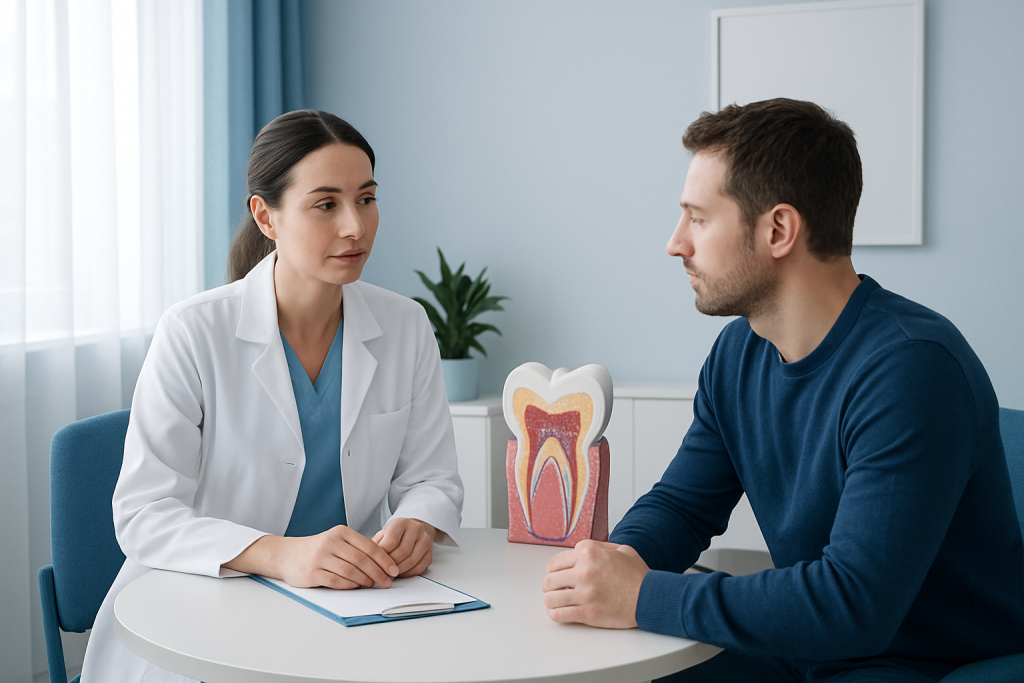
The process usually begins with a dental examination and a conversation about what the patient hopes to improve. The dentist checks the teeth, gums, bite, and existing restorations to make sure bonding is an appropriate choice and not just a cosmetic cover for a deeper issue.
Photographs, tooth shading, and a close visual assessment may be used to plan the shape and color of the resin. If decay, cracking, or nerve irritation is suspected, the dentist may recommend X-rays or another diagnostic step before proceeding.
For patients traveling from abroad, planning matters. The dental team may explain whether the treatment can be done in a single appointment or whether a review visit is helpful after the patient has returned home. Clear communication about timing, aftercare, and any signs that should prompt contact with a local dentist makes the experience smoother and safer.
Treatment Options
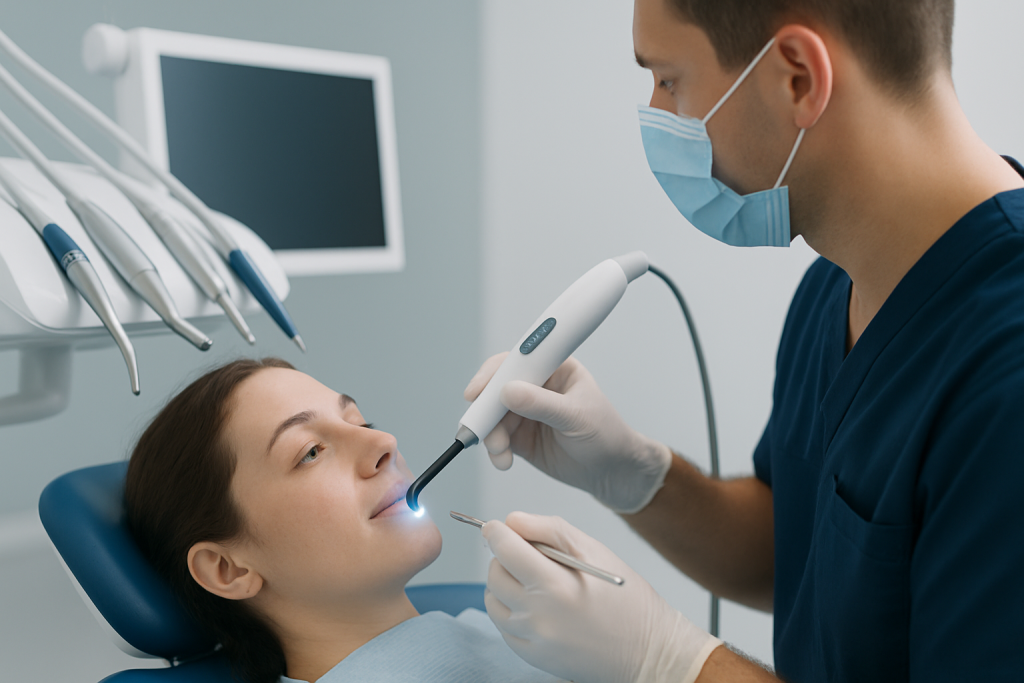
During composite resin tooth bonding, the dentist first prepares the tooth surface so the resin can adhere properly. The material is then applied in layers, shaped to match the natural contour of the tooth, and hardened with a special curing light. Afterward, the dentist trims and polishes the bonded area so it looks as smooth as possible and feels comfortable when biting.
The procedure is usually straightforward and often does not require much removal of tooth structure. In many cases, anesthesia is not needed unless the bonding is being used to fill a cavity or the tooth is sensitive.
Bonding is one of several cosmetic options, and it is not always the best answer. A dentist may suggest:
- Whitening for overall tooth color changes
- Veneers for larger cosmetic changes or a more durable front-tooth makeover
- Crowns when a tooth needs stronger full coverage
- Orthodontic treatment when spacing or alignment is the main concern
The right choice depends on the size of the problem, the condition of the tooth, and the patient’s long-term goals. A careful discussion helps patients understand whether bonding is a temporary cosmetic refinement or part of a broader dental plan.
Recovery, Longevity, and Self-care
Most people return to normal activities right after the appointment. The tooth may feel a little unfamiliar at first, especially if the shape has changed, but that sensation usually settles quickly. If the dentist adjusted the bite, patients are often able to eat and speak normally the same day.
Bonding materials can last for years, but they are not as resistant to staining or wear as natural enamel or porcelain. Coffee, tea, red wine, smoking, nail biting, and chewing ice can all shorten the life of the repair or alter its appearance over time.
Helpful habits include regular brushing and flossing, routine dental checkups, and using the teeth gently. A night guard may be advised for patients who clench or grind their teeth. When patients travel for treatment, it is wise to leave with written aftercare instructions and a plan for follow-up if the bonded area chips, feels rough, or changes color.
When to See a Doctor
A dentist should evaluate any tooth that is painful, swollen, very sensitive, or damaged after an injury. Even when the concern appears cosmetic, an exam can confirm that there is no hidden decay, fracture, or infection beneath the surface.
Patients should also seek dental advice if a bonded tooth becomes rough, loosens, chips again, or starts to feel different when biting. These changes do not always mean the repair has failed, but they are worth checking early so the issue can often be corrected with a smaller adjustment.
For people considering treatment while visiting another country, it is sensible to choose a clinic that provides clear documentation, follow-up guidance, and coordination with any dentist at home if needed. Acibadem Health Point’s multidisciplinary specialists and JCI-accredited hospitals diagnose and treat dental conditions for international patients with this kind of continuity in mind.
Frequently asked questions
01What is composite resin tooth bonding used for?
It is commonly used to improve the appearance of small chips, minor cracks, gaps, discoloration, or slightly uneven teeth. Dentists may also use it to restore a tooth after minor wear or to replace small areas affected by decay. The treatment is usually chosen when the concern is limited and a conservative solution is preferred.
02Is composite resin tooth bonding painful?
Most patients find it comfortable, and many do not need anesthesia. If the bonding is being used near sensitive areas or to treat a cavity, the dentist may recommend numbing the tooth. Any soreness afterward is usually mild and short-lived.
03How long does dental bonding last?
Longevity varies based on the tooth, bite forces, and daily habits. Bonding can last for years with good care, but it may need touch-ups or replacement over time. Teeth that are exposed to grinding, staining, or heavy use may need earlier maintenance.
04Can bonded teeth be whitened later?
The composite resin itself does not respond to whitening in the same way natural enamel does. If a patient wants a brighter smile later, the dentist may discuss whitening the surrounding teeth or replacing the bonding so the shade matches. Planning color changes before bonding often gives the best cosmetic match.
05Can composite bonding fix large cracks or broken teeth?
It can help with minor damage, but larger fractures or structural weakness may need a crown, veneer, or another restorative treatment. The dentist will assess how much of the tooth remains healthy and how much force the tooth needs to handle. The goal is to choose a repair that is both attractive and dependable.
06Who is a good candidate for tooth bonding?
People with small cosmetic imperfections and healthy teeth and gums are often good candidates. It is especially useful when the goal is to correct one or a few teeth without removing much enamel. A dentist will confirm whether bonding is the best option or whether another treatment would be more suitable.
This article is for general information only and is not a substitute for professional medical advice. Please consult a qualified doctor about your individual situation.
Explore treatments in Turkey — costs, top hospitals & a free quote
JCI-accredited · board-certified surgeons · reply within 24h
Add us as a Preferred Source to see more of our trusted health content across Google Search, AI Overviews and Discover.



How can we help you today?
Meet an Acibadem specialist by secure video, before you travel.
Book a video visit