Dental Crowns in Turkey: Planning for a Lasting Fit
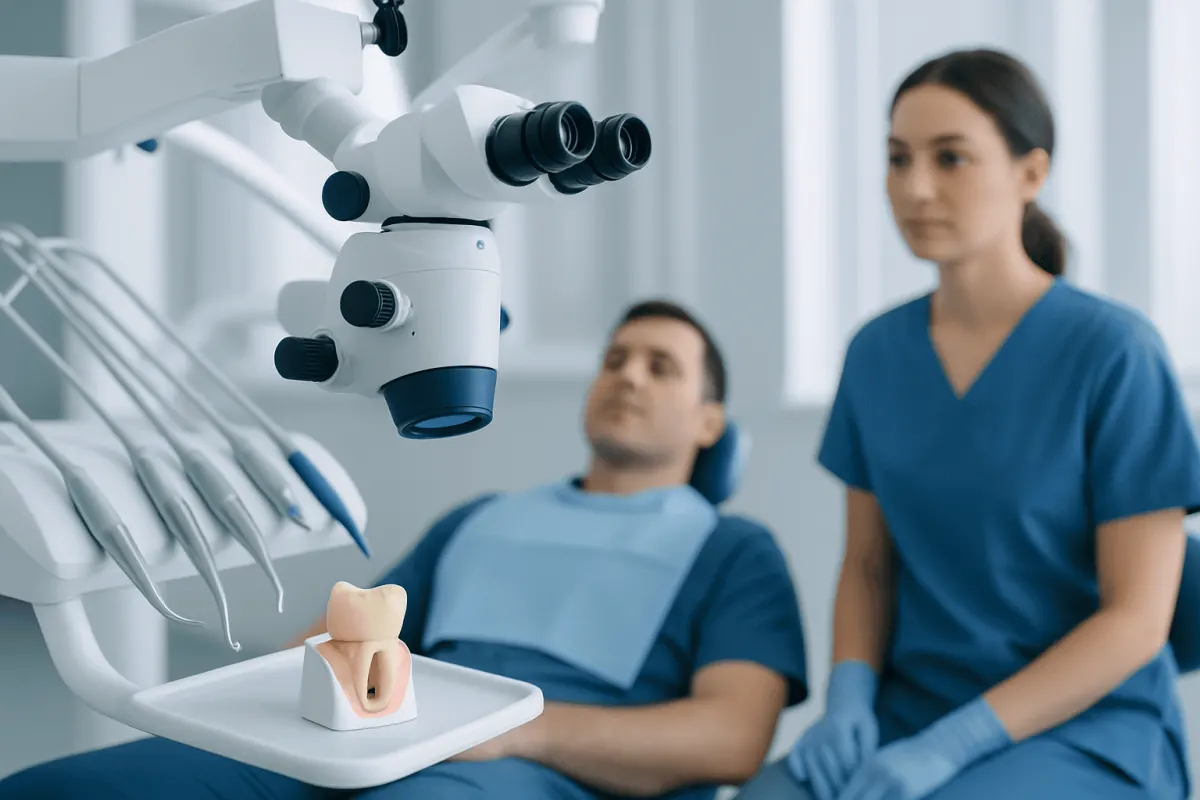
Dental crowns in Turkey may be an appropriate option for people seeking to protect a weakened tooth, restore chewing function, or improve tooth appearance after a comprehensive dental assessment. A safe result depends on correct diagnosis, conservative treatment planning, high-quality materials, accurate crown fitting, and a realistic follow-up plan after travel.
Overview: What Are Dental Crowns in Turkey?
Dental crowns in Turkey refer to crown treatment provided by dentists in Turkey, often as part of planned international dental care. A crown is a fixed, tooth-shaped restoration placed over a prepared natural tooth or, in some cases, attached to a dental implant. It may restore strength, shape, appearance, and chewing function when a tooth has been damaged or significantly weakened.
A crown is not simply a cosmetic covering. Before any dental procedure Turkey patients should receive a clinical examination and appropriate X-rays to determine whether the tooth can be preserved, whether gum health is stable, and whether issues such as decay, cracks, infection, or bite problems need treatment first. The most suitable option may be a filling, inlay, veneer, root canal treatment, crown, or another approach depending on the individual tooth.
Common crown materials include ceramic, porcelain fused to metal, zirconia, and metal alloys. The choice is based on the tooth location, bite forces, available tooth structure, neighboring teeth, aesthetic priorities, and the dentist’s clinical recommendation. A well-planned crown should feel comfortable, allow normal cleaning, and fit naturally within the bite.
How Crowns Work and Who May Be a Candidate
A dental crown surrounds the visible portion of a tooth above the gum line. It helps distribute chewing forces across a tooth that may no longer be strong enough to support a large filling or withstand normal use. Crowns are frequently considered after extensive decay or trauma, a large fracture, severe tooth wear, root canal treatment, or replacement of an old failing crown.
Suitable candidates generally have a tooth with enough healthy root and supporting bone to retain a restoration. The gums should be assessed for periodontal disease, and the dentist should check whether the bite places excessive pressure on certain teeth. People who grind or clench their teeth may still be candidates, but they may need a protective night guard to reduce the risk of chipping, fracture, or loosening.
Some people considering a dental crown Turkey treatment are primarily concerned about color, shape, or minor chips. In these circumstances, a dentist should discuss less invasive alternatives where appropriate. Crown preparation removes some natural enamel, so it should be recommended only when it provides a clear functional or restorative benefit. Teeth with active infection, untreated gum disease, or uncertain long-term prognosis may need other care before a crown is placed.
Step by Step: The Dental Crown Procedure

The process starts with a consultation, medical and dental history, examination, and dental imaging when indicated. The dentist evaluates tooth vitality, the amount of remaining tooth structure, gum condition, and bite. The proposed material, expected appearance, limitations, and alternatives should be explained before treatment begins. If there is decay, a damaged filling, or infection, these issues may need to be addressed first.
During tooth preparation, local anesthetic is usually used to keep the area comfortable. The dentist reshapes the outer surface of the tooth to create enough room for the selected crown material. If substantial tooth structure is missing, a build-up may be needed to support the crown. An impression or digital scan is then used to design the restoration, including its shape, contacts with adjacent teeth, and bite relationship.
A temporary crown may be fitted while the final crown is being made. At the final visit, the dentist checks the crown’s color, shape, fit at the gum line, contact points, and bite before cementing it. Patients should report if the crown feels high, catches food, or causes pain when biting, as adjustment may be needed. For restorative planning, patients can learn more about dental crown treatment.
Some clinics use digital scanning and in-house milling, which may shorten the process for selected cases. However, the appropriate number of appointments should be based on clinical needs rather than a fixed travel timetable. Complex cases, gum treatment, root canal care, or bite changes may require a longer plan.
Recovery Timeline, Benefits and Possible Risks
After tooth preparation, it is common to experience mild gum tenderness, temporary temperature sensitivity, or awareness of the treated tooth for a few days. Local anesthetic numbness usually fades within several hours. A temporary crown should be treated gently, especially when eating sticky foods, until the permanent restoration is placed.
Once a permanent crown has been cemented and the bite is comfortable, most people can return to normal routines quickly. A crown can improve comfort when chewing, protect a vulnerable tooth, restore a more natural tooth contour, and improve appearance where discoloration or structural damage is present. Its long-term performance depends on oral hygiene, diet, biting habits, regular dental care, and the condition of the tooth and gums beneath it.
Possible complications include ongoing sensitivity, a crown that feels too high, gum irritation, chipping or fracture of ceramic, loosening, decay at the crown edge, or inflammation or infection in the tooth nerve. Crowns cannot prevent all future dental problems. A tooth that develops severe pain, swelling, or persistent bite discomfort requires prompt assessment, and may need adjustment or further treatment such as root canal treatment if the pulp becomes affected.
For people who clench or grind their teeth, a custom night guard may help protect both natural teeth and crowns. Avoiding ice, hard candy, and using teeth to open packages can also reduce the chance of damage.
Is Recovery From a Crown Painful?
Recovery from a crown is usually not painful for most people, although mild tenderness and sensitivity are common after preparation or fitting. The tooth and nearby gum may feel sensitive to cold, heat, pressure, or brushing for several days. This generally improves as the tooth and gum settle.
Discomfort can occur if the bite is slightly uneven, especially if the crown feels like it touches before other teeth. This is normally straightforward for a dentist to assess and adjust. Pain that is severe, throbbing, worsening, or accompanied by facial swelling, fever, or a bad taste is not expected and should be reviewed promptly.
Patients should follow their dentist’s aftercare advice and use pain relief only as recommended by a qualified clinician or according to the product instructions. They should not attempt to adjust a crown at home. If a temporary crown becomes loose or breaks, the dentist should be contacted as soon as possible.
How Soon to Eat After a Permanent Crown?
After a permanent crown is cemented, patients should wait until the numbness from local anesthetic has completely worn off before eating. This helps prevent accidental bites to the cheek, lip, or tongue. The dentist may also recommend avoiding particularly hard, sticky, or chewy foods for a short time, depending on the cement and the individual restoration.
Many patients can eat normally after the crown has been securely fitted, but it is sensible to begin with softer foods and chew carefully on the opposite side if the area feels tender. A correctly fitted crown should not cause pain during chewing or make the bite feel uneven. If it does, the dental team should assess it rather than waiting for the problem to resolve on its own.
Daily care remains important. Brushing twice daily with fluoride toothpaste, cleaning between teeth, and attending regular dental checks help protect the crown margins and surrounding gums. Special attention should be paid where the crown meets the natural tooth, because decay can still develop there.
Is It a Good Idea to Get Teeth Done in Turkey?
Getting teeth done in Turkey can be a reasonable choice when a patient selects a properly qualified dental team, receives a full diagnostic assessment, understands the proposed treatment, and has a practical plan for follow-up care. The location alone does not determine quality. Safe care relies on appropriate indications, infection control, clear communication, documented materials and treatment records, and enough time to complete and review the work.
People researching dental crowns Turkey reviews, social media posts, or discussions such as dental crowns Turkey Reddit should remember that online experiences are individual and may not show the full diagnosis, treatment plan, or long-term outcome. Before committing, patients should ask what condition each tooth has, why a crown is advised, how much natural tooth will be removed, what material is proposed, what alternatives exist, and what aftercare will be available.
Travelers should provide their medical history, medications, allergies, and previous dental records where possible. They should also consider allowing extra time before flying home in case adjustments are needed. Acıbadem Health Point’s multidisciplinary specialists and JCI-accredited hospitals diagnose and treat dental conditions for international patients, with care plans guided by individual clinical assessment.
How Much Does a Full Set of Crowns Cost in Turkey?
The cost of a full set of crowns in Turkey cannot be stated reliably without an individual examination and a written treatment plan. The total varies according to the number of teeth involved, the crown material, whether temporary restorations are needed, the health of the gums and tooth roots, the need for fillings or root canal treatment, laboratory work, imaging, and follow-up requirements.
A “full set” can mean different things to different people. It may refer to several visible front teeth, one dental arch, both arches, or a more complex full-mouth rehabilitation that changes the bite. These situations have very different clinical requirements, so a single advertised figure may not reflect the care an individual actually needs.
Patients should request an itemized written estimate that explains what is and is not included, such as diagnostics, provisional crowns, final restorations, treatment for unexpected findings, and review appointments. Decisions should not be based on cost alone; preserving healthy tooth structure and choosing a clinically appropriate plan are central to long-term oral health.
Frequently asked questions
01How long do dental crowns usually last?
A crown's lifespan varies with the material used, the tooth's condition, oral hygiene, bite forces, and habits such as grinding. With regular dental care and appropriate use, crowns can function for many years, but they may eventually need repair or replacement.
02Can a crown be placed on a tooth with a root canal?
Yes. A crown is often recommended after root canal treatment, particularly for back teeth or teeth with extensive loss of structure. The dentist will assess whether there is enough sound tooth material and root support to restore the tooth successfully.
03Will a crown look like a natural tooth?
Modern ceramic and zirconia crowns can be designed to closely match nearby teeth in color, shape, and translucency. The final appearance also depends on the tooth position, underlying tooth color, gum contour, and the selected material.
04Do crowns require special cleaning?
Crowns are cleaned with the same core habits used for natural teeth: twice-daily brushing with fluoride toothpaste and daily cleaning between teeth. Careful cleaning around the crown edge is particularly important because the natural tooth underneath can still develop decay.
05Can a dental crown be replaced?
Yes. A crown can often be replaced if it fractures, becomes loose, no longer fits properly, or if decay develops around its margin. Replacement may be more complex if the supporting tooth has weakened, so regular checks can help identify problems early.
06What should a patient do if a crown feels too high?
A crown that feels high or causes pain when biting should be checked by a dentist promptly. An uneven bite can place excess pressure on the tooth and jaw, but a clinician can usually make a small, precise adjustment when appropriate.
This article is for general information only and is not a substitute for professional medical advice. Please consult a qualified doctor about your individual situation.
Joint and spine care in Turkey — expert assessment & treatment
JCI-accredited · board-certified surgeons · reply within 24h
Add us as a Preferred Source to see more of our trusted health content across Google Search, AI Overviews and Discover.