DBS for Parkinson’s Disease: Setting Realistic Goals
Deep brain stimulation (DBS) can improve certain movement symptoms of Parkinson’s disease, particularly tremor, stiffness, slowness and medication-related fluctuations. Realistic expectations are important: DBS helps manage symptoms but does not cure Parkinson’s disease or prevent its progression.
Overview: What DBS Can and Cannot Do
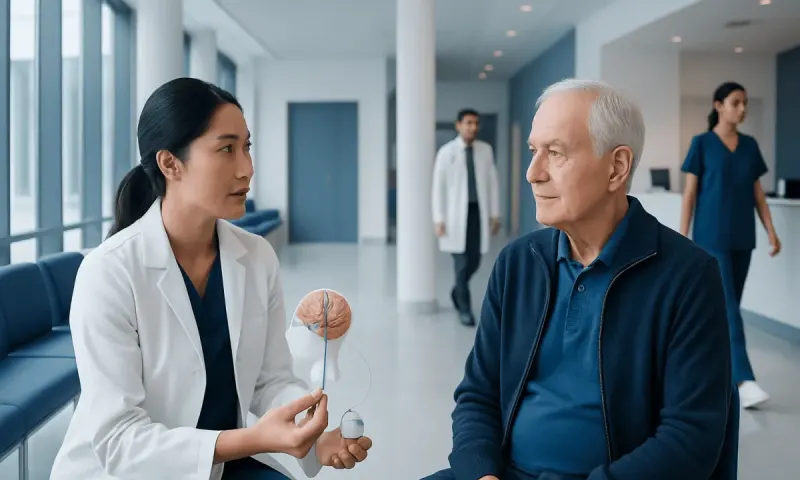
Deep brain stimulation (DBS) is a surgical treatment used for selected people with Parkinson’s disease whose symptoms are not adequately controlled with medication alone. It involves placing very thin electrodes in carefully chosen areas of the brain that regulate movement. The electrodes are connected to a small pulse generator, usually implanted under the skin of the chest, which sends adjustable electrical signals.
For the right person, DBS can provide meaningful improvement in troublesome motor symptoms. It is particularly helpful when levodopa works well but its effects become unpredictable, wear off between doses, or cause involuntary movements called dyskinesia. The treatment is adjustable and reversible in the sense that stimulation can be changed or switched off; however, electrode implantation is brain surgery and is not reversible in the same way as stopping a medicine.
DBS is not a cure for Parkinson’s disease. It does not replace the loss of dopamine-producing nerve cells, and it does not stop the condition from progressing. It is best understood as a tool for improving day-to-day movement control and reducing certain treatment-related difficulties, while ongoing neurological care remains necessary.
Which Results Are Realistic?
Many appropriately selected patients experience smoother control of movement after DBS. Depending on the brain target and individual treatment plan, stimulation may reduce tremor, stiffness, slowness of movement and medication-related “off” periods, when symptoms return before the next dose takes effect. It may also lessen dyskinesia, either directly through stimulation effects or indirectly by allowing a reduction in dopaminergic medication.
A realistic goal is improvement rather than perfection. A person may have more predictable mobility, fewer disabling fluctuations and greater ability to carry out valued activities, but they may still have Parkinson’s symptoms and need daily medication. Results develop over time because the device must be programmed gradually, and medication often needs careful adjustment after surgery.
The strongest indication that DBS may help is a clear improvement in movement symptoms during a levodopa trial. Symptoms that do not respond to levodopa are generally less likely to respond to DBS, although severe medication-resistant tremor can sometimes be an exception. The clinical team considers the person’s overall health, symptoms, goals and support needs when discussing likely outcomes.
- Often improved: tremor, stiffness, slowness, motor fluctuations and dyskinesia.
- May improve variably: walking when it is limited by “off” periods, sleep disrupted by motor symptoms, and some medication side effects.
- Usually not reliably improved: postural instability, freezing that occurs despite being “on,” speech and swallowing difficulties, cognitive decline, and many non-motor symptoms.
Symptoms DBS Is Less Likely to Help

Parkinson’s disease affects more than movement. It can cause changes in thinking, mood, sleep, blood pressure, bladder function, constipation, pain and fatigue. DBS is not designed to treat the disease as a whole, so these symptoms may require separate assessment and management. Some people continue to need physiotherapy, speech and language therapy, mental health support, sleep care or treatment for autonomic symptoms.
Balance impairment, falls and freezing of gait can become more difficult to treat as Parkinson’s progresses. If these problems are mainly present when medication has worn off, they may improve when DBS reduces off time. However, if they continue even when medication is working well, DBS is less likely to provide a major benefit. This distinction is an important part of pre-surgical evaluation.
DBS is also not expected to restore speech, facial expression, swallowing or memory once these symptoms are established. In some individuals, speech or verbal fluency may worsen after surgery or with particular stimulation settings. Careful programming can sometimes help, but patients should discuss these possibilities openly with the team before deciding on treatment.
Who May Be a Candidate for DBS?
DBS is usually considered when a person has Parkinson’s disease with clear benefit from levodopa but has disabling motor fluctuations, troublesome dyskinesia or tremor that remains difficult to control. There is no single age cut-off that determines eligibility. Instead, clinicians assess biological health, surgical fitness, cognitive function, psychiatric wellbeing and the pattern of Parkinson’s symptoms.
A comprehensive assessment often includes review by a movement-disorders neurologist, neurosurgeon, neuropsychologist and specialist nurses. The team may compare symptoms in an “off” medication state with symptoms after levodopa, review brain imaging, assess thinking and mood, and discuss practical support at home. This process helps identify both potential benefits and risks.
DBS may not be suitable for everyone. Significant untreated depression, uncontrolled anxiety or psychosis, substantial cognitive impairment, advanced frailty, or medical conditions that make surgery unsafe may alter the balance of benefit and risk. A diagnosis should also be reviewed carefully, since DBS results are generally best in typical Parkinson’s disease rather than atypical parkinsonian disorders.
The Procedure, Programming and Recovery
DBS treatment begins with detailed imaging and surgical planning. During surgery, electrodes are placed in a movement-control area of the brain, commonly the subthalamic nucleus or globus pallidus interna. The pulse generator and connecting wires are implanted under the skin, either during the same operation or in a separate procedure, depending on the clinical approach.
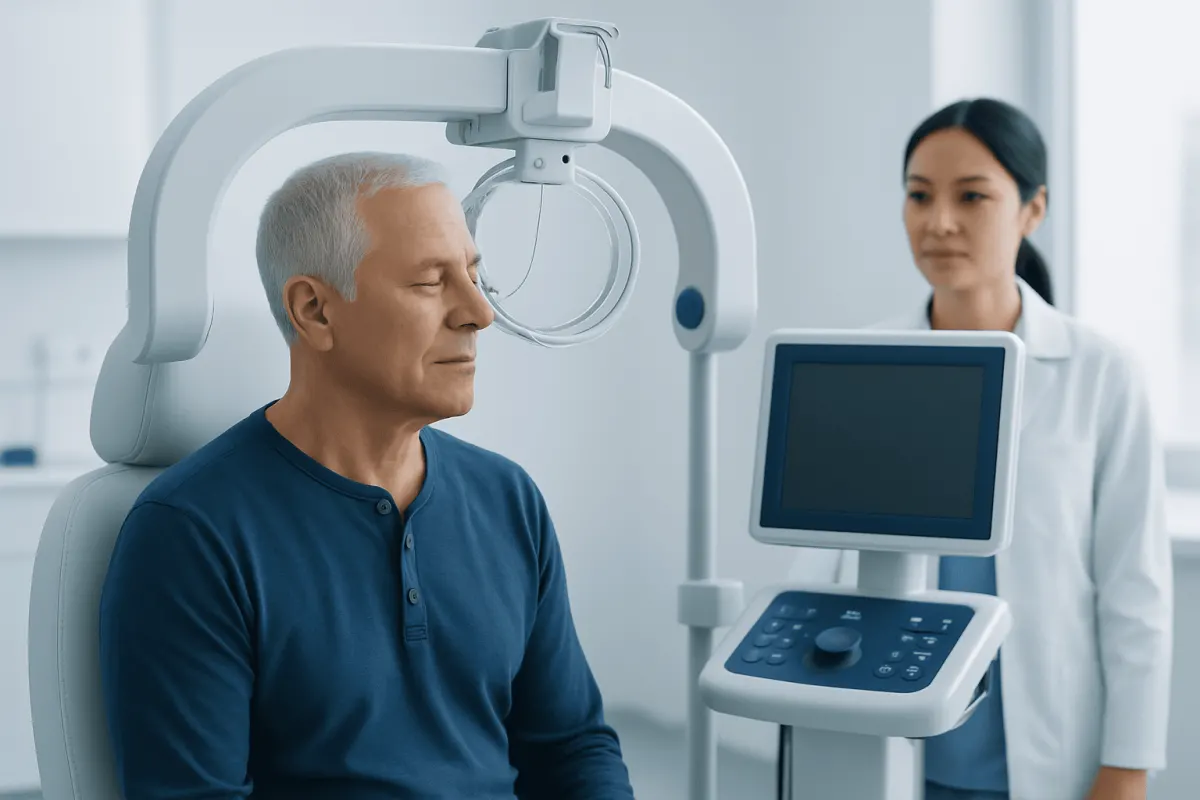
Stimulation is usually activated and adjusted after the surgical sites have had time to heal. Programming is not a one-time event. The neurologist adjusts settings over several appointments to find an effective balance between symptom control and side effects. Medication changes are commonly made slowly, because reducing medication too rapidly can lead to low mood, apathy, anxiety or worsening movement symptoms.
Recovery involves both physical healing and a period of adaptation. People are usually advised to follow their surgical team’s instructions about wound care, activity and follow-up. The device requires long-term monitoring, and the battery or generator may need replacement when it reaches the end of its service life. Rechargeable systems may be suitable for some patients, depending on their needs and ability to manage recharging.
Risks, Side Effects and Safety Considerations
As with any brain surgery, DBS has potential risks. These include bleeding in the brain, stroke, infection, seizures, confusion, hardware complications and anaesthesia-related problems. Serious complications are uncommon, but they can be significant. The surgical team explains the individual risk profile before treatment and takes steps to reduce risk through planning, imaging and careful follow-up.
Stimulation-related effects can include tingling, muscle pulling, speech changes, visual sensations, dizziness, mood changes or problems with balance. These effects may improve when settings are adjusted, which is one advantage of an adjustable system. Contacting the DBS team promptly is important if new or troublesome symptoms develop.
People with DBS should tell all healthcare professionals about their device before medical or dental procedures. Some scans, treatments and equipment require specific precautions. Modern systems may be compatible with certain MRI examinations under defined conditions, but the exact device instructions and the treating team’s guidance must always be followed.
Making a Decision and Living Well With DBS
The decision to have DBS should be based on personal goals, not only on symptom severity. Helpful questions include which symptoms are most limiting, what activities the person hopes to regain or maintain, how much improvement would feel worthwhile, and what follow-up commitments are practical. A family member or trusted support person can be useful during consultations because DBS requires ongoing care and device management.
Even after successful DBS, regular exercise, physiotherapy, fall-prevention strategies, balanced nutrition, sleep care and medication review remain valuable parts of Parkinson’s management. Rehabilitation can help a person translate improved movement control into safer walking, daily activity and confidence. Speech and swallowing changes should be assessed early, particularly if coughing during meals or weight loss occurs.
For international patients, Acıbadem Health Point’s multidisciplinary specialists and JCI-accredited hospitals can assess and treat Parkinson’s disease with DBS where appropriate. A qualified movement-disorders team can provide individualized guidance on suitability, expected benefits, risks and long-term follow-up needs.
When to Speak With a Doctor
A person should discuss DBS with a movement-disorders neurologist when levodopa still improves movement but the benefit no longer lasts reliably, dyskinesia becomes disruptive, or tremor remains disabling despite optimized medication. Early discussion does not mean surgery is immediately needed; it gives time to understand the options and plan care before symptoms become overwhelming.
Urgent medical assessment is needed for sudden weakness, severe headache, new confusion, seizures, chest pain, breathing difficulty, fever with a painful or draining surgical wound, or sudden marked worsening after DBS surgery. These symptoms can have causes unrelated to DBS, but they should not be ignored.
People already living with a DBS device should keep scheduled programming appointments and seek advice if symptoms return abruptly, the device alerts them to a possible issue, or there are concerns about the surgical site. Regular communication with the neurology and DBS team supports safer, more consistent long-term results.
Frequently asked questions
01How successful is DBS for Parkinson’s disease?
DBS can be very helpful for carefully selected people, especially for tremor, stiffness, slowness, dyskinesia and medication-related off periods. The degree of benefit differs from person to person and depends on symptom pattern, response to levodopa, surgical factors and ongoing programming. It is intended to improve symptom control, not to eliminate Parkinson’s disease.
02Does DBS stop Parkinson’s disease from getting worse?
No. DBS does not slow or stop the underlying progression of Parkinson’s disease. Over time, symptoms that do not respond well to dopamine-based medication, such as certain balance, speech, cognitive or autonomic problems, may continue to develop.
03Can a person stop Parkinson’s medication after DBS?
Most people continue to take Parkinson’s medication after DBS, although the type or amount may be adjusted. Medication reduction is more common with some DBS targets than others, but it should be done gradually and only under specialist guidance. Stopping medication suddenly can cause serious problems.
04How long does it take to see results from DBS?
Some effects may be noticed soon after stimulation is started, but the best settings often take weeks or months to establish. Medication adjustments and recovery from surgery also influence the early experience. Regular programming visits are an essential part of achieving the best possible result.
05What is the best age for DBS surgery?
There is no single best age for DBS. Suitability depends more on overall health, diagnosis, cognitive and emotional wellbeing, treatment response and the symptoms causing disability. A specialist team considers these factors together rather than relying on age alone.
06Can DBS make speech or balance worse?
Speech, balance or thinking can worsen in some people after DBS, either because of disease progression, stimulation effects, medication changes or surgery-related factors. Programming adjustments may reduce certain stimulation-related effects, but not every symptom can be corrected. Pre-surgical evaluation helps identify people for whom these concerns may be especially relevant.
This article is for general information only and is not a substitute for professional medical advice. Please consult a qualified doctor about your individual situation.
Explore treatments in Turkey — costs, top hospitals & a free quote
JCI-accredited · board-certified surgeons · reply within 24h
Add us as a Preferred Source to see more of our trusted health content across Google Search, AI Overviews and Discover.