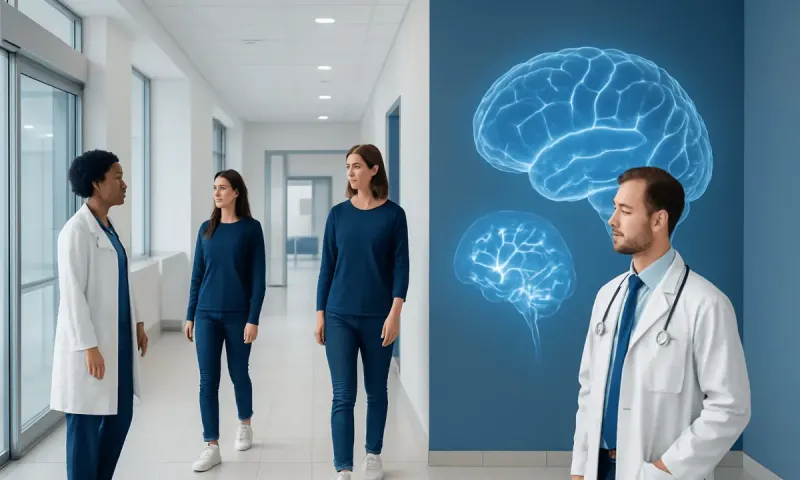
Cryptogenic Stroke Means the Cause Is Still Being Sought
You’ve had a stroke, the tests are done, and the doctor tells you they still don’t know what caused it. That answer can feel worse than the stroke itself. But “cryptogenic” doesn’t mean nobody is looking — it means the search is still going on.
A cryptogenic stroke is one that remains unexplained even after a standard medical evaluation. From here, three things matter for you: confirming the diagnosis, looking carefully for hidden causes, and lowering the risk of another stroke with a prevention plan built around your situation.
Overview: what cryptogenic stroke means
Cryptogenic stroke means a person has had an ischemic stroke, but the cause is still not identified after a standard medical workup. In other words, brain tissue was damaged because blood flow was blocked, yet routine tests do not clearly show where the clot came from or why it formed. The label doesn’t mean your stroke was minor, imagined, or unimportant. It only means the cause isn’t obvious yet.
Most cryptogenic strokes are ischemic strokes rather than bleeding strokes. They may include events sometimes described as embolic stroke of undetermined source, where a clot appears to have traveled to the brain but the exact origin is uncertain. Doctors use the label to decide what to test next and how to protect you — not to close the file.
For patients and families, the key question is usually simple: what happens next? The answer is a structured search for hidden causes, followed by treatment to reduce the chance of another stroke. Care often overlaps with the broader evaluation and recovery approach used for stroke.
Symptoms and how it may present
The symptoms of cryptogenic stroke are the same as the symptoms of other strokes because the issue is where the brain is affected, not whether the cause is known. Symptoms usually start suddenly and may include weakness or numbness on one side of the body, facial drooping, trouble speaking or understanding language, vision loss, dizziness, poor balance, or severe confusion.
Some people have brief symptoms that resolve within minutes or hours. This may be a transient ischemic attack, sometimes called a mini-stroke, which is also a medical emergency because it can be a warning sign of a future stroke. Even when symptoms improve, urgent assessment is still important.
Many hospitals teach the FAST warning signs: face drooping, arm weakness, speech difficulty, and time to call emergency services. Other sudden neurological symptoms also matter, including difficulty walking, double vision, or a sudden severe headache with neurological changes. Early evaluation can help confirm the diagnosis and identify treatment options quickly.
- Sudden weakness or numbness, especially on one side
- Sudden speech or language problems
- Sudden vision changes in one or both eyes
- Sudden trouble walking, dizziness, or loss of coordination
- Sudden confusion or difficulty understanding
Why a stroke may remain unexplained

A stroke may be called cryptogenic when routine tests do not reveal a clear source such as a blocked neck artery, a sustained irregular heart rhythm, or a definite clotting disorder. This can happen because some causes are intermittent, small, hidden, or difficult to detect with one-time testing. For example, atrial fibrillation may occur only occasionally and may not appear on an initial heart monitor.
In other cases, more than one possible factor is present, but none is convincing enough to be named the true cause. A person may have mild plaque in the arteries, a small heart abnormality, or several vascular risk factors without a single confirmed explanation. Doctors then weigh the pattern seen on brain imaging, the patient’s age, medical history, and the results of additional tests.
Potential hidden contributors can include brief episodes of atrial fibrillation, a patent foramen ovale in selected patients, disease of the aortic arch, inflammation of blood vessels, inherited or acquired clotting tendencies, sleep apnea, or cancers that increase clotting risk. Some patients are also evaluated for conditions related to heart rhythm disorders. Nobody gets tested for everything. The aim is to chase the most likely causes, carefully and based on evidence.
How doctors diagnose cryptogenic stroke
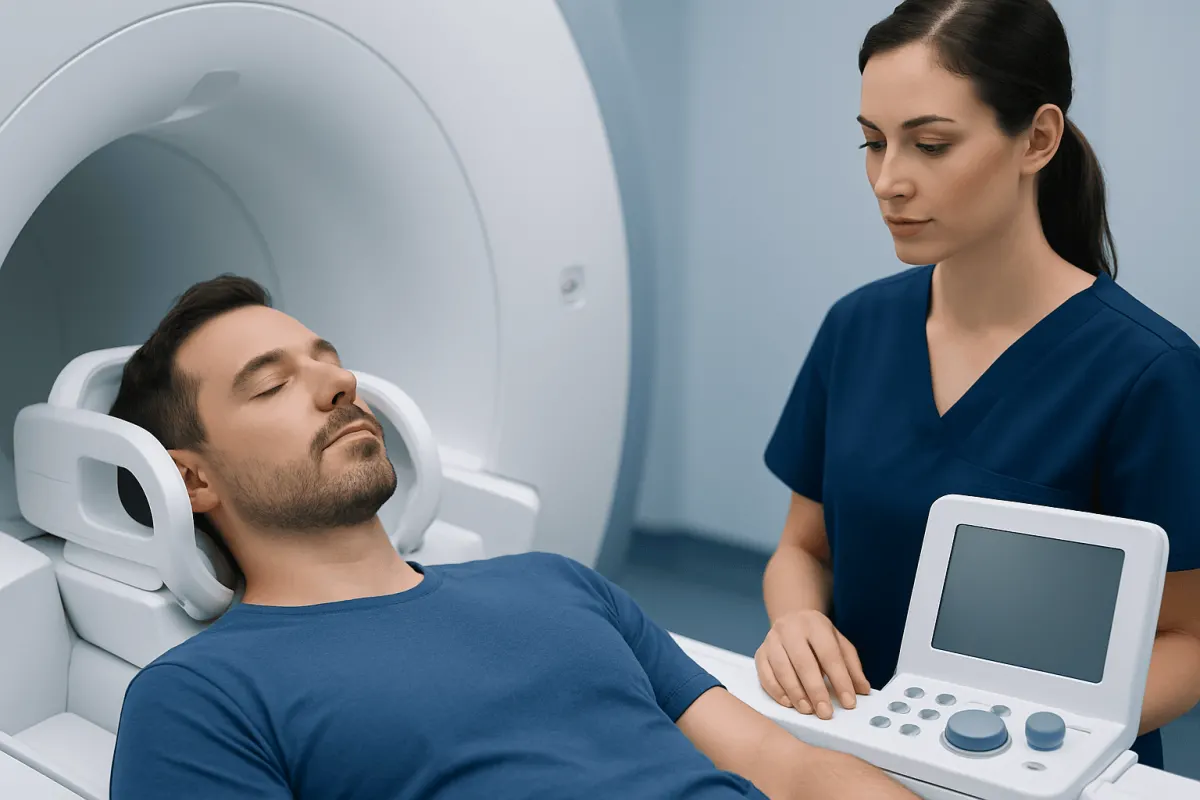
Diagnosis starts by confirming that a stroke occurred and determining whether it was caused by a blocked blood vessel or bleeding. Brain imaging, usually with CT or MRI, helps define the type, size, and location of the stroke. Blood tests, blood pressure measurement, and a detailed neurological examination are also part of the early assessment.
Standard testing often includes imaging of the head and neck blood vessels, an electrocardiogram, and heart evaluation with echocardiography. Short-term cardiac monitoring may be used in the hospital, and some patients need longer monitoring after discharge because intermittent abnormal rhythms can be easy to miss. In selected cases, advanced imaging or transesophageal echocardiography may help identify a possible source of embolism.
When the initial workup does not show a cause, doctors may broaden the evaluation based on age, stroke pattern, and medical history. This can include prolonged heart-rhythm monitoring, specialized blood tests for clotting or autoimmune conditions, and review of lifestyle and vascular risk factors. Diagnostic imaging remains central throughout this process, including MRI when clinicians need detailed information about brain tissue and stroke pattern.
Because hidden rhythm problems are common concerns, some patients are referred for extended monitoring and specialist review. This may involve a structured cardiology assessment and, when appropriate, testing related to cardiology evaluation. The point is to move you from “cause unknown” toward the prevention plan that fits you best and carries the least risk.
Treatment and preventing another stroke
Treatment has two parts: immediate stroke care and long-term secondary prevention. In the acute phase, treatment follows standard stroke protocols based on when symptoms started and what imaging shows. Some patients may be candidates for time-sensitive treatments used for ischemic stroke, while others need monitoring, supportive care, and rehabilitation planning.
After the emergency phase, prevention becomes the main focus. Many patients are treated with antiplatelet medication, such as aspirin or another doctor-recommended option, along with treatment of blood pressure, cholesterol, diabetes, and other vascular risks. If a definite cause is later found, treatment may change; for example, confirmed atrial fibrillation often leads to anticoagulant therapy rather than antiplatelet therapy.
Some patients with selected heart findings, such as a patent foramen ovale, may benefit from discussion with specialists about whether closure procedures are appropriate. Others may need support with smoking cessation, sleep evaluation, weight management, or supervised rehabilitation. Stroke recovery often includes speech, occupational, or physical therapy and rehabilitation to improve function and independence.
There is no one treatment for cryptogenic stroke that fits everyone, so your plan is built for you. The safest plan depends on the patient’s age, imaging results, risk of bleeding, medical history, and what further testing reveals over time. Near the end of the care pathway, some international patients choose centers such as Acıbadem Health Point, where multidisciplinary specialists in JCI-accredited hospitals evaluate and treat complex stroke cases.
Prevention and self-care after cryptogenic stroke
Even when the exact cause remains unclear, risk reduction still makes a meaningful difference. Patients are usually advised to take prescribed medicines consistently, attend follow-up appointments, and monitor blood pressure and other chronic conditions. Lifestyle changes work alongside your medicines — they don’t take their place.
Helpful habits include stopping smoking, limiting alcohol if advised, staying physically active within a doctor’s recommendations, and choosing a heart-healthy eating pattern rich in vegetables, fruits, whole grains, and lean proteins. Good sleep matters as well, especially if there are signs of sleep apnea such as loud snoring or daytime fatigue. Patients should ask whether formal screening is appropriate.
Recovery can also affect mood, memory, work, and family life. Fatigue, anxiety, and concentration problems are common after stroke and should be discussed openly with the care team. Keeping a list of medications, new symptoms, and follow-up test results can help patients stay organized and involved in their own care.
Prevention also means watching for recurrence. Any new sudden neurological symptom should be treated as an emergency, even if it lasts only a short time. Quick action can reduce complications and may preserve more brain function.
When to seek medical care
Emergency medical care is needed right away for any possible stroke symptom, including sudden facial drooping, arm or leg weakness, speech trouble, severe imbalance, sudden vision loss, or confusion. Patients should not wait to see if symptoms pass, and they should not drive themselves if emergency services are available. The sooner treatment starts, the better you are likely to do.
Urgent follow-up is also important after leaving the hospital. Patients should contact their doctor promptly if they have medication side effects, trouble taking medicines, repeated brief neurological symptoms, chest palpitations, fainting, or worsening function at home. These issues do not always mean another stroke, but they deserve medical review.
Routine follow-up matters even when a person feels well. Additional heart-rhythm monitoring, blood pressure review, cholesterol management, and rehabilitation visits may identify risks that were not obvious at first. A stroke labeled cryptogenic at discharge may become better explained later, which can change treatment decisions.
Frequently asked questions
01Is cryptogenic stroke the same as a regular stroke?
Cryptogenic stroke is a type of ischemic stroke diagnosis, not a different kind of brain injury. The stroke itself is real, but the exact cause is not identified after the usual initial tests. The symptoms, urgency, and need for prevention are the same as with other strokes.
02Can a cause be found later after a cryptogenic stroke?
Yes. Some causes only become clear with time, repeat imaging, or longer heart-rhythm monitoring. This is one reason follow-up care is so important after a stroke first labeled cryptogenic.
03Does cryptogenic stroke mean the risk of another stroke is low?
No. A cryptogenic stroke still means a person has already had a stroke, so prevention remains essential. Doctors usually recommend medicines and risk-factor control even while the search for a cause continues.
04Why might I need long-term heart monitoring?
Intermittent atrial fibrillation may not appear on a single ECG or a short in-hospital monitor. Longer monitoring can sometimes detect abnormal rhythms that would change treatment, especially the choice between antiplatelet and anticoagulant medicines. Your doctor will decide whether this is appropriate based on your history and stroke pattern.
05Can younger adults have cryptogenic stroke?
Yes, although the evaluation may differ by age. In younger adults, doctors may pay closer attention to structural heart findings, clotting disorders, autoimmune conditions, and less common vascular causes. The overall goal is still to identify the most likely source and prevent recurrence.
06Will everyone with cryptogenic stroke need surgery or a procedure?
No. Many patients are treated with medicines, rehabilitation, and careful control of blood pressure, cholesterol, diabetes, and lifestyle risks. Procedures are considered only in selected situations, such as specific heart or blood vessel findings that may be contributing to stroke risk.
This article is for general information only and is not a substitute for professional medical advice. Please consult a qualified doctor about your individual situation.
Explore treatments in Turkey — costs, top hospitals & a free quote
JCI-accredited · board-certified surgeons · reply within 24h
Add us as a Preferred Source to see more of our trusted health content across Google Search, AI Overviews and Discover.