Crater Face: Causes and Treatment for Pitted Scars
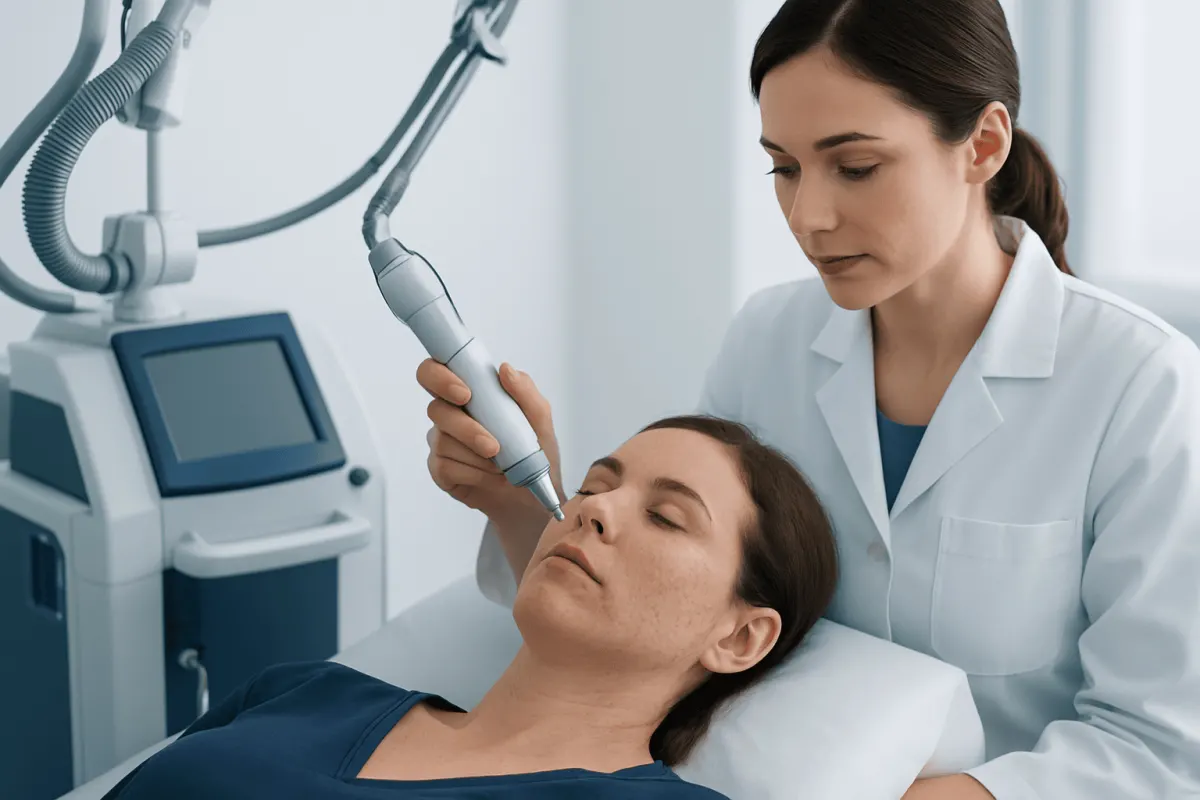
“Crater face” is a non-medical term commonly used to describe depressions or pits in facial skin, most often caused by acne scarring. Because several skin conditions can create a similar appearance, a dermatologist can identify the cause and discuss appropriate treatment options.
What Does “Crater Face” Mean?
“Crater face” is not a medical diagnosis. It is an informal phrase that usually describes facial skin with visible pits, indentations, or uneven areas that resemble small craters. In clinical terms, these changes are often called atrophic scars, meaning scars that sit below the surrounding skin surface.
The most common reason for this appearance is previous inflammatory acne. Deep pimples, cysts, or nodules can damage collagen, the supportive protein beneath the skin. When the skin heals with too little support tissue, a depression may remain. These scars can affect confidence and quality of life, but they are not harmful in themselves and are treatable to varying degrees.
Not every facial depression is an acne scar. Previous chickenpox, an injury, a skin infection, a procedure, or a less common skin disorder can also leave pitted marks. A new, changing, bleeding, crusted, or rapidly enlarging “crater-like” lesion needs medical assessment rather than being assumed to be a scar.
Recognizing the Different Types of Pitted Scars
Dermatologists commonly describe acne-related atrophic scars by their shape. Identifying the pattern is helpful because no single treatment works equally well for every type. Many people have a combination of scar types on the cheeks, temples, forehead, jawline, or chin.
- Ice-pick scars are narrow, deep openings that extend into the skin. They can look like tiny punctures.
- Boxcar scars are wider depressions with relatively defined edges. They may be shallow or deep.
- Rolling scars create broad, gently sloping unevenness or a wave-like texture. Fibrous bands under the skin may pull the surface downward.
Scar visibility can vary with lighting, skin hydration, makeup, and facial movement. Red, brown, or purple marks after acne are often mistaken for scars. These color changes, called post-inflammatory erythema or hyperpigmentation, are flat rather than indented and may fade over time, although they can also be treated if persistent.
Some people use “crater face” to refer to enlarged pores. Enlarged pores and scars may occur together, especially in oily or acne-prone skin, but they are different concerns. A clinician can distinguish pores, active acne, pigmentation, and true scarring during an examination.
Why Crater-Like Facial Scars Develop

Acne scars develop when inflammation affects the deeper layers of skin and disrupts normal wound healing. The body repairs damaged skin by producing collagen. Too little collagen or loss of tissue can result in depressed scars, while excess collagen can produce raised scars. Picking, squeezing, or trying to drain acne lesions can increase inflammation and the likelihood of scarring.
The risk of pitted scarring is higher with severe, long-lasting, or untreated inflammatory acne, particularly cysts and nodules. Delays in controlling recurring breakouts may allow repeated inflammation to damage more skin. However, scarring can happen even when a person does not pick their skin and follows a careful routine; it is not a sign of poor hygiene.
Genetics, skin healing patterns, hormonal changes, and the location and depth of acne can all influence whether scars form. Darker skin tones may be more prone to noticeable post-inflammatory pigment changes, while any skin tone can develop atrophic scars. A history of keloids or raised scars is also important to mention before cosmetic procedures.
Less commonly, facial indentations arise after trauma, burns, surgery, certain infections, or skin conditions that affect connective tissue or fat beneath the skin. Loss of facial fat, sometimes called lipoatrophy, generally creates broader hollowing rather than small individual pits. This distinction matters because the underlying cause guides treatment.
How a Dermatologist Evaluates Facial Scarring
A dermatologist will usually diagnose pitted facial scars through a skin examination. They may ask when the marks appeared, whether acne is still active, what products or treatments have been used, whether scars have changed, and whether there is a personal or family history of abnormal scarring.
Assessment often includes looking at the skin in different lighting and gently stretching it. Scars that become less visible when the skin is stretched may respond differently from scars tethered to deeper tissue. The clinician will also consider skin tone, sensitivity, oiliness, pigment changes, and the person’s goals, recovery time, and tolerance for procedures.
Tests are not usually needed for typical acne scars. However, a doctor may recommend further assessment if lesions are new, painful, ulcerated, bleeding, associated with systemic symptoms, or do not fit the usual appearance of scars. Suspected skin cancer or another skin condition may require dermoscopy or a biopsy.
It is generally best to bring active acne under control before undertaking intensive scar procedures. Treating current breakouts reduces the chance of new scars forming and helps protect the benefits of later scar treatment.
Treatment Options for Crater Face
There is no universal treatment for crater face. The most suitable approach depends on the scar pattern, depth, skin type, active acne, and personal preferences. Many people benefit most from a tailored combination of treatments carried out over time. A realistic aim is improvement in texture and visibility, not necessarily complete removal of every scar.
For mild surface irregularities, a dermatologist may recommend topical retinoids, which can support cell turnover and collagen remodeling over time. Chemical peels and microneedling may also help selected shallow scars. These approaches require professional guidance, particularly for people prone to pigment changes, irritation, or cold sores.
Deeper scars may need procedures that address the structure beneath the skin. Subcision uses a fine instrument to release fibrous bands pulling down rolling scars. Punch techniques may be used for selected deep ice-pick or boxcar scars. Fractional laser resurfacing and radiofrequency-based treatments can stimulate collagen remodeling, but the choice of device and settings should be individualized to reduce risks such as prolonged redness or pigmentation changes.
Dermal fillers can temporarily lift some broad, depressed scars, while scar revision may be appropriate for a limited number of distinct scars. Procedures may have downtime and can cause temporary redness, swelling, discomfort, acne flares, infection, or changes in pigmentation. A qualified dermatologist or plastic surgeon can explain expected recovery, likely benefits, limitations, and risks before treatment.
Daily Care, Prevention, and Setting Realistic Expectations
The most effective way to prevent additional acne scars is to treat active acne early and consistently. A gentle routine usually includes a mild cleanser, non-comedogenic moisturizer, and products selected for the person’s acne type and skin sensitivity. Harsh scrubs, frequent exfoliation, and multiple strong active ingredients can irritate the skin and may worsen inflammation.
Avoid squeezing, scratching, or attempting to extract pimples. This can push inflammation deeper into the skin and introduce bacteria. If acne is painful, cystic, widespread, leaving marks, or not improving with over-the-counter care, medical treatment may help reduce the chance of lasting scars.
Daily broad-spectrum sunscreen is important for all skin tones. Sun exposure can make red or dark post-acne marks more visible and may make scar treatments harder to tolerate. A sunscreen that is labeled non-comedogenic can be a practical choice for acne-prone skin.
Scar improvement is often gradual. Collagen-remodeling treatments can take months to show their full effect, and more than one session may be recommended. Emotional distress about skin appearance is also valid; discussing it openly with a clinician can help ensure that treatment choices support both skin health and wellbeing.
When to Seek Medical Care
Medical care is appropriate when acne is painful, deep, recurring, or beginning to leave pits or dark marks. Early evaluation can be especially useful for cysts and nodules, as these lesions have a higher risk of scarring. A dermatologist can help control active acne and advise when scar-focused treatment is appropriate.
A person should arrange prompt assessment for a crater-like spot that is new or changing, does not heal, repeatedly bleeds or crusts, is painful, or looks different from their other marks. These features do not automatically indicate a serious condition, but they should not be self-treated as acne scars without an examination.
It is also reasonable to seek support when facial scars affect self-esteem, social life, work, or mood. Dermatologic care can include both medical options and practical guidance about camouflage makeup and skin care. Acıbadem Health Point’s multidisciplinary specialists and JCI-accredited hospitals diagnose and treat skin concerns for international patients.
Frequently asked questions
01Is crater face the same as acne scars?
Crater face commonly refers to pitted acne scars, but it is not a medical term. Similar-looking indentations can also result from injury, infection, surgery, or other skin conditions, so a dermatologist can confirm the cause.
02Can pitted acne scars go away naturally?
Some color changes after acne fade naturally, but true depressed scars usually do not disappear completely without treatment. Their appearance may soften over time, and dermatologic treatments can improve texture depending on the scar type.
03What is the best treatment for crater face?
The best treatment depends on whether scars are ice-pick, boxcar, rolling, shallow, deep, or mixed. A dermatologist may combine approaches such as topical treatment, microneedling, subcision, peels, laser treatment, fillers, or scar revision.
04Can retinol remove deep acne scars?
Retinoids may modestly improve fine texture and support collagen remodeling over time, but they do not usually remove deep pitted scars on their own. Deep scars often require a procedure chosen by a qualified clinician.
05Does picking acne cause crater scars?
Picking can increase inflammation, delay healing, and raise the likelihood of scarring. However, deep inflammatory acne can scar even when it is not picked, so effective acne treatment is important.
06Are laser treatments safe for all skin tones?
Laser treatment can be used across skin tones, but device selection, settings, preparation, and aftercare should be carefully individualized. People with deeper skin tones may have a greater risk of pigment changes with some procedures, making specialist assessment particularly important.
This article is for general information only and is not a substitute for professional medical advice. Please consult a qualified doctor about your individual situation.
Explore treatments in Turkey — costs, top hospitals & a free quote
JCI-accredited · board-certified surgeons · reply within 24h
Add us as a Preferred Source to see more of our trusted health content across Google Search, AI Overviews and Discover.